TorontoOntario · 36 tours
 Niagara FallsOntario · 25 tours
 New York CityNew York · 30 tours
 Las VegasNevada · 8 tours
 San FranciscoCalifornia · 16 tours
 VancouverBritish Columbia · 17 tours
 DubaiUAE · 54 tours
 Abu DhabiUAE · 5 tours
 Buenos AiresArgentina · 23 tours
 AthensGreece · 31 tours
 AucklandNew Zealand · 38 tours
 CancunMexico · 54 tours
No destinations match “”. Try searching all tours instead — that search understands full questions, not just place names.
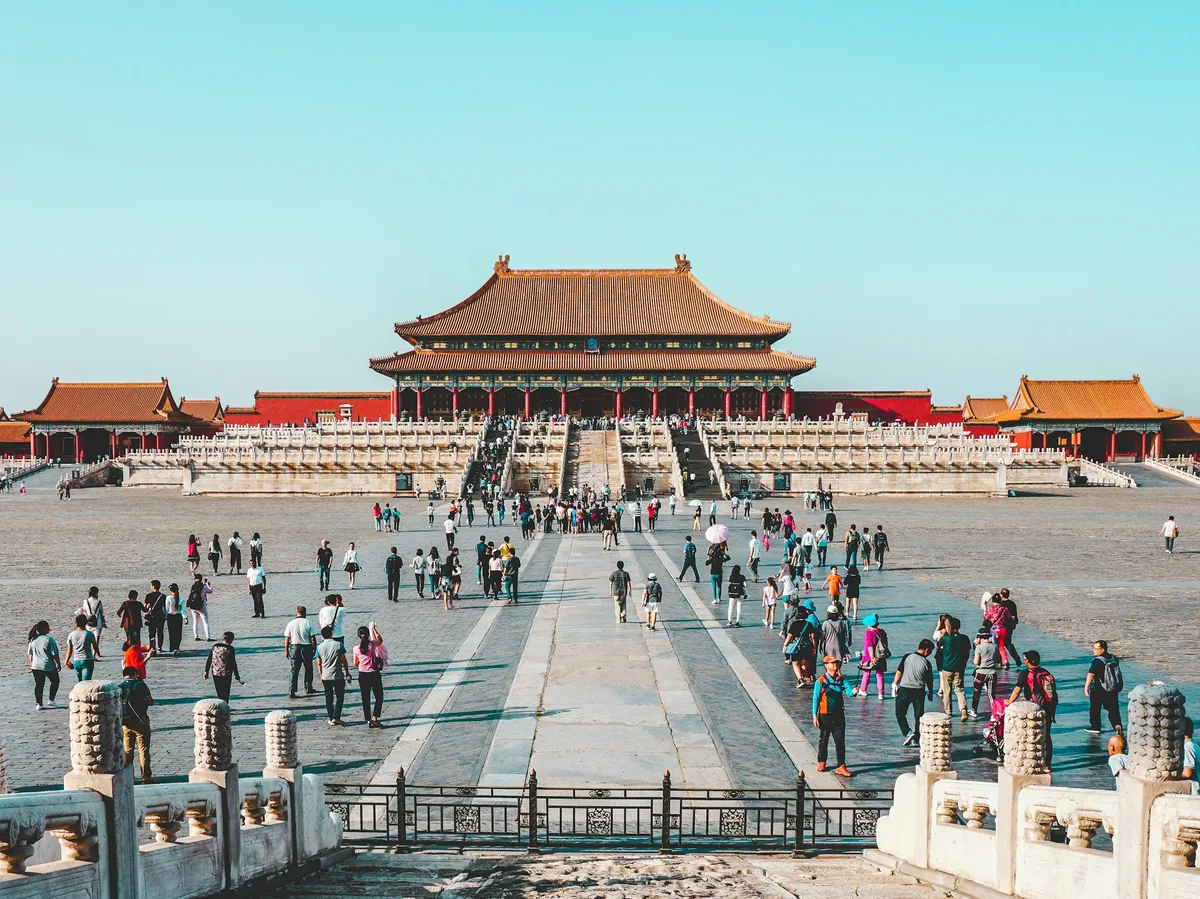
The vast imperial palace complex at the heart of Beijing, home to Ming and Qing dynasty emperors for nearly 500 years and now one of the world's best-preserved collections of ancient architecture.
 Multi-Day Tours Popular Pick
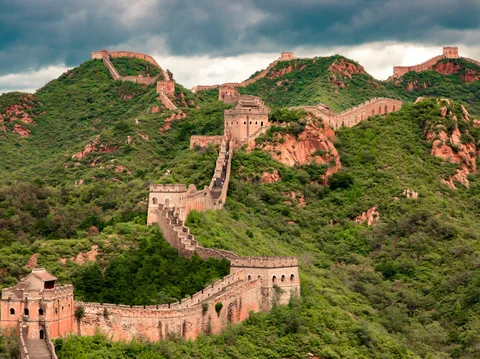
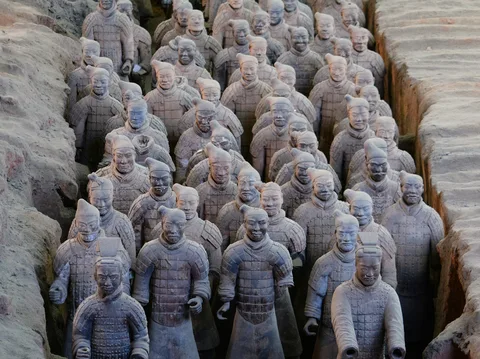
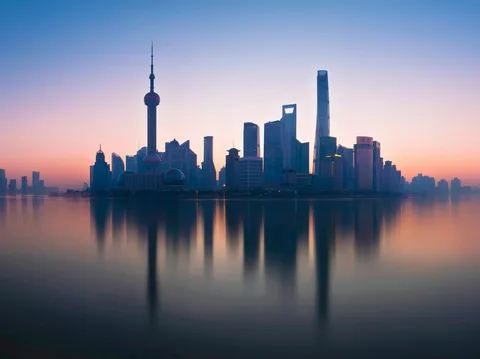
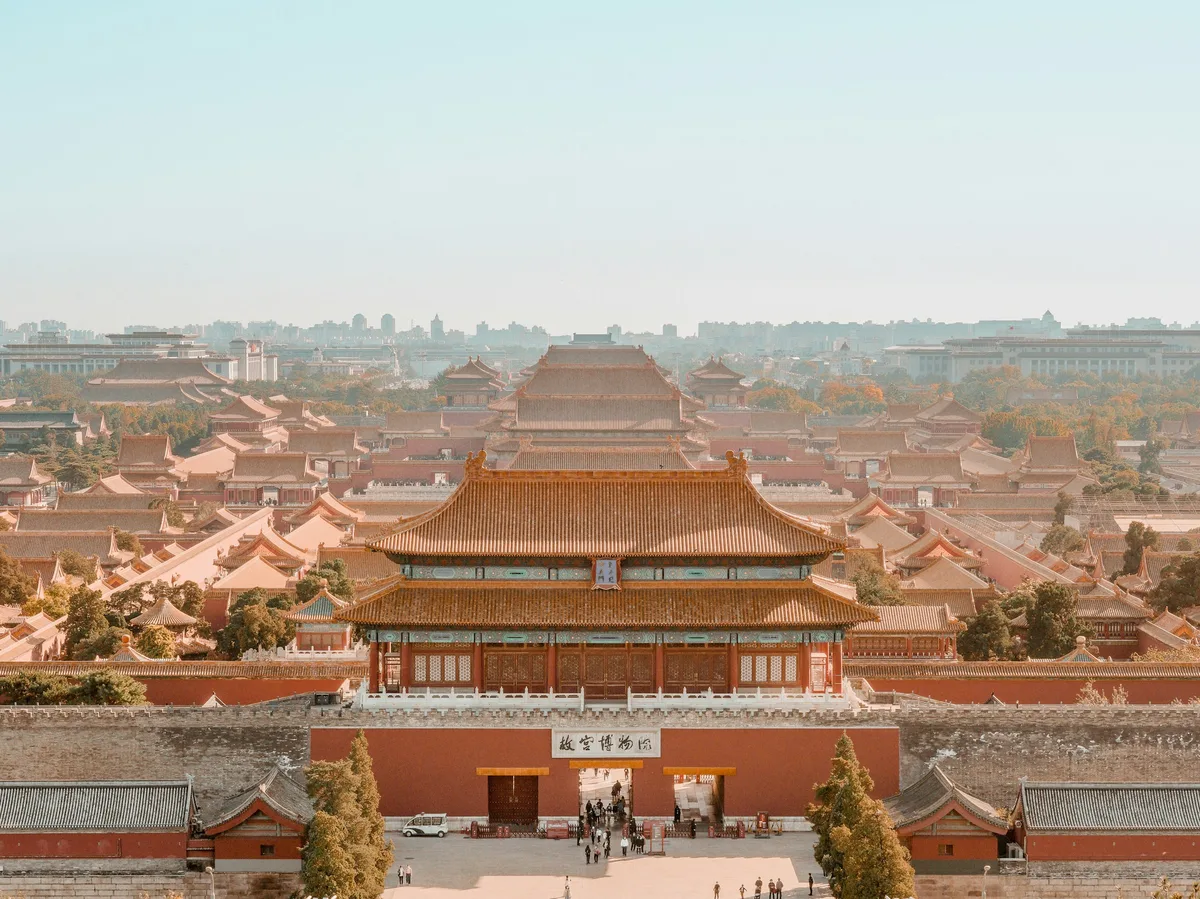
A 12-day classic across Beijing, Xi'an and Shanghai — the Great Wall, the Terracotta Warriors, a Yangtze River cruise and Shanghai's skyline, all with your own driver-guide.
 Multi-Day Tours
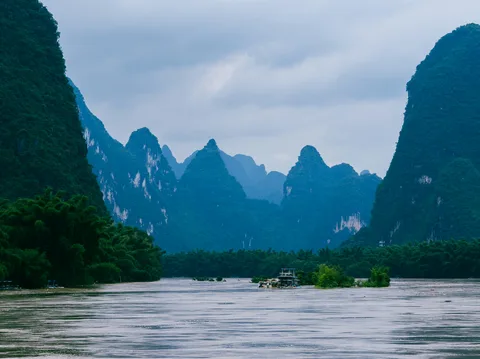
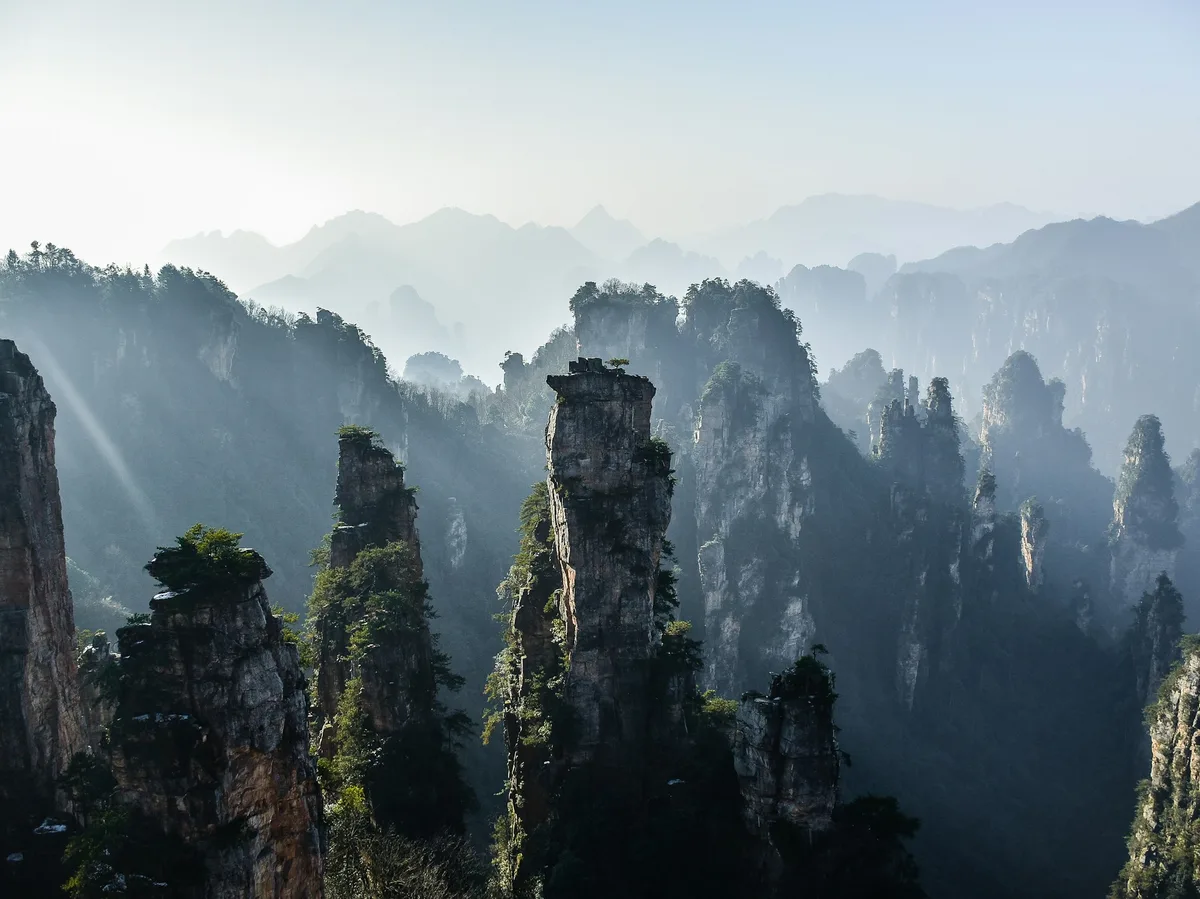
16 days through five iconic Chinese cities — Beijing, Xi'an, Zhangjiajie, Guilin and Shanghai — pairing the Great Wall and Terracotta Army with Zhangjiajie's sandstone peaks and a Li River cruise.
 Multi-Day Tours
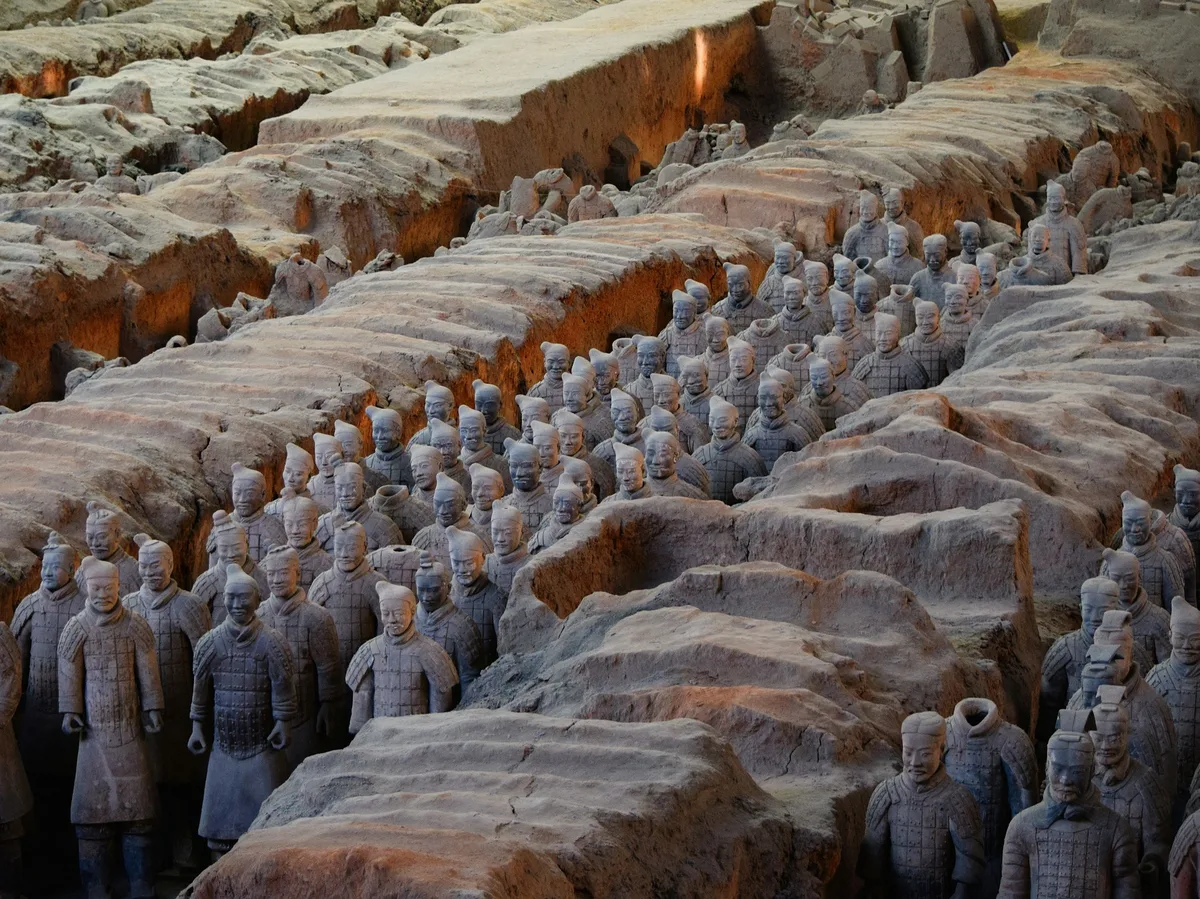
A fast-paced 8-day introduction to China's golden triangle — Beijing's Forbidden City and Great Wall, Xi'an's Terracotta Army, and Shanghai's modern skyline.
Visitor guide
The Forbidden City is an imperial palace complex in the centre of Beijing, China, home to 24 Ming and Qing emperors and the centre of Chinese political power from 1420 to 1924. Since 1925 it has been run as the Palace Museum, and UNESCO inscribed it as a World Heritage Site in 1987.
Wikipedia reports that construction began in 1406 under the Yongle Emperor, who moved the capital from Nanjing to Beijing. The work lasted 14 years and required more than a million workers. Materials included whole logs of nanmu wood from southwestern China, marble from quarries near Beijing and golden bricks from Suzhou. The palace was completed in 1420.
The complex covers 72 hectares and forms a rectangle measuring 961 metres from north to south and 753 metres from east to west. The article reports 980 surviving buildings with 8,886 bays of rooms; the popular claim of 9,999 rooms is not supported by survey evidence. Walls about 7.9 metres high enclose the palace, surrounded by a moat 6 metres deep and 52 metres wide, and the corner towers have roofs with 72 ridges. The Meridian Gate is the main southern entrance, with the Gate of Divine Might to the north. The gates are studded with golden door nails in nine-by-nine arrays, except the East Glorious Gate, which has eight by eight.
The Outer Court in the south was used for ceremonies, while the Inner Court in the north was the residence of the emperor and his family and handled daily affairs of state. The Hall of Supreme Harmony is the largest hall, rising about 30 metres and standing nine bays wide and five deep. Wikipedia describes it as the largest surviving wooden structure in China. It stands with the Hall of Central Harmony and the Hall of Preserving Harmony on a three-tiered marble terrace. In the Inner Court the central halls are the Palace of Heavenly Purity, the Hall of Union and the Palace of Earthly Tranquility. The Qianlong Emperor built the Palace of Tranquil Longevity for his anticipated retirement.
The layout is rich in symbolism. Main halls are arranged in groups of three, reflecting the Qian trigram that represents Heaven, while residences are arranged in clusters of six, reflecting the Kun trigram for Earth. Yellow roof tiles signify the emperor, with exceptions such as black tiles at the Pavilion of Literary Profundity, linked to water and fire prevention, and green tiles on the crown prince's residences, linked to growth. The Hall of Supreme Harmony carries ten roof statuettes, the maximum permitted in imperial times. The layout follows the Classic of Rites, with ancestral temples at the front and residences at the back, and the central axis of Beijing is tilted slightly more than two degrees from true north-south.
The Forbidden City ceased to be China's political centre in 1912 when Puyi abdicated, though he remained in the Inner Court under an agreement with the Republic of China until he was evicted after a coup in 1924. The Palace Museum was established in 1925. In 1933 the Japanese invasion led to the evacuation of national treasures, and part of the collection went to Taiwan in 1948, forming the core of the National Palace Museum in Taipei. Wikipedia notes that damage during the Cultural Revolution was limited after Premier Zhou Enlai sent an army battalion to guard the site. A 16-year restoration project aimed to return buildings to their pre-1911 state.
The palace is large and busy, and its logic is easiest to follow along the central axis from the Meridian Gate northward. A private guide can explain the symbolism of the halls, gates and tiles.
See every tour and attraction we cover in China.