TorontoOntario · 36 tours
 Niagara FallsOntario · 25 tours
 New York CityNew York · 30 tours
 Las VegasNevada · 8 tours
 San FranciscoCalifornia · 16 tours
 VancouverBritish Columbia · 17 tours
 DubaiUAE · 54 tours
 Abu DhabiUAE · 5 tours
 Buenos AiresArgentina · 23 tours
 AthensGreece · 31 tours
 AucklandNew Zealand · 38 tours
 CancunMexico · 54 tours
No destinations match “”. Try searching all tours instead — that search understands full questions, not just place names.
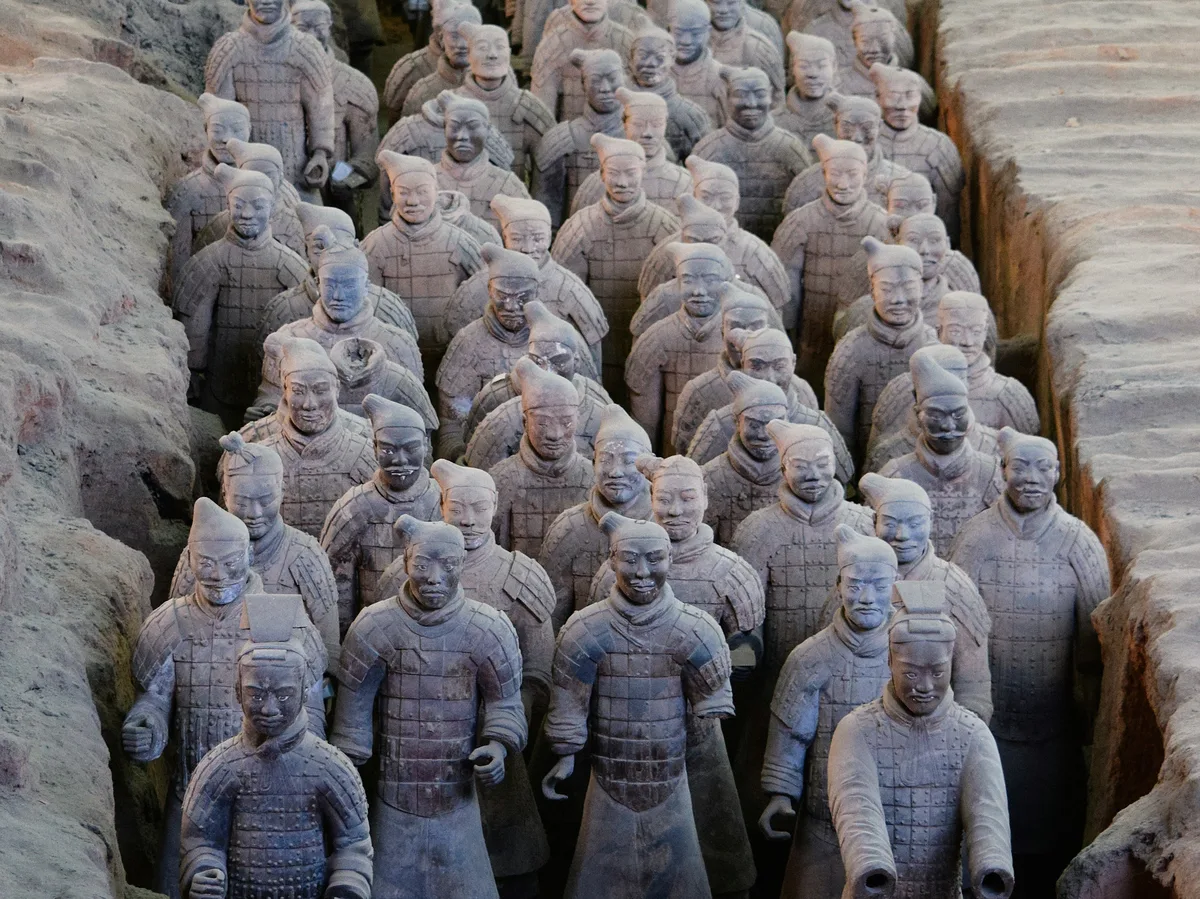
Thousands of life-sized terracotta soldiers, horses and chariots buried to guard China's first emperor, discovered near Xi'an in 1974 and now one of the most significant archaeological finds of the 20th century.
 Multi-Day Tours Popular Pick
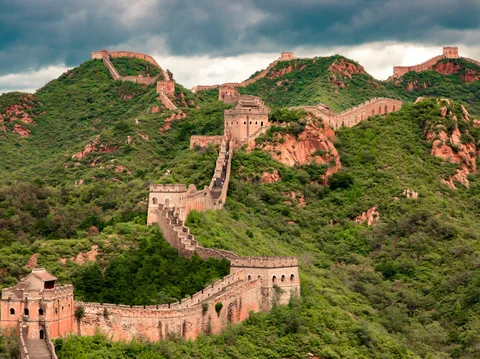
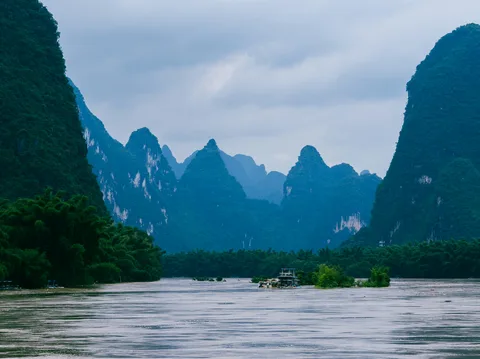
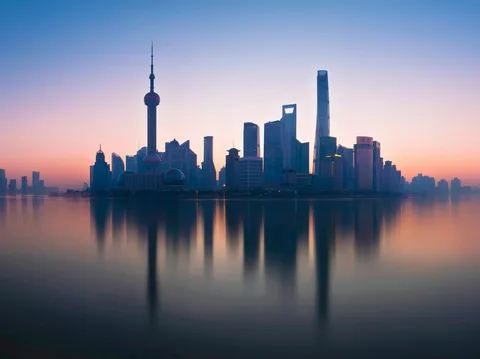
A 12-day classic across Beijing, Xi'an and Shanghai — the Great Wall, the Terracotta Warriors, a Yangtze River cruise and Shanghai's skyline, all with your own driver-guide.
 Multi-Day Tours
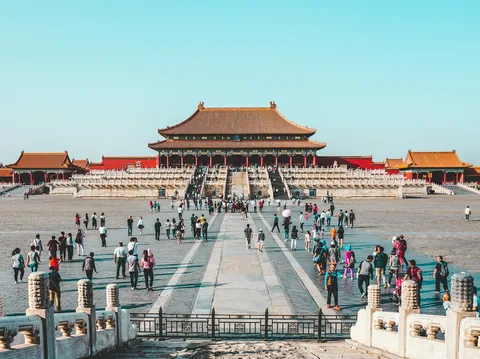
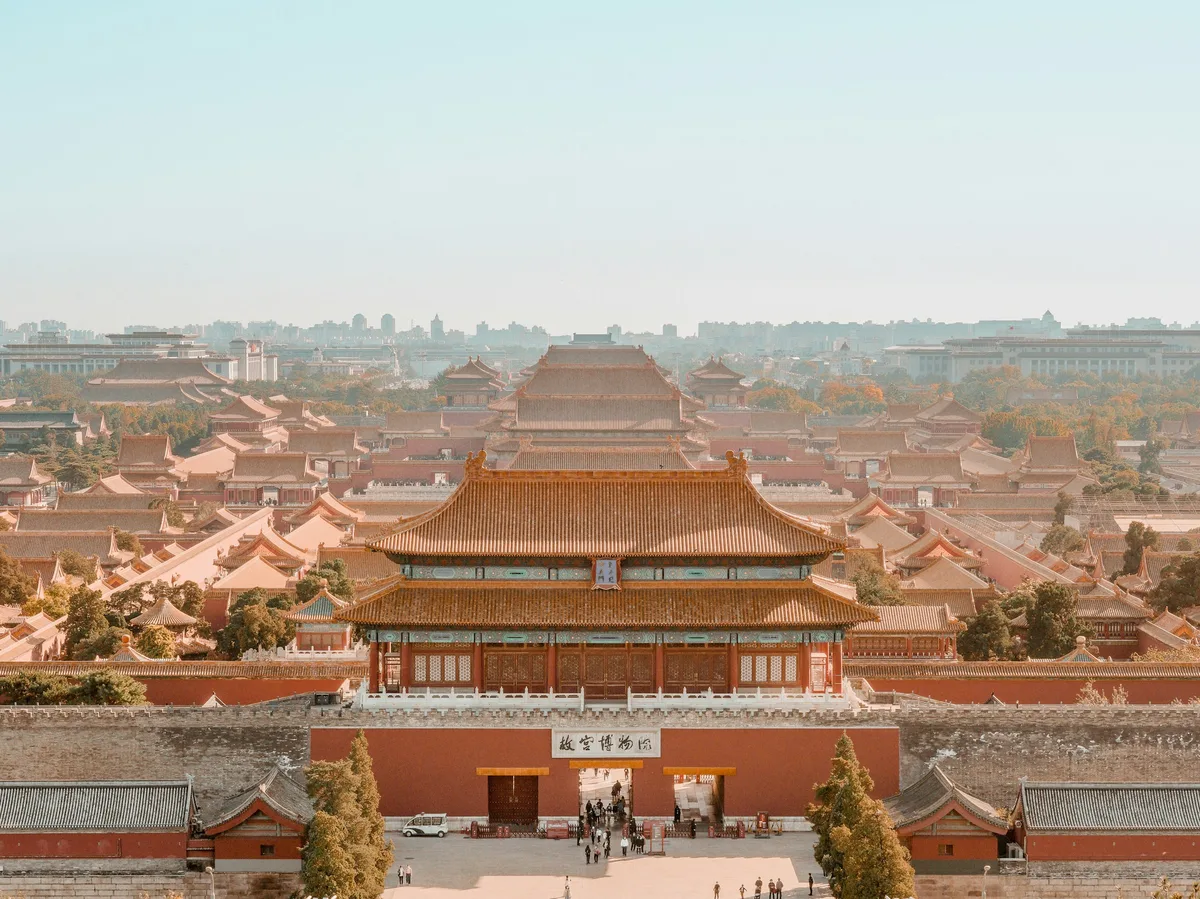
A fast-paced 8-day introduction to China's golden triangle — Beijing's Forbidden City and Great Wall, Xi'an's Terracotta Army, and Shanghai's modern skyline.
 Multi-Day Tours
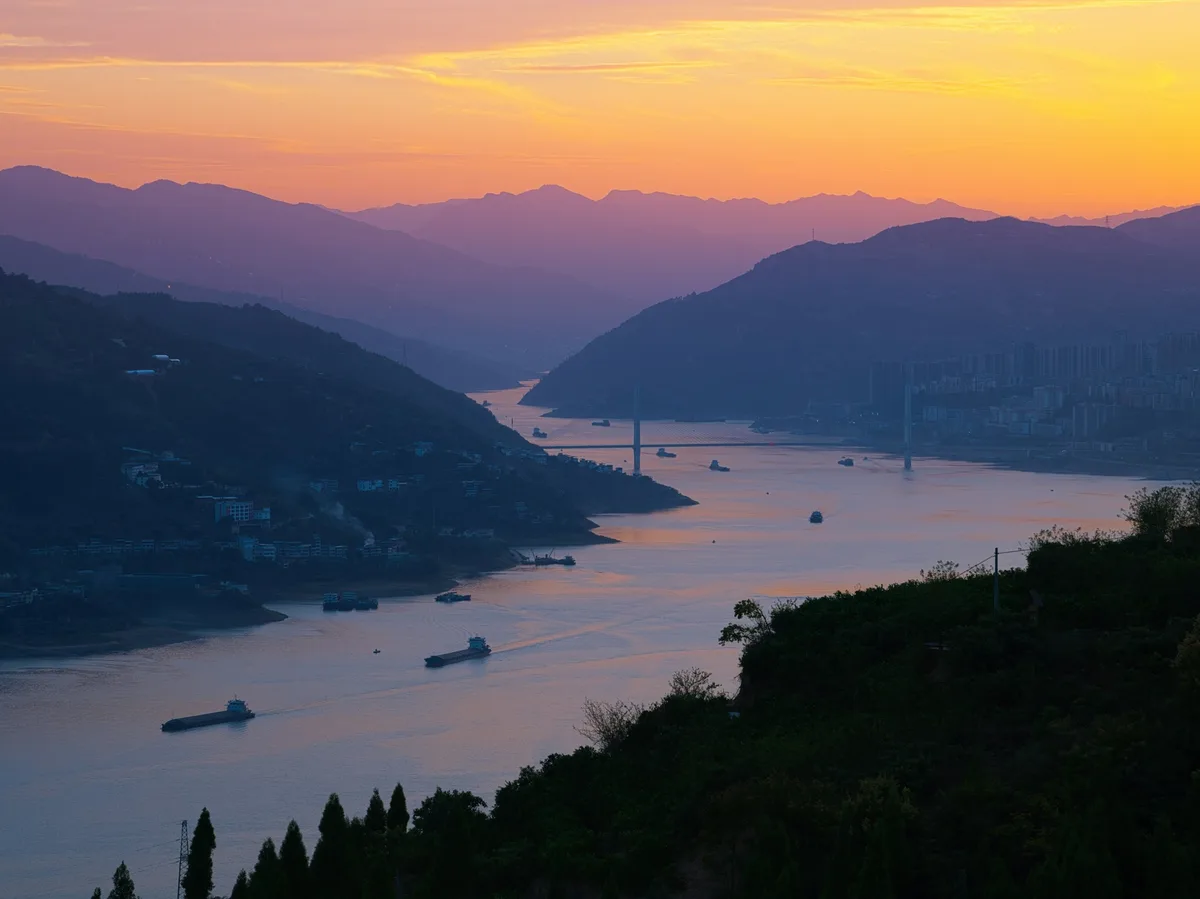
Beijing, Xi'an and Chengdu's icons, the Leshan Giant Buddha, a Yangtze River cruise through the Three Gorges, and a finish in Shanghai.
Visitor guide
The Terracotta Army is a collection of life-sized clay sculptures depicting the armies of Qin Shi Huang, the first emperor of China. Buried around 210 to 209 BCE in the emperor's mausoleum in Lintong District outside Xi'an in Shaanxi Province, the figures were meant to protect him in the afterlife and were discovered in 1974.
According to Wikipedia, work on the mausoleum began in 246 BCE, soon after Qin, then aged 13, became King of Qin. The historian Sima Qian, writing about a century after its completion, said about 700,000 conscripted workers were involved. He described rivers simulated with mercury and a heavenly ceiling, and later detection of mercury in the mound soil lent some credibility to his account. His original text does not mention the terracotta army itself. The central tomb, roughly 100 by 75 metres, remains unexcavated, partly out of concern for its artefacts, and radar and core sampling suggest the necropolis is very large, with published estimates of its area varying widely between sources. UNESCO inscribed the mausoleum in 1987.
On 29 March 1974, farmers digging a well about 1.5 kilometres east of the burial mound found the figures. Archaeologists, including Zhao Kangmin, investigated, and the find is described as the largest group of pottery figurines ever discovered.
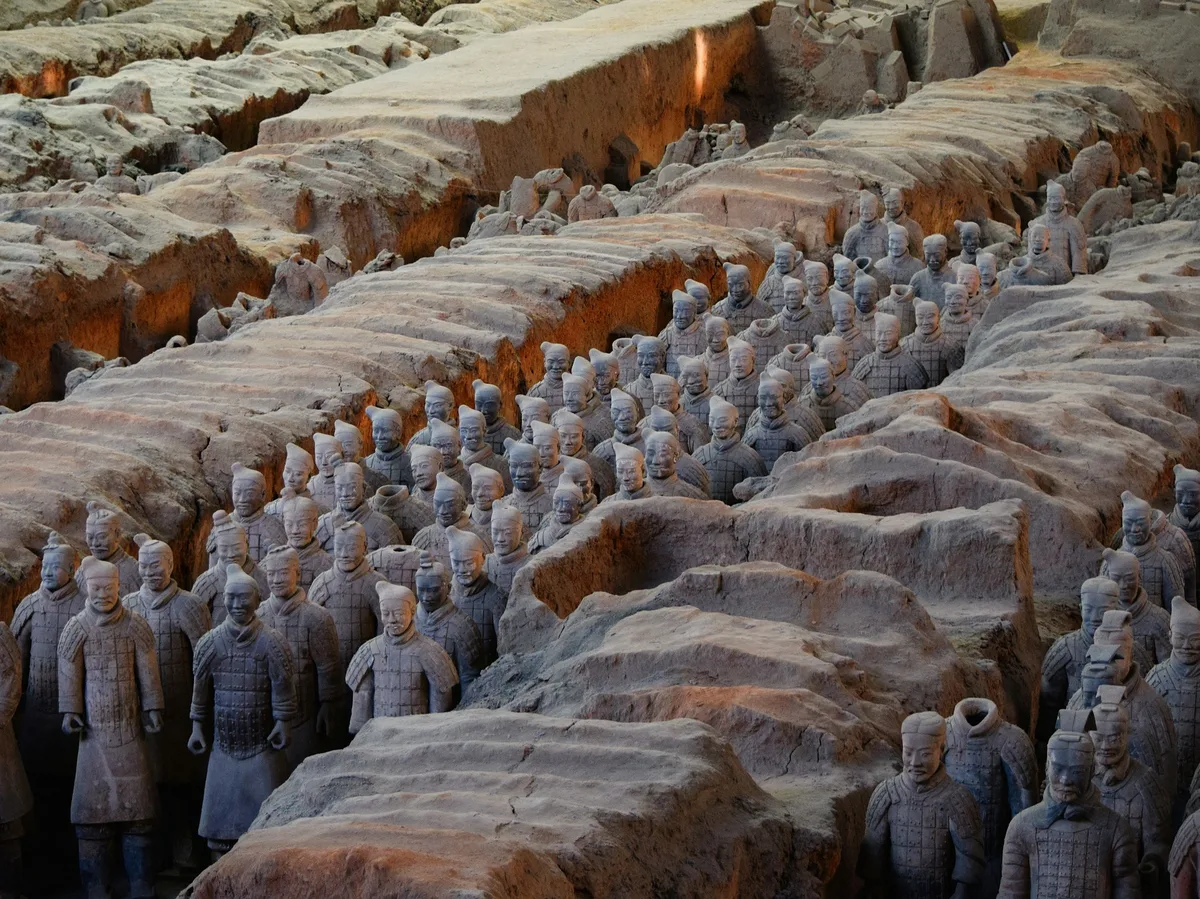
Four main pits, about 7 metres deep, have been uncovered, and the figures face east, toward the emperor's former rivals. Pit 1 is about 230 metres long and 62 metres wide and holds more than 3,000 figures in eleven corridors. Pit 2 contains cavalry, infantry and chariots, thought to represent a military guard. Pit 3 is the command post, with high-ranking officers and a chariot. Pit 4 is empty, possibly left unfinished. Estimates from 2007 put the number of soldiers in the three pits above 8,000, with 130 chariots, 520 horses and 150 cavalry horses, most still buried. Fire damage suggests that roofs collapsed onto the figures, so those on display have been restored from fragments. Separate pits have also yielded bronze carriages, acrobats, officials and bronze waterbirds.
The figures are life-sized, about 1.75 to 2 metres tall, with officers taller than ordinary soldiers. Types include armoured and unarmoured infantry, cavalrymen, charioteers, kneeling and standing archers and generals. Heads, arms, legs and torsos were made separately and then joined, and scholars have identified about ten base face moulds with clay added to give each face individual features. Workshops inscribed their names on products for quality control.
The figures were originally painted with pigments including iron-oxide red, cinnabar red, malachite green, azurite blue, charcoal black and Han purple. When exposed to Xi'an's dry air, the lacquer beneath the paint can curl and flake within minutes, which is why colour loss is so rapid after excavation. Most figures originally held real bronze weapons, and more than 40,000 bronze weapon items have been recovered, mostly arrowheads.
A museum complex now covers the excavation area, with the largest pit enclosed in a roofed structure. Seeing the rows of figures in the pit gives a sense of scale that photographs cannot, and a private guide can explain the context of the emperor's rule.
See every tour and attraction we cover in China.