TorontoOntario · 36 tours
 Niagara FallsOntario · 25 tours
 New York CityNew York · 30 tours
 Las VegasNevada · 8 tours
 San FranciscoCalifornia · 16 tours
 VancouverBritish Columbia · 17 tours
 DubaiUAE · 54 tours
 Abu DhabiUAE · 5 tours
 Buenos AiresArgentina · 23 tours
 AthensGreece · 31 tours
 AucklandNew Zealand · 38 tours
 CancunMexico · 54 tours
No destinations match “”. Try searching all tours instead — that search understands full questions, not just place names.
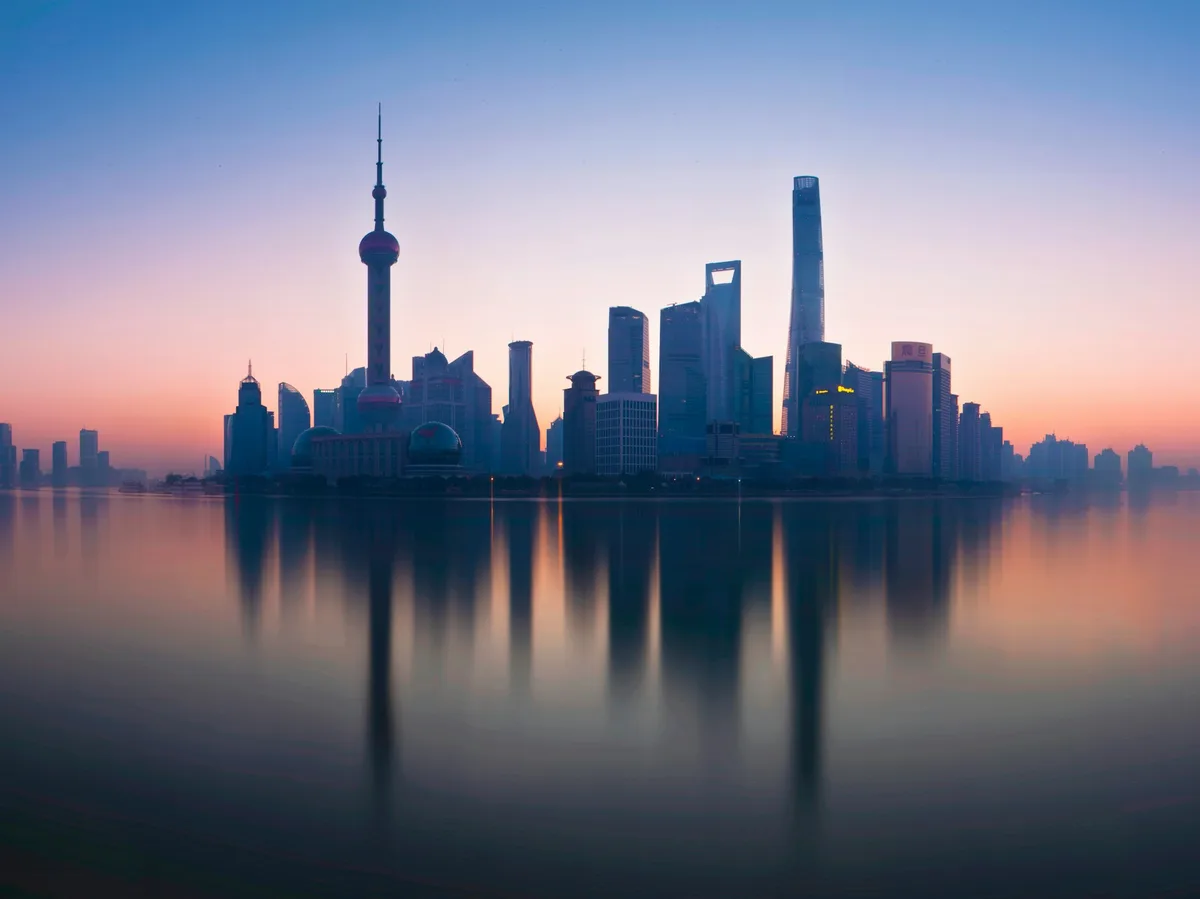
Shanghai's iconic waterfront promenade, lined with early-20th-century colonial buildings on one side and facing the futuristic Pudong skyline across the Huangpu River on the other.
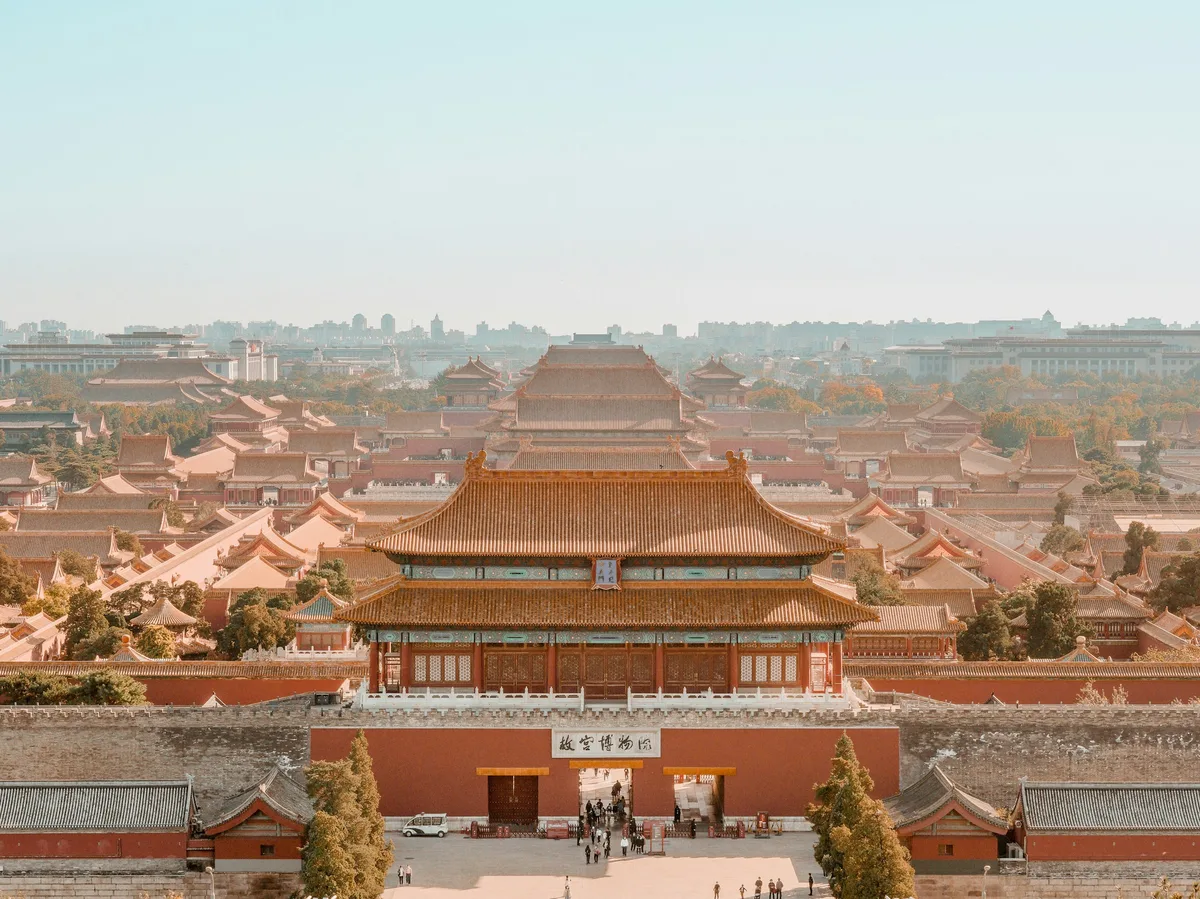 Multi-Day Tours Popular Pick
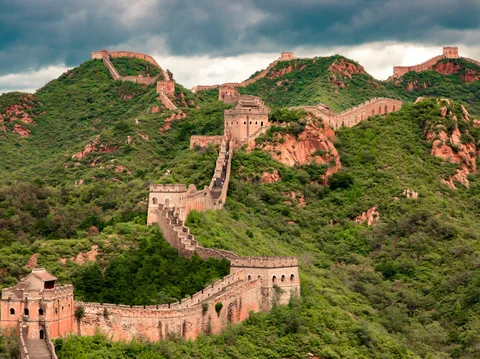
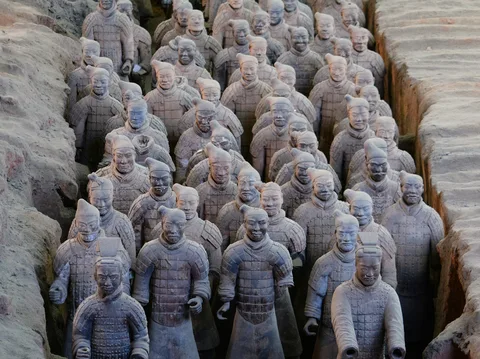
A 12-day classic across Beijing, Xi'an and Shanghai — the Great Wall, the Terracotta Warriors, a Yangtze River cruise and Shanghai's skyline, all with your own driver-guide.
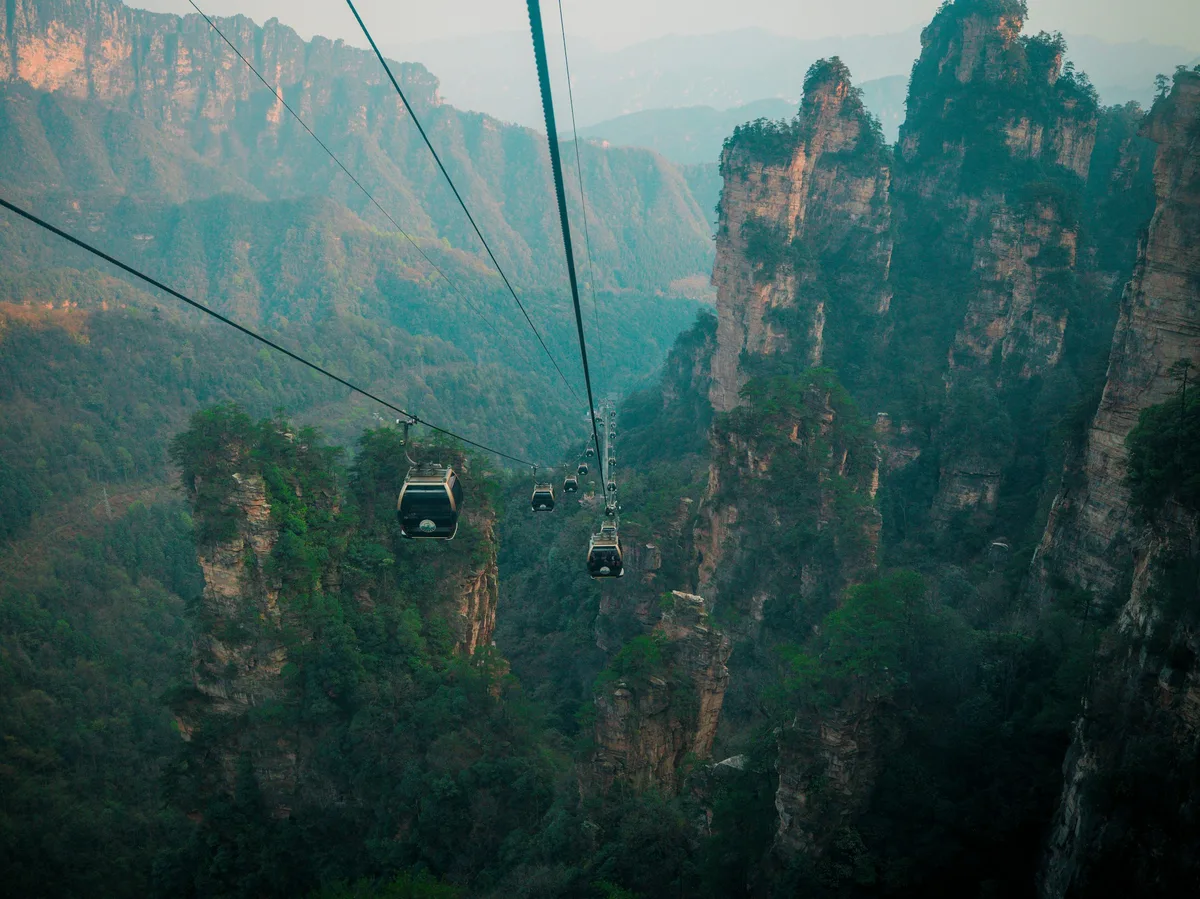 Multi-Day Tours
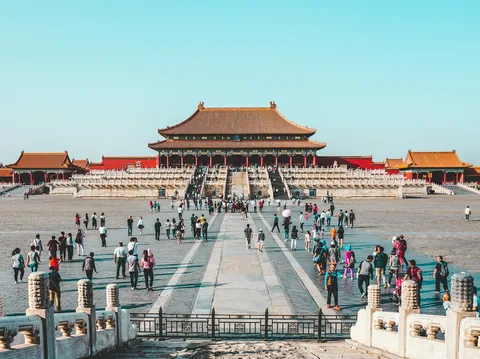
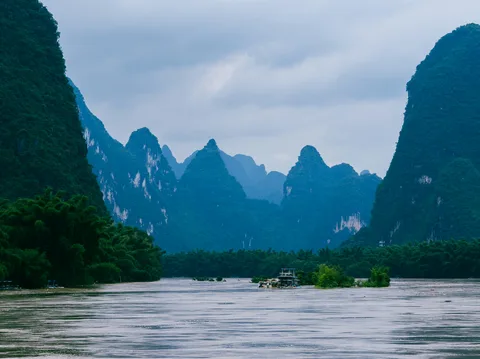
Shanghai and Beijing's imperial landmarks paired with Zhangjiajie's otherworldly sandstone pillars and a Li River cruise into Guilin.
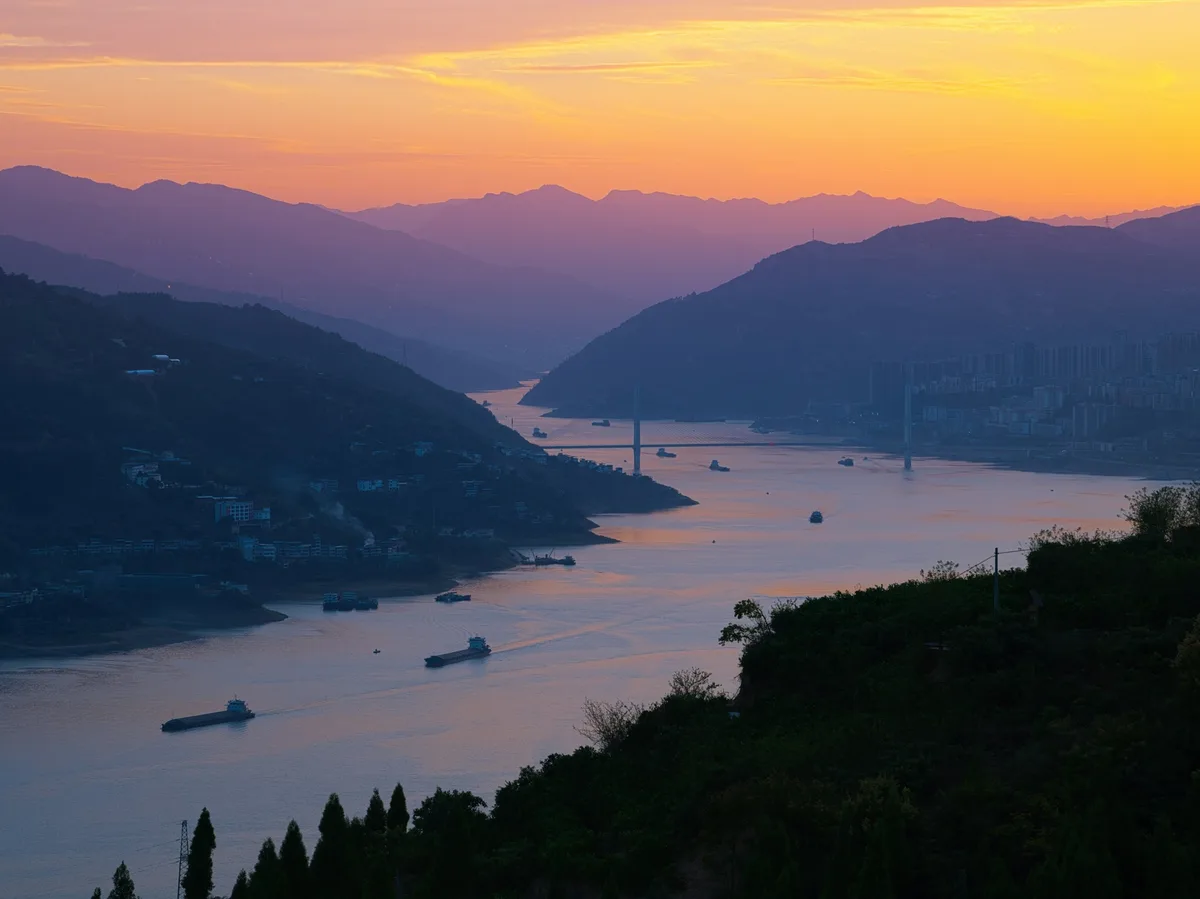 Multi-Day Tours
Beijing, Xi'an and Chengdu's icons, the Leshan Giant Buddha, a Yangtze River cruise through the Three Gorges, and a finish in Shanghai.
Visitor guide
The Bund is a waterfront area and protected historical district on the western bank of the Huangpu River in central Shanghai, China. Running roughly 1.6 kilometres, it is lined with early-20th-century buildings in many architectural styles and faces the skyscrapers of Lujiazui in Pudong across the water.
The word Bund came into English from Hindustani, where it meant an embankment or dyke, and in China's treaty ports it referred to an embanked quay along the shore. The Chinese name, Waitan, means outer bank, distinguishing this riverfront from the inner bank beside the old city of Shanghai. The Bund centres on East Zhongshan Road No. 1 and stretches from Yan'an Road in the south to Waibaidu Bridge over Suzhou Creek in the north.
The area began as a British settlement, and in 1863 the British and American settlements merged into the International Settlement. Beaux-Arts commercial buildings rose around 1900 as the Bund grew into a major financial centre of East Asia. From the 1860s to the 1930s it was the wealthy centre of the foreign presence in Shanghai, and by the 1940s it housed the headquarters of most major financial institutions in China. Some buildings deliberately echo the waterfront of Liverpool, particularly its Three Graces.
After the Communist victory in the Chinese Civil War, many financial firms moved to Hong Kong in the 1950s, and hotels and clubs closed or changed use. In the late 1970s and early 1980s, as economic policy loosened, buildings returned to their former uses.
The Bund has 52 historic buildings, mostly eclectic in style, with Romanesque, Gothic, Renaissance, Baroque, Neoclassical, Beaux-Arts and Art Deco influences. The HSBC Building at No. 12, completed in 1923, was described at the time as the most luxurious building between the Suez Canal and the Bering Strait, and its restored ceiling mosaics can be seen in the entrance hall. The Customs House at No. 13, built in 1927, has a clock and bell made in England in imitation of Big Ben. The Peace Hotel, formerly Sassoon House, is known for its jazz band, and the former Shanghai Club at No. 2 is now a hotel. The Gutzlaff Signal Tower dates from 1907 and once gave weather information to ships.
In the 1990s Zhongshan Road was widened to ten lanes, which eliminated most of the parkland. A renovation finished on 28 March 2010, just before the World Expo, rebuilt the road on two levels with six lanes running through a new tunnel, which freed surface space to widen the waterfront promenade. The promenade is now the Bund's main public space, and a sightseeing tunnel runs under the river. At the northern end, Huangpu Park contains the Shanghai People's Heroes Memorial Tower, built in 1993. The major buildings on both banks are illuminated each evening.
The Bund works as a walk with two views, the old buildings on one side and the modern skyline on the other. A private guide can explain who built which buildings and how the district changed, and combine the walk with other parts of Shanghai.
See every tour and attraction we cover in China.