TorontoOntario · 36 tours
 Niagara FallsOntario · 25 tours
 New York CityNew York · 30 tours
 Las VegasNevada · 8 tours
 San FranciscoCalifornia · 16 tours
 VancouverBritish Columbia · 17 tours
 DubaiUAE · 54 tours
 Abu DhabiUAE · 5 tours
 Buenos AiresArgentina · 23 tours
 AthensGreece · 31 tours
 AucklandNew Zealand · 38 tours
 CancunMexico · 54 tours
No destinations match “”. Try searching all tours instead — that search understands full questions, not just place names.
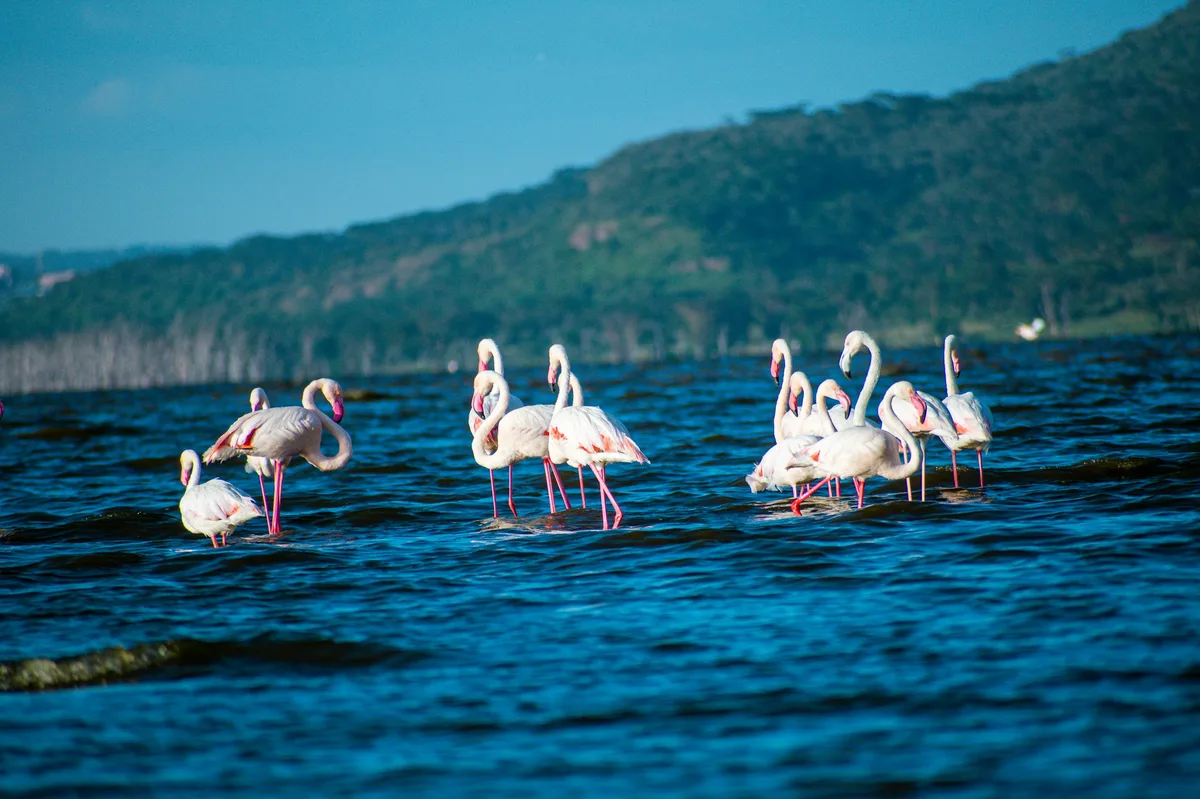
A soda lake in the Great Rift Valley renowned for flocks of lesser flamingo and as a sanctuary for both black and white rhino.
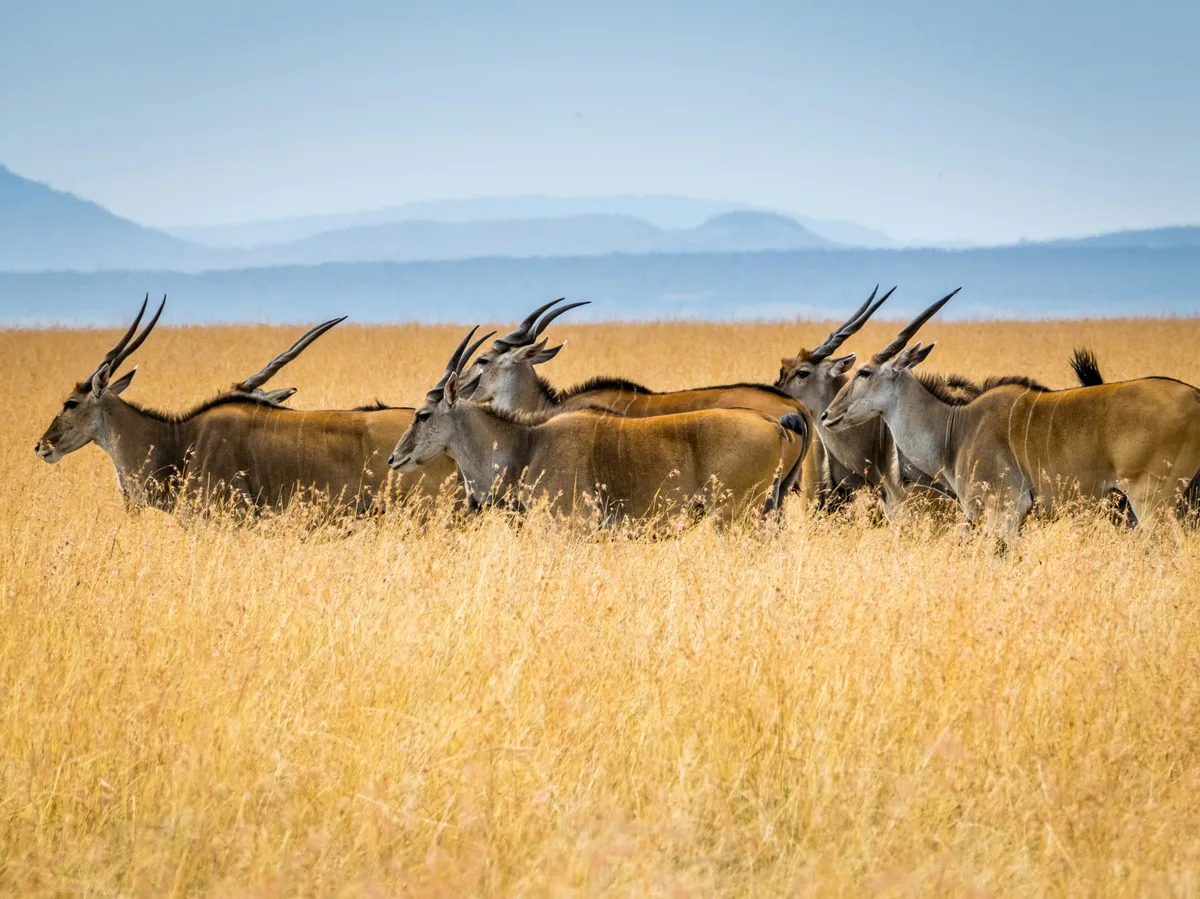 Multi-Day Tours
A 10-day circuit through four of Kenya's best-known reserves — the Masai Mara, Lake Nakuru's rhino sanctuary, Amboseli under Kilimanjaro, and the red-earth plains of Tsavo West and East.
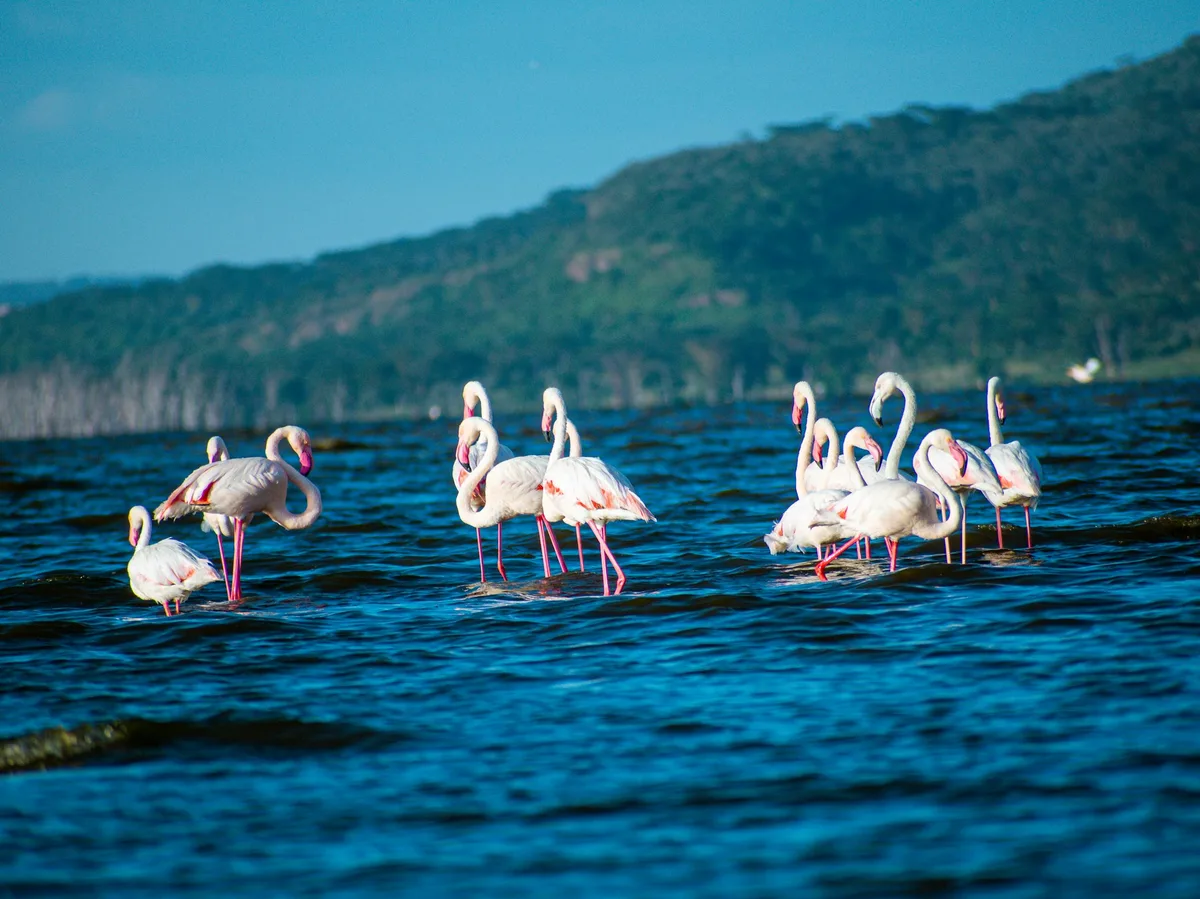 Multi-Day Tours
An 8-day safari through Kenya's Great Rift Valley — Nairobi's elephant sanctuary, Crescent Island's walking safari, the flamingos of Lake Nakuru, bird-rich Lake Baringo, and a finale in the Masai Mara.
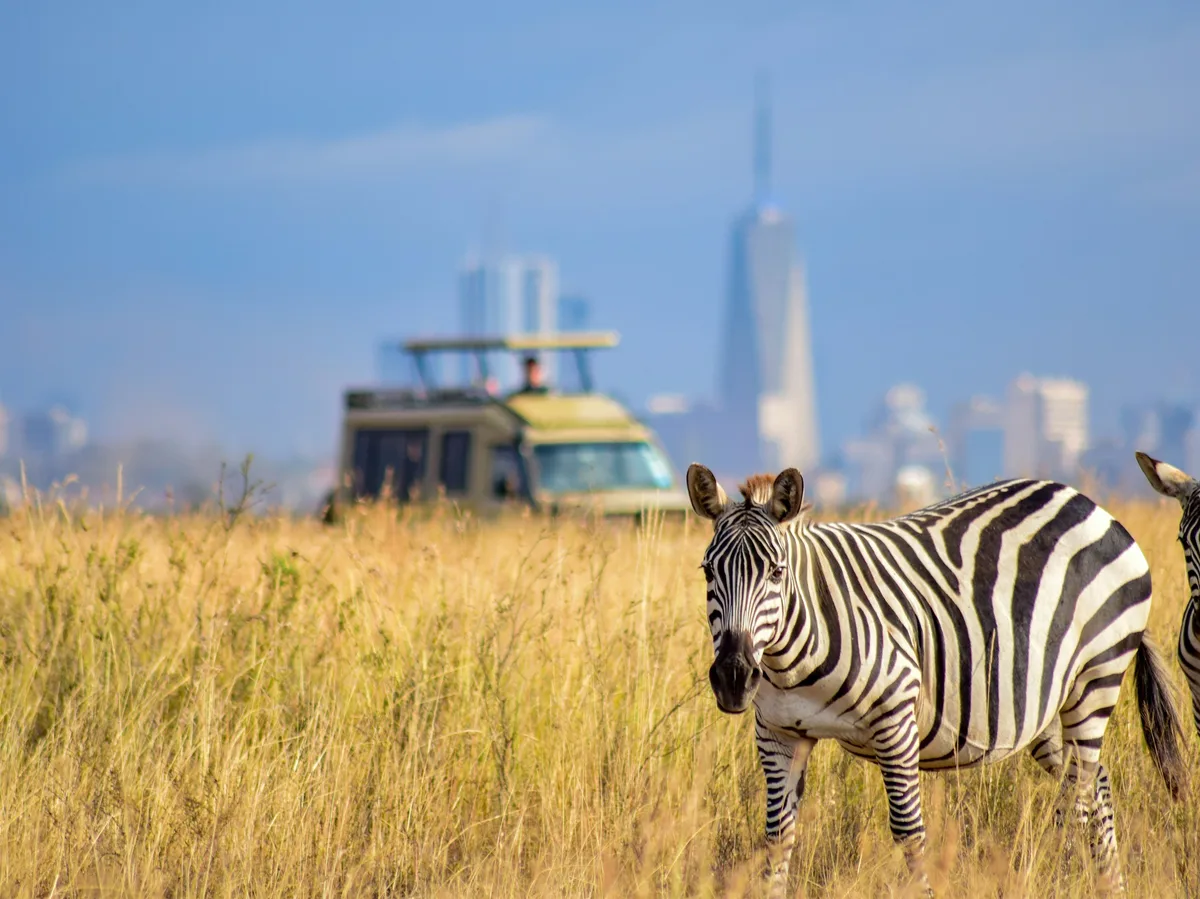 Multi-Day Tours
A 6-day introduction to Kenya crossing the Equator to Sweetwaters Game Reserve, the flamingo-lined shores of Lake Nakuru, and two days exploring the Masai Mara.
 Multi-Day Tours
A 6-day safari north to Samburu's desert-adapted wildlife, the flamingos of Lake Nakuru, and two days in the Masai Mara's Big Five country.
Visitor guide
Lake Nakuru National Park surrounds a shallow alkaline lake in Kenya's Great Rift Valley, just south of Nakuru town and about 164 kilometres north of Nairobi. The lake is best known for its flamingos, and the park is also a fenced sanctuary for black and white rhinoceros.
Lake Nakuru lies at an elevation of about 1,754 metres. It has no outflow, and Wikipedia notes it is very shallow, with an average depth of about 0.3 metres and a maximum of about 1.8 metres, though its surface area has varied greatly over time. About 10,000 years ago, Nakuru, Elmenteita and Bogoria were part of a single deep freshwater lake that dried up, leaving the three lakes as remnants. The warm, alkaline water supports blooms of cyanobacteria, the food of the lake's flamingos.
Formal protection of the lake began in 1961 with a bird sanctuary at its southern tip, and it was gazetted as a national park in 1968; the park now covers about 188 square kilometres. The lake was designated a Ramsar wetland on 5 June 1990, and UNESCO inscribed it in 2011 as part of the Kenya Lake System in the Great Rift Valley, together with Lake Bogoria and Lake Elmenteita. The park has been enlarged to create a rhino sanctuary, and a fence was built mainly to keep out poachers.
The lake is best known for flamingos, which have at times numbered more than a million. Two species occur, the smaller, pinker lesser flamingo and the taller greater flamingo. Numbers fluctuate: when food supplies drop, flamingos move to nearby lakes such as Elmenteita and Bogoria. More than 400 resident bird species live in the lake and park, among them African fish eagle, goliath heron, hamerkop, pied kingfisher, pelicans and cormorants, and migrant waders visit in the European winter. Baboon Cliff is described as the best vantage point for viewing the flamingos.
The park is a sanctuary for black and white rhinos. Wikipedia gave figures of more than 25 eastern black rhinos and around 70 southern white rhinos as of 2009. Rothschild's giraffes were relocated here from western Kenya beginning in 1977. Other mammals include Cape buffalo, zebra, eland and waterbuck, with lions, leopards and hyenas among the predators and large pythons in the dense woodland. Acacia and euphorbia forests give shelter from the midday heat, and a hippo pool lets visitors watch hippos.
Water levels have fluctuated considerably, and the lake nearly dried up several times in the past 50 years. Researchers link recent rises in water to climate patterns and land-use change, and the shifting shoreline is one reason flamingo numbers vary. The park borders the Soysambu Conservancy for about 12 kilometres along its southeastern edge, which Wikipedia calls the only remaining wildlife corridor to Lake Naivasha.
A private guided visit with a driver gives time to drive the lake shore and wooded areas at a measured pace.
See every tour and attraction we cover in Kenya.