TorontoOntario · 36 tours
 Niagara FallsOntario · 25 tours
 New York CityNew York · 30 tours
 Las VegasNevada · 8 tours
 San FranciscoCalifornia · 16 tours
 VancouverBritish Columbia · 17 tours
 DubaiUAE · 54 tours
 Abu DhabiUAE · 5 tours
 Buenos AiresArgentina · 23 tours
 AthensGreece · 31 tours
 AucklandNew Zealand · 38 tours
 CancunMexico · 54 tours
No destinations match “”. Try searching all tours instead — that search understands full questions, not just place names.
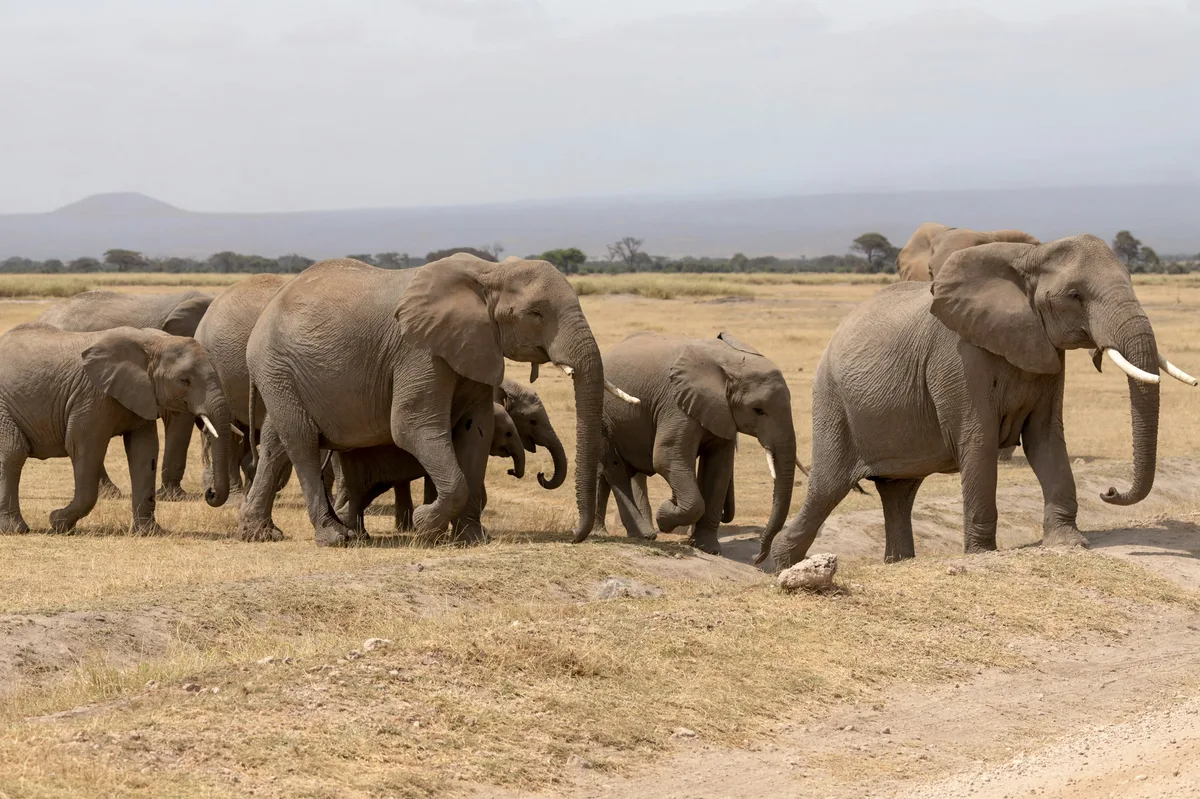
A park famous for its large elephant herds photographed against the backdrop of snow-capped Mount Kilimanjaro, just across the border in Tanzania.
Visitor guide
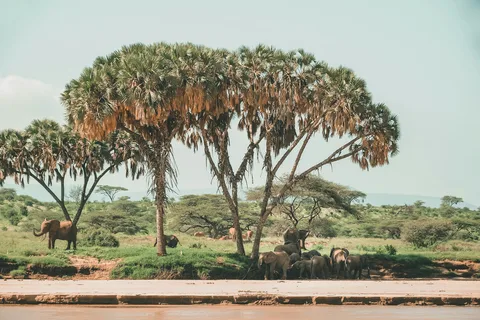
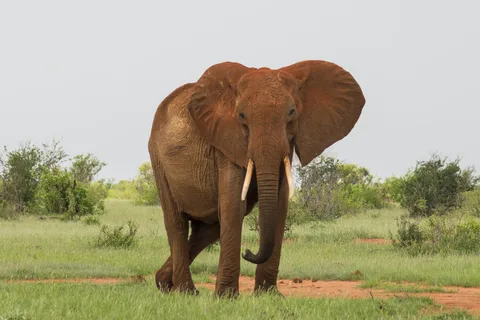
Amboseli National Park is a protected area in Kajiado County, southern Kenya, set against the northern slopes of Mount Kilimanjaro across the border in Tanzania. It is best known for its large population of African bush elephants and for dramatic views of Africa's highest mountain.
The park covers 392 square kilometres and sits at the core of an ecosystem of about 8,000 square kilometres that spans the Kenya-Tanzania border. The IUCN classifies it as a Category II national park, and governance is shared among the Kenya Wildlife Service, the Olkejuado County Council and the Maasai community. The landscape includes a dried-up Pleistocene lake bed and semi-arid vegetation, contrasted with swamps that act as oases. According to Wikipedia, the park protects two of the five main swamps of the region, and Mount Kilimanjaro appears in the background of many views.
The Maasai called the area Empusel, glossed in Wikipedia as a salty, dusty place. The explorer Joseph Thomson entered the region in 1883. It was set aside as the Southern Reserve for the Maasai in 1906 and returned to local control as a game reserve in 1948. It was gazetted as a national park in 1974 to protect the ecosystem's core, and Wikipedia records a 1991 UNESCO designation, which sources describe as a Man and the Biosphere Reserve rather than a World Heritage Site. A 2005 declaration that control should pass from the Kenya Wildlife Service to the county council and the Maasai was contested, and legal challenges followed.
Amboseli's elephants are among the most studied in the world. Cynthia Moss has researched them since 1972, and an elephant named Echo, described by Wikipedia as the most researched elephant in the world, was followed by Moss for almost four decades before dying in 2009 at about 60. The Amboseli Elephant Research Project and the Amboseli Baboon Research Project are linked to the park.
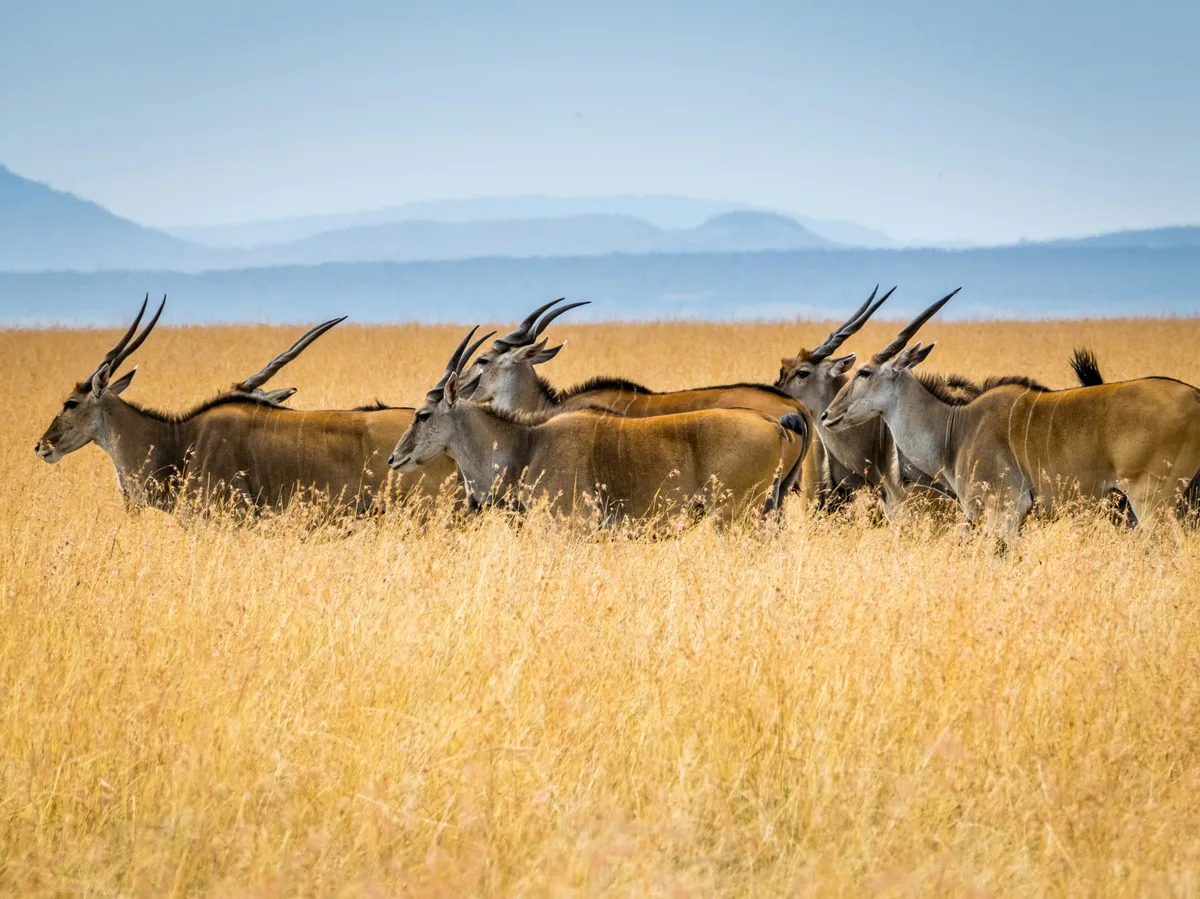
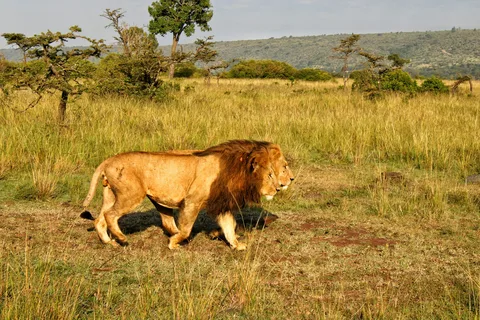
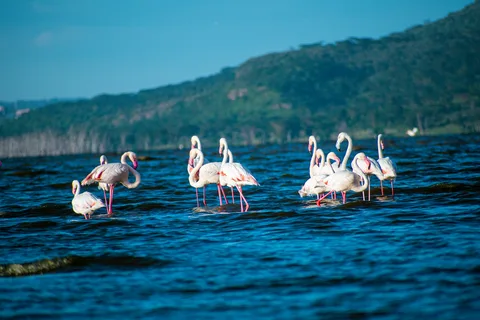
Besides elephants, the park hosts 50 to 80 other mammal species, including yellow baboon, Cape buffalo, impala, lion, cheetah, spotted hyena, Masai giraffe, Grant's zebra and eastern white-bearded wildebeest. Around 400 bird species have been recorded, including pelicans, kingfishers, crakes, hamerkop and 47 raptor species.
Mount Kilimanjaro, the backdrop to Amboseli, lies in Tanzania. Wikipedia gives the height of its summit, Uhuru Peak, as 5,895 metres, which makes it the highest mountain in Africa. It is a large stratovolcano with three cones: Kibo, the highest and dormant, and the extinct Mawenzi and Shira. The first recorded ascent was made on 6 October 1889 by Hans Meyer and Ludwig Purtscheller. The mountain's origin of name is disputed, with proposed meanings including mountain of greatness and white mountain, and its ice cover has shrunk by about 85 percent between 1912 and 2011, according to the same source.
The contrast between arid dry-lake areas and swamp oases is a defining feature of Amboseli. Elephants and other grazers gather around the swamps, which stay green when the surrounding plain is parched, and this concentration of animals is what makes the park a long-running study site. Visitor numbers were estimated at around 120,000 in 2006 according to Wikipedia, so the park is one of Kenya's well-known safari destinations.
The local population is mainly Maasai, and the park's open terrain makes game drives straightforward. A private guided safari with a vehicle and driver allows time to wait for good light and to follow elephant herds as they move between the swamps and the plains.
See every tour and attraction we cover in Kenya.