TorontoOntario · 36 tours
 Niagara FallsOntario · 25 tours
 New York CityNew York · 30 tours
 Las VegasNevada · 8 tours
 San FranciscoCalifornia · 16 tours
 VancouverBritish Columbia · 17 tours
 DubaiUAE · 54 tours
 Abu DhabiUAE · 5 tours
 Buenos AiresArgentina · 23 tours
 AthensGreece · 31 tours
 AucklandNew Zealand · 38 tours
 CancunMexico · 54 tours
No destinations match “”. Try searching all tours instead — that search understands full questions, not just place names.
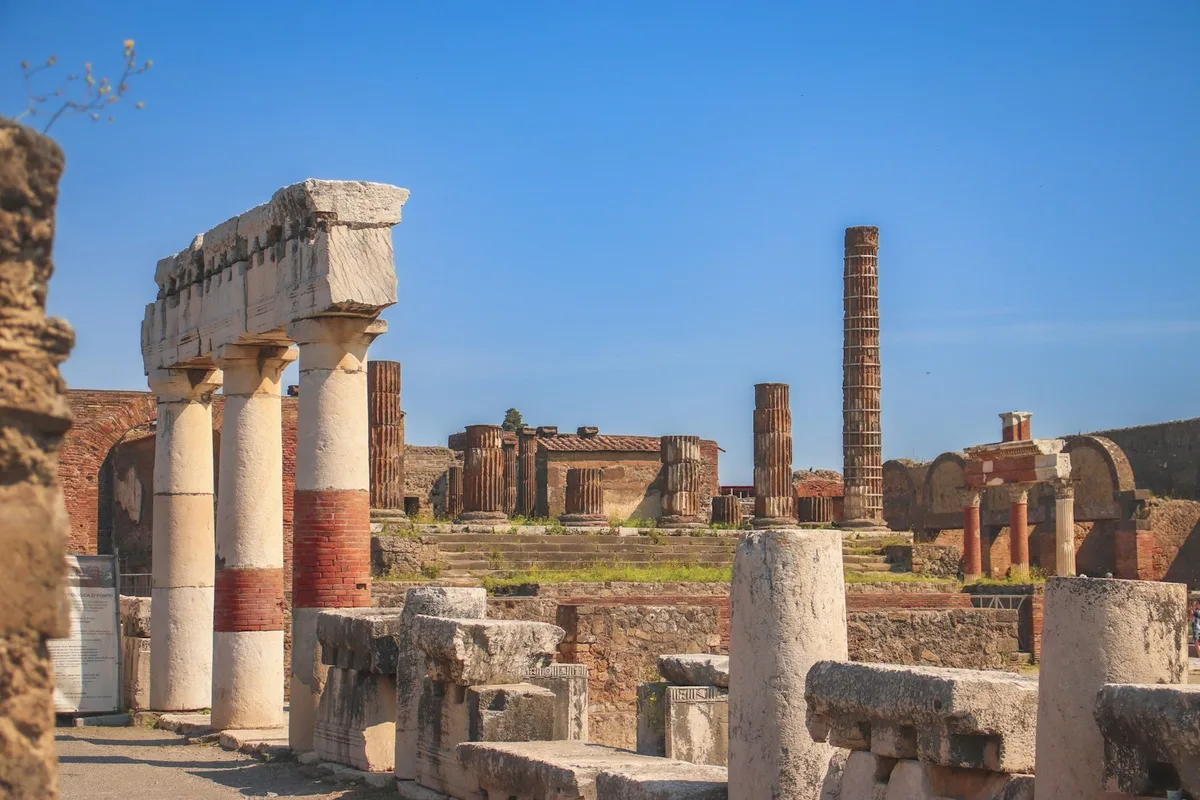
A Roman city buried and preserved by the eruption of Mount Vesuvius in 79 AD, its streets, villas, and plaster-cast victims now one of the world's best-preserved archaeological sites.
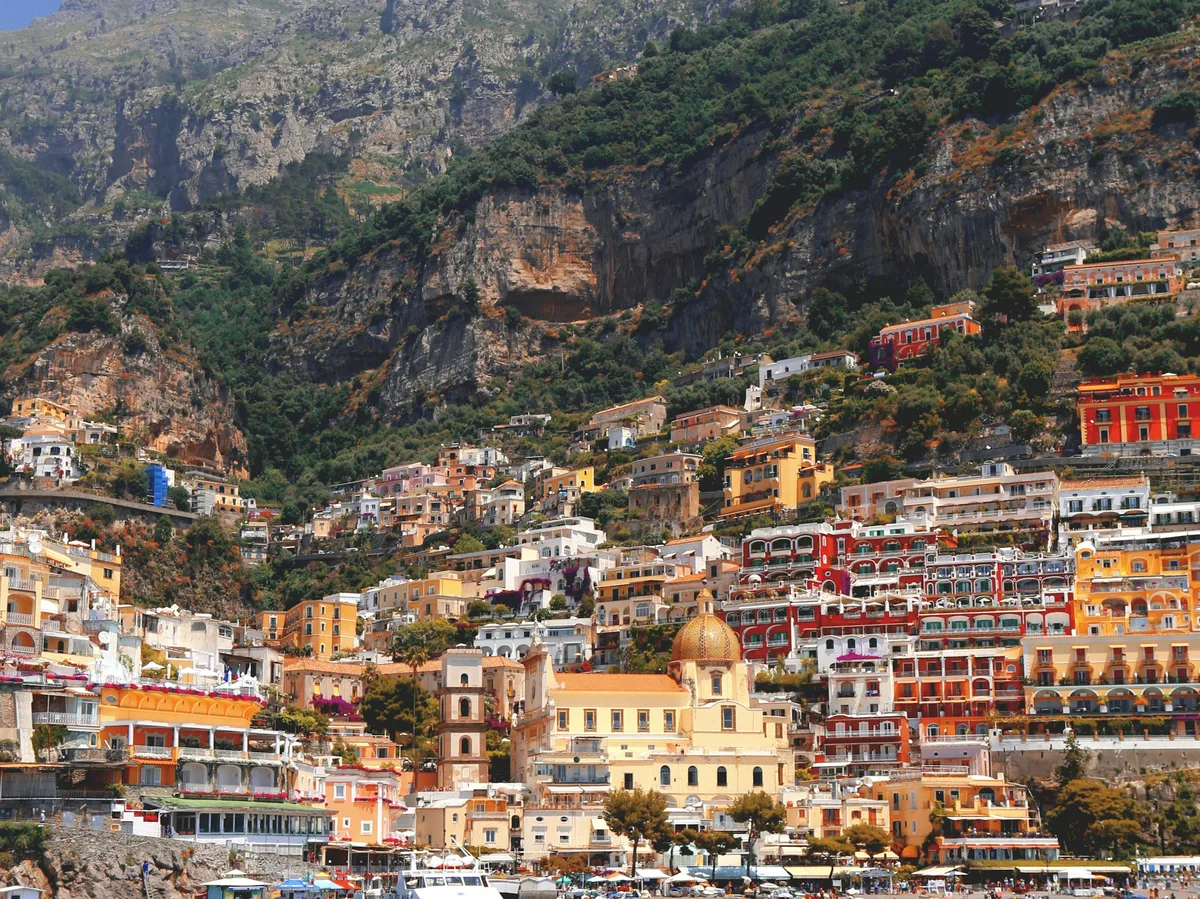 Multi-Day Tours
A 15-day grand tour from Venice's canals through Florence, the Chianti wine trail and Sorrento to the Amalfi Coast and Capri, finishing with Pompeii and Rome.
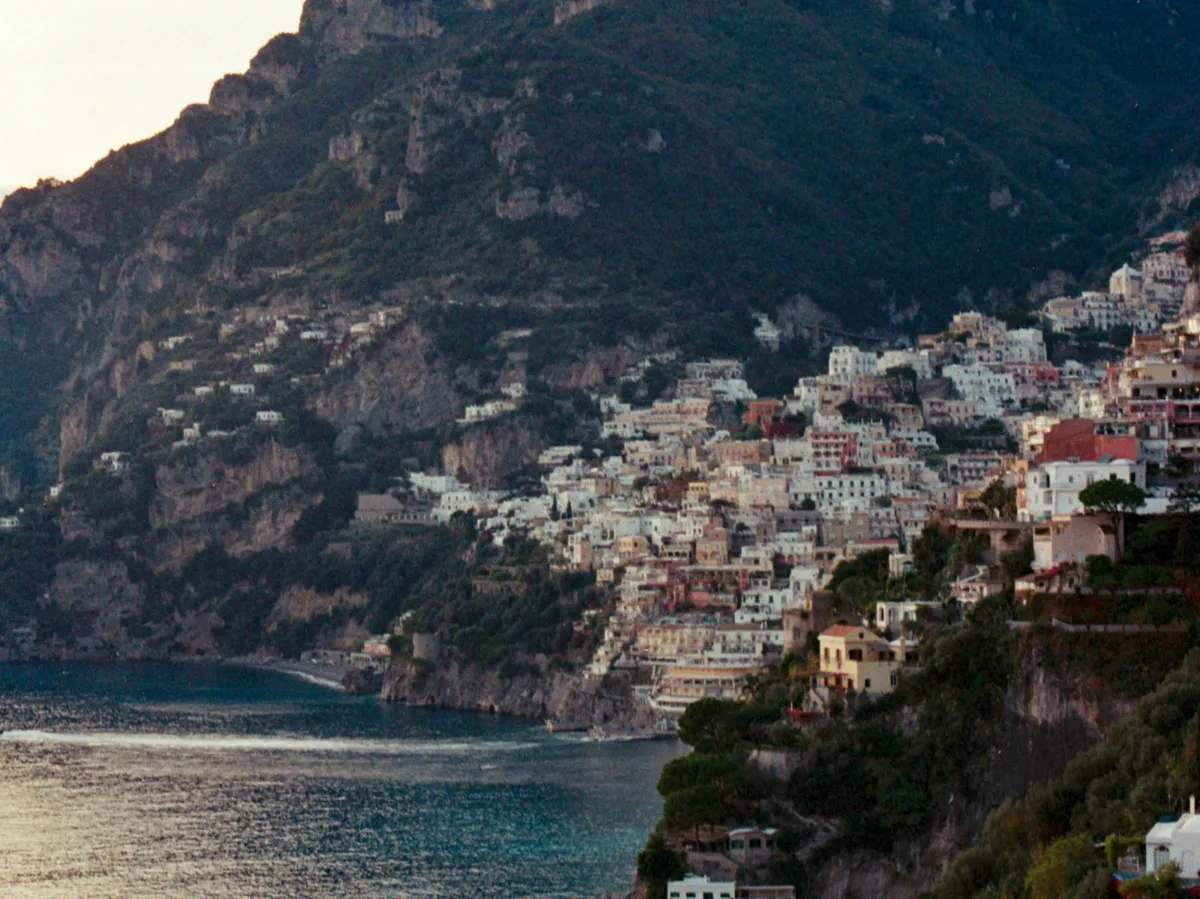 Multi-Day Tours
A 15-day honeymoon pairing the Amalfi Coast and Capri with the Greek islands of Mykonos and Milos and a finale in Athens.
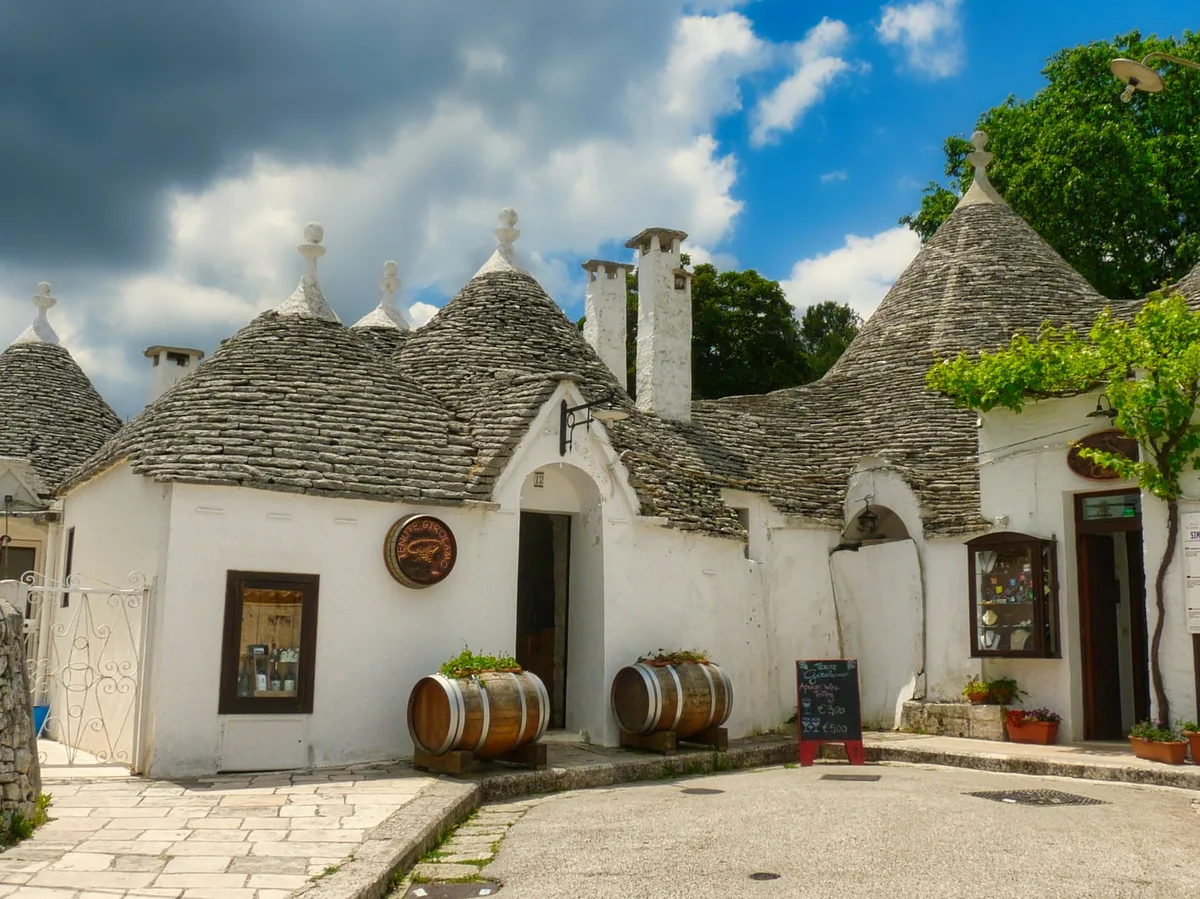 Multi-Day Tours
A 13-day journey through southern Italy — the Amalfi Coast, Matera's cave dwellings, Alberobello's trulli houses, Puglia's wine country, and Sicily's Mount Etna, Taormina and Baroque towns.
Visitor guide
Pompeii was a Roman city near Naples, in what is now the municipality of Pompei in the Campania region of Italy. Together with Herculaneum, Stabiae and many surrounding villas, it was buried under 4 to 6 metres of volcanic ash and pumice in the eruption of Mount Vesuvius in AD 79. Today it is an archaeological site and a UNESCO World Heritage Site.
According to Wikipedia, the first stable settlements on the site date to the 8th century BC, when the Oscans founded five villages in the area. The settlement later came under Greek and Etruscan influence and in the 5th century BC passed to the Samnites, who gradually imposed their architecture and enlarged the town. Pompeii entered the Roman orbit during the Samnite Wars and stayed loyal to Rome during the Second Punic War.
In 89 BC the town, which had rebelled in the Social Wars, was besieged by Sulla, and the impact craters of ballista shots can still be seen in the walls near the Herculaneum Gate. It then became a Roman colony, and its people were granted Roman citizenship and quickly assimilated. A severe earthquake on 5 February AD 62 damaged the town considerably, and rebuilding was still under way when Vesuvius erupted in AD 79.
Pompeii was a wealthy town of an estimated 10,000 to 20,000 residents when it was destroyed. It had fine public buildings and luxurious private houses with lavish decoration, as well as hundreds of homes and businesses reflecting different social classes. Because the ash sealed in organic remains, archaeologists have been able to recreate the shapes of victims in their final moments. When excavators found voids in the ash left by decomposed bodies, Giuseppe Fiorelli, who took charge of the excavations in 1863, devised the technique of injecting plaster into them. A clear resin is now used instead because it is more durable and allows further study of the bones.
Graffiti carved on walls inside and outside buildings provide examples of the colloquial Vulgar Latin spoken at the time, which contrasts with the formal language of classical writers. Fiorelli also divided the city into the nine regions and blocks used today, and numbered the entrances of individual houses.
After the eruption, the site was reoccupied by survivors as a small informal settlement until the fifth century, and its name and location were then forgotten. It came to be known as La Civita. The next known time part of it was unearthed was in 1592, when the architect Domenico Fontana dug an underground aqueduct through the site and found walls covered with paintings and inscriptions, though he kept the finding secret. Major excavations did not begin until the mid-18th century, which Wikipedia describes as marking the emergence of modern archaeology.
Early efforts were haphazard or marred by looting. By 1960 most of the city had been uncovered but left to decay, so further major excavations were banned or limited to targeted areas, and since 2018 efforts have led to new discoveries in some previously unexplored parts of the city.
UNESCO describes Pompeii as the only archaeological site in the world that provides a complete picture of an ancient Roman city, according to Wikipedia, and it was declared a World Heritage Site in 1997. It has been a popular destination for over 250 years and was on the Grand Tour. It is part of a larger Vesuvius National Park, and the site's management has introduced measures such as personalised tickets and timed entry to cope with visitor numbers.
The site is large and mostly open-air, so a private guided visit with a driver can help you focus on the forum, houses and streets that interest you rather than trying to cover everything.
See every tour and attraction we cover in Italy.