TorontoOntario · 36 tours
 Niagara FallsOntario · 25 tours
 New York CityNew York · 30 tours
 Las VegasNevada · 8 tours
 San FranciscoCalifornia · 16 tours
 VancouverBritish Columbia · 17 tours
 DubaiUAE · 54 tours
 Abu DhabiUAE · 5 tours
 Buenos AiresArgentina · 23 tours
 AthensGreece · 31 tours
 AucklandNew Zealand · 38 tours
 CancunMexico · 54 tours
No destinations match “”. Try searching all tours instead — that search understands full questions, not just place names.
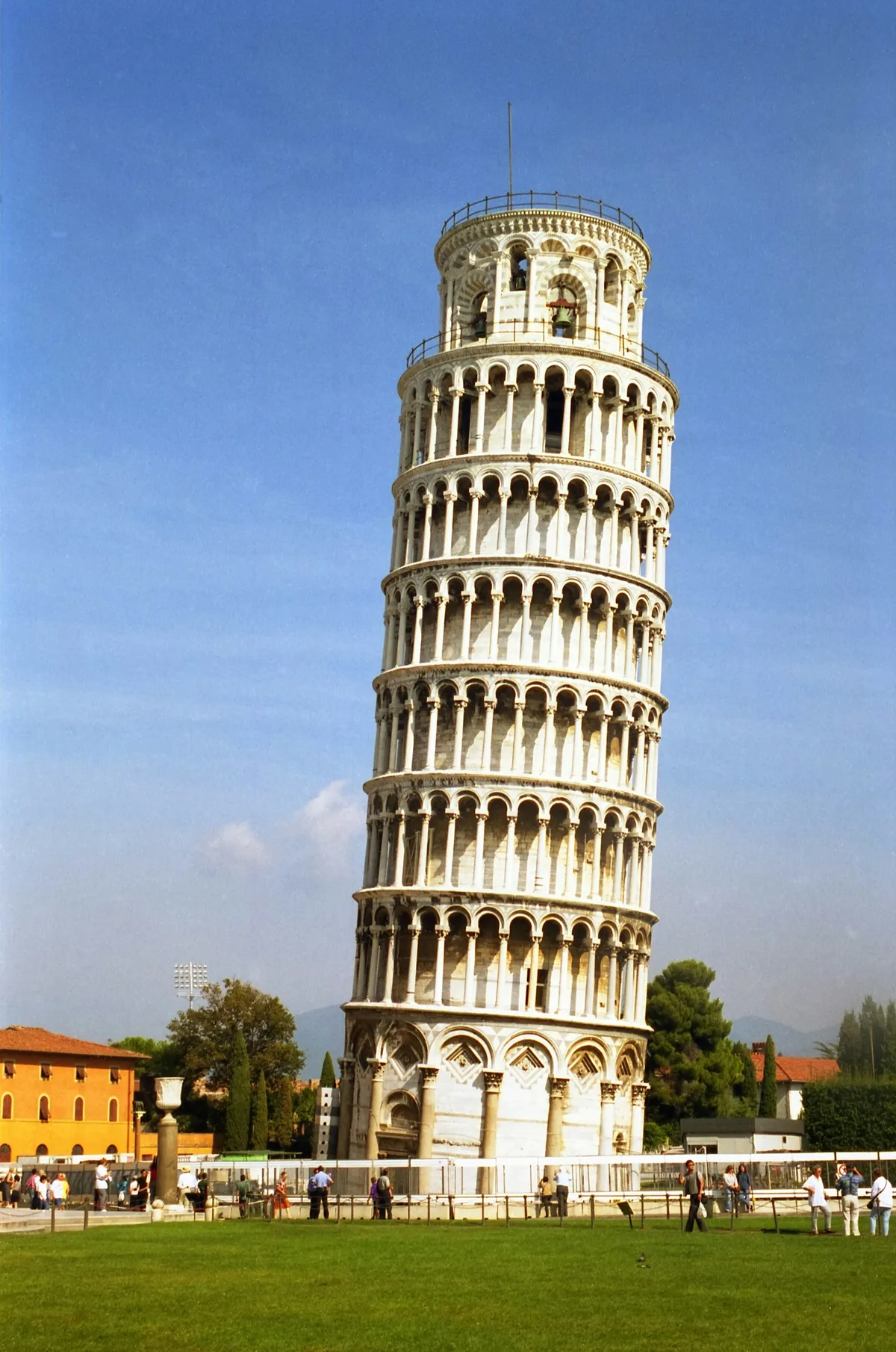
The freestanding bell tower of Pisa's cathedral, tilting several degrees off vertical due to unstable subsoil beneath it since construction began in 1173.
 Multi-Day Tours
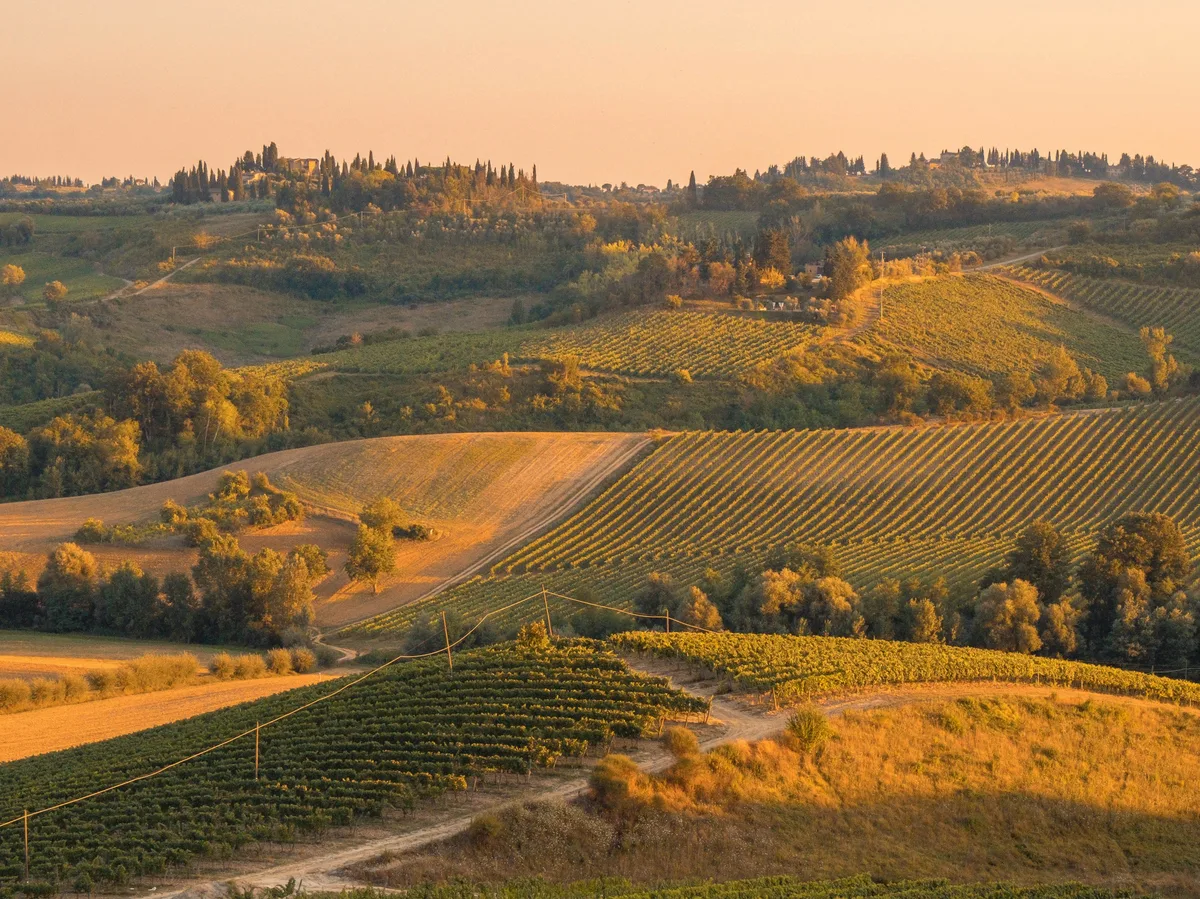
An 8-day immersion in Tuscany's art, wine and history — from Florence's galleries through Chianti and Montalcino's vineyards to Siena, San Gimignano, Volterra, Pisa and Lucca.
 Multi-Day Tours
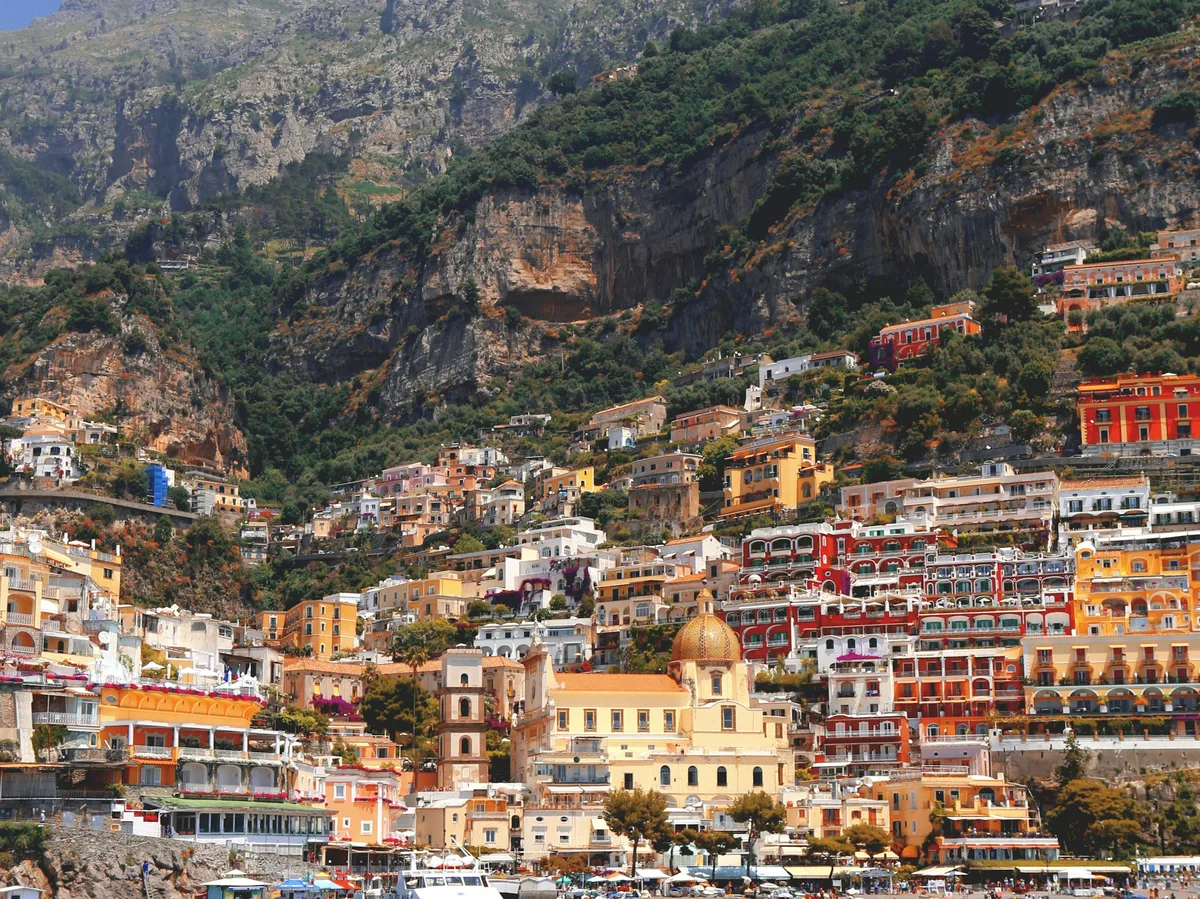
A 15-day grand tour from Venice's canals through Florence, the Chianti wine trail and Sorrento to the Amalfi Coast and Capri, finishing with Pompeii and Rome.
 Multi-Day Tours
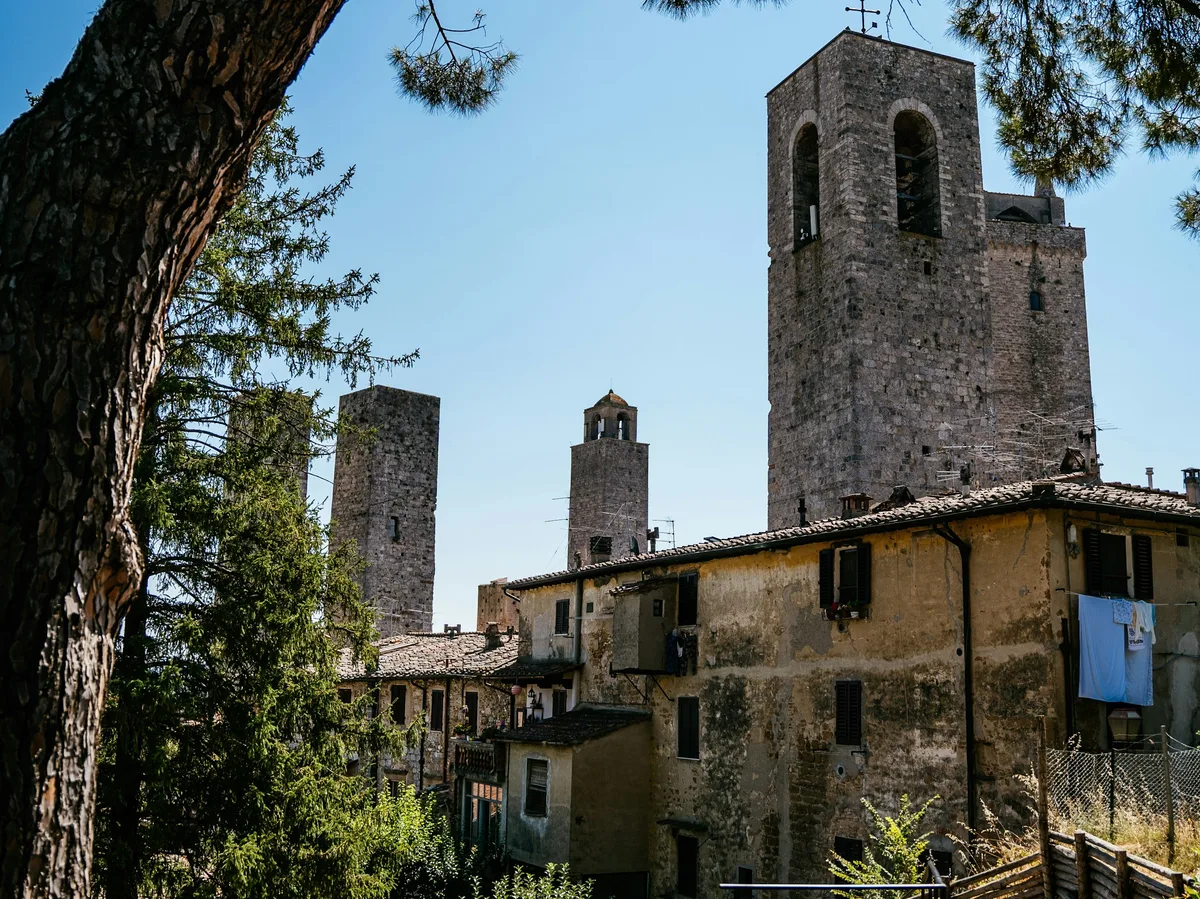
An 8-day Tuscan retreat based at a private villa with pool near San Gimignano — Siena, a Florence cooking class, Montalcino wine and Bagno Vignoni's hot springs, Pisa and Lucca.
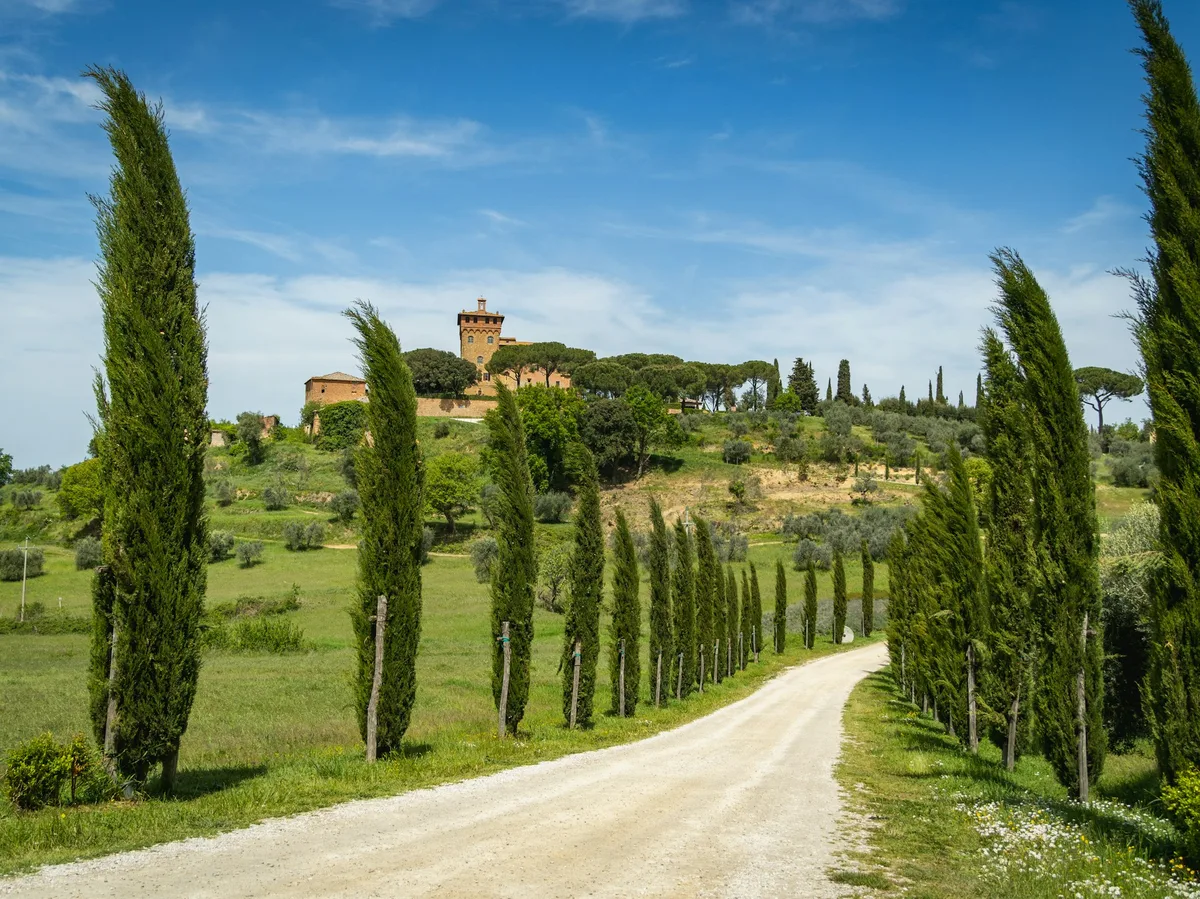 Multi-Day Tours
A 16-day journey from Rome's ancient sites through Florence and Tuscany's wine country, then across to Andalusia's Alhambra, Cordoba's Mezquita and Seville's flamenco, finishing in Madrid.
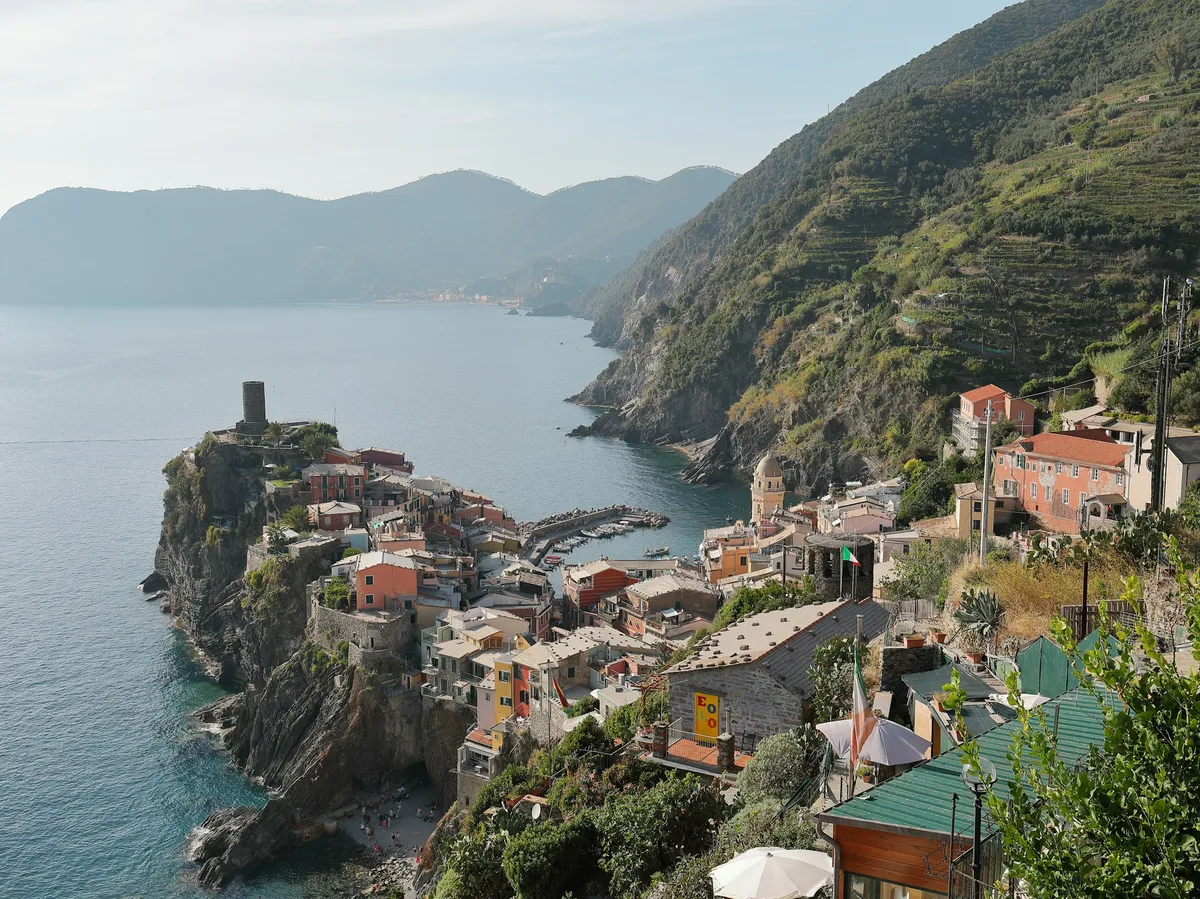 Multi-Day Tours
A 15-day luxury honeymoon through Venice, Lake Garda, the Italian Riviera and Cinque Terre, Florence and Tuscany, Rome, Capri and the Amalfi Coast.
Visitor guide
The Leaning Tower of Pisa is the campanile, or freestanding bell tower, of Pisa Cathedral in Tuscany, Italy. It is known for its lean of nearly four degrees, the result of an unstable foundation. The tower is one of three structures in Pisa's Cathedral Square, alongside the cathedral and the baptistery.
According to Wikipedia, construction took place in three stages over 199 years. The foundations were laid on 9 August 1173, and work began on the ground floor, a blind arcade of engaged columns with Corinthian capitals, in a period of military success and prosperity. In 1178 the tower began to sink after construction had reached the second floor, because it stood on a foundation only about three metres deep in weak, unstable subsoil.
Building then stopped for the better part of a century as the Republic of Pisa fought Genoa, Lucca and Florence. Wikipedia suggests this pause allowed the soil to settle, and that otherwise the tower would almost certainly have toppled. Work resumed in 1272, and the builders tried to compensate for the tilt by making one side of the upper floors taller than the other, which is why the tower is slightly curved. The seventh floor was completed in 1319 and the bell chamber was added in 1372, with seven bells, one for each note of the major scale.
Who designed the tower is a matter of controversy. It was long attributed to Guglielmo and to Bonanno Pisano, but a 2001 study suggested Diotisalvi, based on the timing of construction and similarities with his other Pisan works. The tower stands 55.86 metres high on the low side and 56.67 metres on the high side, with walls 2.44 metres thick at the base and a weight estimated at 14,500 tonnes. It has 296 or 294 steps, depending on the staircase.
Galileo Galilei, who lived in Pisa, is said to have dropped cannonballs of different masses from the tower between 1589 and 1592. Wikipedia notes the primary source is a biography by his pupil Vincenzo Viviani, written in 1654 but published in 1717, long after Galileo's death, so the story should be treated as tradition. In World War II, a US Army sergeant sent to check whether the tower was being used as a German observation post reportedly refrained from calling in an artillery strike, sparing it.
Many attempts to straighten the tower failed, and some worsened the tilt. By 1990 the tilt had reached 5.5 degrees, and the tower was closed to the public. Between 1993 and 2001 remedial work, including the addition of 870 tonnes of lead counterweights, reduced the tilt to 3.97 degrees. It was considered important to keep some lean, since it plays such a role in Pisa's tourism.
The tower, with the neighbouring cathedral, baptistery and cemetery, is part of the Piazza del Duomo UNESCO World Heritage Site, declared in 1987. Wikipedia reports that the tower receives over five million visitors each year. The Cathedral Square is compact and lies in the northwest of the city, so a private guided visit with a driver can fit the tower, cathedral and baptistery into a relaxed stop on a longer Tuscany route.
See every tour and attraction we cover in Italy.