TorontoOntario · 36 tours
 Niagara FallsOntario · 25 tours
 New York CityNew York · 30 tours
 Las VegasNevada · 8 tours
 San FranciscoCalifornia · 16 tours
 VancouverBritish Columbia · 17 tours
 DubaiUAE · 54 tours
 Abu DhabiUAE · 5 tours
 Buenos AiresArgentina · 23 tours
 AthensGreece · 31 tours
 AucklandNew Zealand · 38 tours
 CancunMexico · 54 tours
No destinations match “”. Try searching all tours instead — that search understands full questions, not just place names.
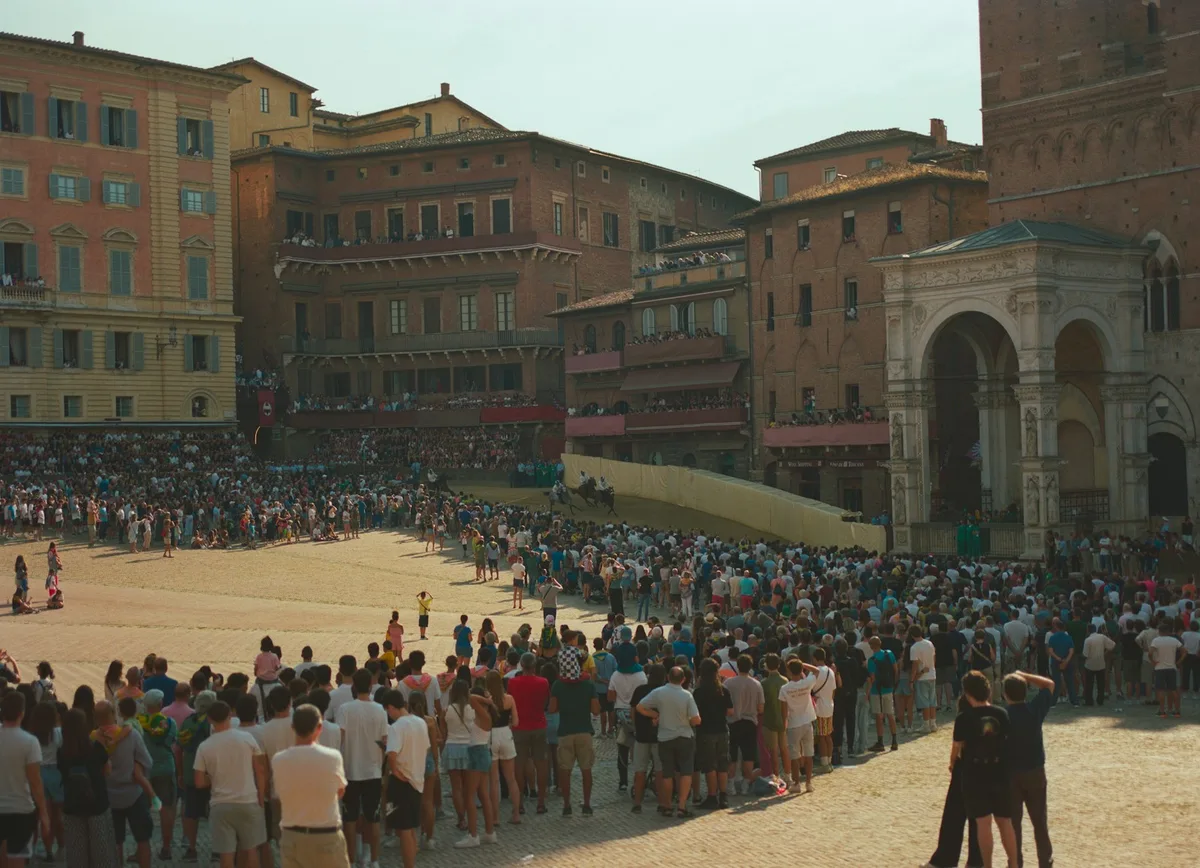
Siena's shell-shaped medieval main square, ringed by Gothic palaces and twice a year transformed into the track for the Palio horse race.
 Multi-Day Tours
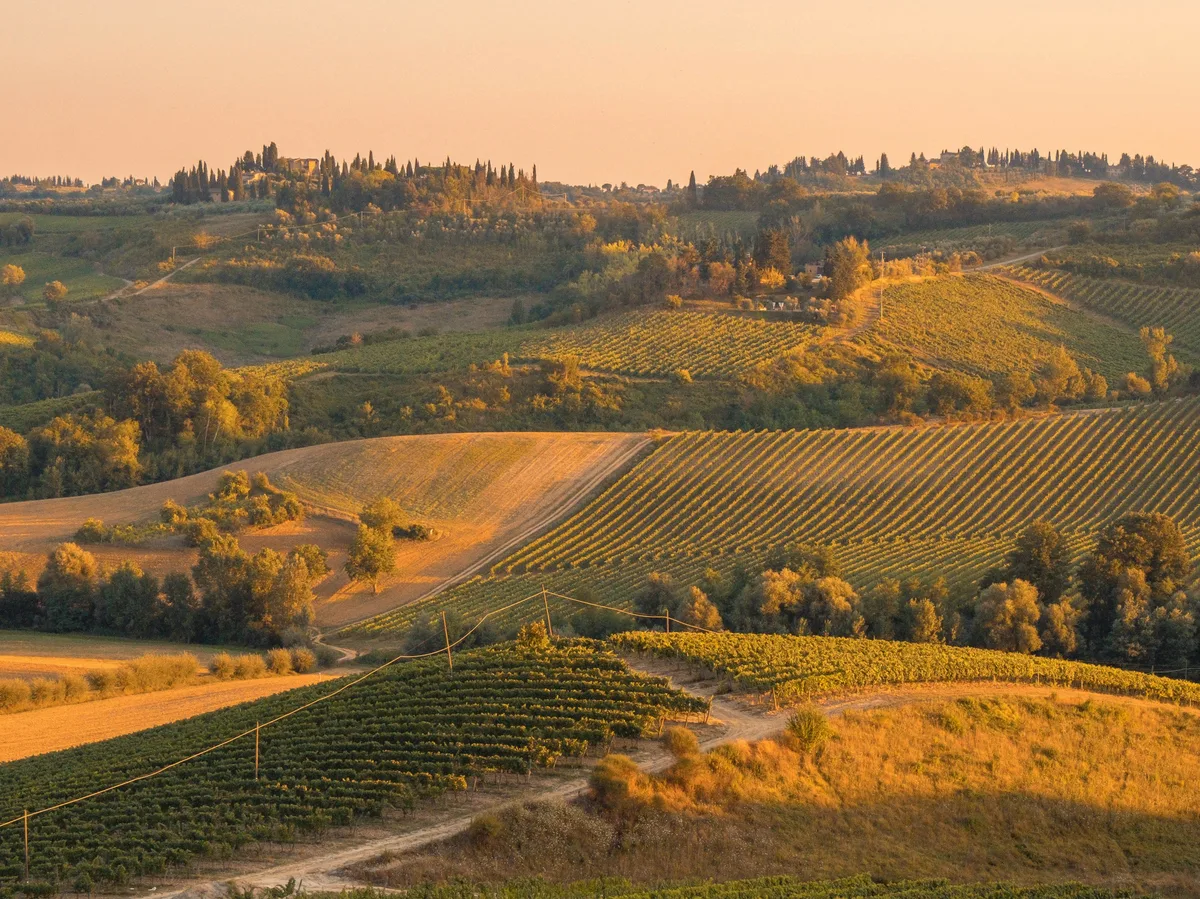
An 8-day immersion in Tuscany's art, wine and history — from Florence's galleries through Chianti and Montalcino's vineyards to Siena, San Gimignano, Volterra, Pisa and Lucca.
 Multi-Day Tours
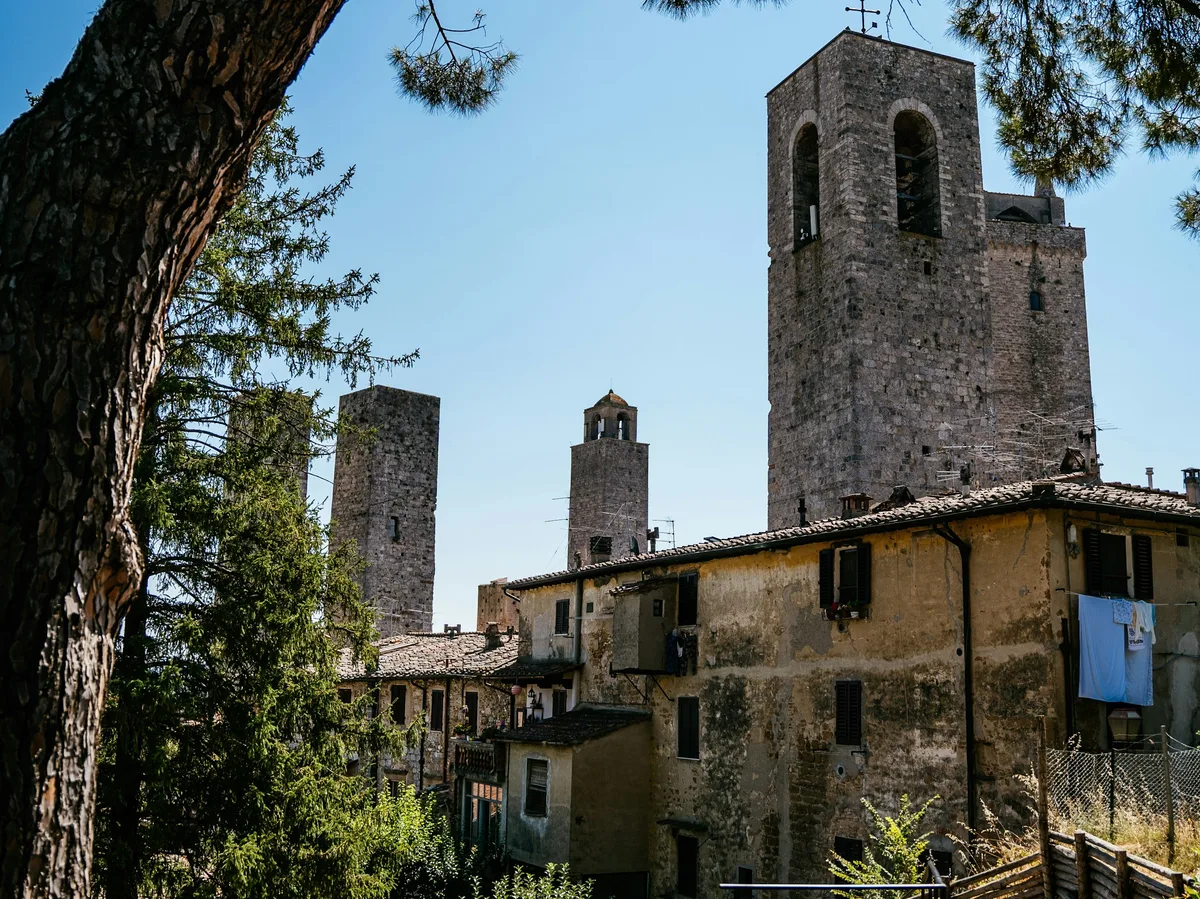
An 8-day Tuscan retreat based at a private villa with pool near San Gimignano — Siena, a Florence cooking class, Montalcino wine and Bagno Vignoni's hot springs, Pisa and Lucca.
 Multi-Day Tours
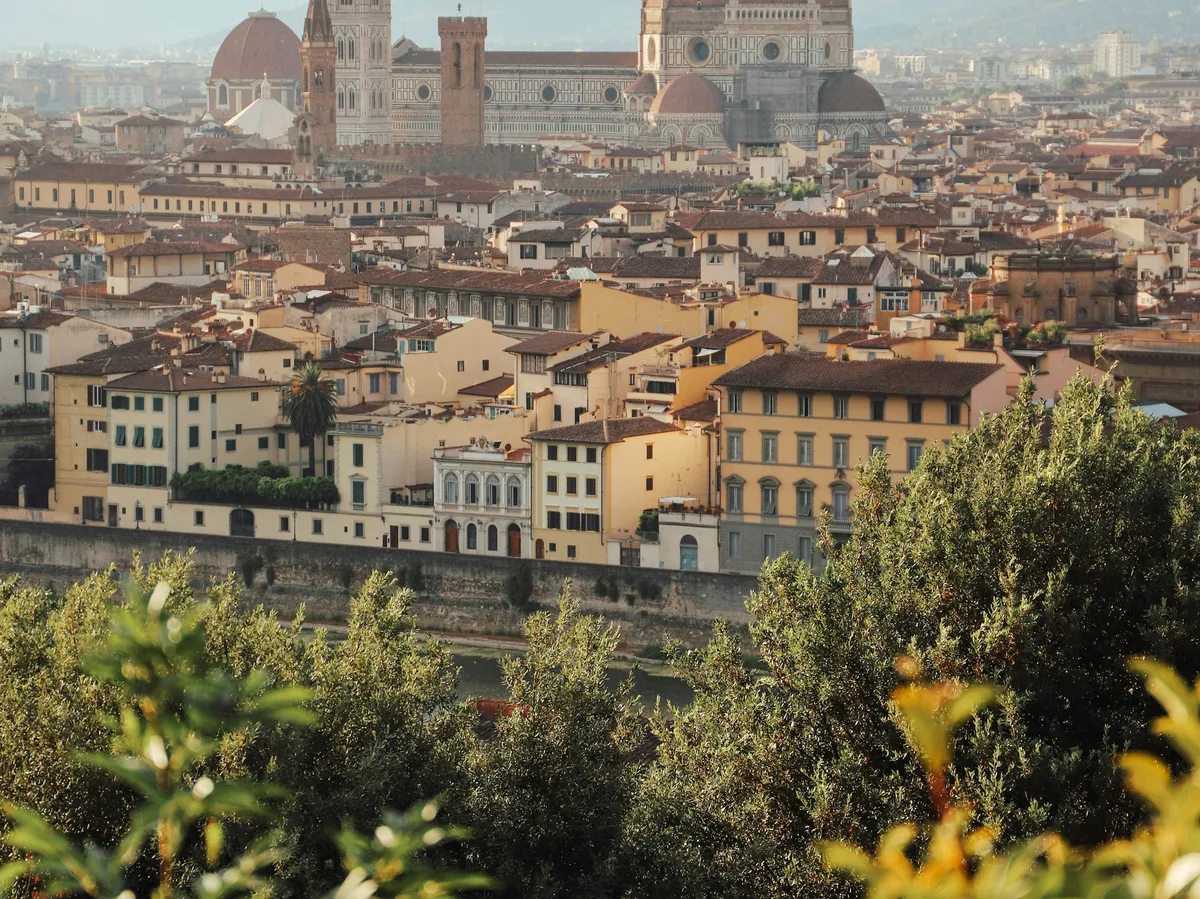
A relaxed 10-day mix of Florence's galleries and markets with Chianti's vineyards and medieval towns — the Uffizi, a Tuscan cooking class, Montepulciano, Siena and San Gimignano.
 Multi-Day Tours
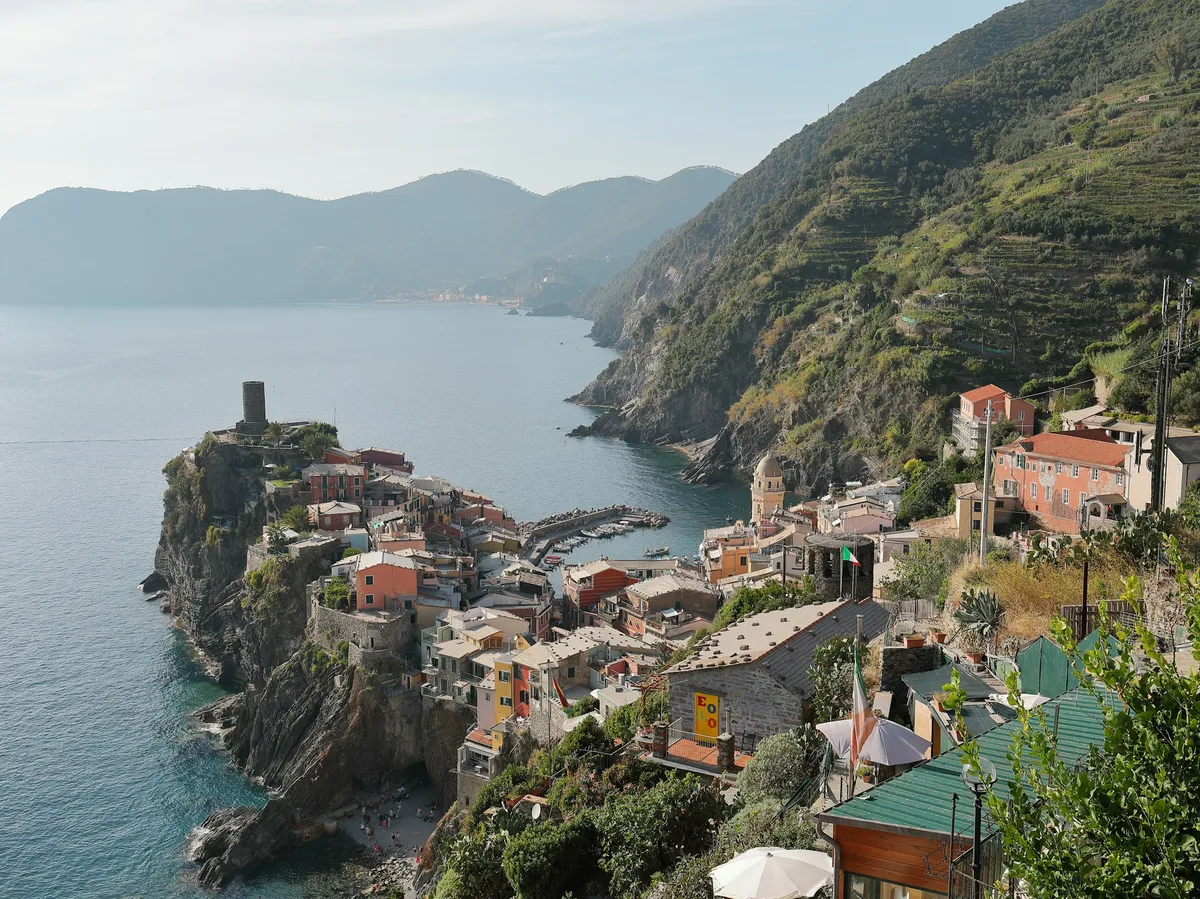
A 15-day luxury honeymoon through Venice, Lake Garda, the Italian Riviera and Cinque Terre, Florence and Tuscany, Rome, Capri and the Amalfi Coast.
Visitor guide
Piazza del Campo is the main public space of the historic centre of Siena, a city in Tuscany, Italy. It is regarded as one of Europe's greatest medieval squares and is known for its scallop-shell shape. The Palazzo Pubblico and its tower, the Torre del Mangia, stand at its lowest point, and the square forms part of the Historic Centre of Siena, a UNESCO World Heritage Site.
According to Wikipedia, the open site existed before the thirteenth century on sloping ground near where the three hillside communities that formed Siena met: Castellare, San Martino and Camollia. It became a marketplace and a gathering place for games and races. Siena was a wealthy, self-governing city-state in competition with Florence, and by 1169 the Campo was being organised for construction. The square was fully paved in 1349, with eight lines dividing it into nine sections, a number often taken to symbolise the rule of the Nine, the Noveschi, who governed Siena between 1292 and 1355.
The piazza measures about 425 by 650 feet, large by medieval standards, and was said to be big enough to hold the entire population of the time, about 50,000 people. Wikipedia notes that the Campo does not stand on the site of a Roman forum, as is sometimes suggested.
The palaces around the square housed families who governed the city, including the Sansedoni, Piccolomini and Saracini. Their homes have unified rooflines, deliberately built to show decorum in contrast to the tall tower houses seen as emblems of communal strife, which can still be seen at nearby San Gimignano. City statutes required new buildings along public thoroughfares to line up with existing ones, and brick was a commune monopoly, helping to keep the walls uniform.
The paving is red brick laid in a herringbone pattern in nine wedges, bordered by travertine, and the whole square slopes downward by roughly fifteen feet toward the Palazzo Pubblico. The nine wedges meet at the lowest point, where a stone-framed drain called the Gavinone collects rainwater. The narrow, winding streets reveal little of the square until you enter it through one of its access points, creating a contrast of compression and release.
At the upper edge stands the Fonte Gaia, the Joyous Fountain, built in 1419 as the endpoint of a system of conduits bringing water to the city centre. It was designed by Jacopo della Quercia, whose original bas-reliefs are now kept in the Ospedale di Santa Maria della Scala, and the present fountain carries copies made by Tito Sarrocchi in 1866. At the foot of the Palazzo Pubblico wall is a late Gothic chapel built by the Sienese as a votive offering after the Black Death of 1348 ended.
The Campo is the setting for the Palio di Siena, a horse race held twice a year around the edges of the piazza, and it is the finish of the Strade Bianche cycling race. Wikipedia calls it the focal point of public life in the city. Visitors often sit on the brick as if it were a lawn.
The square is entered on foot from narrow lanes, so a private guided visit with a driver can handle the approach to the historic centre while you spend your time on the square, the tower and the Palazzo Pubblico.
See every tour and attraction we cover in Italy.