TorontoOntario · 36 tours
 Niagara FallsOntario · 25 tours
 New York CityNew York · 30 tours
 Las VegasNevada · 8 tours
 San FranciscoCalifornia · 16 tours
 VancouverBritish Columbia · 17 tours
 DubaiUAE · 54 tours
 Abu DhabiUAE · 5 tours
 Buenos AiresArgentina · 23 tours
 AthensGreece · 31 tours
 AucklandNew Zealand · 38 tours
 CancunMexico · 54 tours
No destinations match “”. Try searching all tours instead — that search understands full questions, not just place names.
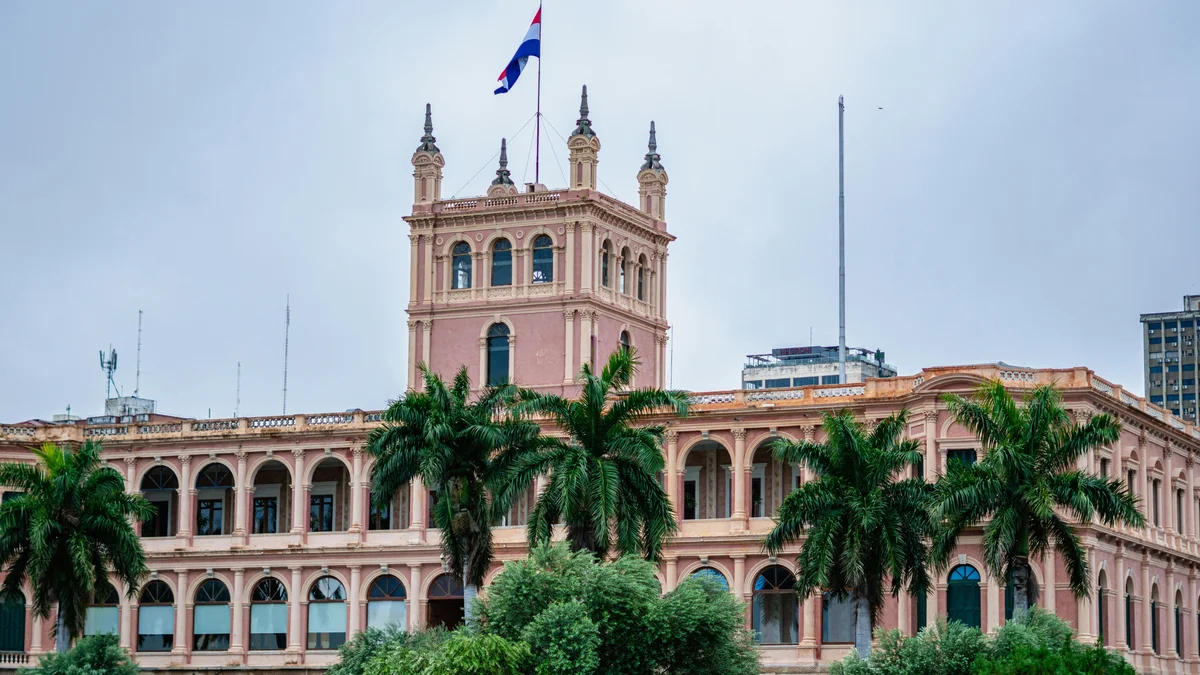
Paraguay's capital and the oldest continuously inhabited city in the Río de la Plata region, founded in 1537. Its historic center holds the pink Palacio de López presidential palace, the Panteón Nacional de los Héroes memorial, and the Museo del Barro's collection of Paraguayan folk art and ceramics.
 Multi-Day Tours
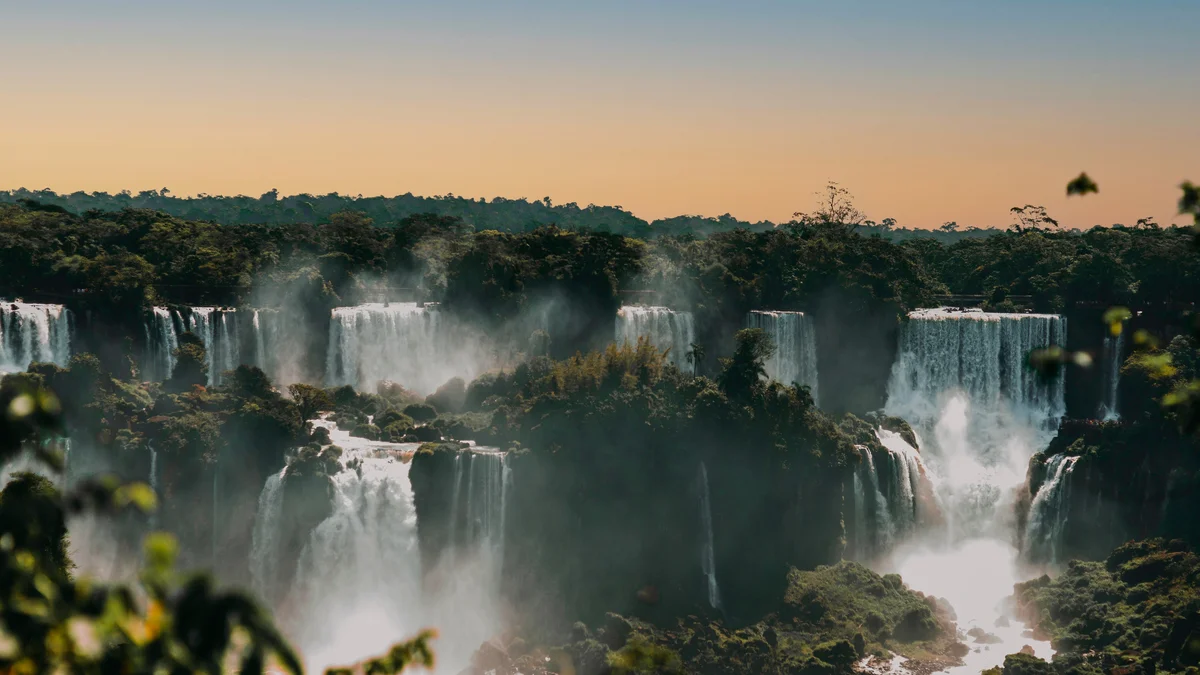
A comprehensive, custom-paced circuit through Paraguay's real highlights — colonial Asunción, the artisan towns of the Golden Circuit, the UNESCO Jesuit mission ruins, the Itaipu Dam, and a finish at Iguazu Falls.
 Multi-Day Tours
A focused private trip from Asunción through Paraguay's colonial mission towns and UNESCO-listed Jesuit ruins, finishing with a full day at Iguazu Falls.
 Multi-Day Tours
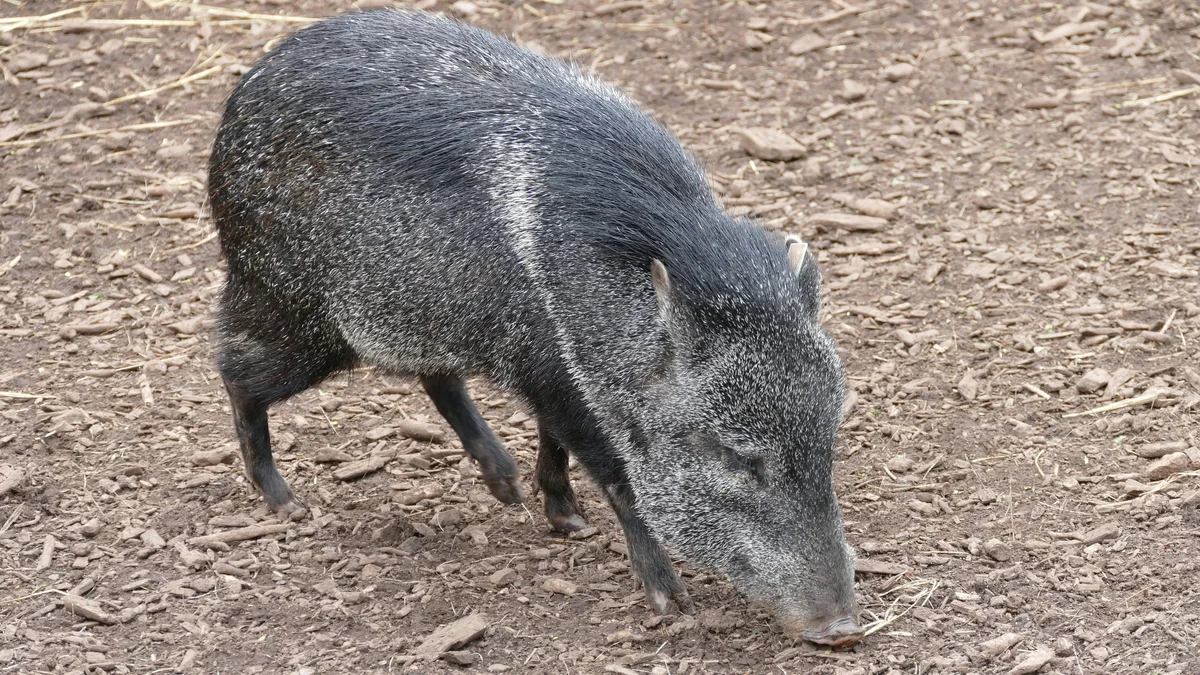
A private trip deep into the Paraguayan Chaco — one of South America's most remote wildernesses — visiting real Mennonite colonies, Chaco War battle sites, and native wildlife reserves.
Visitor guide
Asuncion Historic Center is the old downtown of Asuncion, the capital of Paraguay, on the eastern bank of the Paraguay River. It holds the national pantheon, the presidential palace, the cathedral and the house where independence was planned, and its story traces back to a fort founded in 1537.
Wikipedia says Juan de Salazar de Espinosa founded a fort on 15 August 1537, the feast of the Assumption of Mary, and named it Nuestra Senora Santa Maria de la Asuncion. The city is nicknamed the Mother of Cities because Spanish expeditions set out from it to found other places, including the second founding of Buenos Aires, Villarrica, Corrientes, Santa Fe, Cordoba and Santa Cruz de la Sierra. It is described as one of the oldest cities in South America. Its relations with the Guarani shaped early society.
Independence leaders met secretly at the home of Juana Maria de Lara in downtown Asuncion. On the night of 14 and 15 May 1811, rebels forced Governor Bernardo de Velasco to surrender. The house is now the Casa de la Independencia, a museum. In the nineteenth century Asuncion was affected by the Paraguayan War of 1864 to 1870, and Brazilian forces captured the city on 1 January 1869.
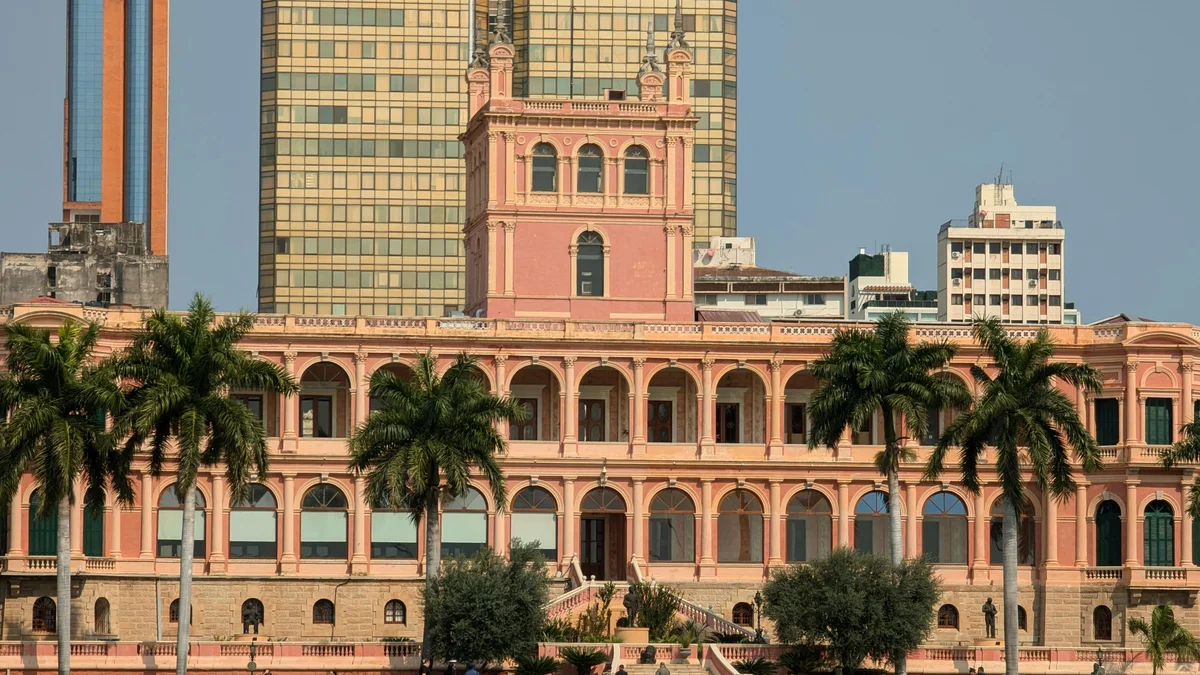
The Palacio de los Lopez is a neoclassical building overlooking Asuncion Bay. Wikipedia says it was ordered by Carlos Antonio Lopez, the first president under the 1844 constitution, with construction beginning in 1857 under the English architect Alonso Taylor and largely complete by 1867 according to some sources, though the presidency's own history dates its completion to 1892. Allied forces sacked the city in 1869 and occupied the building for seven years. Restoration was completed in 1894, and it has been the seat of government for much of the period since.
The Panteon Nacional de los Heroes was ordered in 1863 by Francisco Solano Lopez as a chapel to the Assumption of Mary, designed by the Italian architect Alejandro Ravizza. It was left unfinished after the Paraguayan War and was inaugurated as the pantheon on 12 October 1936, after the Chaco War. Those buried there include Carlos Antonio Lopez, Francisco Solano Lopez and the Chaco War commander Jose Felix Estigarribia. A ceremonial changing of the guard takes place at the building.
The city lies on the east bank of the Paraguay River, with irregular terrain traditionally described as seven hills. Asuncion Bay lies close to the old town and is an important stopover for migratory birds. The climate is humid subtropical, with very hot, humid summers.
The historic centre is compact and best explored on foot between its main sights, with a private vehicle and driver helping with the longer stretches and the heat of summer. A guide can explain the layers of colonial, independence-era and postwar history, and details of what is open on a given day are best checked in advance.
See every tour and attraction we cover in Paraguay.