TorontoOntario · 36 tours
 Niagara FallsOntario · 25 tours
 New York CityNew York · 30 tours
 Las VegasNevada · 8 tours
 San FranciscoCalifornia · 16 tours
 VancouverBritish Columbia · 17 tours
 DubaiUAE · 54 tours
 Abu DhabiUAE · 5 tours
 Buenos AiresArgentina · 23 tours
 AthensGreece · 31 tours
 AucklandNew Zealand · 38 tours
 CancunMexico · 54 tours
No destinations match “”. Try searching all tours instead — that search understands full questions, not just place names.
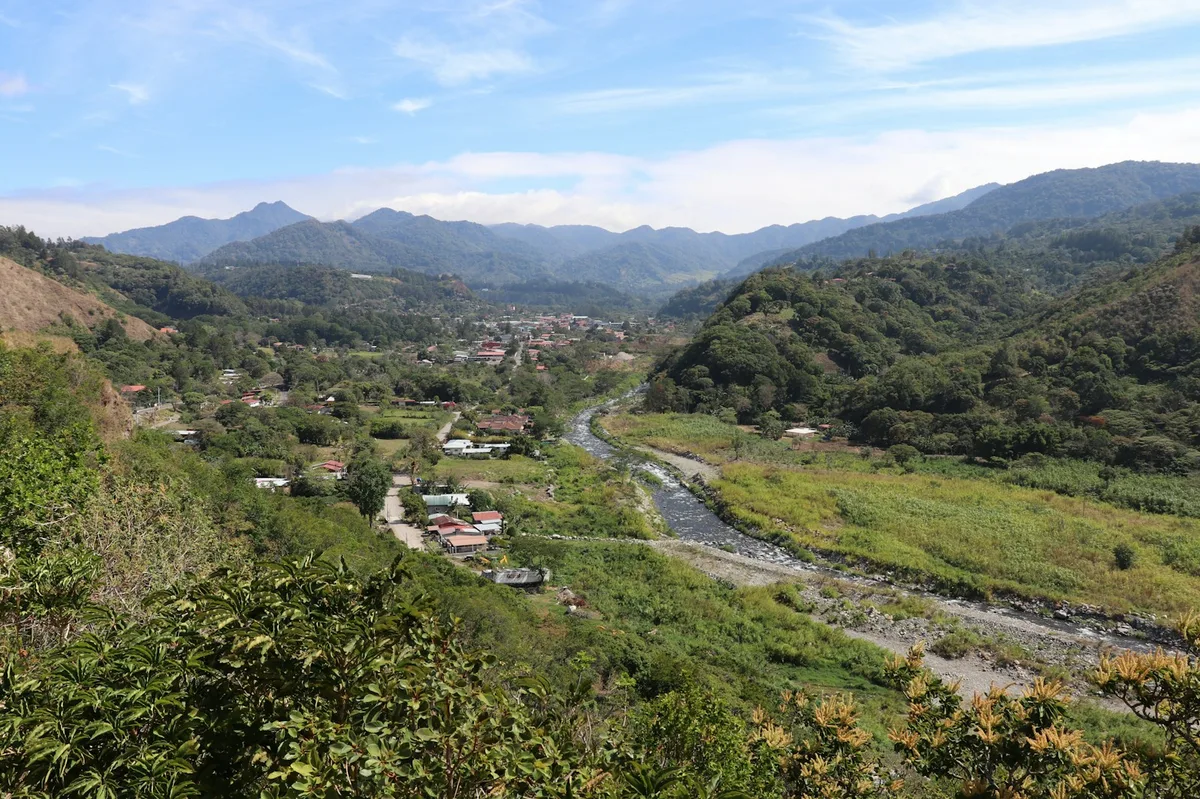
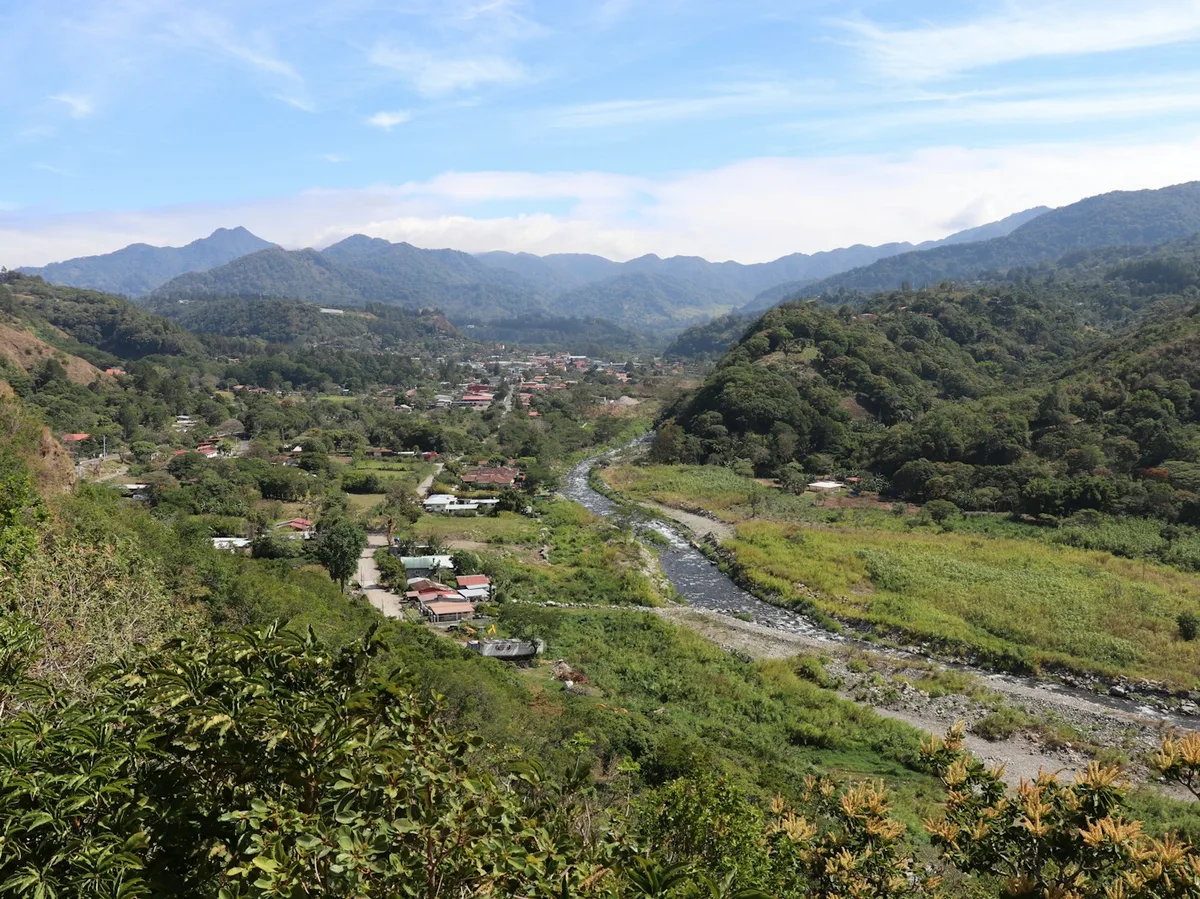
A cool, mountainous coffee-growing region in Chiriquí province, with cloud-forest hikes in Baru Volcano National Park and views over the highlands.
Visitor guide
The Boquete Highlands are a cool, mountainous coffee-growing area in Chiriqui Province in western Panama, centred on the town of Boquete on the Caldera River. The district lies on the slopes of Volcan Baru, Panama's highest peak, and is known for its cloud-forest trails, flower gardens and coffee farms.
According to Wikipedia, Boquete is about 60 kilometres from the Costa Rican border at roughly 1,200 metres above sea level, within a district whose elevation runs from about 1,000 to 2,800 metres. The name is Spanish for gap or opening and refers to a route used by gold seekers toward the Pacific. The district was founded on 11 April 1911. Petroglyphs in the Caldera region are evidence of ancient settlement, and the terrain made the highlands a refuge for Indigenous groups such as the Ngobe. Serious colonisation began in the second half of the nineteenth century with settlers from nearby towns, Europe and later the United States.
Agriculture, especially coffee, remains the main industry despite growing tourism. Early American settlers established the first coffee plantations, and traditional coffee drying is still practised at some mills in the area. The cool climate, classified as oceanic or subtropical highland, with temperatures commonly between about 14 and 22 degrees Celsius, suits coffee growing. Average annual rainfall is around 2,442 millimetres, with the wettest months roughly September and October and the driest around February.
Volcan Baru rises to about 3,475 metres and is the highest point in Panama. It is a stratovolcano whose last eruption is dated to around 1550 years before present, and Wikipedia says its summit can be reached with a guide, with the Pacific and Caribbean visible on rare clear days. Volcan Baru National Park, declared in 1976, covers about 14,325 hectares of humid montane forest and is part of the Mesoamerican Biological Corridor. More than 250 bird species have been recorded, and the Sendero Los Quetzales trail links Boquete with Cerro Punta on the far side, taking around six hours. The resplendent quetzal is a sought-after sighting on tours. The squirrel Microsciurus boquetensis is named after the town because its first specimen was collected there.
The district had about 23,562 inhabitants at the 2023 census, and roughly 14 percent of residents are of foreign origin, with Americans and Canadians forming the largest group of the more than 3,000 permanent residents from over 30 countries. The annual Boquete Jazz and Blues Festival began in 2007, the Flowers and Coffee Fair (Feria de las Flores y del Cafe) is held each January, and a weekly Tuesday market is a gathering point for locals and residents from abroad.
Visitors typically combine a coffee-farm visit, a forest walk and time in the town. Mist and rain are common, so layers are sensible. A private guided visit with a driver suits the winding mountain roads and lets a guide point out birds and plants on the trails.
See every tour and attraction we cover in Panama.