TorontoOntario · 36 tours
 Niagara FallsOntario · 25 tours
 New York CityNew York · 30 tours
 Las VegasNevada · 8 tours
 San FranciscoCalifornia · 16 tours
 VancouverBritish Columbia · 17 tours
 DubaiUAE · 54 tours
 Abu DhabiUAE · 5 tours
 Buenos AiresArgentina · 23 tours
 AthensGreece · 31 tours
 AucklandNew Zealand · 38 tours
 CancunMexico · 54 tours
No destinations match “”. Try searching all tours instead — that search understands full questions, not just place names.
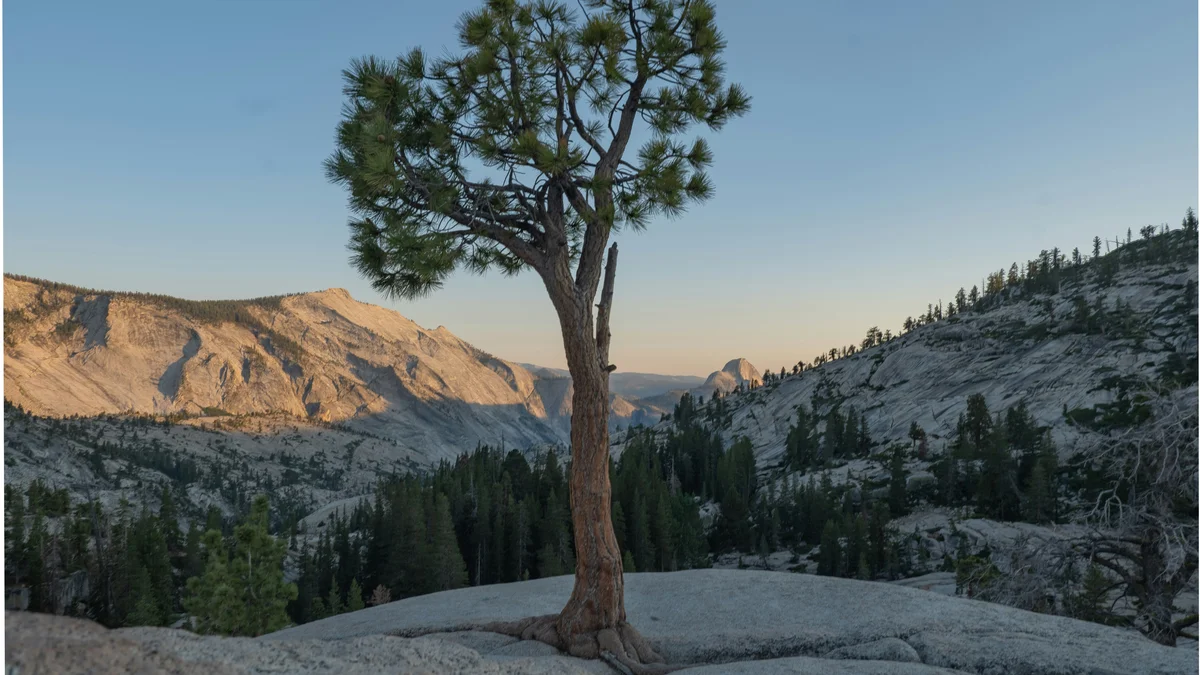
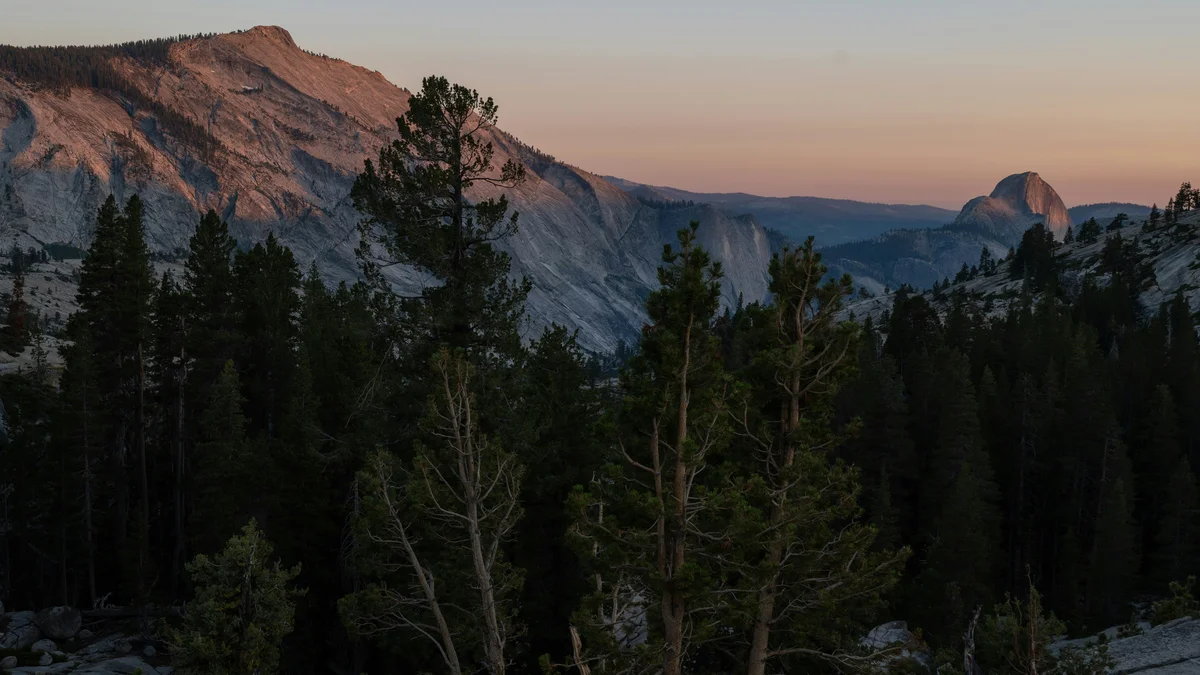
Tuolumne Meadows is a vast subalpine meadow at about 8,600 feet elevation along Tioga Road, in Yosemite's less-visited high country north of the main valley. Ringed by granite domes like Lembert Dome and Pothole Dome and fed by the Tuolumne River, it offers a completely different landscape from the valley below, open, sunlit grassland framed by bare granite peaks. Tioga Road is only open seasonally, typically from late spring or early summer through the first snows of fall, so the meadows are inaccessible by car for much of the year.
Visitor guide
Tuolumne Meadows is a broad subalpine meadow along the Tuolumne River in eastern Yosemite National Park, at roughly 8,600 feet. Ringed by granite domes and the peaks of the Cathedral Range, it is the gateway to Yosemite's high country and feels very different from the crowded valley floor. It is reached by the Tioga Road, which is open only part of the year.
The meadows receive roughly 39 inches of precipitation a year, mostly as snow, and shallow groundwater keeps the meadow green; in spring, snowmelt can flood parts of it. Wildflowers bloom in late spring and summer, and plant communities range from sedges and willow in wet areas to drier upland species. The granite here is largely the Cathedral Peak Granodiorite, which has potassium feldspar crystals up to 3 inches long. Rounded domes such as Lembert Dome and Pothole Dome stand above the meadow. Lembert Dome rises about 800 feet above the meadows to 9,455 feet, and is a roche moutonnee shaped by passing glaciers.
John Baptist Lembert took up a homestead here in 1885, and the dome bears his name. The Sierra Club built Parsons Memorial Lodge in 1915 at the northern end of the meadows, as a meeting house and library, in memory of director Edward Taylor Parsons, who died in 1914; it is on the National Register of Historic Places. The site was chosen partly for its closeness to Soda Springs, naturally carbonated water bubbling from the ground, protected by a historic log enclosure. The Park Service notes that John Muir and Robert Underwood Johnson conceived the idea of establishing Yosemite National Park here. Tioga Road was paved by the 1920s and its present route through the meadows was laid out in the 1930s by the Civilian Conservation Corps.
Many backcountry trails start here, including the main route to Mount Lyell, the John Muir Trail and the Pacific Crest Trail. Day hikes include Cathedral Lakes, Gaylor Lakes, Mono Pass and the short but steep Lembert Dome trail. Parsons Memorial Lodge is about a one-mile walk from the Lembert Dome parking area or the visitor center and is typically open in summer only. Olmsted Point, on the way, has a quarter-mile trail among glacial erratics. Climbers use the domes, which have short to medium routes on porphyritic granite.
The Park Service describes the 45.5-mile Tioga Road between Crane Flat and Tioga Pass as typically open to vehicles from late May or June until sometime in November, depending on snow. There is no gas in Tuolumne Meadows, and services may be limited early and late in the season. A shuttle serves trailheads in summer, and in winter the area can be reached only on skis or snowshoes. Check the Park Service for current road status.
A private vehicle and driver is useful on the Tioga Road, which is long and has many pullouts, with time to stop at Olmsted Point and walk the meadow boardwalk. At this altitude, mornings are cold even in summer, and afternoon thunderstorms are possible.
See every tour and attraction we cover in Yosemite National Park.