TorontoOntario · 36 tours
 Niagara FallsOntario · 25 tours
 New York CityNew York · 30 tours
 Las VegasNevada · 8 tours
 San FranciscoCalifornia · 16 tours
 VancouverBritish Columbia · 17 tours
 DubaiUAE · 54 tours
 Abu DhabiUAE · 5 tours
 Buenos AiresArgentina · 23 tours
 AthensGreece · 31 tours
 AucklandNew Zealand · 38 tours
 CancunMexico · 54 tours
No destinations match “”. Try searching all tours instead — that search understands full questions, not just place names.
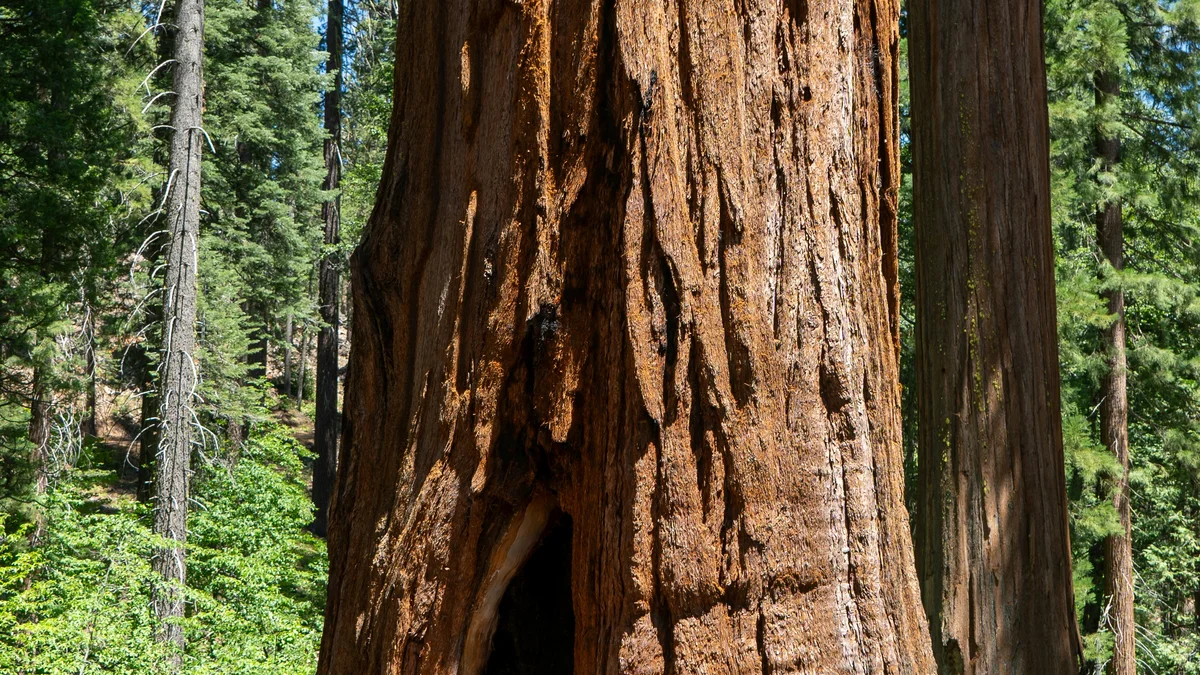
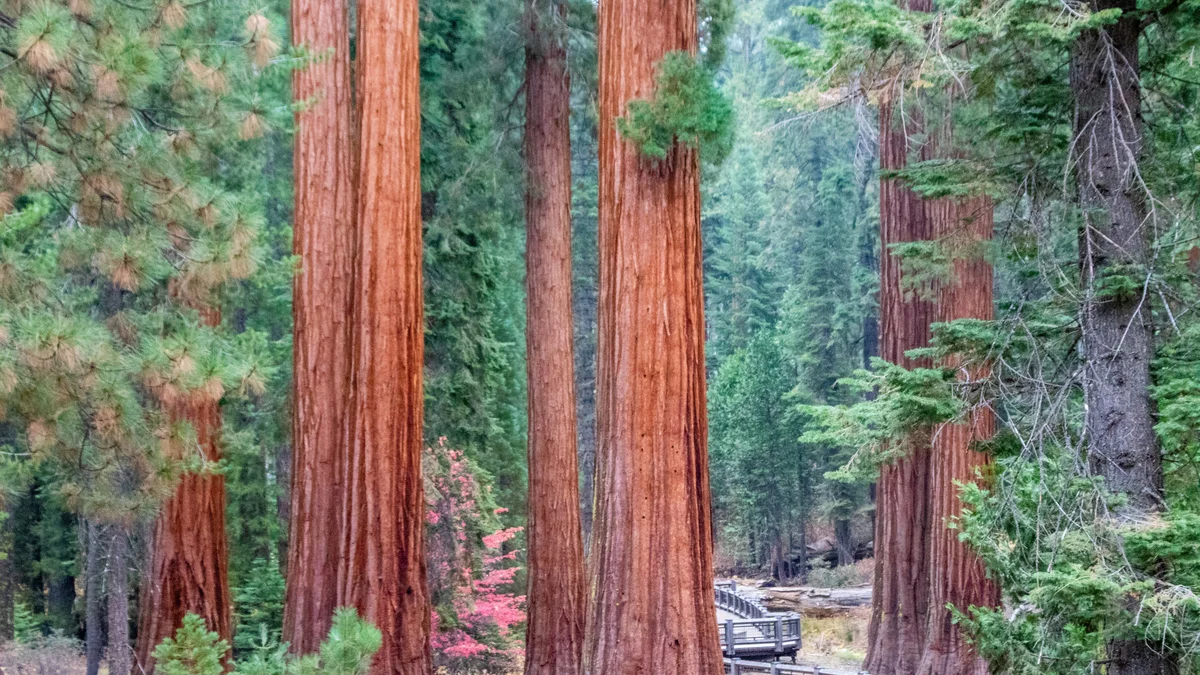
Mariposa Grove, in Yosemite's southern reaches near the South Entrance, is the park's largest sequoia grove, home to more than 500 mature giant sequoias. Its best-known tree, the Grizzly Giant, is estimated by the Park Service at roughly 1,800 to 3,000 years old (its pages give different figures) and is one of the largest trees in the grove. A network of trails, including a paved section accessible from the grove's welcome plaza via a free shuttle in peak season, lets visitors walk among the massive trunks, some more than 30 feet across at the base.
Visitor guide
Mariposa Grove is a stand of giant sequoias near Wawona in the southern part of Yosemite National Park, at elevations of roughly 5,700 to 6,700 feet. It is the park's largest sequoia grove, with the Park Service citing over 500 mature trees. Following a major restoration it reopened in 2018 as a quieter, more walkable place than the road-crossed grove many visitors remember.
Galen Clark, a Wawona resident, began searching in 1856 after hearing of three enormous trees; in 1857 he found them and the larger grove, which was named for Mariposa County. He built the first permanent structure in the grove, a cabin where he guided visitors, near the site of the present Mariposa Grove Museum. On June 30, 1864, an Act of Congress signed by Abraham Lincoln ceded the grove and Yosemite Valley to California for protection, an early step in the history of conservation; later federal control came through Yosemite National Park.
The grove was also an early tourism landmark. In 1881 a tunnel was cut through the Wawona Tree, which collapsed in 1969. The California Tunnel Tree, carved in 1895, is the only surviving tunnel tree, and cars drove through it until 1932. The log-cabin Mariposa Grove Museum was built around 1930 and was listed on the National Register of Historic Places in 1978. Trams ran from 1969 until 2014.
The grove closed in 2015 for what the Park Service calls a large-scale restoration, aimed at removing roads, trails and buildings that encroached on the trees' roots and at restoring natural water flow. It reopened on June 15, 2018, with private cars no longer driving into the grove.
The Grizzly Giant is the grove's best-known tree, about 210 feet tall; age estimates vary, and Park Service pages themselves give figures from about 1,800 years to about 2,900 or 3,000 years, so it is safest to cite that range rather than a single number. The Clothespin Tree has a fire-scarred opening about 70 feet high. The Fallen Monarch is a fallen trunk on which stagecoaches were once driven for photographs. The Columbia Tree is the tallest in the grove at 286 feet, and the Washington Tree is the largest by volume. According to the Park Service, lightning-caused fires would once have burned through roughly every five to twenty years, and the Park Service has used prescribed burns to maintain forest health.
Visitors park at the Mariposa Grove Welcome Plaza near the South Entrance and ride a free shuttle for the two-mile trip to the grove; shuttles run on a seasonal schedule, so check the Park Service. The Big Trees Loop is a flat 0.3-mile walk that is wheelchair accessible, the Grizzly Giant Loop is about 2 miles, and longer trails reach Wawona Point on a 7-mile round trip. Parking at the plaza can fill by late morning in season.
Wawona, with its historic hotel and the Pioneer Yosemite History Center, lies close to the south entrance. A Voyzo private tour driver can include the shuttle transfer and leave you free to walk at your own pace.
See every tour and attraction we cover in Yosemite National Park.