TorontoOntario · 36 tours
 Niagara FallsOntario · 25 tours
 New York CityNew York · 30 tours
 Las VegasNevada · 8 tours
 San FranciscoCalifornia · 16 tours
 VancouverBritish Columbia · 17 tours
 DubaiUAE · 54 tours
 Abu DhabiUAE · 5 tours
 Buenos AiresArgentina · 23 tours
 AthensGreece · 31 tours
 AucklandNew Zealand · 38 tours
 CancunMexico · 54 tours
No destinations match “”. Try searching all tours instead — that search understands full questions, not just place names.
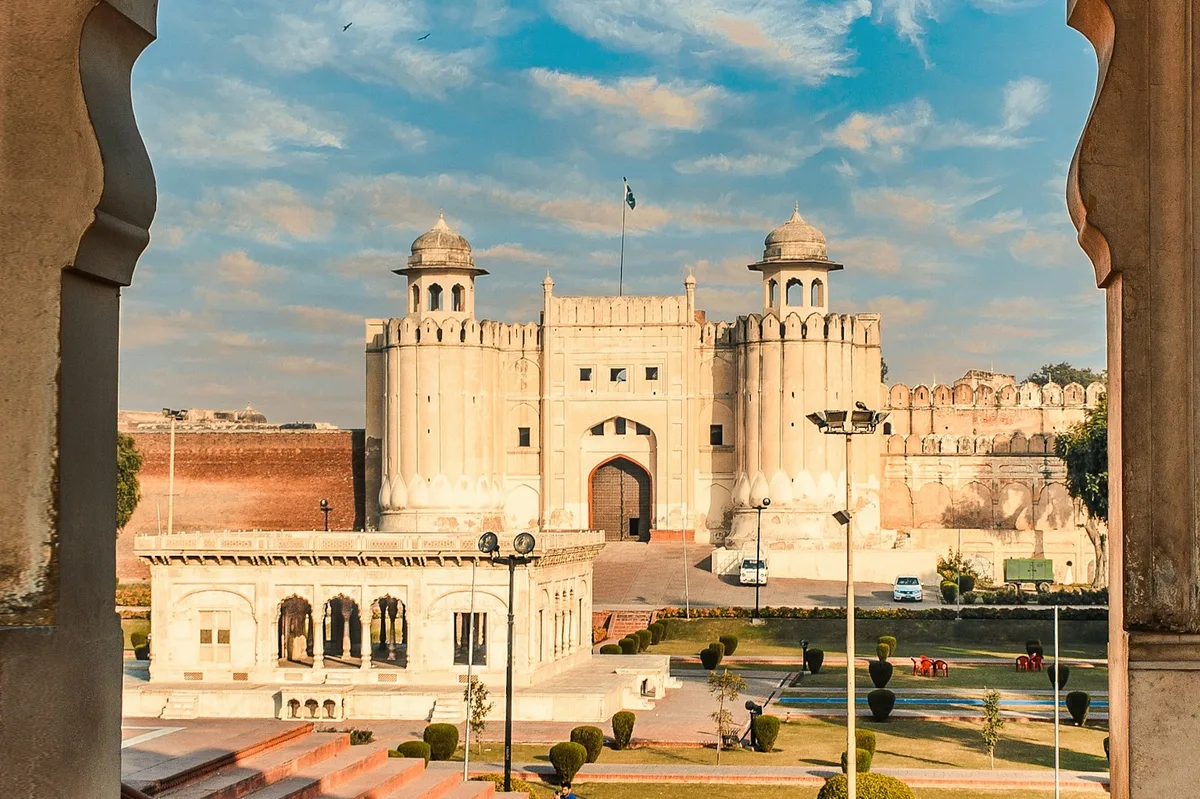
A citadel at the northern edge of the Walled City of Lahore, spread across more than 20 hectares with 21 monuments dating back to the era of Emperor Akbar.
 Multi-Day Tours
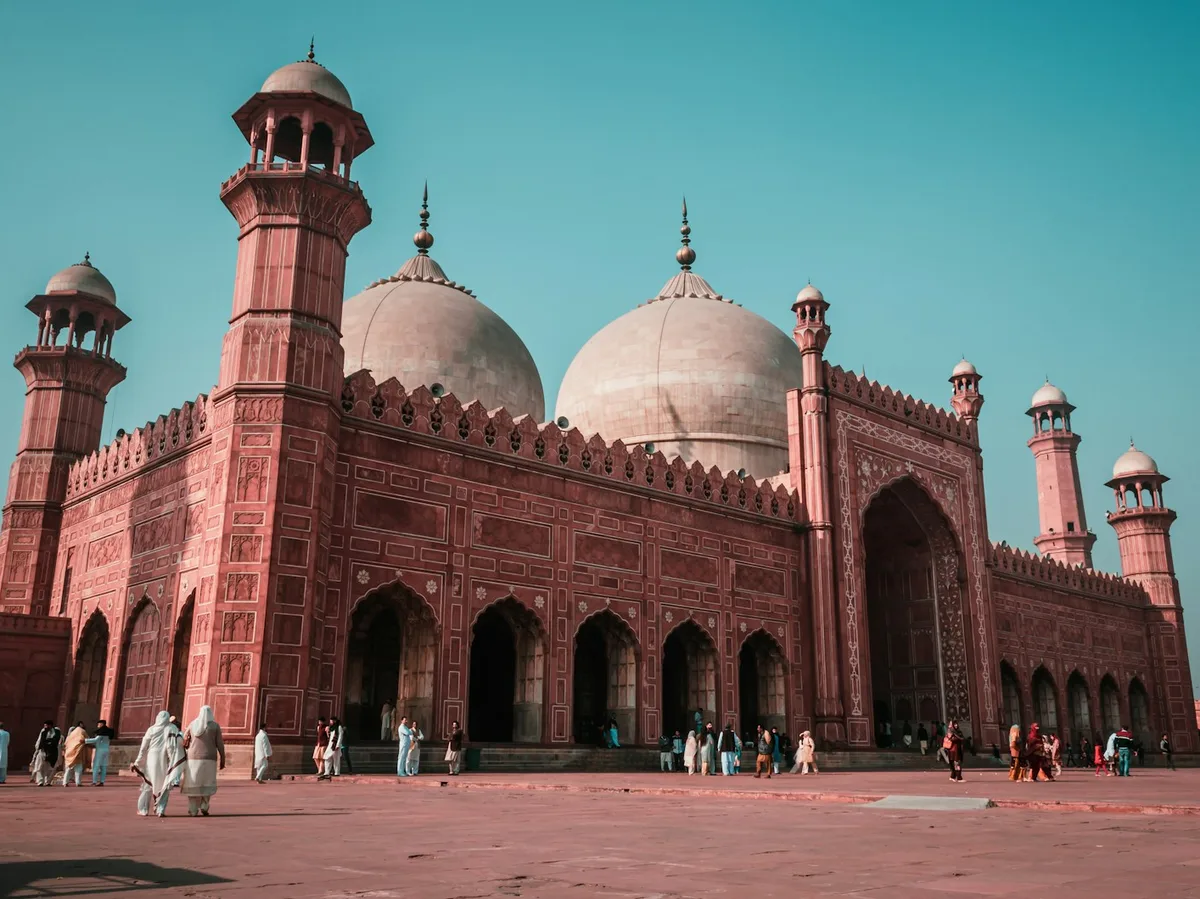
A 7-day private route through Lahore's walled city and South Punjab — Sufi shrines, the Wagah Border ceremony, a Cholistan Desert camel safari, and the ancient Indus Valley ruins at Harappa.
 Multi-Day Tours
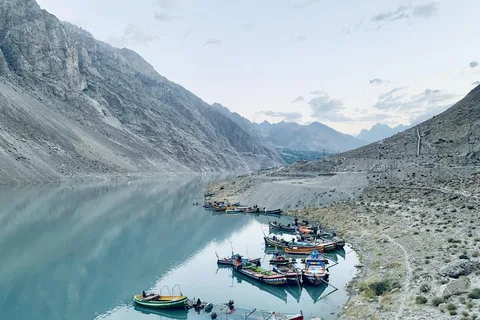
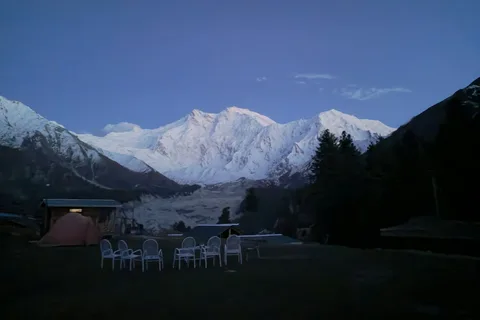
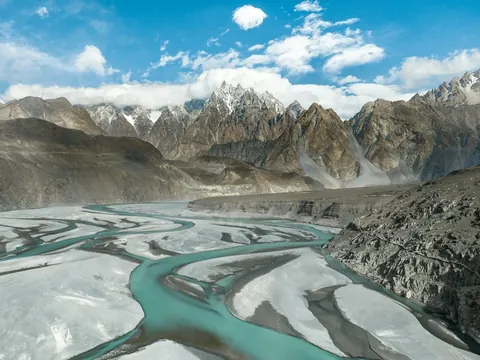
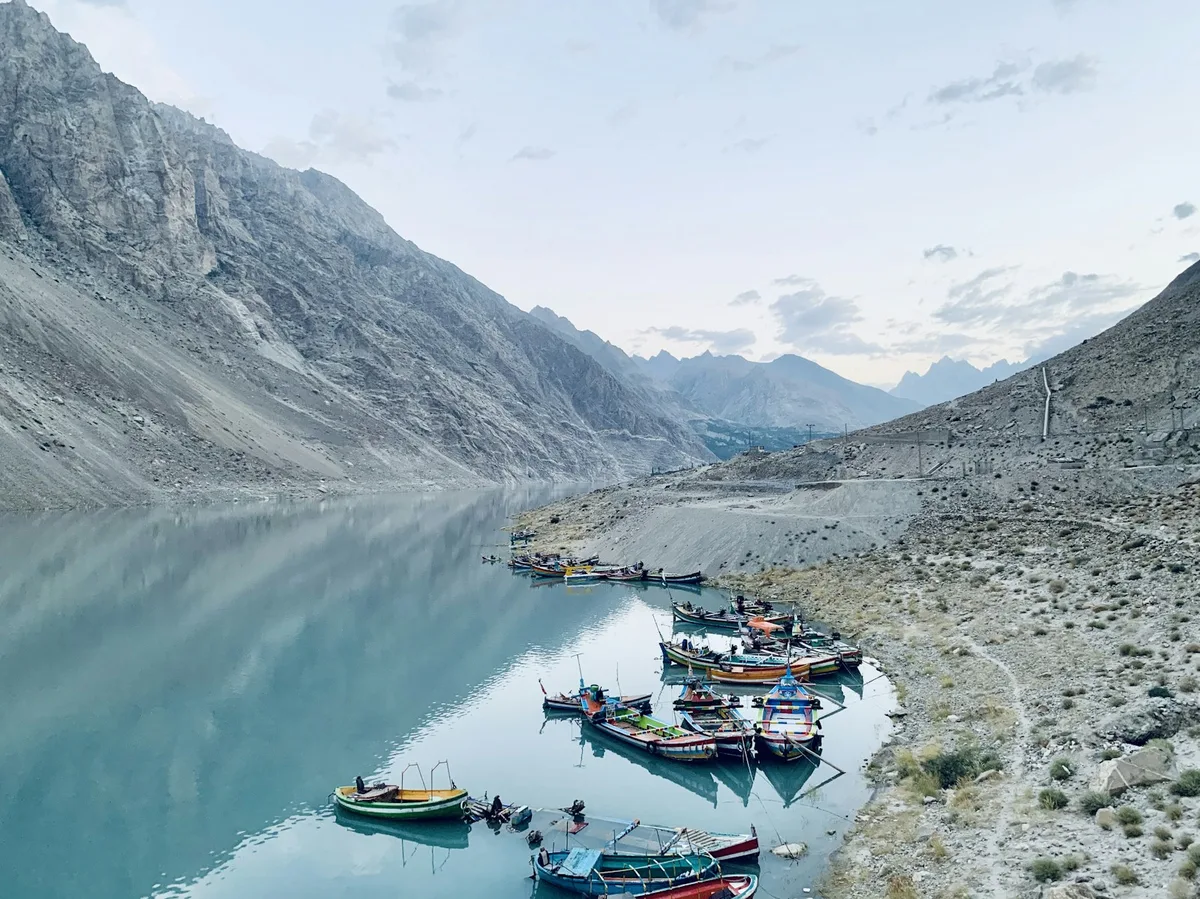
A 20-day private journey from Lahore's museums and forts through Peshawar and Swat's Buddhist sites, the Kalash Valley, Hunza's centuries-old forts, Fairy Meadows beneath Nanga Parbat, and the Skardu valleys, ending in Islamabad.
Visitor guide
Lahore Fort, known in Urdu as Shahi Qila, is a citadel at the northern end of the Walled City of Lahore in Punjab, Pakistan. Covering more than 20 hectares and containing 21 notable monuments, it is a UNESCO World Heritage Site, listed in 1981 together with the Shalimar Gardens.
Wikipedia says the site has been inhabited for millennia, but its origins are obscure and partly mythical. The first recorded fort was a mud-brick structure of the 11th century. The Mongols destroyed it in 1241, Sultan Balban built a new one in 1267, Timur destroyed it in 1398, and Mubarak Shah Sayyid rebuilt it in 1421. Excavations in 1959 reportedly found a gold coin of Mahmud of Ghazni from 1025 CE at a depth of about 7.6 metres, along with pre-Mughal artefacts.
The emperor Akbar occupied the site in 1566 to guard the northwest frontier and replaced the mud fort with solid brick masonry in a style blending Islamic and Hindu motifs, including elephant-shaped column brackets. The fort is a rough parallelogram of about 365 by 320 metres. Unlike the Red Fort and Agra Fort, its ramparts are brick rather than red stone.
Jahangir added the Kala Burj and ordered the Picture Wall, considered the fort's greatest artistic achievement. It runs roughly 440 to 460 metres in length, depending on the source and is decorated with glazed tile, faience mosaics and frescoes in 116 panels showing elephant fights, polo, angels, dragons and court life. Shah Jahan's works, from 1628 to 1645, include the Diwan-i-Aam, the Khilwat Khana, the Moti Masjid in white marble, and the Shah Burj quadrangle, home to the Sheesh Mahal and the Naulakha Pavilion.
The Sheesh Mahal, or Palace of Mirrors, was built in 1631-32 and is a white marble pavilion with pietra dura inlay and mirror-work known as aina-kari, reserved for the imperial family and close aides. The Naulakha Pavilion, built in 1633, takes its name from the Urdu word for 900,000, the reported cost in rupees, and its curved roof mixes Bengali and European influences. Aurangzeb added the Alamgiri Gate in 1674, whose semicircular bastions became an emblem of Lahore.
Ranjit Singh's army took the fort in 1799. The Sikh rulers added structures such as the Ath Dara pavilion, the Naag Temple and Kharak Singh Haveli, and the Hazuri Bagh with its baradari celebrated the acquisition of the Koh-i-Noor. Duleep Singh was born in the Mai Jindan Haveli in 1838. In 1841, Sher Singh bombarded the fort, which destroyed Shah Jahan's Diwan-i-Aam; the British rebuilt it after 1849, when the East India Company took control.
UNESCO inscribed the fort under criteria i, ii and iii in October 1981. The sites were placed on the danger list in 2000 and removed in June 2012 after restoration funded by Norway, Hong Kong, the UK and France. Conservation of the Picture Wall began in 2015 through the Aga Khan Trust for Culture and the Walled City of Lahore Authority, and the Shah Burj Gate restoration was completed in March 2020.
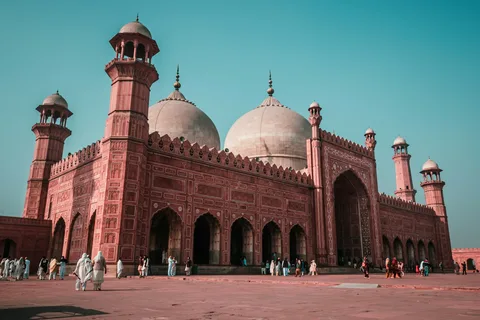
The fort lies across the Hazuri Bagh from the Badshahi Mosque, so the two are commonly visited together, and a private guided visit with a driver lets the group move between the Walled City monuments at an unhurried pace.
See every tour and attraction we cover in Pakistan.