TorontoOntario · 36 tours
 Niagara FallsOntario · 25 tours
 New York CityNew York · 30 tours
 Las VegasNevada · 8 tours
 San FranciscoCalifornia · 16 tours
 VancouverBritish Columbia · 17 tours
 DubaiUAE · 54 tours
 Abu DhabiUAE · 5 tours
 Buenos AiresArgentina · 23 tours
 AthensGreece · 31 tours
 AucklandNew Zealand · 38 tours
 CancunMexico · 54 tours
No destinations match “”. Try searching all tours instead — that search understands full questions, not just place names.
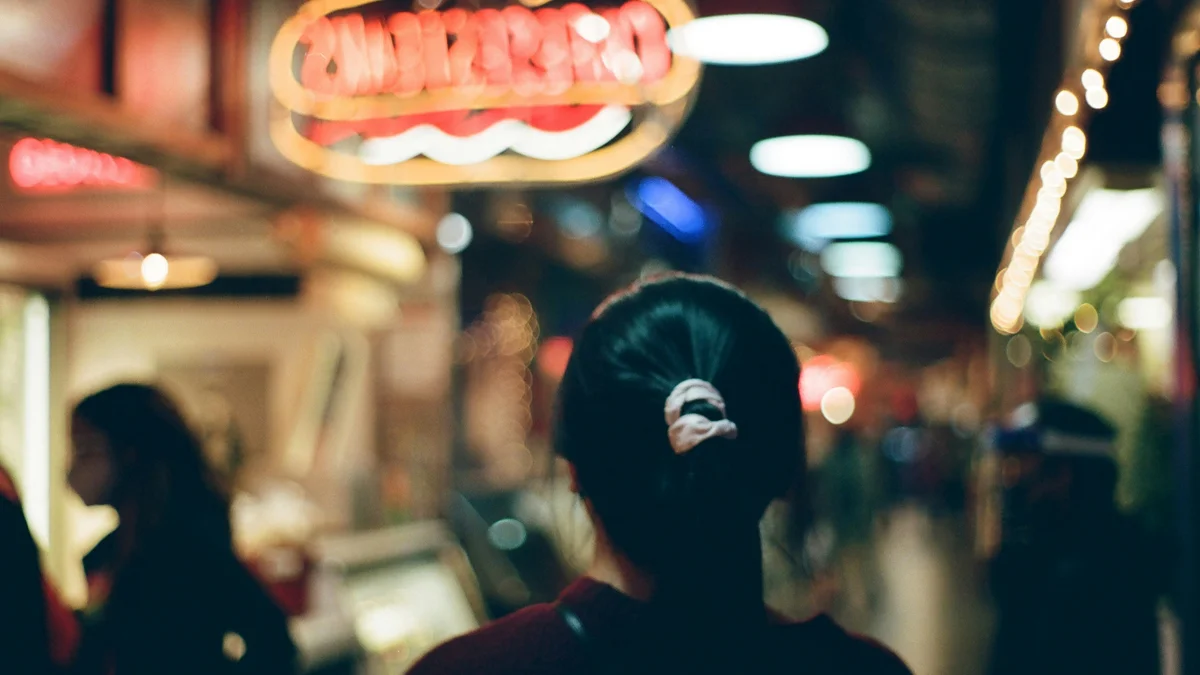
Opened in 1893 inside a former train shed, this indoor market is one of the oldest and largest public markets still operating in the United States. It's home to dozens of independent vendors, including longstanding Pennsylvania Dutch and Amish stalls alongside Philly cheesesteak counters and bakeries. The market's mix of historic architecture and working food stalls makes it a genuine slice of the city's everyday life, not just a tourist stop.
Visitor guide
Reading Terminal Market is an enclosed public market in Center City Philadelphia, housed on the ground floor and basement of the former Reading Railroad terminal and its train shed at 12th and Arch Streets. The building is a National Historic Landmark, and the market is run today as a nonprofit that aims to preserve both the architecture and the function of an urban farmers' market. Think of it as a working food hall that still behaves like a neighborhood market rather than a themed attraction.
Philadelphia's High Street was renamed Market Street in 1858 because of its long string of open-air market sheds, and city officials dismantled those sheds in 1859 after public complaints about hygiene and traffic. Two successor markets at 12th and Market, Franklin Market and Farmers' Market, became the foundation of what was to follow. When the Reading Railroad planned a new downtown terminal in the early 1890s, it gave the market a home beneath the tracks.
The terminal came in two parts: a headhouse designed in 1891 by Francis H. Kimball, and a vast arched train shed by the engineering firm Wilson Brothers & Company. National Park Service nomination text gives the shed's span as 259 feet 8 inches and describes it as the largest single-span, arched-roof train shed in the world. The terminal opened in January 1893, and the market opened the same year; sources differ slightly on exact dates for individual merchants, so it is safest to say 1892-1893.
The market was built to be more than a food stall. Its basement held a cold-storage plant that opened in July 1893, with 52 refrigerated rooms cooled by a brine-and-ammonia system, and a basket service let suburban customers have orders held at their nearest train station. The market reportedly had 380 merchants in its first year, and its busiest recorded day was May 9, 1946, with more than 12,000 people.
The postwar decades were harder. Supermarkets competed for shoppers, occupancy slid, and the Reading Railroad itself went bankrupt in 1971 and ended operations in 1976. The terminal was added to the National Register of Historic Places in 1972 and designated a National Historic Landmark in 1976. According to the market, the train shed fell silent in 1985 when the city's commuter-rail system was rerouted to bypass the terminal. Ownership passed to the Pennsylvania Convention Center Authority in 1990, and in 1995 the Pennsylvania Convention Center Authority created the nonprofit Reading Terminal Market Corporation to manage the market, according to the market's history page. The shed now serves as part of the convention center complex, with the market occupying the lower levels.
The market's own directory sorts its merchants into categories including bakery, beverages, confections, eateries, flowers and plants, ice cream, meat and poultry, Pennsylvania Dutch, produce, seafood, and specialty goods, plus art, crafts and gifts. The market describes itself as offering the widest variety of restaurants under one roof, alongside cookbooks, kitchenware and fresh-cut flowers. Merchant counts change over time, so rather than quote a number, the market's own history page describes more than 80 merchants.
Bassetts Ice Cream signed its first lease at the market in 1893 (the vendor itself dates its presence to 1892), which makes it one of the market's long-standing tenants. A bronze pig named Philbert, by sculptor Eric Berg, serves as the market's mascot; coins dropped in him support healthy-eating programs run by The Food Trust. The building has also turned up on film, including in Trading Places and National Treasure.
The market has entrances on Filbert, 12th and Arch Streets. Hours, holiday closures and the schedule of the Pennsylvania Dutch merchants vary, so check the market's own website before you go. Because the shed stays busy, many visitors like to graze: split a few items among the group rather than sitting for one big meal.
With a Voyzo private tour, your driver can collect your group at the hotel and set you down close to the market, so you can pair it with other Center City stops on your own timing and keep the group together without parking or ride-share juggling.
See every tour and attraction we cover in Philadelphia.