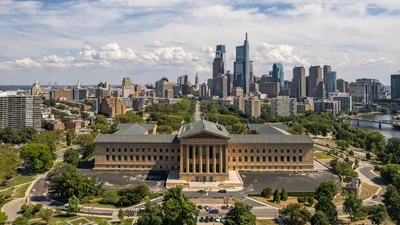
TorontoOntario · 36 tours
 Niagara FallsOntario · 25 tours
 New York CityNew York · 30 tours
 Las VegasNevada · 8 tours
 San FranciscoCalifornia · 16 tours
 VancouverBritish Columbia · 17 tours
 DubaiUAE · 54 tours
 Abu DhabiUAE · 5 tours
 Buenos AiresArgentina · 23 tours
 AthensGreece · 31 tours
 AucklandNew Zealand · 38 tours
 CancunMexico · 54 tours
No destinations match “”. Try searching all tours instead — that search understands full questions, not just place names.
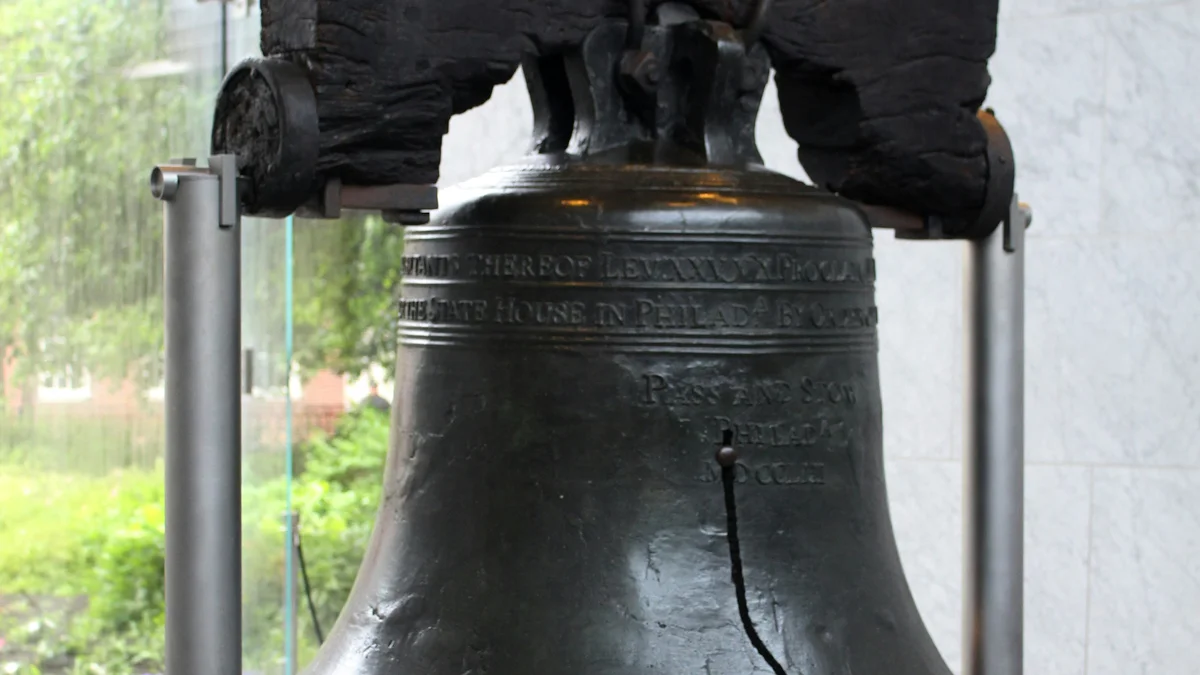
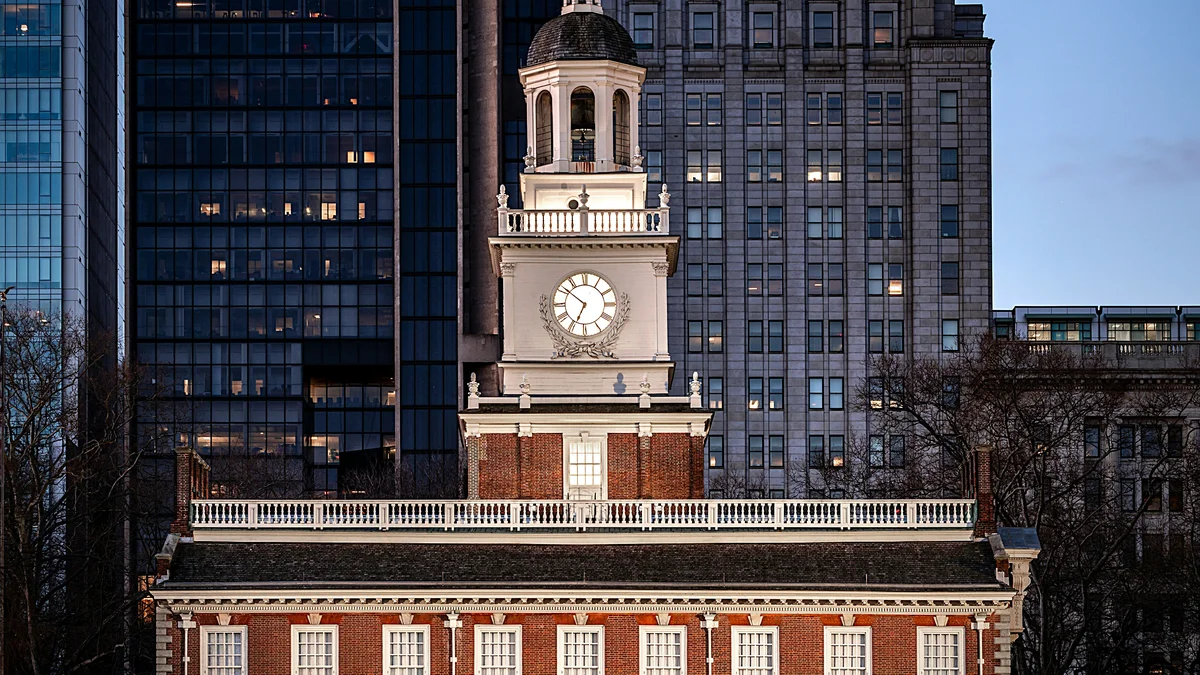
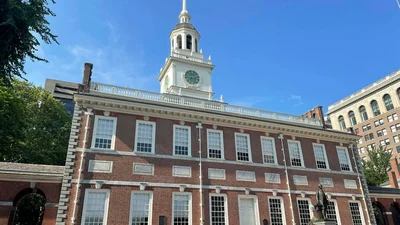
Cast in Philadelphia in 1753 and inscribed with 'Proclaim Liberty Throughout All the Land,' the Liberty Bell is instantly recognizable by the wide crack that silenced it over a century ago. It's displayed just steps from Independence Hall in a glass-walled pavilion, framed with the historic building visible behind it. The bell has long served as a symbol of American independence and, later, the abolitionist and civil rights movements.
Visitor guide
The Liberty Bell Center in Philadelphia's Independence National Historical Park houses the Liberty Bell, the cracked bronze bell that once hung in the State House (now Independence Hall). Wikipedia says the center opened on October 9, 2003, across from Independence Hall. The bell's inscription, from Leviticus 25:10, has made it a symbol for many freedom movements.
The Pennsylvania Assembly ordered the bell in London, and it arrived in Philadelphia in August 1752. It cracked on its first test strike. Local founders John Pass and John Stow melted and recast it in 1752-1753, adding copper. A 1975 analysis from the Winterthur Museum concluded that the metal used in the second recasting made it brittle. The finished bell weighs 2,080 pounds and stands about 3 feet tall; the Park Service describes the alloy as roughly 70 percent copper and 25 percent tin.
The inscription reads "Proclaim LIBERTY Throughout all the Land unto all the Inhabitants Thereof." The Park Service says it may have been chosen to mark the 50th anniversary of William Penn's 1701 Charter of Privileges, and that it went largely unnoticed during the Revolution.
The Park Service says no one recorded when the bell first cracked, but it was likely in the early 1840s. In 1846 workers widened the crack by a technique called stop drilling, which left more than 40 drill marks, hoping to restore the sound. The repair failed when a second crack formed, and the bell has not rung freely since. The wide crack visitors see is therefore mostly the 1846 repair, not the original damage.
The Park Service notes there is no evidence the bell rang on July 4 or July 8, 1776, though it likely rang for the Stamp Act and its repeal. Wikipedia says the story that it cracked while tolling for Chief Justice John Marshall in 1835 originated in 1876 and has little evidence behind it. The name "Liberty Bell" was first used by the abolitionist Anti-Slavery Record in 1835 and spread more widely years later. The Park Service says abolitionists, women's suffrage advocates, and civil rights leaders all drew on its inscription.
Wikipedia records that between 1885 and 1915 the bell traveled to seven expositions and celebrations, and that souvenir hunters chipped off pieces along the way. It moved to the Liberty Bell Pavilion in 1976 and to the present center in 2003. The Park Service says the center's exhibits cover the bell's history and how its message has reached the United States and the world.
The Park Service describes entry as first come, first served, with no tickets. Check the National Park Service for current hours, security procedures, and access.
The center is a short stop that fits easily into a private Philadelphia day beside Independence Hall. With Voyzo's private vehicle and driver, your group is picked up door to door and need not worry about city parking between stops.
See every tour and attraction we cover in Philadelphia.