TorontoOntario · 36 tours
 Niagara FallsOntario · 25 tours
 New York CityNew York · 30 tours
 Las VegasNevada · 8 tours
 San FranciscoCalifornia · 16 tours
 VancouverBritish Columbia · 17 tours
 DubaiUAE · 54 tours
 Abu DhabiUAE · 5 tours
 Buenos AiresArgentina · 23 tours
 AthensGreece · 31 tours
 AucklandNew Zealand · 38 tours
 CancunMexico · 54 tours
No destinations match “”. Try searching all tours instead — that search understands full questions, not just place names.
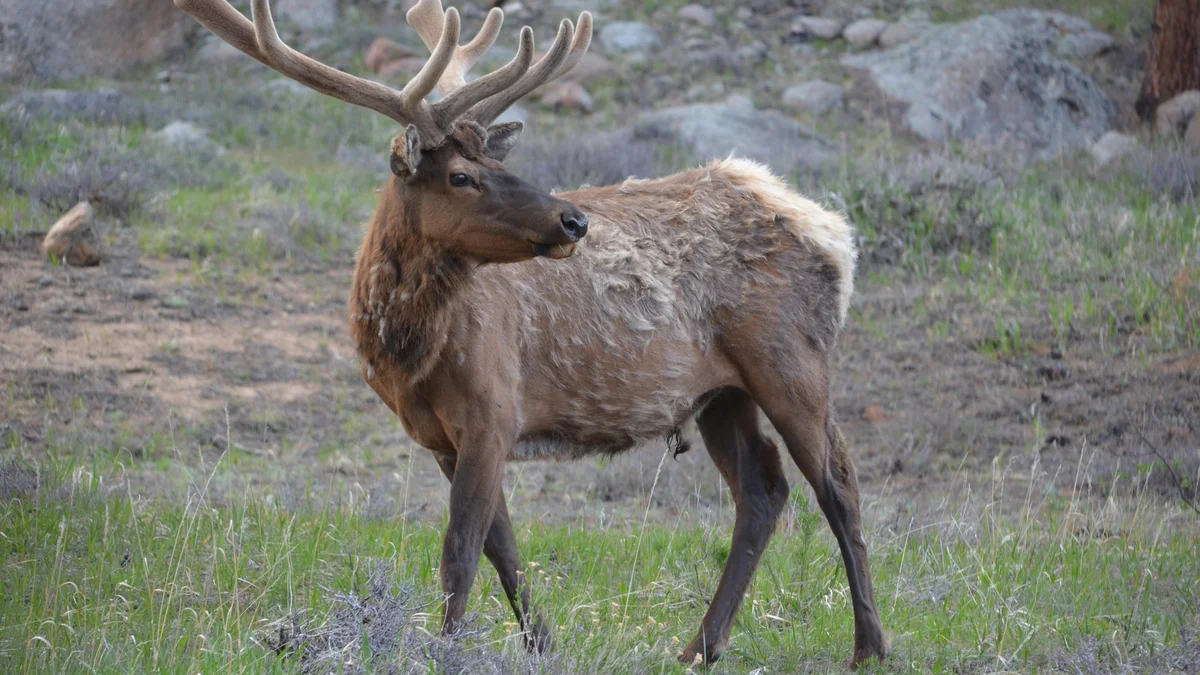
Rocky Mountain National Park is a real 415-square-mile park near Estes Park, established in 1915, with dozens of peaks rising above 12,000 feet, including Longs Peak at 14,259 feet, the park's only 14,000-foot summit. Trail Ridge Road, the highest continuous paved highway in the United States, crosses the park above the treeline and offers real chances to spot elk, moose, and bighorn sheep along the way. Its alpine lakes, tundra, and forested valleys make it one of Colorado's most visited natural landmarks.
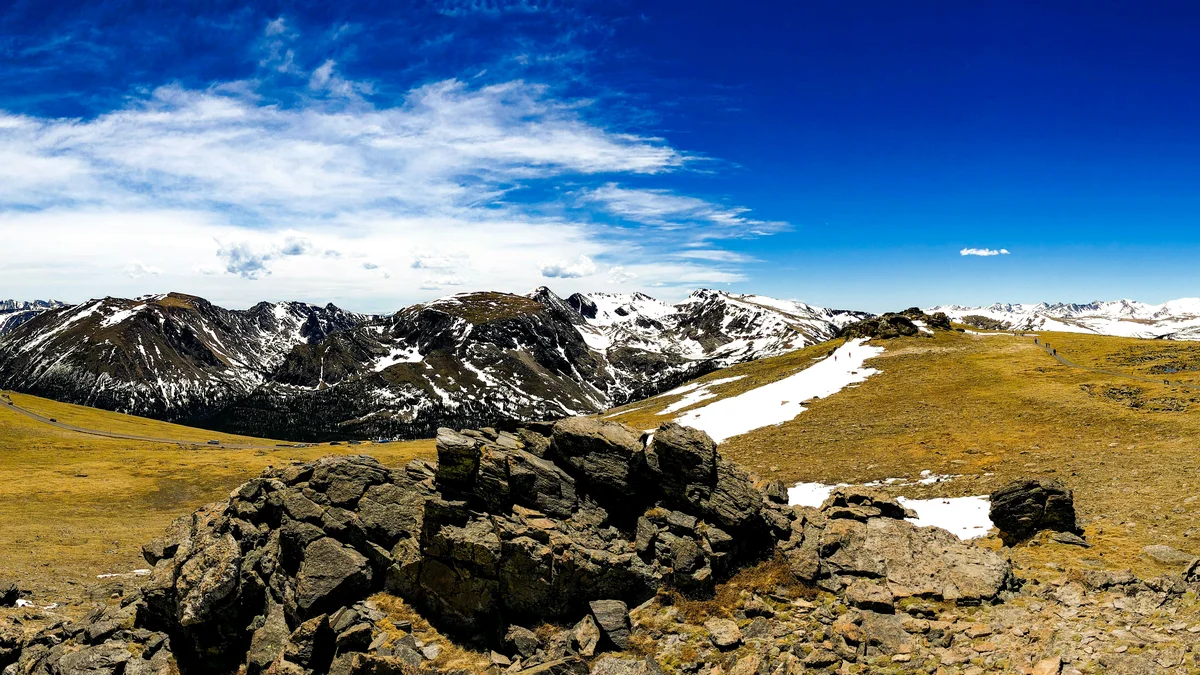 Private Tours
A private tour for your group only — real sightseeing through Rocky Mountain National Park, including the Flatirons/Boulder drive-through, Bear Lake trail, and the park's highest accessible point, with real wildlife along the way.
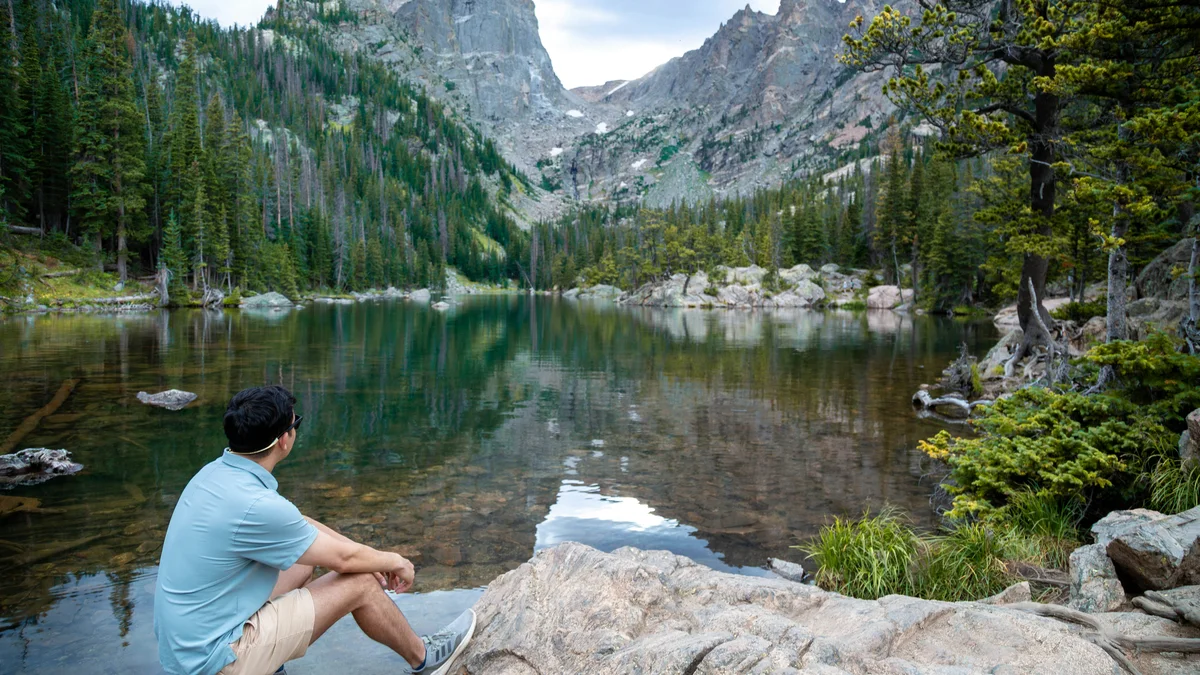 Private Tours
A private guided hike for your group only — Bear Lake to Nymph Lake to the real Emerald Lake, with hiking gear and a local-deli lunch included.
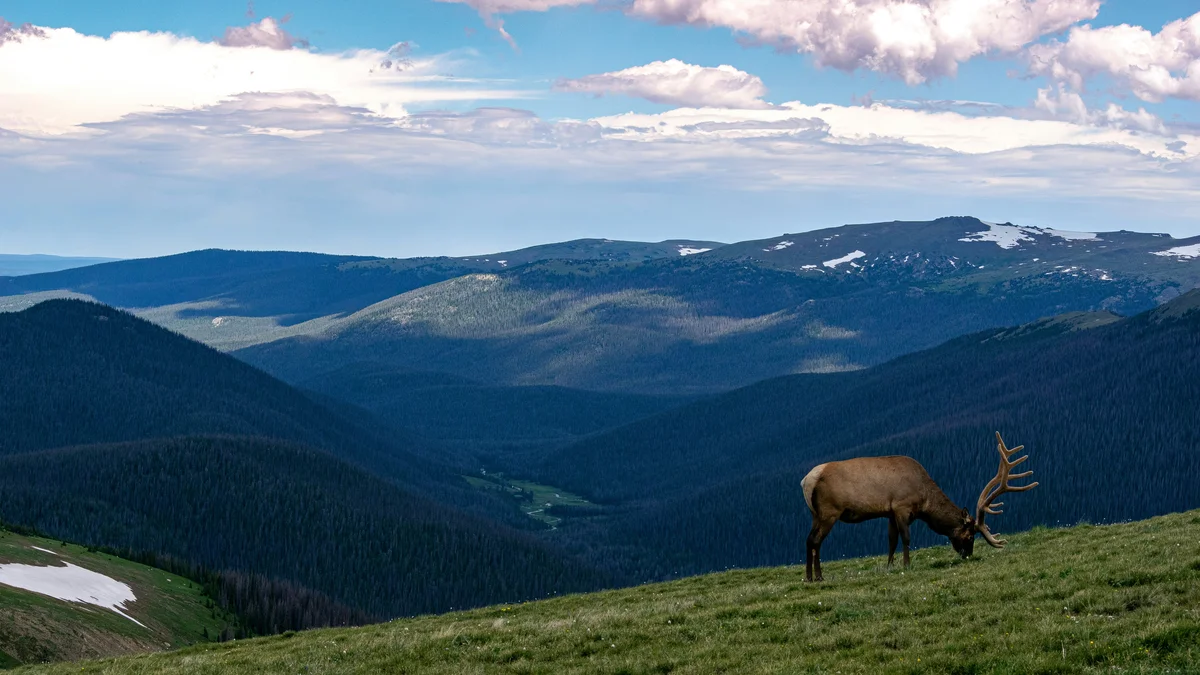 Private Tours
A private tour for your group only, led by a real naturalist guide in a 4WD Toyota 4Runner TRD Pro — genuine wildlife-spotting for elk, moose, bighorn sheep, marmots, pikas, and bears, with binoculars and a spotting scope provided.
Visitor guide
Rocky Mountain National Park protects roughly 265,800 acres of the Front Range of Colorado, about 55 miles northwest of Denver. Established on January 26, 1915, it spans the Continental Divide and ranges in elevation from roughly 7,800 feet in the valleys to 14,259 feet at the summit of Longs Peak. Dozens of its named peaks rise above 12,000 feet (the National Park Service counts 77), and over a third of the park lies above treeline.
Paleo-Indians hunted here thousands of years ago, and the Ute and Arapaho peoples later hunted and camped in the high country and valleys. The effort to create a park was led most prominently by Enos Mills, a naturalist and writer from the Estes Park area, supported by conservationists such as James Grafton Rogers and J. Horace McFarland. President Woodrow Wilson signed the Rocky Mountain National Park Act in 1915. According to the National Park Service, the park was included in UNESCO's international system of Biosphere Reserves on January 17, 1977.
Rocky Mountain is a good place to see how climate changes with altitude. The montane zone, from about 5,600 to 9,500 feet, holds ponderosa pine and Douglas fir and open meadows such as Moraine Park and Horseshoe Park. The subalpine zone, about 9,000 to 11,000 feet, is spruce-fir forest dotted with lakes such as Sprague Lake and Odessa Lake. Above roughly 11,000 feet lies alpine tundra, where the growing season can be as short as about 40 days and wildflowers bloom in a rush. The Never Summer Mountains and the Kawuneeche Valley on the west side hold the headwaters of the Colorado River.
The National Park Service counts about 66 to 67 native mammal species and roughly 280 bird species in the park. Elk are the most visible: the park's summer population is roughly 2,000 to 3,000, and moose, which the National Park Service says were not historically recorded in this part of the Rockies, are now commonly seen, especially on the west side. Roughly 350 bighorn sheep live here. The National Park Service lists grizzly bears, gray wolves and bison as locally extinct, and lynx and wolverines as extremely rare. Keep a safe distance from all wildlife, particularly elk during the autumn rut.
Trail Ridge Road, part of U.S. Route 34, links Estes Park on the east with Grand Lake on the west over about 48 miles. Built largely by the 1930s (finished to Fall River Pass by 1932 and to Grand Lake by 1938), it crests at 12,183 feet and the National Park Service describes it as the highest continuous paved highway in North America. About 11 miles run above treeline. The Alpine Visitor Center, at 11,796 feet, is the highest visitor center in the National Park System. The road closes for winter and is usually open from late May to mid-October, depending on snow, so check the NPS for current conditions.
Bear Lake is the best-known trailhead and gateway to walks such as Emerald Lake. The Tundra World Nature Trail near Rock Cut is a short walk across high alpine terrain. Longs Peak is a demanding full-day climb for experienced hikers. Old Fall River Road, a one-way gravel road, offers a slower route up to the tundra.
Three entrances are near Estes Park on the east side and one is near Grand Lake on the west. A private tour from Denver avoids the need to drive the mountain road yourself, with a private vehicle, driver and door-to-door pickup, leaving the group free to watch for wildlife from the windows.
See every tour and attraction we cover in Denver.