TorontoOntario · 36 tours
 Niagara FallsOntario · 25 tours
 New York CityNew York · 30 tours
 Las VegasNevada · 8 tours
 San FranciscoCalifornia · 16 tours
 VancouverBritish Columbia · 17 tours
 DubaiUAE · 54 tours
 Abu DhabiUAE · 5 tours
 Buenos AiresArgentina · 23 tours
 AthensGreece · 31 tours
 AucklandNew Zealand · 38 tours
 CancunMexico · 54 tours
No destinations match “”. Try searching all tours instead — that search understands full questions, not just place names.
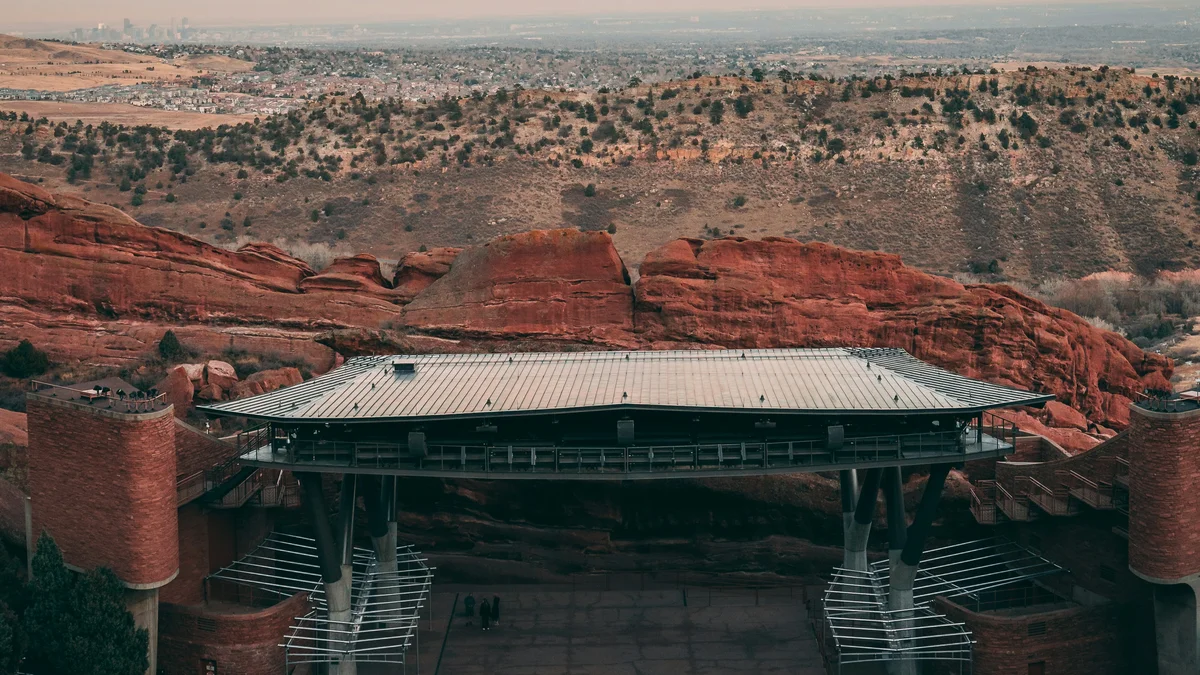
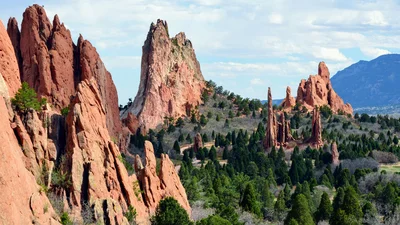
Red Rocks Amphitheatre is a real, working open-air concert venue built directly into massive red sandstone formations in the foothills outside Denver, with a seating capacity of about 9,500. Its natural rock walls create exceptional acoustics that have drawn musicians for decades, and its stage has hosted everyone from The Beatles to U2's famous 1983 concert film. When shows aren't scheduled, the amphitheater and surrounding park are open to the public for hiking and its well-known outdoor fitness classes.
 Private Tours
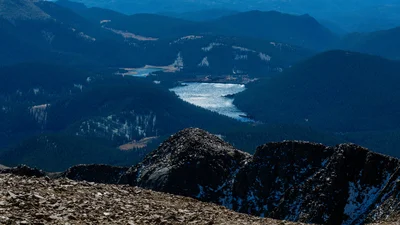
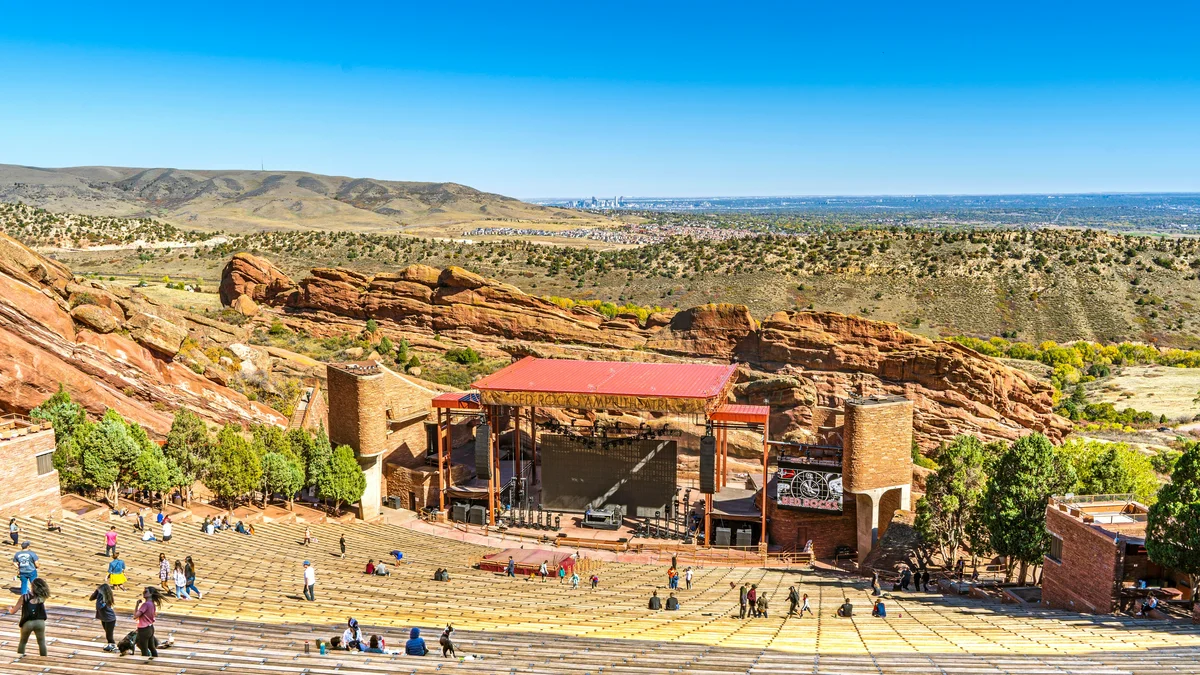
A private tour for your group only — a real drive to the 14,265-foot summit of Mount Blue Sky (formerly Mount Evans), plus Idaho Springs, Georgetown's historic mining towns, and Red Rocks Amphitheatre.
 Private Tours
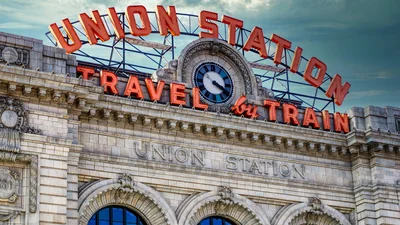
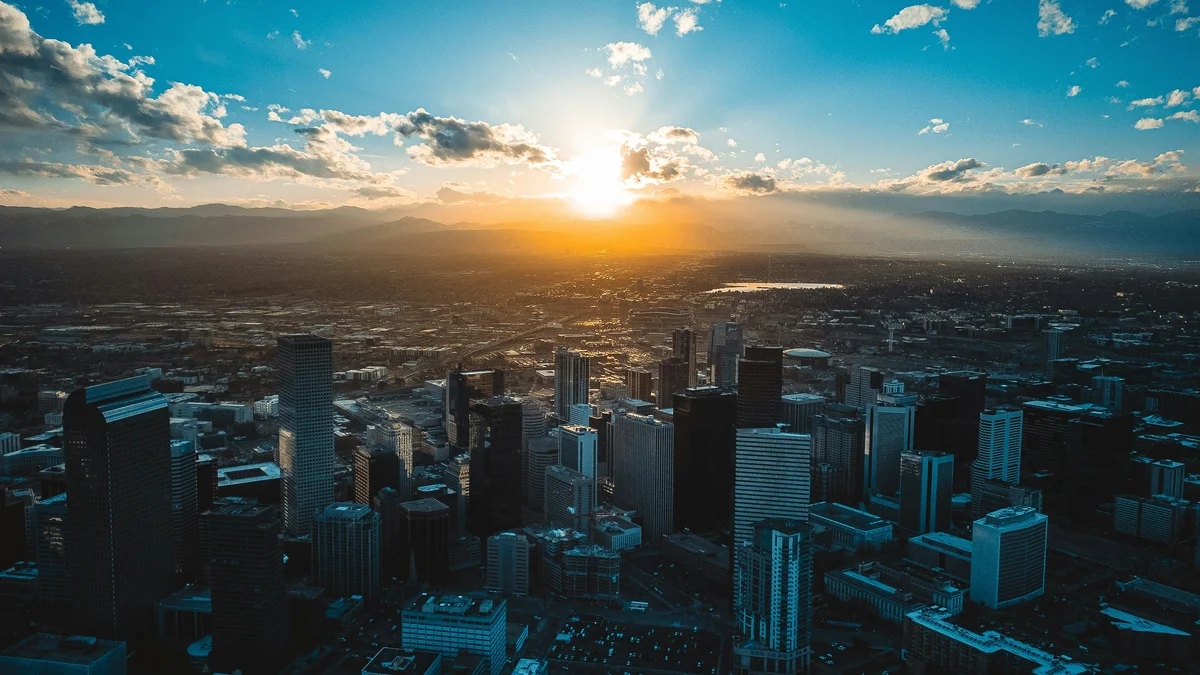
A private group tour for your group only, up to 6 guests — Red Rocks Amphitheatre, Golden (Buffalo Bill's grave), the RiNo Art District's real murals, Union Station, Milk Market, Coors Field, Larimer Square, the Colorado State Capitol, and lunch at Central Market.
Visitor guide
Red Rocks Amphitheatre is an open-air concert venue set between huge red sandstone monoliths in Red Rocks Park, near Morrison and about 10 miles southwest of Denver. It sits at roughly 6,450 feet, seats about 9,500 people (the venue lists 9,525), and is owned and operated by the City and County of Denver. The park and amphitheatre together were designated a National Historic Landmark in 2015.
The stage is flanked by two enormous slabs, Creation Rock and Ship Rock, with the smaller Stage Rock below. They belong to the Fountain Formation, red sandstone and conglomerate that was tilted upright during the Laramide Orogeny, the mountain-building episode that also raised the formations at Garden of the Gods and the Flatirons near Boulder. Oxidized iron minerals give the rock its color. The Ute and other Native peoples are believed to have known the area long before settlement, and a U.S. Army expedition led by Stephen Long passed through in 1820.
Publisher John Brisben Walker began buying the property in 1905 and in 1906 developed it as the Garden of the Titans amusement park, and performances on a temporary platform followed. The opera singer Mary Garden performed there in 1911 and is reported to have praised the acoustics. Denver bought the land in 1927, according to the Red Rocks website, as part of its mountain parks system. The city's parks manager George Cranmer drove the development, and from the mid-1930s (the Red Rocks website dates the Morrison CCC camp's work to 1935 through 1941) crews from the Civilian Conservation Corps and the Works Progress Administration built the theater to a design by Denver architect Burnham Hoyt, working with the landscape rather than against it. The amphitheatre was dedicated on June 15, 1941.
The National Park Service recognized the park and the nearby Mount Morrison CCC camp as an example of New Deal-era naturalistic park design, citing architecture, landscape architecture and performing arts. The landmark designation came in 2015, after a long local campaign led by Friends of Red Rocks.
Red Rocks' reputation rests on its performers. The Beatles played here on August 26, 1964, on their first U.S. tour. Johnny Cash headlined an early country show in 1965, and Bruce Springsteen played his first outdoor concert at the venue in 1978. U2's June 5, 1983 show, filmed in mist and rain, became the concert film Under a Blood Red Sky and helped cement the venue's global reputation. The Colorado Music Hall of Fame has been housed in the Trading Post since June 2015. Two older traditions continue as well: an Easter Sunrise Service that traditionally opens the season, and Film on the Rocks, a summer movie series that began in 2000.
When no event is scheduled, the park is generally open to walkers and visitors. You can climb the tiers of seats, look out over Denver and the plains from the top, and walk the park's trails among the rock formations. Show days restrict access, and the park, parking and visitor facilities may close or change hours around events, so check the city's Red Rocks website or the operator for current hours and access.
The historic town of Morrison is a few minutes away, and Dinosaur Ridge, with preserved dinosaur tracks along a road cut, and the foothills town of Golden are close by. Downtown Denver is roughly 30 minutes by road in light traffic.
See every tour and attraction we cover in Denver.