TorontoOntario · 36 tours
 Niagara FallsOntario · 25 tours
 New York CityNew York · 30 tours
 Las VegasNevada · 8 tours
 San FranciscoCalifornia · 16 tours
 VancouverBritish Columbia · 17 tours
 DubaiUAE · 54 tours
 Abu DhabiUAE · 5 tours
 Buenos AiresArgentina · 23 tours
 AthensGreece · 31 tours
 AucklandNew Zealand · 38 tours
 CancunMexico · 54 tours
No destinations match “”. Try searching all tours instead — that search understands full questions, not just place names.
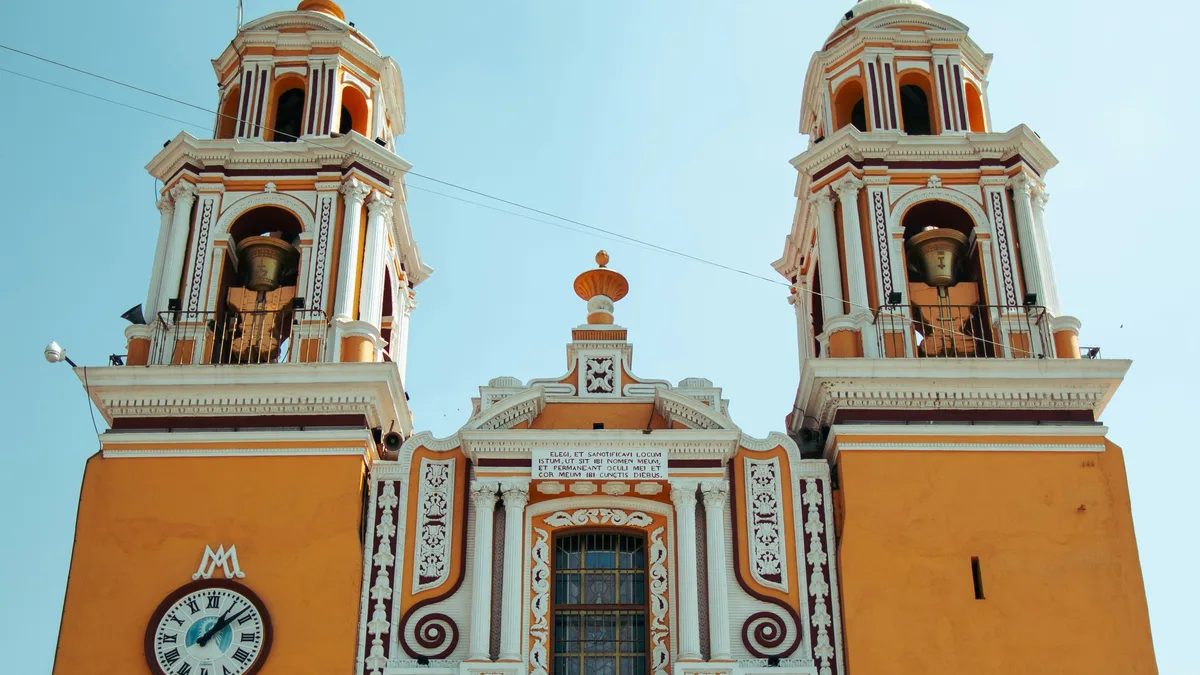
By volume, this is the largest pyramid ever built anywhere in the world — larger than Egypt's Great Pyramid of Giza — though centuries of overgrowth left it looking like a natural hill until archaeologists began excavating it. A colonial-era church, the Sanctuary of Our Lady of Remedies, now sits directly on top, with real panoramic views over Cholula and the surrounding volcanoes.
 Private Tours
A private, all-inclusive tour to Cholula and its famously ornate churches, with a genuine local tasting included along the way.
 Private Tours
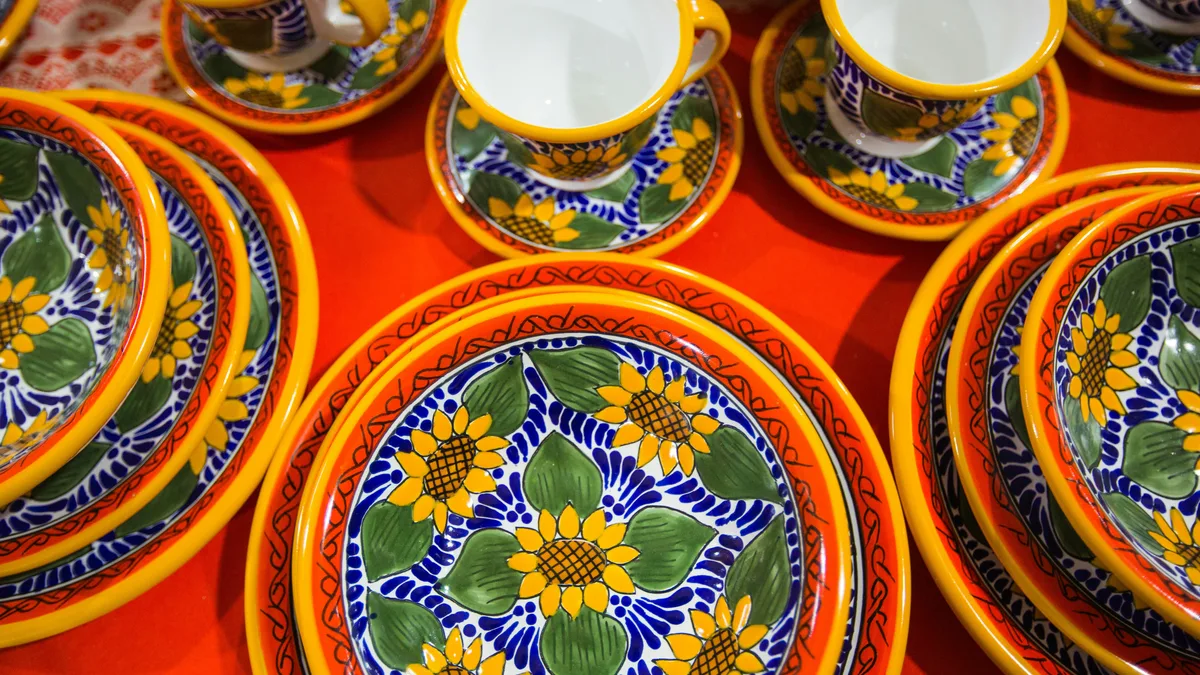
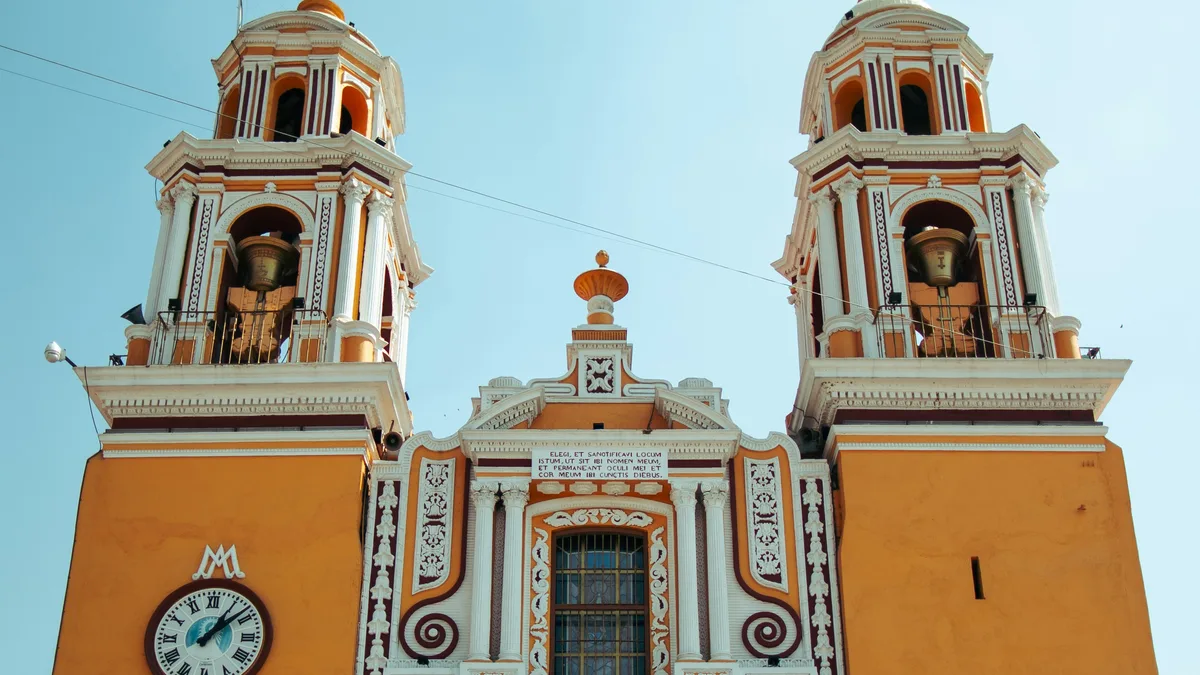
A private tour ('Tour privado') from Puebla to Cholula, the Sanctuary of Our Lady of Remedies, the Baroque churches of Santa María Tonantzintla and San Francisco Acatepec, and the real Talavera de la Reyna factory.
 Private Tours
A private, full-day tour to Atlixco, including the Great Pyramid of Cholula archaeological site, the colonial Ex Convento del Carmen, and the Church of La Merced.
 Private Tours
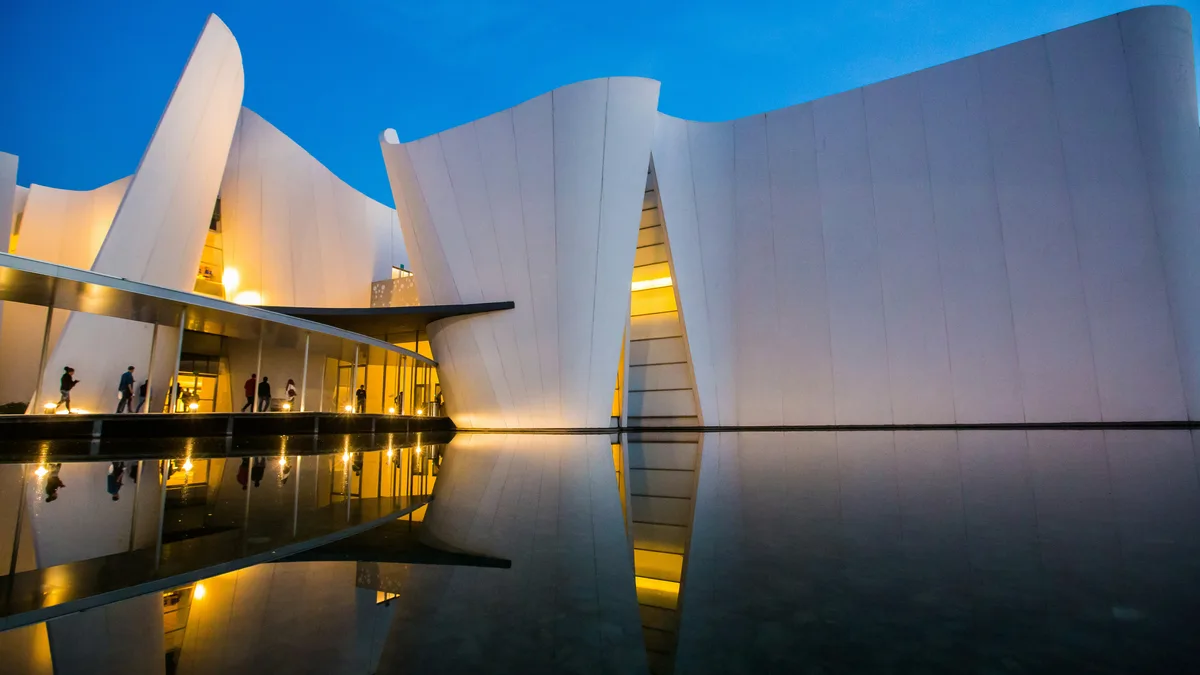
A private tour to the Great Pyramid of Cholula, the Temple of San Francisco Acatepec, the Temple of Santa María Tonantzintla, and the real International Baroque Museum.
Visitor guide
The Great Pyramid of Cholula, known in Nahuatl as Tlachihualtepetl, is a vast pre-Hispanic pyramid complex in Cholula, in the Mexican state of Puebla. Wikipedia describes it as the largest pyramid known by base and by volume, and it is topped by a colonial church, the Sanctuary of Our Lady of the Remedies.
Wikipedia gives the pyramid a height of about 25 meters, far shorter than the Great Pyramid of Giza at 146.6 meters. Its final base measures roughly 300 by 315 meters, covering about 94,500 square meters, and its volume is put at over 4.45 million cubic meters, compared with about 2.5 million for Giza. That is the basis of the claim that it is the largest pyramid by volume. The name means constructed mountain in Nahuatl, and the structure is traditionally associated with the god Quetzalcoatl, although the article describes this as a traditional view.
The pyramid was built over many centuries, from the Preclassic period and enlarged several times; the article describes four main stages running from the third century BC through the ninth century AD. Building A, from about 200 BC, was the earliest version. Building B, built about 200 to 350 AD, is known as the Pyramid of the Painted Skulls for its murals. Building C, the Pyramid of the Nine Stories, was built about 350 to 450 AD. The final phase covered the earlier structures, and its facing collapsed, giving the monument the look of a natural hill. Its architecture is closely tied to Teotihuacan, with influence from the Gulf Coast, especially El Tajin.
Adolph Bandelier took the first precise measurements in the 1880s. Architect Ignacio Marquina began tunneling in 1931, and by 1954 tunnels totaled about 8 kilometers. A larger project followed from 1966 to the early 1970s. Today only about 800 meters of tunnel are open to the public, and highlights include the Mural of the Drinkers, found in 1969 and about 57 meters long, showing scenes of pulque drinking. The Courtyard of the Altars on the south side includes platforms and carved altars. More than 400 burials have been found, mostly from the Postclassic period.
The Iglesia de Nuestra Senora de los Remedios was built on the summit in 1594. Wikipedia says that before the Spanish arrival the site was sacred to a rain goddess, Chiucnauhquiyahuitl, or Nine Rain, and that her veneration date was transferred to the Virgin of the Remedies. Because the church is a designated monument, the pyramid has never been fully excavated or restored. The site is managed by Mexico's INAH. A private guided visit can explain the layered history, from the tunnels to the church and the view over the surrounding valley.
See every tour and attraction we cover in Puebla City.