TorontoOntario · 36 tours
 Niagara FallsOntario · 25 tours
 New York CityNew York · 30 tours
 Las VegasNevada · 8 tours
 San FranciscoCalifornia · 16 tours
 VancouverBritish Columbia · 17 tours
 DubaiUAE · 54 tours
 Abu DhabiUAE · 5 tours
 Buenos AiresArgentina · 23 tours
 AthensGreece · 31 tours
 AucklandNew Zealand · 38 tours
 CancunMexico · 54 tours
No destinations match “”. Try searching all tours instead — that search understands full questions, not just place names.
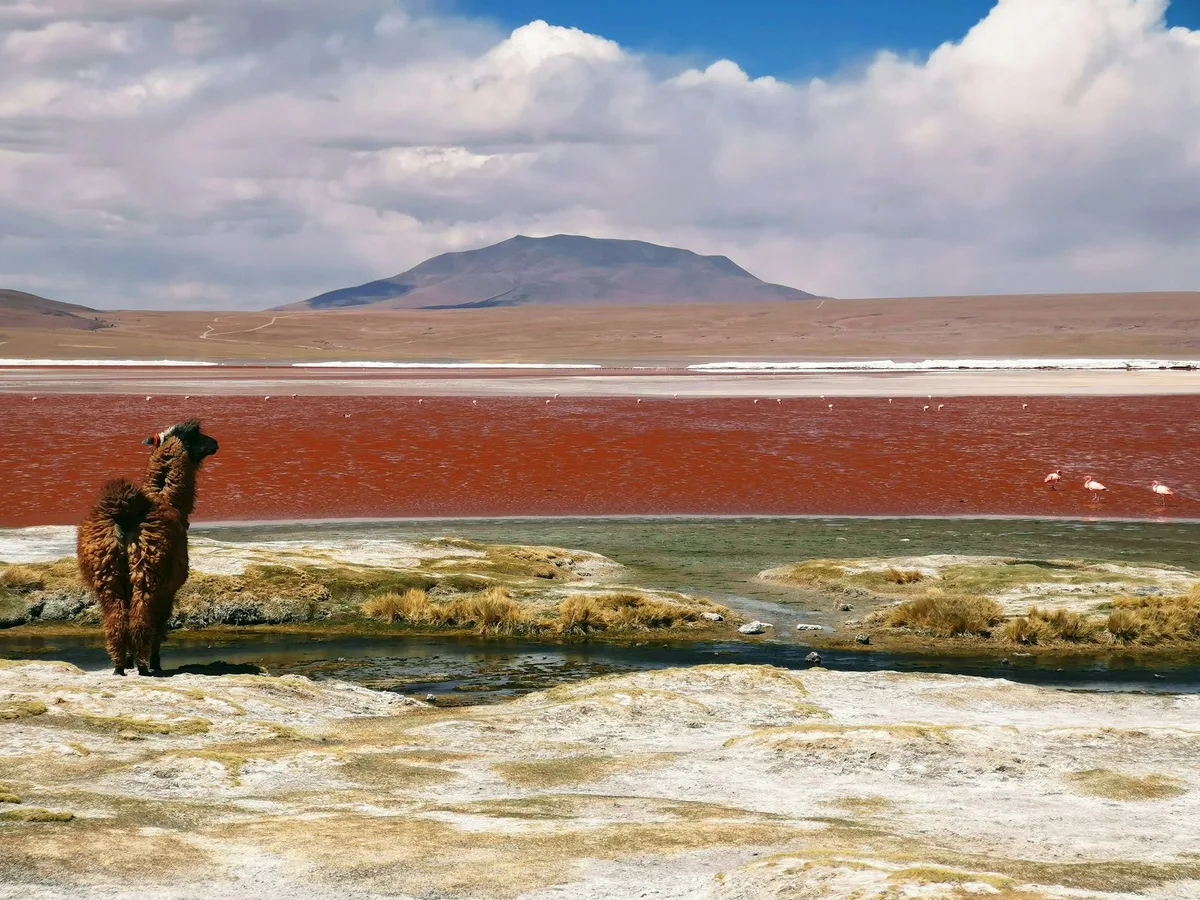
A high-altitude reserve in Bolivia's far southwest bordering Chile, home to the mineral-red waters of Laguna Colorada and its resident flamingo colonies, alongside geysers and hot springs.
 Multi-Day Tours
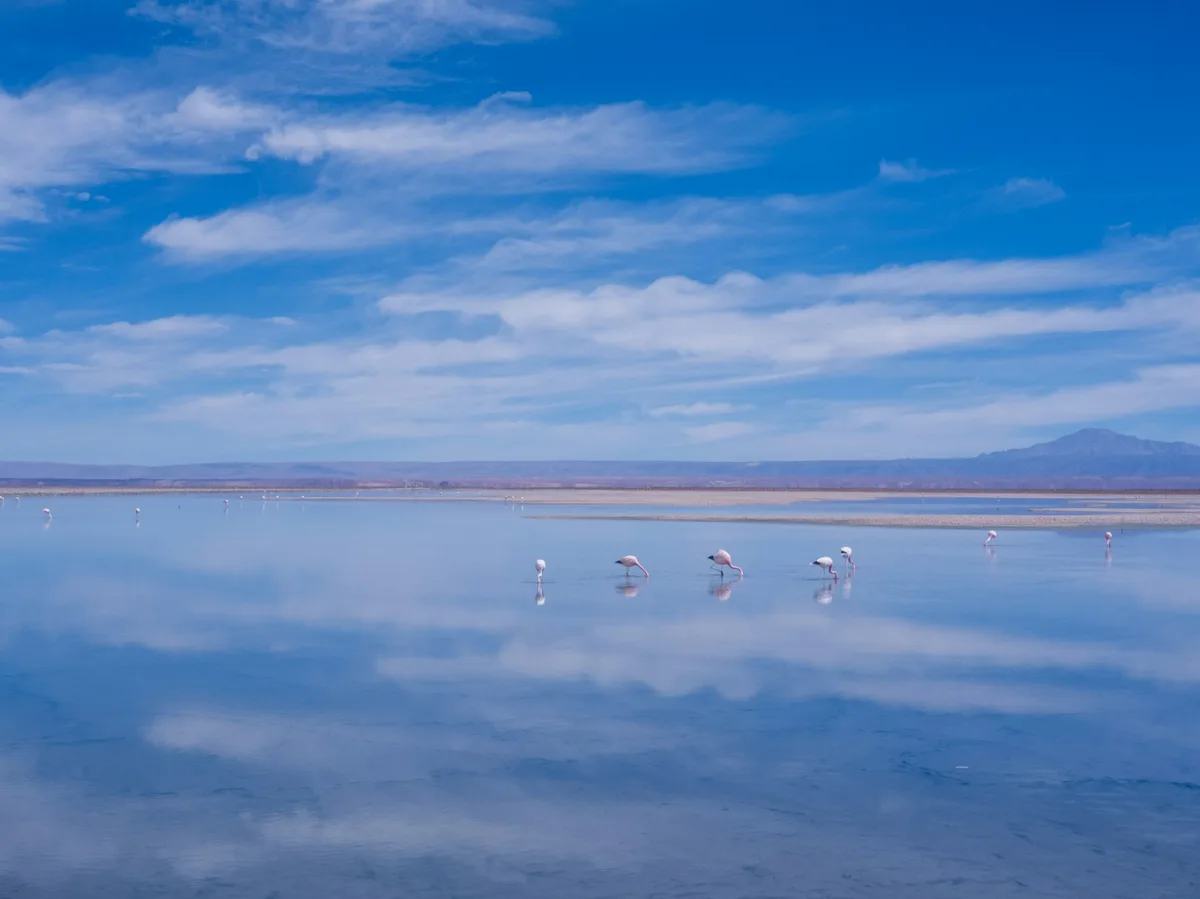
A week deep into Bolivia's southern wilderness — from La Paz across the high desert to the blood-red waters of Laguna Colorada, flamingo-filled lagoons, and the blinding white expanse of the Salar de Uyuni.
 Multi-Day Tours
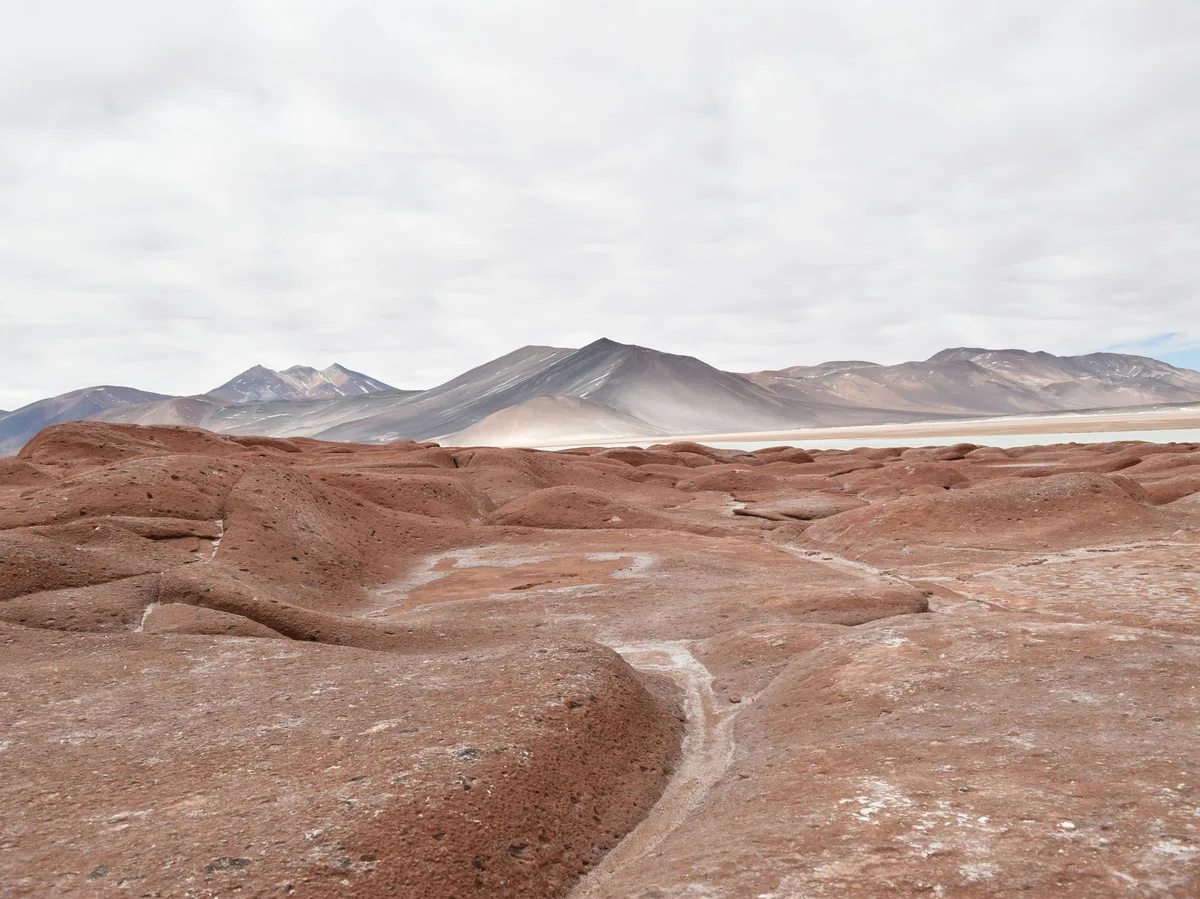
An eight-day desert crossing linking Bolivia's South Lipez region with Chile's San Pedro de Atacama — colored lagoons, geysers and hot springs on one side of the border, the Moon Valley and Atacama's salt flats on the other.
 Multi-Day Tours
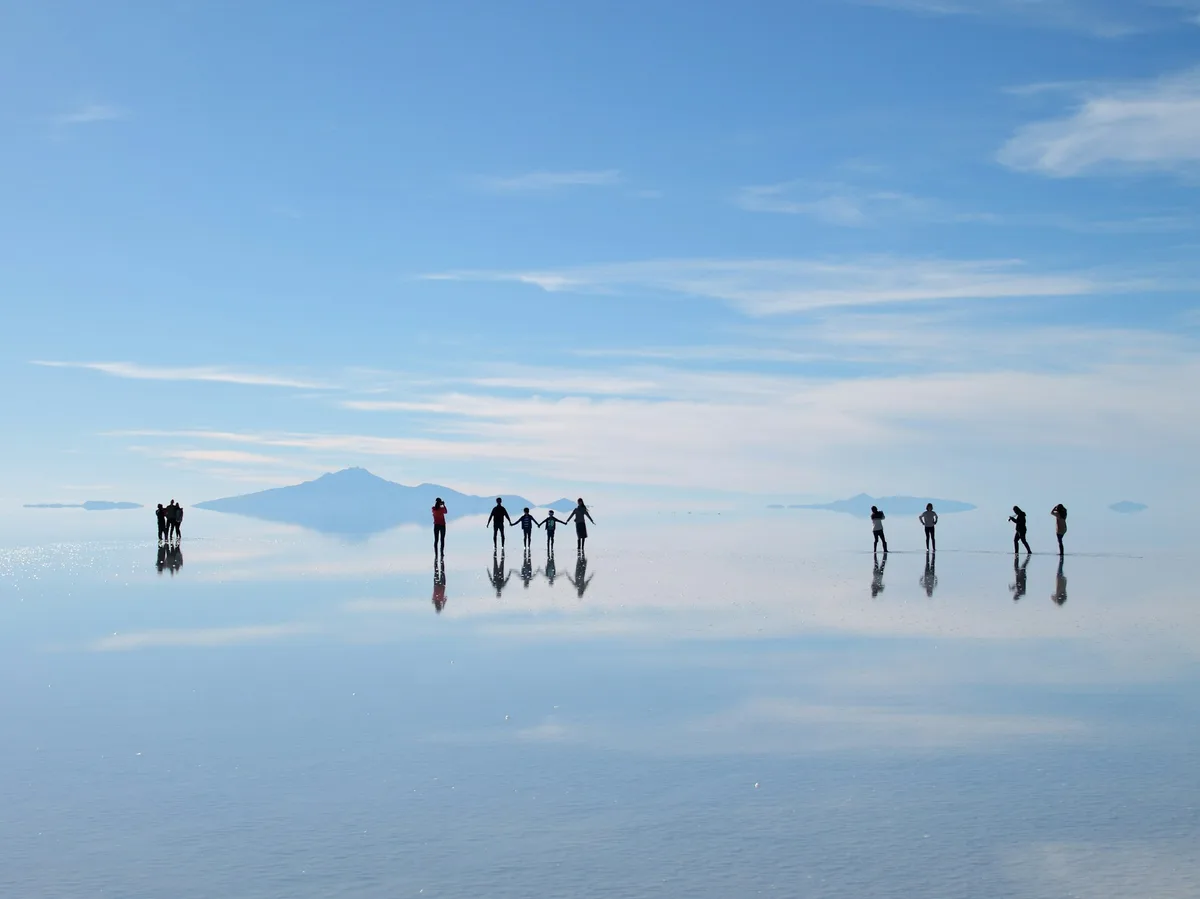
Eight days from La Paz through Bolivia's dramatic south — the Uyuni salt flats, a hike up Tunupa Volcano, otherworldly desert lagoons, and hot spring soaks before returning to the capital.
 Multi-Day Tours
Bolivia's full range in 20 days — Santa Cruz and Amboró National Forest, the colonial cities of Sucre and Potosí, the salt flats and lagoons of South Lipez, Lake Titicaca, and a finale deep in the Amazon rainforest near Rurrenabaque.
 Multi-Day Tours
Fifteen days from Chile's Atacama Desert into the heart of Bolivia — geysers and the Moon Valley around San Pedro de Atacama, then across the border to South Lipez's colored lagoons, the Uyuni salt flats, Potosí, Sucre and La Paz.
Visitor guide
The Eduardo Avaroa Andean Fauna National Reserve is a protected area in the Sud Lipez province of Bolivia's Potosi department, in the far southwest of the country near the Chilean border. At altitudes between 4,200 and 5,400 metres, it protects lagoons, volcanoes, geothermal fields and flamingo habitat.
The reserve was created by supreme decree on 13 December 1973 and extended on 14 May 1981. It covers 714,745 hectares, is classified as IUCN Category IV, a habitat and species management area, and is administered by SERNAP. Since 2009 the entire reserve has been part of the larger Los Lipez Ramsar site. It is named after Eduardo Avaroa, a Bolivian war hero of the War of the Pacific who lived from 1838 to 1879.
Laguna Colorada lies at 4,278 metres and covers about 60 square kilometres. It is very shallow, less than a metre deep, and supports some 40 bird species. Its reddish colour comes from wind and sun acting on the microorganisms living in the water. Its pink algae feed James's flamingos, which are among the three flamingo species in the reserve alongside the Andean and Chilean flamingos. A 1994 count recorded 26,600 flamingos across the reserve.
Laguna Verde and Laguna Blanca are named among the reserve's notable lakes, each distinguished by its colour and chemistry. Laguna Verde is pictured with the Licancabur volcano, which rises to 5,920 metres on the border with Chile. Other high volcanoes include Uturuncu and Ollague, and Sairecabur at 5,971 metres is the highest peak the article lists within the reserve.
Sol de Manana is a geothermally active area of geysers, fumaroles and hot springs. The Arbol de Piedra, or Stone Tree, is a rock formation about seven metres high on the Siloli sand dunes, roughly 18 kilometres north of Laguna Colorada, carved into the shape of a stunted tree by wind-blown sand.
The reserve hosts about 80 bird species, including Andean geese, lesser rheas and puna tinamous. Mammals include the vicuna, guanaco, Andean fox and puma, and the Andean condor is also present. The climate is extremely dry, with about 76 millimetres of rain a year, and the average temperature is only about 3 degrees Celsius, with the coldest period in May, June and July.
Winters from May to August are dry, and summers from December to April are generally rainless, so the extreme cold rather than rainfall defines the seasons. The reserve sits among several high volcanoes near the borders with Argentina and Chile, giving the plateau its stark, open skyline.
Local communities of Quetena Chico and Quetena Grande rely on camelid farming, tourism and some gold panning, and mining is also significant, with 61 concessions in the park according to Wikipedia. The article reports about 153,000 visitors in 2018, making it Bolivia's most visited protected area. The high altitude and cold make a private guided visit with a driver a practical way to see the reserve's lagoons and geothermal areas.
See every tour and attraction we cover in Bolivia.