TorontoOntario · 36 tours
 Niagara FallsOntario · 25 tours
 New York CityNew York · 30 tours
 Las VegasNevada · 8 tours
 San FranciscoCalifornia · 16 tours
 VancouverBritish Columbia · 17 tours
 DubaiUAE · 54 tours
 Abu DhabiUAE · 5 tours
 Buenos AiresArgentina · 23 tours
 AthensGreece · 31 tours
 AucklandNew Zealand · 38 tours
 CancunMexico · 54 tours
No destinations match “”. Try searching all tours instead — that search understands full questions, not just place names.
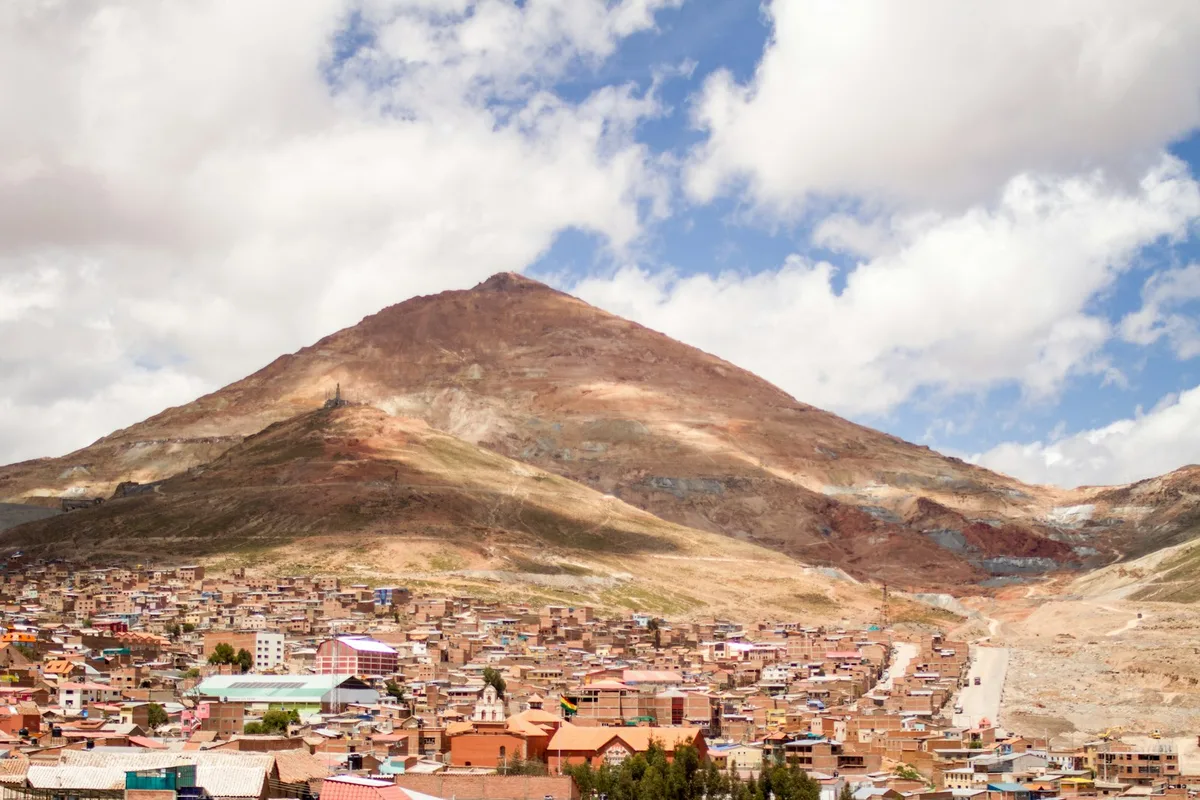
A colonial mining city built on silver wealth extracted from Cerro Rico, the mountain looming over it, once one of the richest and largest cities in the world.
 Multi-Day Tours
A grand 20-day journey across Peru and Bolivia — from Lima, Arequipa and Colca Canyon, across Lake Titicaca into La Paz, the Uyuni salt flats, Potosí and Sucre, before returning through Tiwanaku to Cusco and Machu Picchu.
 Multi-Day Tours
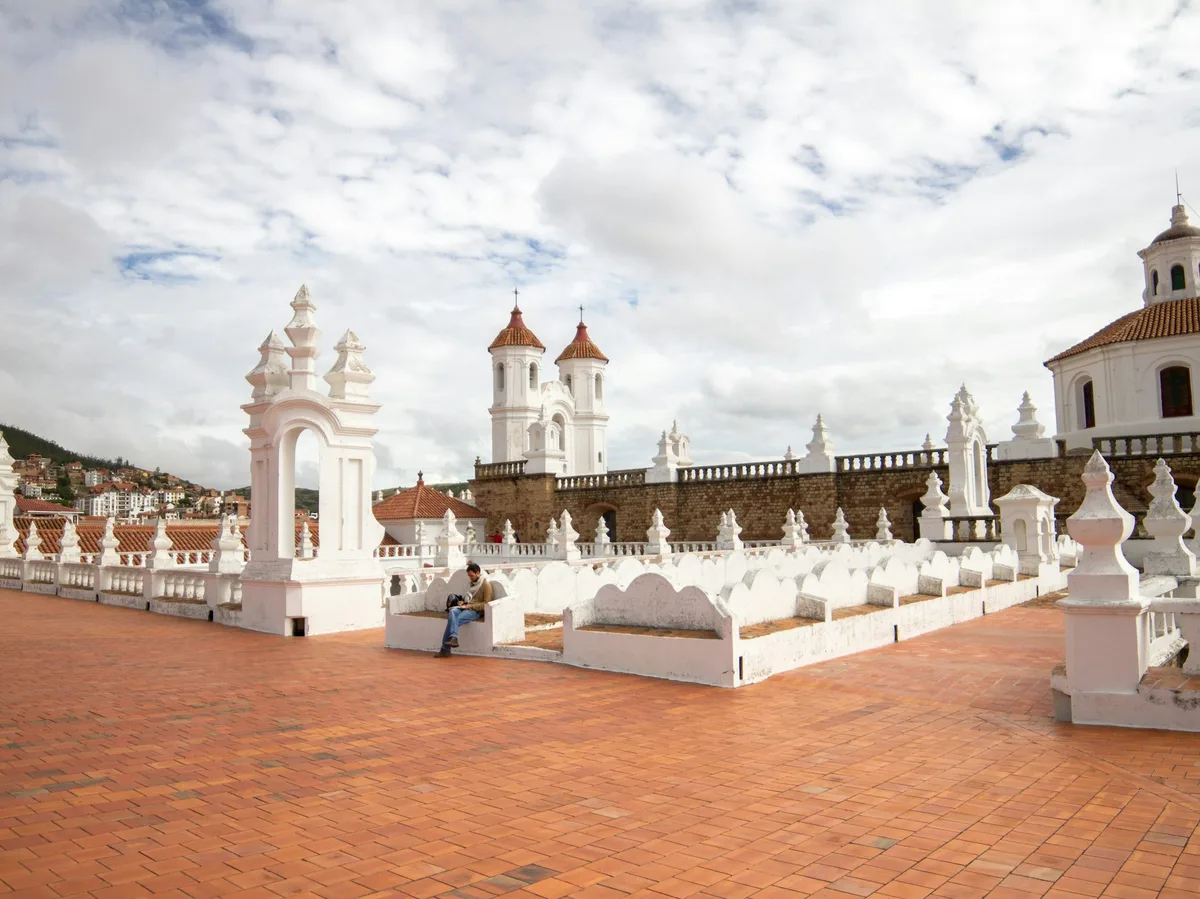
A week through Bolivia's colonial heart — La Paz's Valley of the Moon, the whitewashed streets of Sucre, the silver-mining history of Potosí, and a finale on the Uyuni salt flats.
 Multi-Day Tours
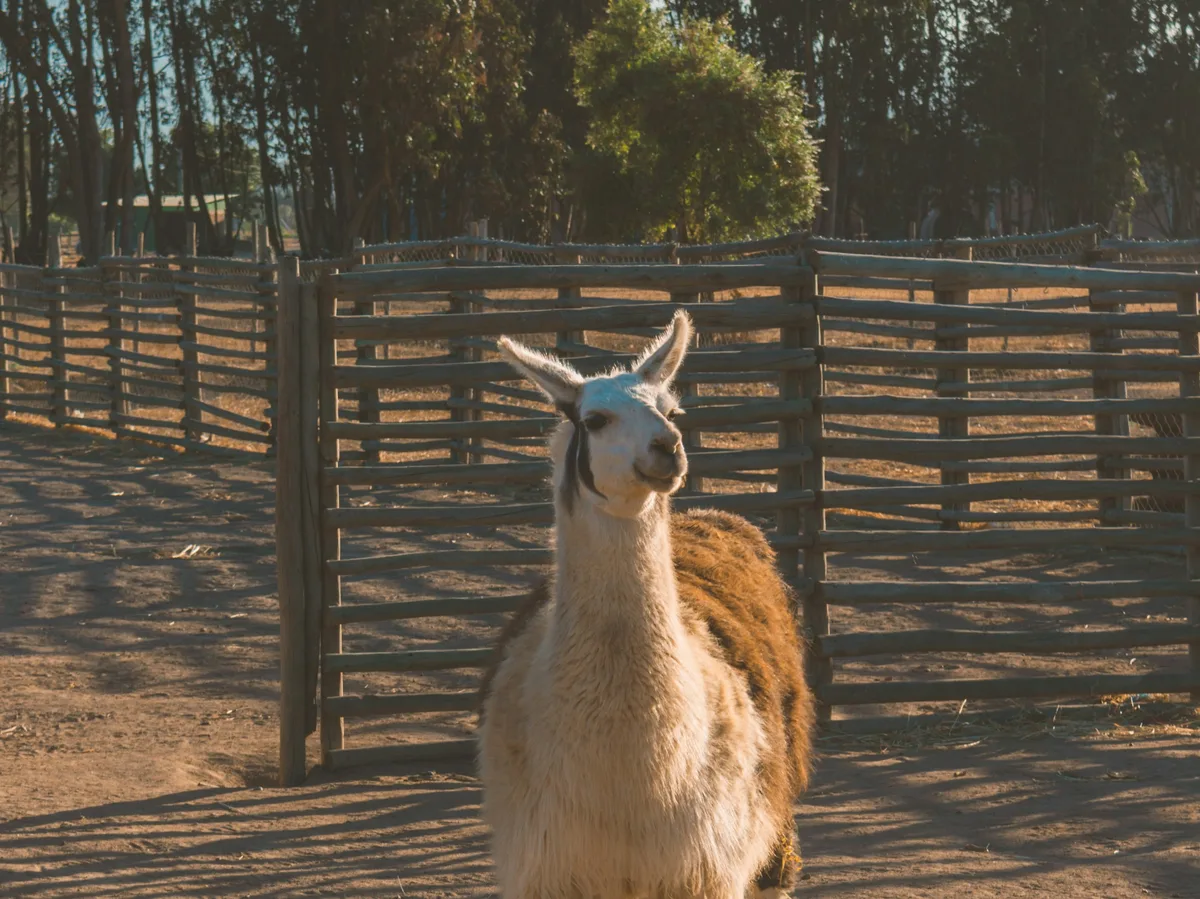
Bolivia's full range in 20 days — Santa Cruz and Amboró National Forest, the colonial cities of Sucre and Potosí, the salt flats and lagoons of South Lipez, Lake Titicaca, and a finale deep in the Amazon rainforest near Rurrenabaque.
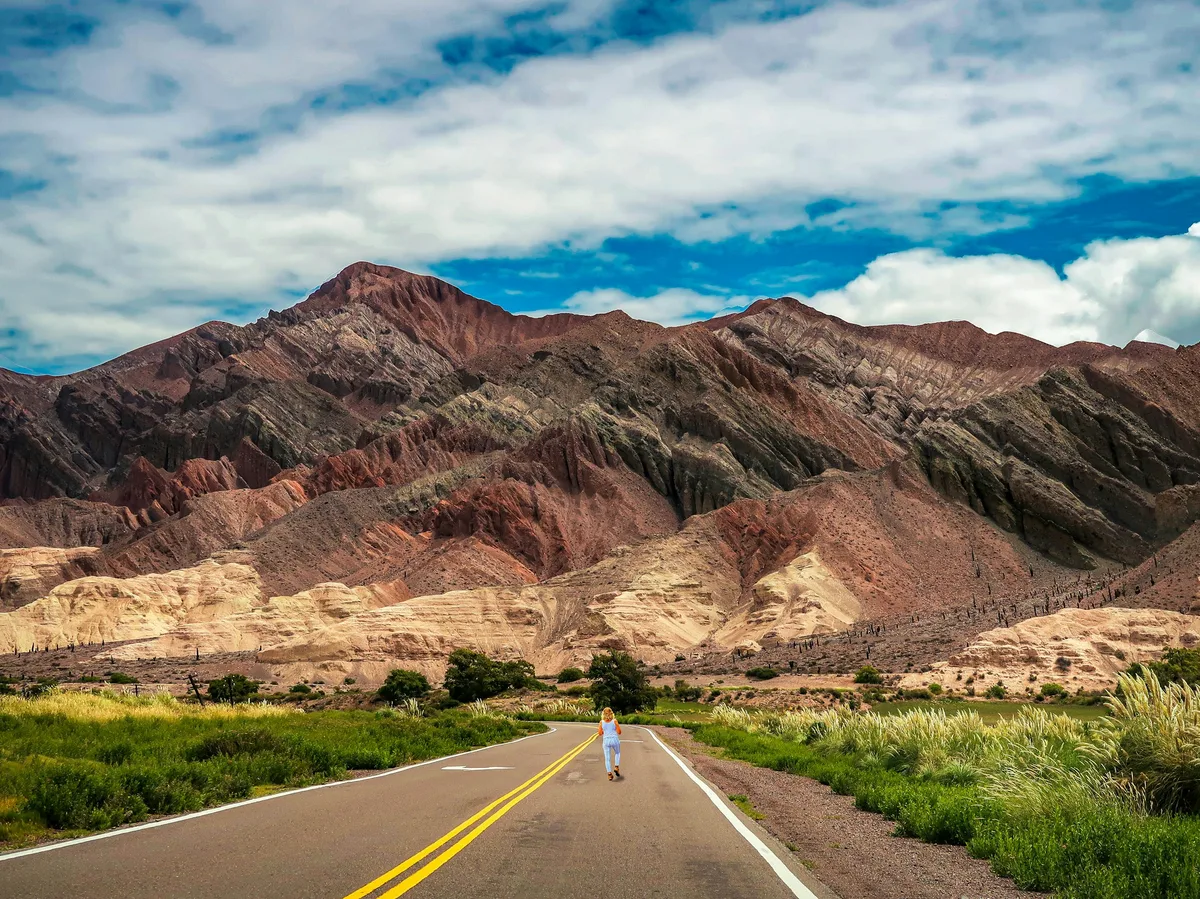 Multi-Day Tours
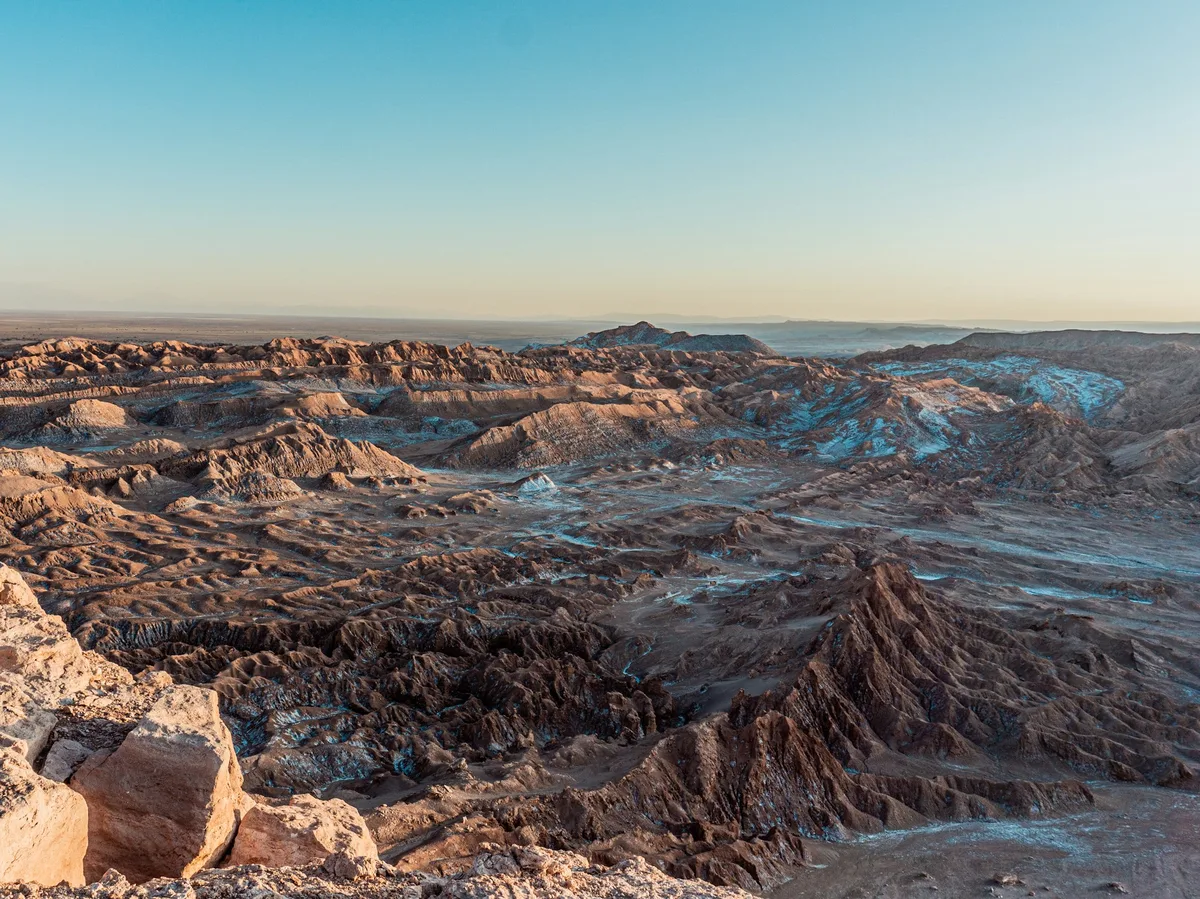
Fifteen days from Chile's Atacama Desert into the heart of Bolivia — geysers and the Moon Valley around San Pedro de Atacama, then across the border to South Lipez's colored lagoons, the Uyuni salt flats, Potosí, Sucre and La Paz.
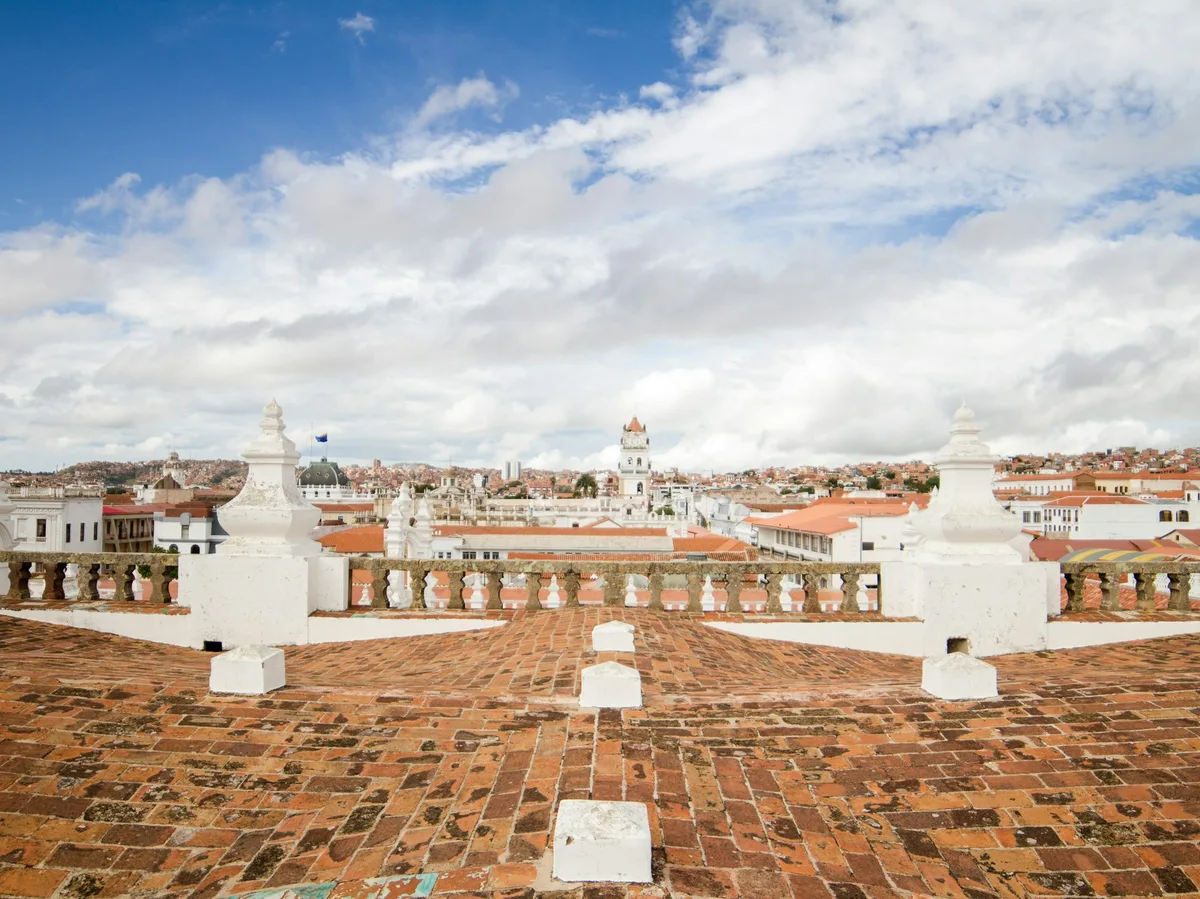 Multi-Day Tours
Sixteen days covering Bolivia's essentials — Santa Cruz, the colonial cities of Sucre and Potosí, the Uyuni salt flats and South Lipez, Lake Titicaca's islands, and a hands-on community stay by Laguna Tuni near La Paz.
Visitor guide
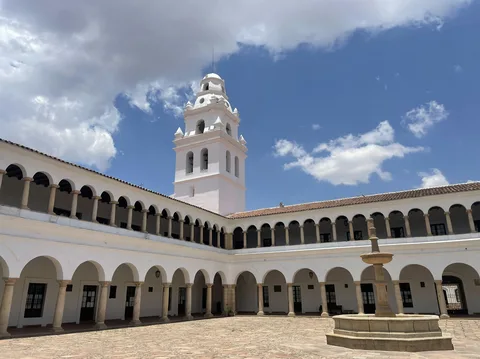
Potosi is a high-altitude city in southern Bolivia founded in 1545 as a mining town beside Cerro Rico, the silver mountain that made it one of the great cities of the Spanish Empire. Its colonial centre was designated a UNESCO World Heritage Site in 1987, and the mountain still dominates the skyline.
Cerro Rico, also called Cerro Potosi or Sumaq Urqu in Quechua, rises to roughly 4,800 metres. Wikipedia says that in 1545 Diego de Huallpa, a Quechua miner working for the Spanish, found the mountain, though the tradition is not firmly documented. It was the main silver supply of the Spanish Empire until Guanajuato in Mexico overtook it in the 18th century, and the article credits it with an estimated 60 percent of world silver output in the second half of the 16th century, while giving other estimates elsewhere. Silver travelled by llama and mule to the Pacific coast, then through Panama to Spain.
By 1565 high-grade ore was largely exhausted, but the patio process, using mercury to form silver amalgams, revived production from low-grade ore. The Crown taxed mining heavily, and pieces of eight were minted at Potosi. The phrase to be worth a Potosi entered the Spanish language as shorthand for great wealth.
In 1574 Viceroy Francisco de Toledo reintroduced the mita, an annual labour system adapted from the Inca Empire, under which around 13,000 men a year were conscripted. Mitayos mostly carried ore up steep ladders in narrow shafts, and mercury poisoning and pneumonia were common. Historians disagree on how heavily the mita weighed in the workforce, and claims of eight million deaths may refer to the whole Viceroyalty of Peru. The mountain earned the nickname the mountain that eats men.
A 1603 description estimated about 6,000 Spaniards and other Europeans, 5,000 Africans and at least 120,000 Andeans. The city's population reportedly exceeded 200,000, and the claim that it was the second-largest city in the world after London is flagged as disputed. The historic centre keeps its Spanish grid and the large churches of Dominican, Franciscan, Augustinian, Mercedarian and Jesuit orders. The Casa de la Moneda, the former colonial mint, is now the National Mint of Bolivia museum; according to Wikipedia, during the independence wars Belgrano ordered it blown up but Indigenous workers removed the fuse.
As silver prices fell by 1891 the focus shifted to tin, which continued until 1985. Today Cerro Rico is mined by cooperatives working underground and by an open-pit mine, with output mainly tin and zinc. Centuries of mining reshaped the hill, a sinkhole opened at the summit in 2011, and UNESCO added Potosi to its list of endangered sites in 2014 citing uncontrolled mining. Miners often lack protective equipment and many develop silicosis.
A private guided visit explores the colonial centre, the mint and the history of the mountain, and a guide can explain the difficult human story behind the silver.
See every tour and attraction we cover in Bolivia.