TorontoOntario · 36 tours
 Niagara FallsOntario · 25 tours
 New York CityNew York · 30 tours
 Las VegasNevada · 8 tours
 San FranciscoCalifornia · 16 tours
 VancouverBritish Columbia · 17 tours
 DubaiUAE · 54 tours
 Abu DhabiUAE · 5 tours
 Buenos AiresArgentina · 23 tours
 AthensGreece · 31 tours
 AucklandNew Zealand · 38 tours
 CancunMexico · 54 tours
No destinations match “”. Try searching all tours instead — that search understands full questions, not just place names.
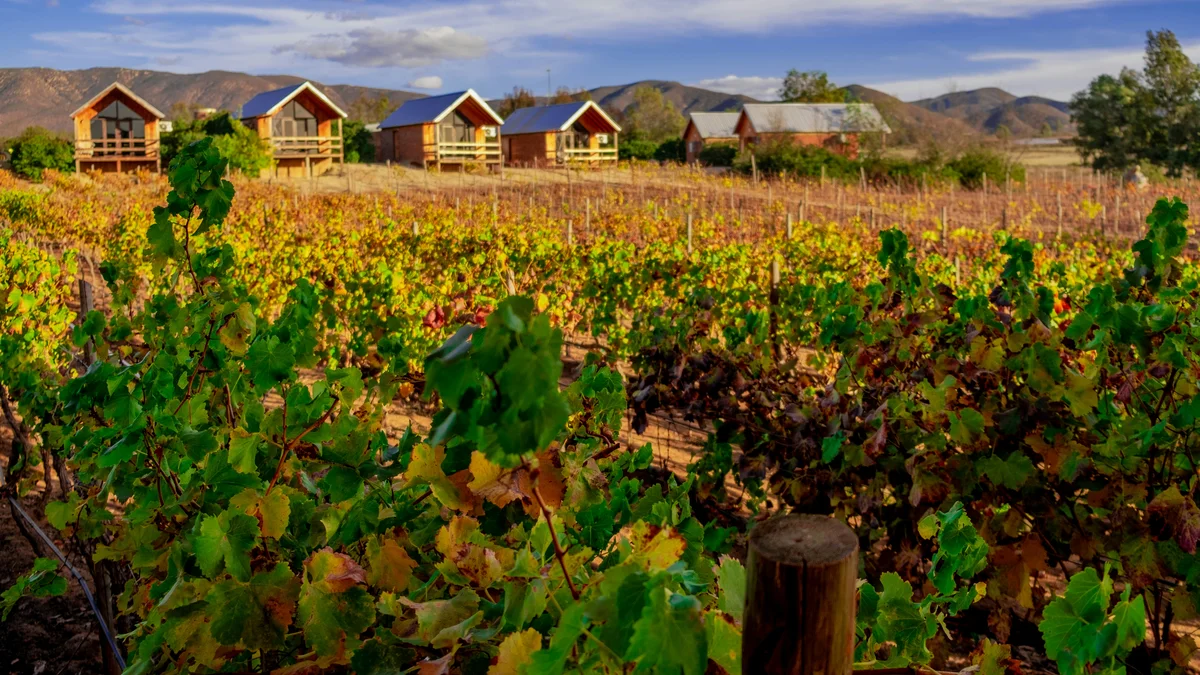
Valle de Guadalupe is Mexico's premier wine region, about 90 minutes from Tijuana near Ensenada, home to dozens of boutique wineries, vineyards, and acclaimed farm-to-table restaurants.
 Wine Tours
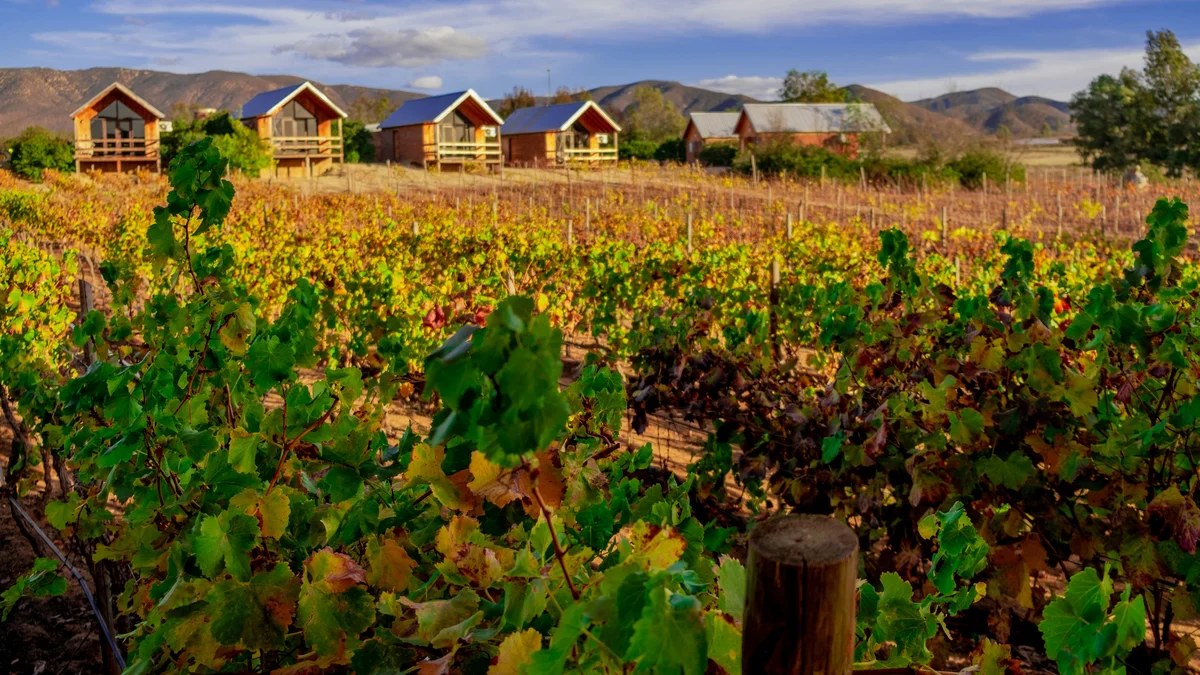
A fully private, custom-scheduled wine tour through Valle de Guadalupe from Tijuana, with a livelier party atmosphere than a standard tasting day — cocktails, tequila, and guided visits to real vineyards in Mexico's premier wine region.
 Wine Tours
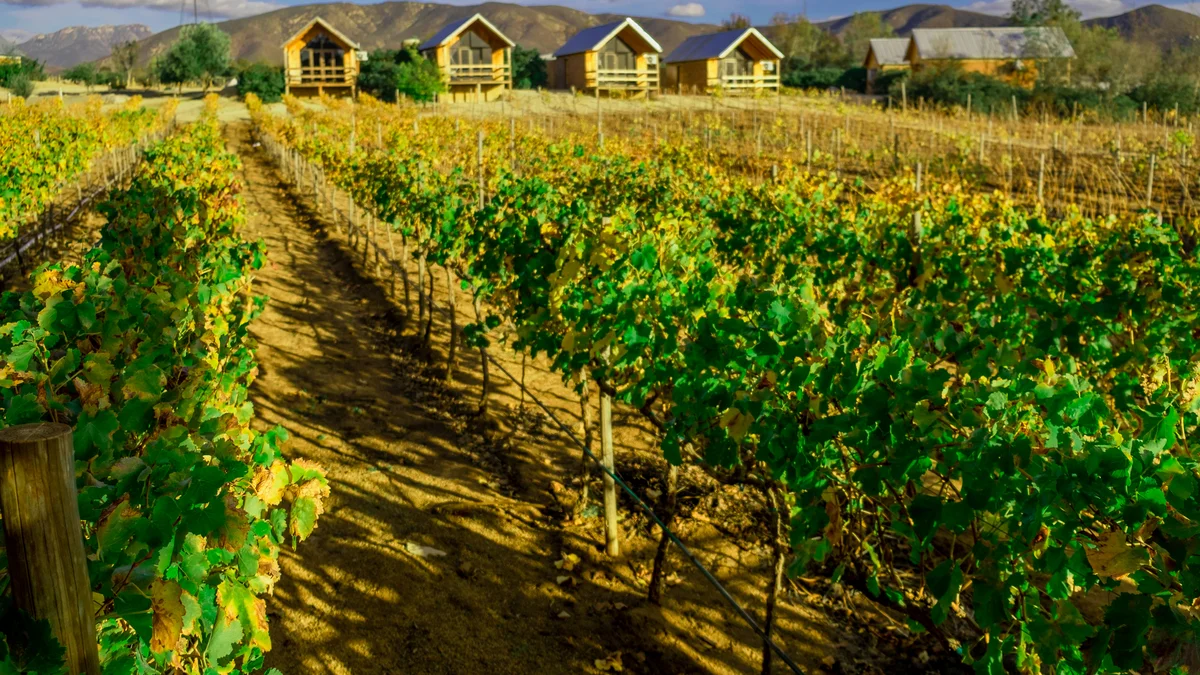
A luxury private wine tour through Valle de Guadalupe, Mexico's premier wine region, with a fully customized itinerary covering three to four boutique wineries, curated tastings, and the option to pair your day with lunch at Deckman's en el Mogor, Finca Altozano, or Envero en el Valle.
 Wine Tours
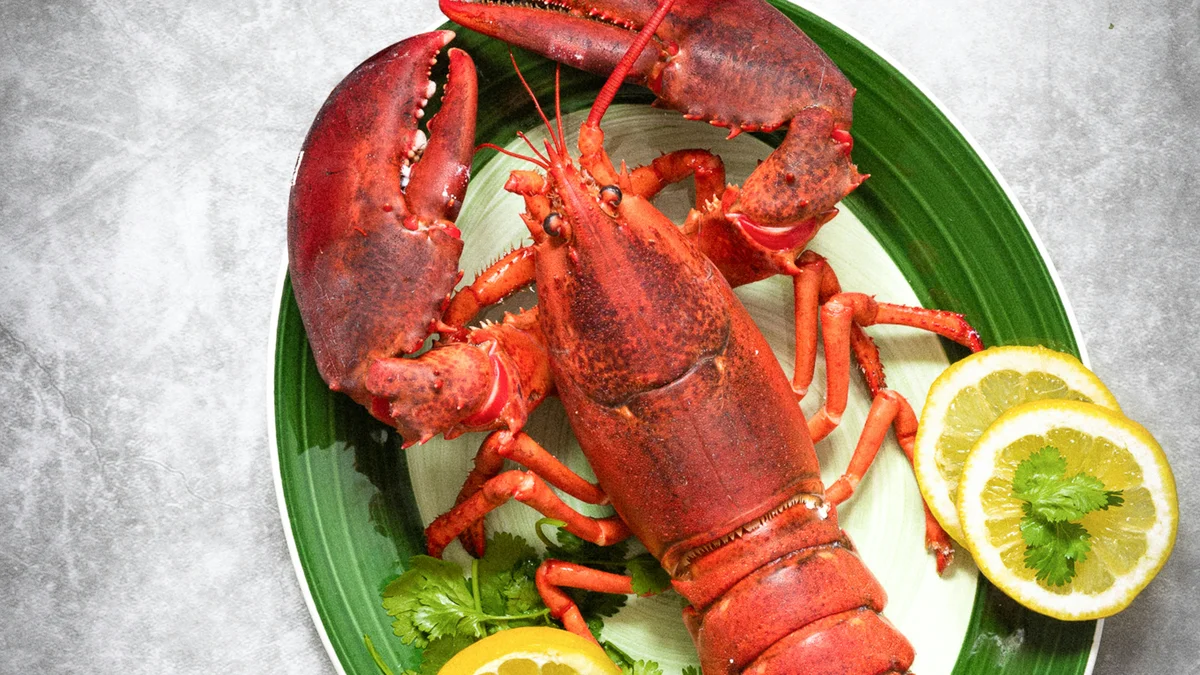
A private, air-conditioned day exploring Valle de Guadalupe — often called Mexico's answer to Napa Valley — with the choice to visit wineries and restaurants as you like, including a stop in Puerto Nuevo, the real lobster village famous for Baja-style lobster served with tortillas, beans, and rice.
 Wine Tours
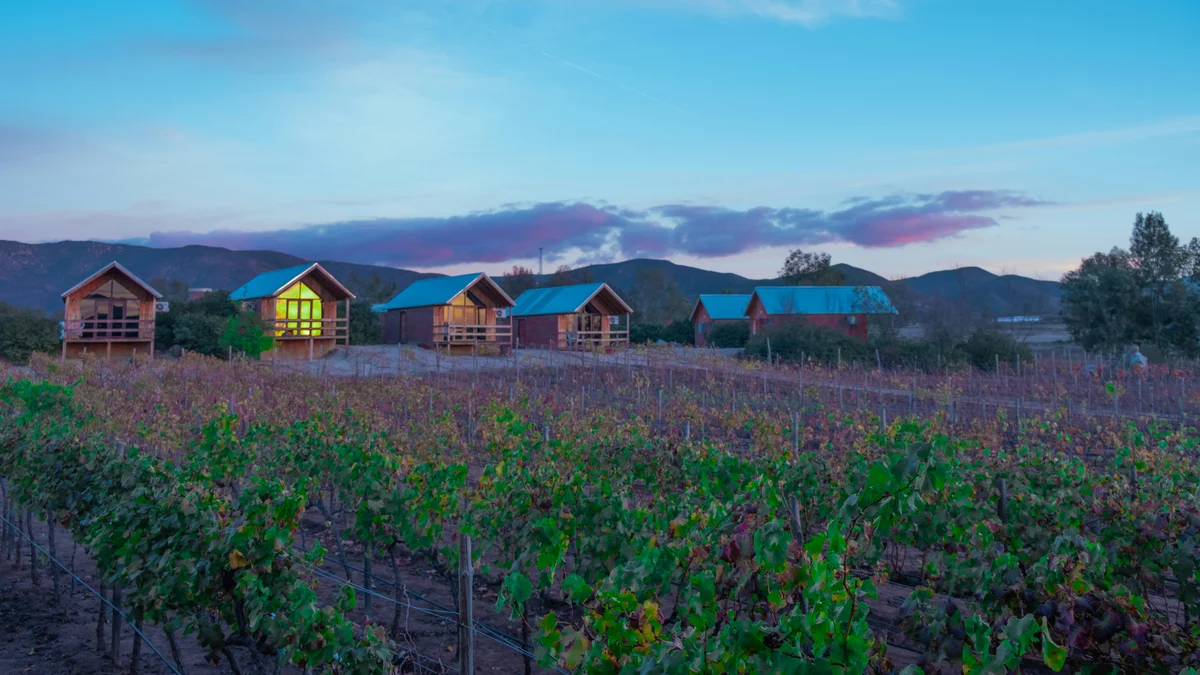
A seamless private Valle de Guadalupe wine day designed for guests crossing from the US side — meet your local guide just steps from the pedestrian border crossing and spend the day exploring wineries, restaurants, breweries, or scenic viewpoints built entirely around your own preferences.
Visitor guide
Valle de Guadalupe is a wine-producing valley in the municipality of Ensenada, Baja California, Mexico. Wikipedia describes it as an agricultural region that produces an estimated 70 percent of Mexican wine and has become a popular destination for wine and Baja Med cuisine. It lies about 113 kilometres southeast of the San Diego to Tijuana border crossing, which is why it is a natural excursion from Tijuana.
The valley covers roughly 66,353 hectares and is rimmed with granite hills, with the Guadalupe Arroyo running beneath a smooth valley floor of sandy but fertile soil. Water appears on the surface only after heavy rain. It slopes gently from northeast to southwest at an average elevation of about 344 metres, and the margins of the plain are made of reddish alluvial fans from the surrounding hillsides. Chaparral covers the rocky slopes, live oaks grow in damp narrow canyons, and agave and cactus are found throughout. The climate is Mediterranean, with cool rainy winters and dry warm summers moderated by ocean breezes; the Spanish-language article notes that the rainy season runs roughly from November to March.
Wikipedia says archaeological research suggests the valley has been occupied for 7,000 to 10,000 years. The Kumeyaay, also spelled Kumiai, called the area Oja cunurr, meaning painted cave, after a large overhanging granite boulder with coloured pictographs. In 1834 the Dominican missionary Father Felix Caballero founded Mision de Nuestra Senora de Guadalupe del Norte, the last Dominican mission in Baja California. The mission raised cattle and grew wheat, vegetables, grapevines and fruit trees, but it survived only until 1840, when a rebellion led by the Kumeyaay captain Jatnil led to its abandonment.
In 1905 the former mission ranch was sold to a colony of Russian Molokans, religious dissenters who had fled persecution in Russia and, according to the Spanish article, had previously settled in Los Angeles. English Wikipedia says about 104 families moved to Guadalupe between 1905 and 1911 and built a linear village of whitewashed adobe houses with steeply pitched, Russian-style roofs. They worshipped in simple buildings without icons and stressed sobriety, pacifism and communalism, and the Spanish article adds that they turned to growing vines only in the mid-1920s. Waves of emigration followed the 1911 Magonista rebellion and later land reform, and by the early 1990s only one family of so-called pure Russians remained, although descendants married into local families.
Wikipedia explains that as border cities grew in the twentieth century and crowded out vineyards, the centre of Mexican viticulture moved south to Valle de Guadalupe. In 1972 Casa Pedro Domecq began the modern winemaking industry in the valley, and the winemaker Hugo D'Acosta and Hans Backhoff of Monte Xanic helped develop an educational programme for local growers. The article counts 6 wineries in 1999 and 25 in 2005, with boutique wineries offering food and lodging appearing around then, and says there were about 150 by 2023. The mild climate allows a wide range of grapes, from Malbec and Sauvignon Blanc to Tempranillo, with red Bordeaux varieties the most typical.
Many wineries have campestre restaurants serving farm-to-table food, and the area is a centre of Baja Med cuisine. The Association of Winemakers of Baja California has held the Fiestas de la Vendimia harvest festival each August since the 1990s. Wikipedia also records community concern about water supply and urban development, including a 2021 protest against a planned amphitheatre and a 2022 preservation campaign called Rescatemos el Valle. A private guided visit lets a group choose a pace and a small number of stops without relying on shared transport.
See every tour and attraction we cover in Tijuana.