TorontoOntario · 36 tours
 Niagara FallsOntario · 25 tours
 New York CityNew York · 30 tours
 Las VegasNevada · 8 tours
 San FranciscoCalifornia · 16 tours
 VancouverBritish Columbia · 17 tours
 DubaiUAE · 54 tours
 Abu DhabiUAE · 5 tours
 Buenos AiresArgentina · 23 tours
 AthensGreece · 31 tours
 AucklandNew Zealand · 38 tours
 CancunMexico · 54 tours
No destinations match “”. Try searching all tours instead — that search understands full questions, not just place names.
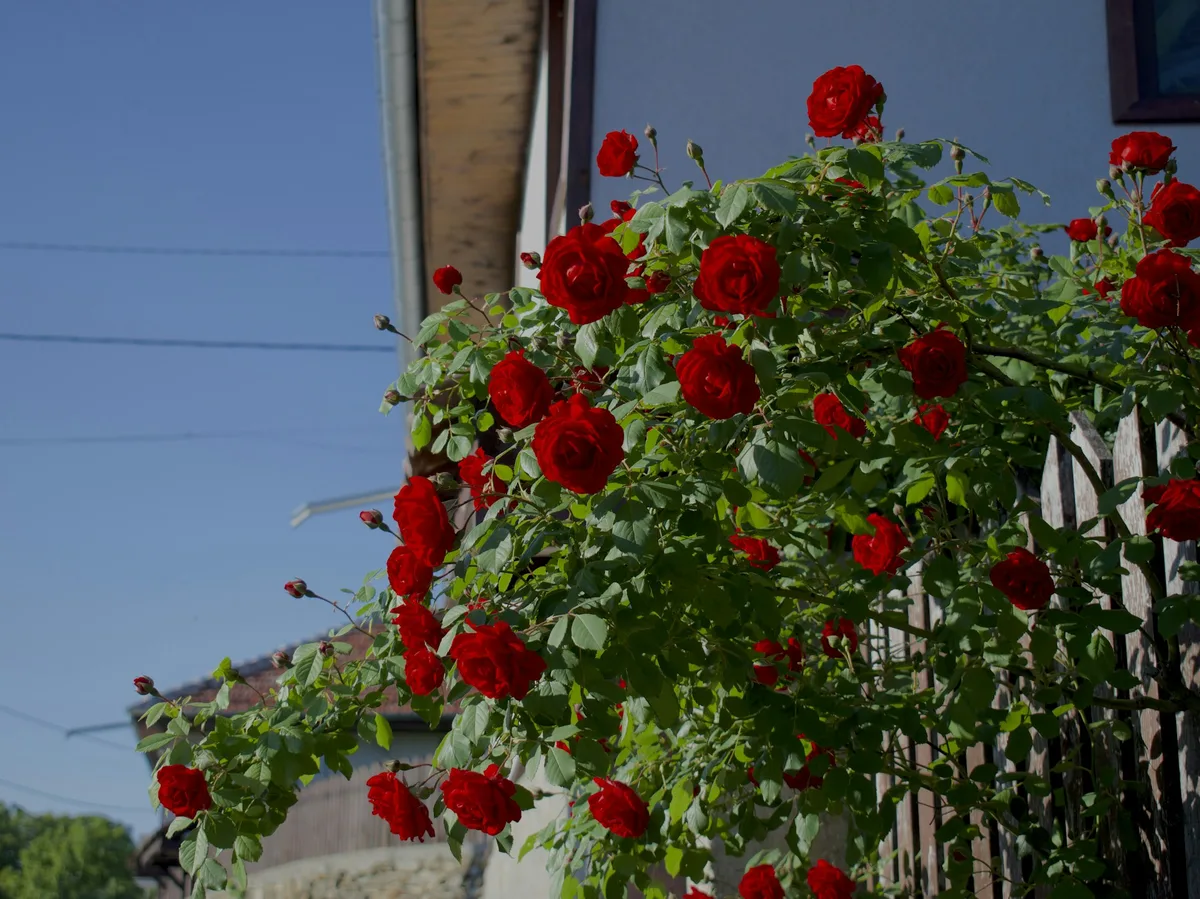
The region around Kazanlak has grown the Damask rose for centuries and remains one of the world's largest sources of rose oil, with distilleries and rose gardens open to visitors, especially during the spring harvest.
 Multi-Day Tours
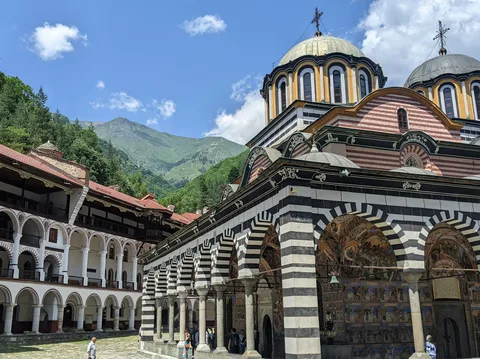
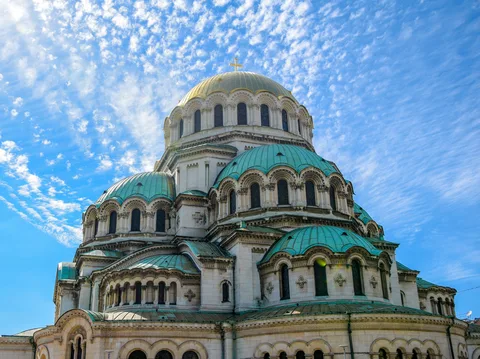
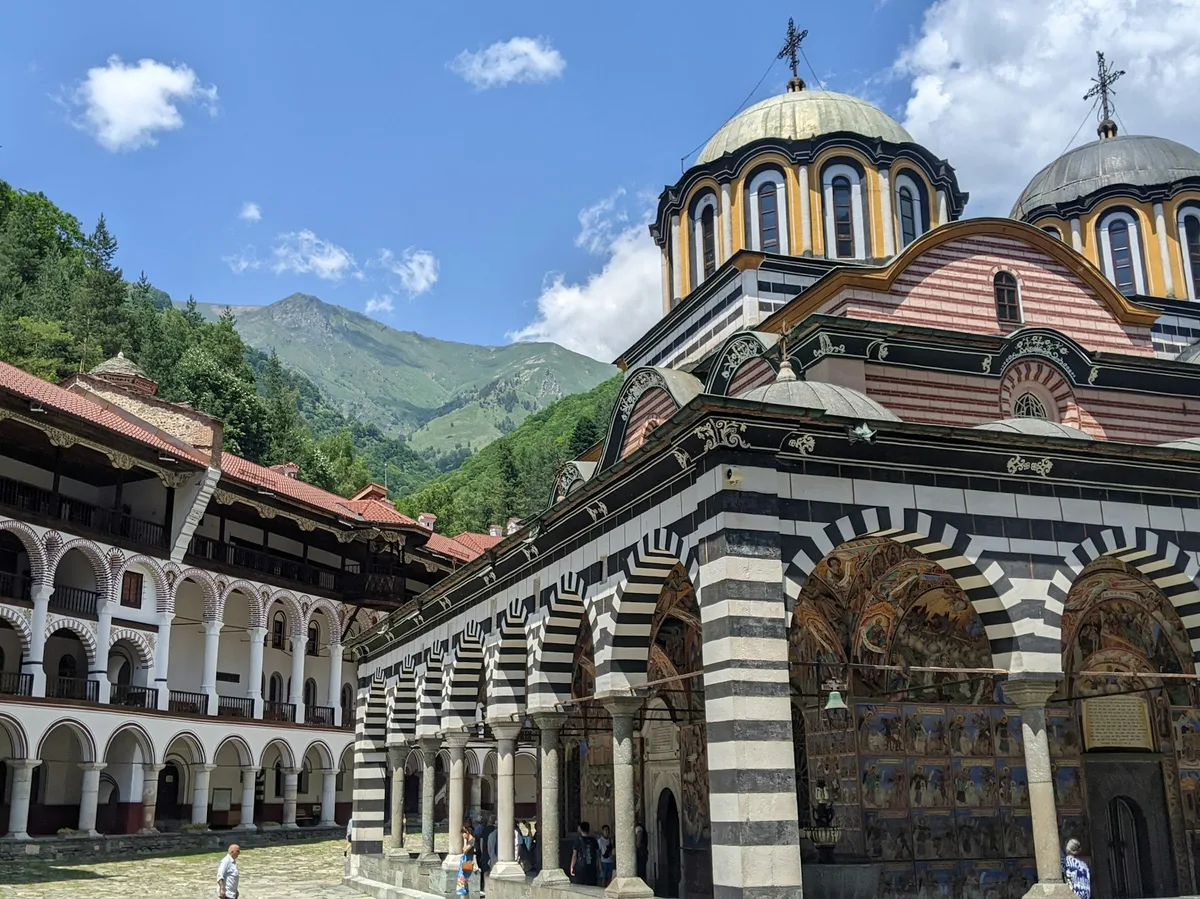
An 8-day private circuit built for photographers, from Sofia's cathedrals to Rila Monastery, a scenic mountain train through the Rhodopes, the Valley of Roses, and the fortress town of Veliko Tarnovo.
 Multi-Day Tours
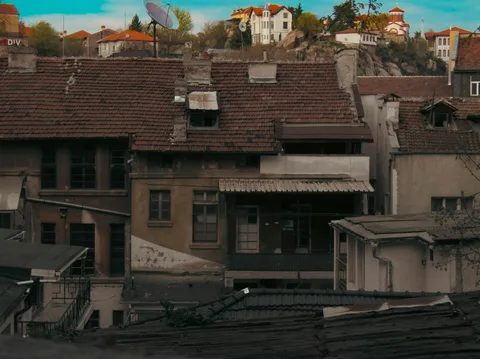
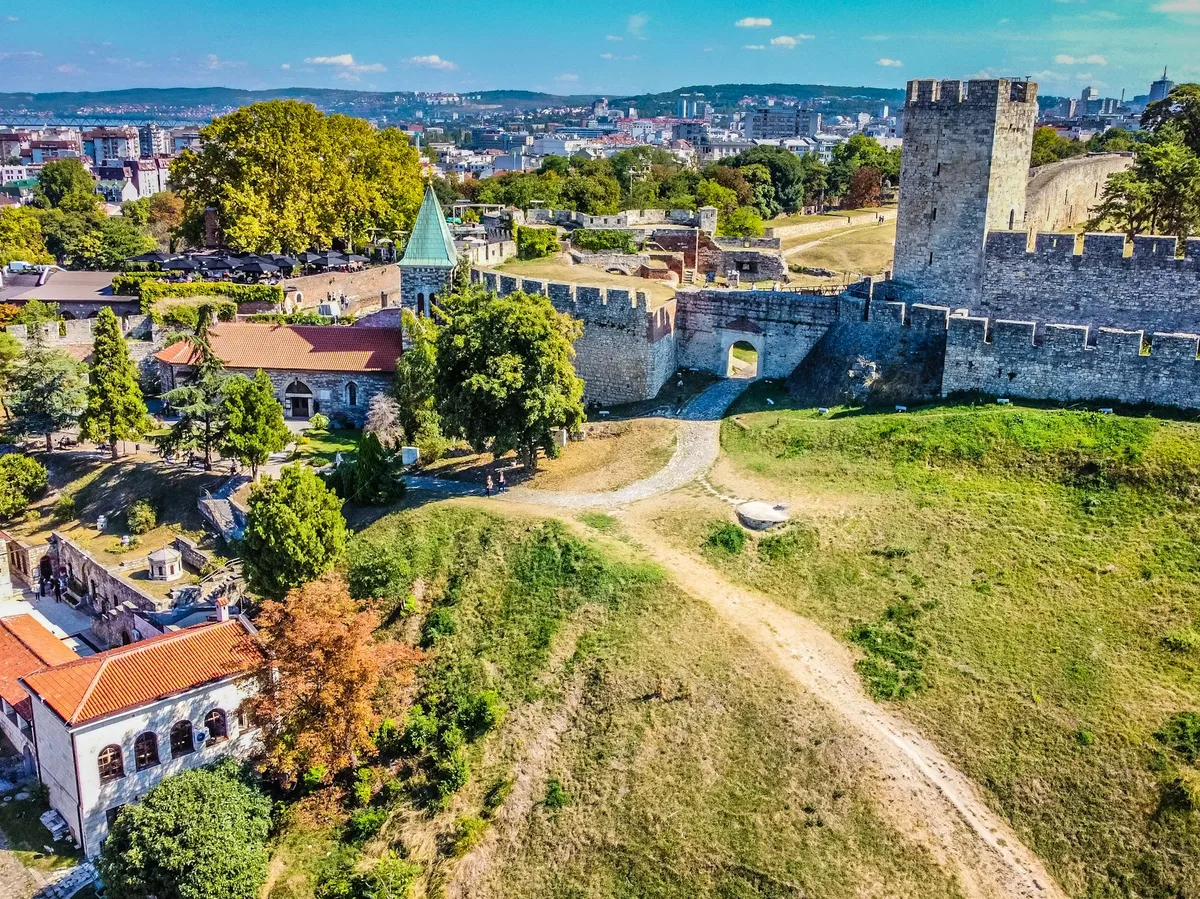
An 8-day journey pairing Serbia and Bulgaria — starting in Belgrade's fortresses and royal complexes, then crossing into Bulgaria for Sofia, Plovdiv, the Valley of Roses, Veliko Tarnovo, and the Belogradchik Rocks.
 Multi-Day Tours Popular Pick
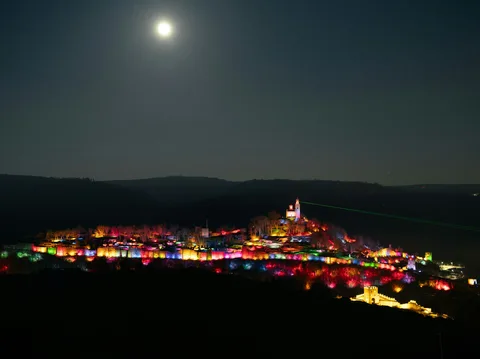
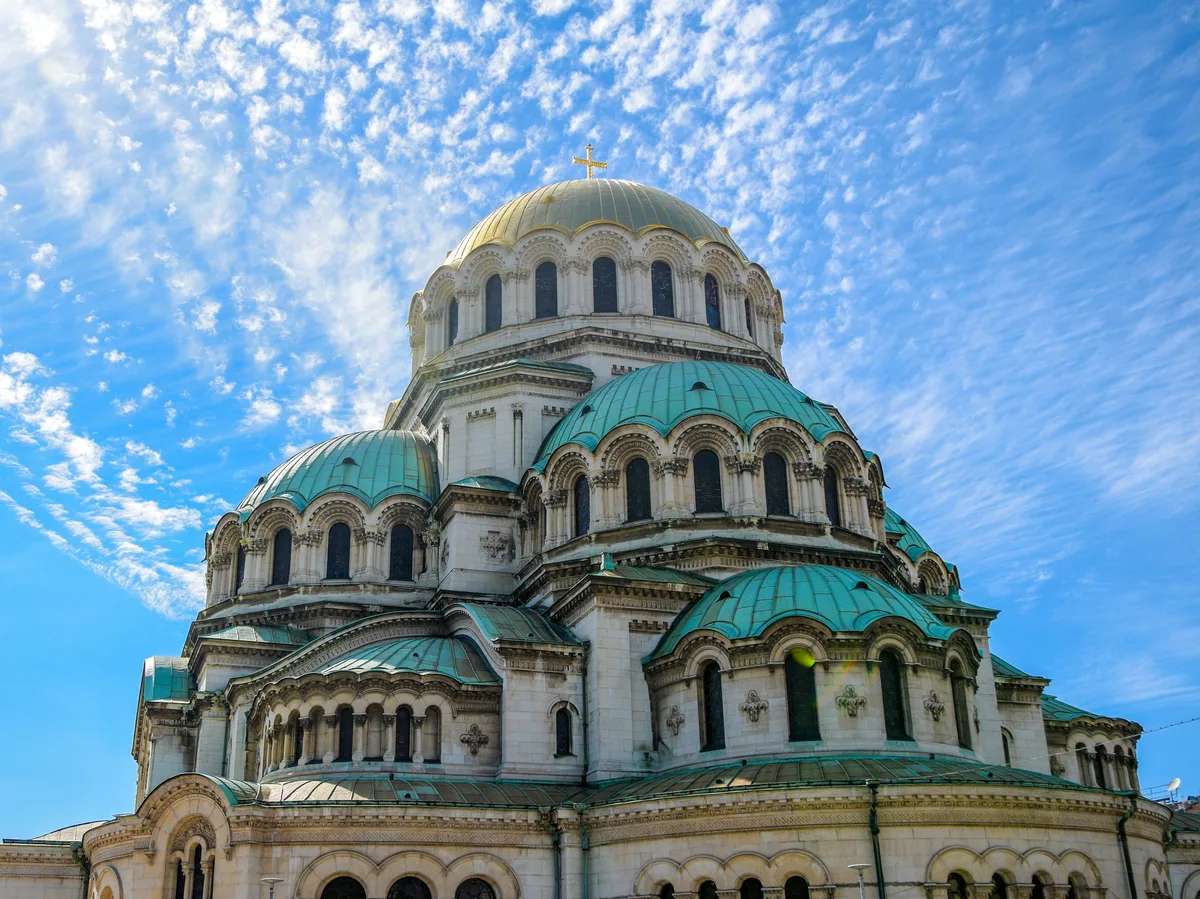
An 8-day deep dive into Bulgaria's Thracian and Roman past — Sofia, the Starosel Thracian royal complex, the Valley of Roses, the Rhodope sanctuaries of Orpheus, Perperikon, Plovdiv, and Rila Monastery.
Visitor guide
The Valley of the Roses, or Rose Valley, is a region in central Bulgaria just south of the Balkan Mountains, famous for growing the oil-bearing Damask rose. Centred on Kazanlak, it is made up of two valleys, the Kazanlak Valley on the Tundzha River to the east and the Karlovo Valley on the Stryama River to the west.
The Rose Valley forms the eastern part of the lower Sredna Gora range, which is known in South Slavic languages as the Old Mountain. According to Wikipedia the Rose Valley of Kazanlak is 95 kilometres long, averages 350 metres in height and covers 1,895 square kilometres. Towns include Kazanlak, Karlovo, Sopot, Kalofer and Pavel Banya. Kazanlak lies at the eastern end of the valley, flanked by mid-height mountain ranges, at an elevation of about 407 metres.
Commercial growing happens near Kazanlak and Karlovo, and Bulgarian damask roses are grown in long hedges that shelter the blooms from wind and make harvesting easier. The distillate is sold as Bulgarian rose oil or rose otto. Wikipedia says the oil-producing rose came from Central Asia via Persia, Syria and Turkey, and that Kazanlak rose oil won gold medals at international expositions including Paris and London. The valley is said to produce close to half of the world's rose oil, and the European Commission approved Bulgarian rose oil as a Protected Geographical Indication in September 2014. The oil-producing rose is one of Bulgaria's most recognisable national symbols.
The picking season runs from May to June. Gathering is traditionally a woman's task that demands skill and patience, with flowers cut one by one and placed in willow baskets for the distilleries. Travel sources give a yield of about 3,000 to 4,000 kilograms of petals for one kilogram of oil, extracted by steam distillation, though these figures come from tourism sources rather than a scientific reference. In 2024, Wikipedia notes, blooming began nearly a month earlier than the historical average of 10 to 20 June.
The Kazanlak Rose Festival was first held in 1903 and is now held across the May and June picking season, with a main celebration traditionally in early June. It includes folk dancing, rose-picking and distillation demonstrations, the sale of rose-based products, and a parade with a rose queen. Tourists can also join the picking, usually on weekend mornings, when ritual reenactments take place in villages around Kazanlak.
The Museum of Roses is part of the Iskra Historical Museum in Kazanlak, with a small exhibition that opened in 1967 and independent status from 1969. Near Kazanlak is also a 4th-century BCE Thracian tomb close to the ancient city of Seuthopolis, declared a UNESCO World Heritage Site in 1979, and the Shipka Memorial Church lies about 12 kilometres to the north near the Shipka National Park, which covers a battlefield of the 1870s Russo-Turkish War.
The valley is at its most fragrant during the bloom, but the exact timing shifts with the weather, so a private itinerary with some flexibility suits it. A private guided visit can combine a rose field, a distillery and the Thracian tomb in one day.
See every tour and attraction we cover in Bulgaria.