TorontoOntario · 36 tours
 Niagara FallsOntario · 25 tours
 New York CityNew York · 30 tours
 Las VegasNevada · 8 tours
 San FranciscoCalifornia · 16 tours
 VancouverBritish Columbia · 17 tours
 DubaiUAE · 54 tours
 Abu DhabiUAE · 5 tours
 Buenos AiresArgentina · 23 tours
 AthensGreece · 31 tours
 AucklandNew Zealand · 38 tours
 CancunMexico · 54 tours
No destinations match “”. Try searching all tours instead — that search understands full questions, not just place names.
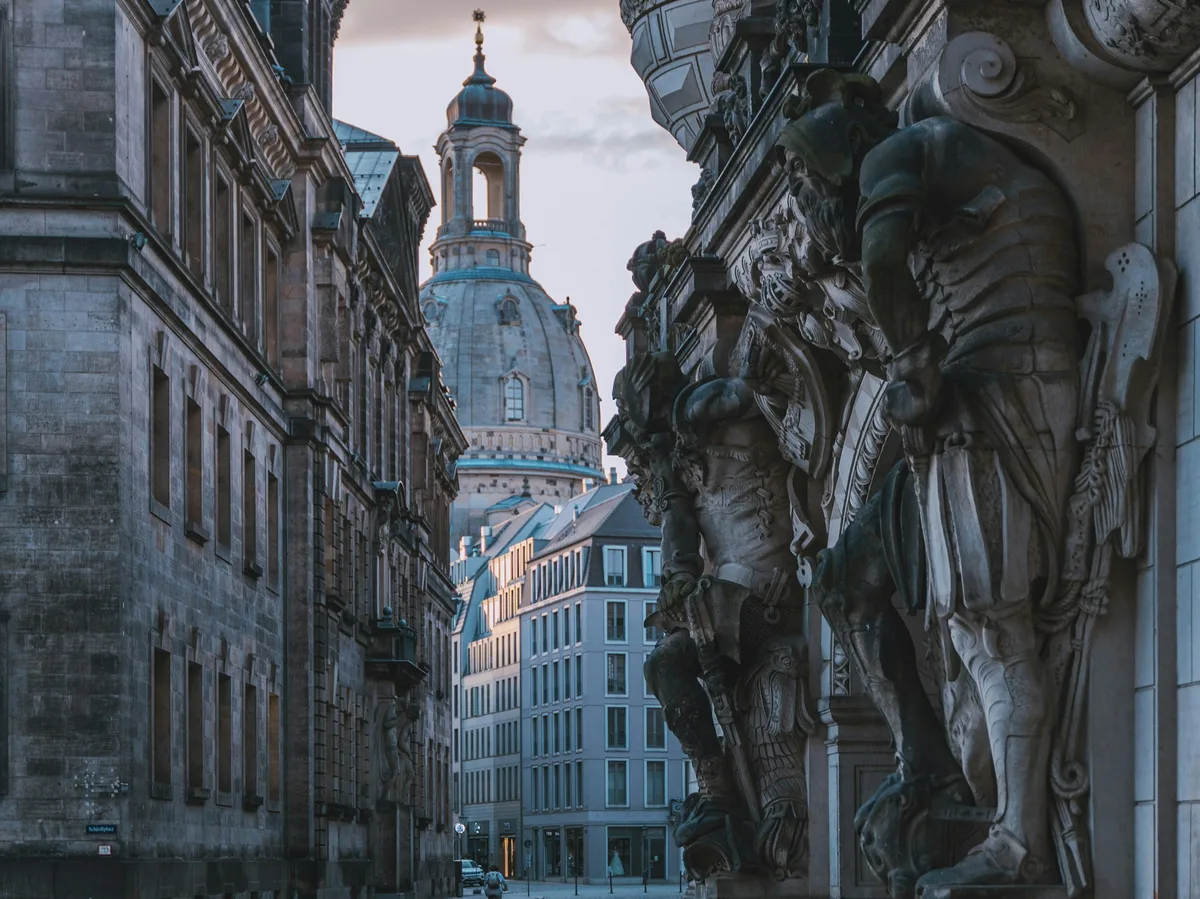
Known as the 'Florence on the Elbe', Dresden's rebuilt Baroque old town centers on the Zwinger Palace, Dresden Castle, and the Hofkirche along the banks of the River Elbe.
 Multi-Day Tours
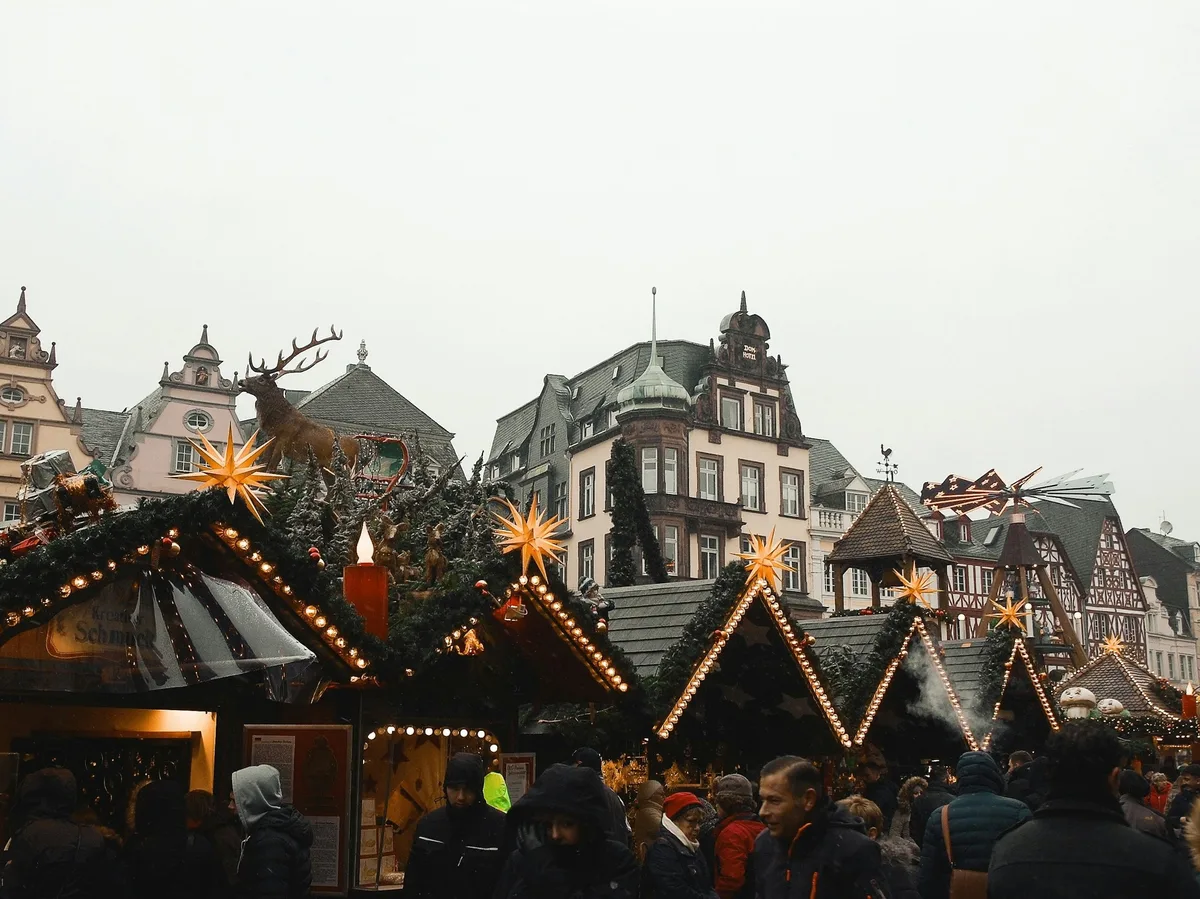
A 15-day festive circuit through Austria, Germany, and Czechia — Vienna's palaces and Christmas market, Salzburg's Sound of Music sights, Munich's castles and markets, Dresden's old town, and Prague's holiday spirit, starting and ending in Vienna.
 Multi-Day Tours
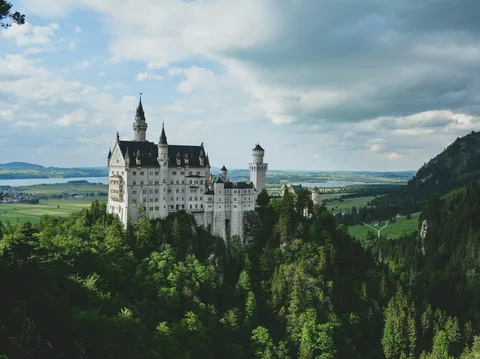
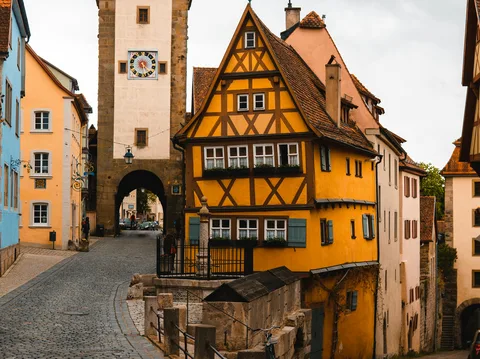
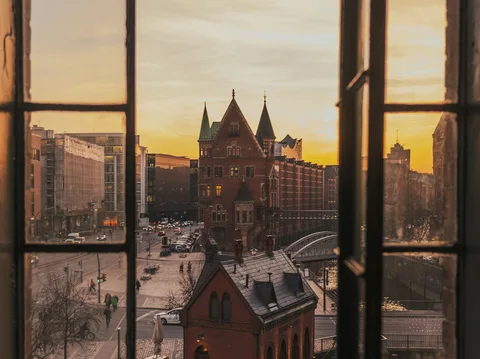
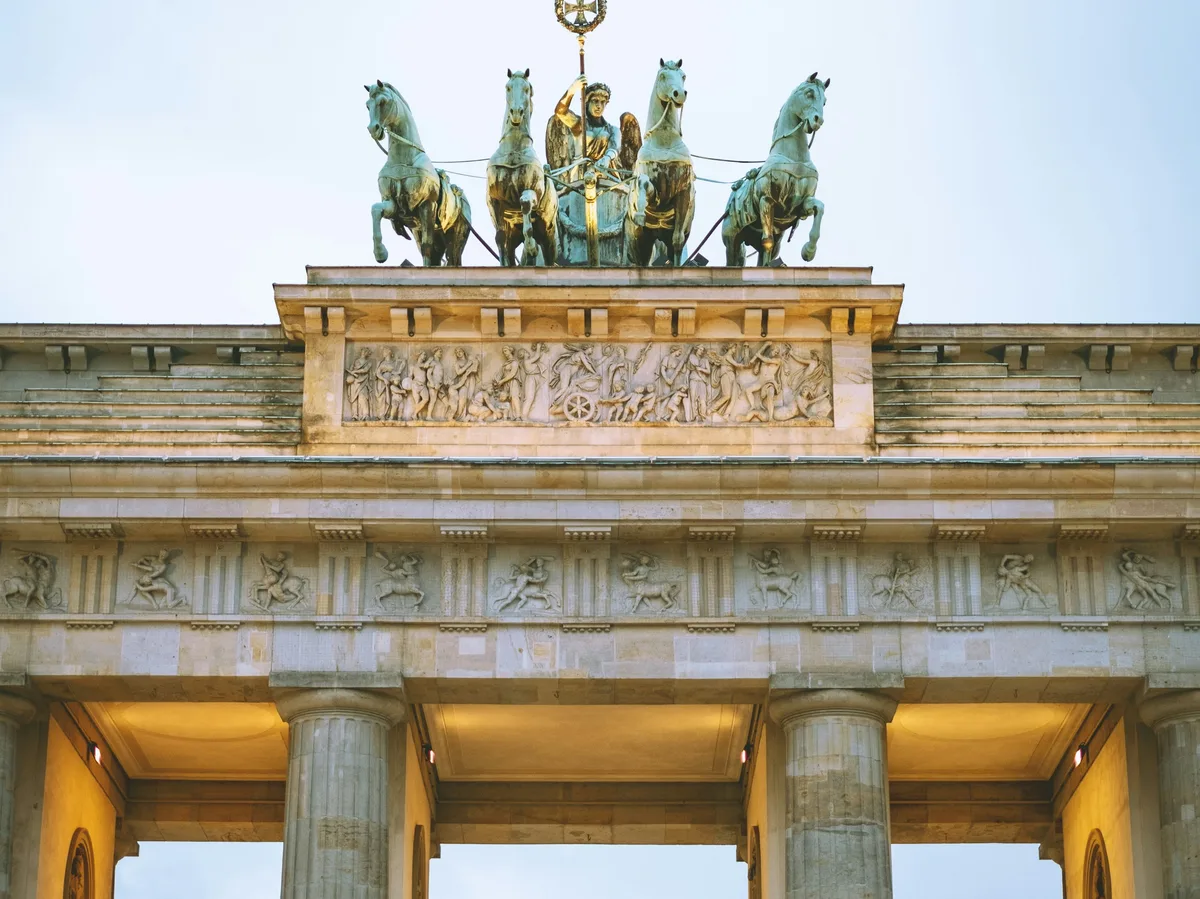
A 14-day private circuit across Germany — Munich's Old Town and Nymphenburg Palace, Neuschwanstein Castle, Nuremberg and fairy-tale Rothenburg ob der Tauber, a Frankfurt bike tour, Dresden and Saxon Switzerland, and a Berlin and Hamburg finale.
Visitor guide
Dresden's Old Town, in the Saxon capital on the River Elbe in eastern Germany, is a Baroque and Renaissance quarter centred on the Zwinger Palace, Dresden Castle, the Hofkirche and the Frauenkirche. The city has long been nicknamed Florence on the Elbe, and much of what visitors see today was rebuilt after the destruction of February 1945.
The Zwinger was designed by Matthaus Daniel Poppelmann for Augustus the Strong, Elector of Saxony and King of Poland, who wanted a display of splendour to rival those he had seen on his grand tour of France and Italy in 1687 to 1689. Its name comes from a medieval term for the strip between a city's inner and outer walls. Wikipedia gives construction as running from about 1710 to 1728, with the complex inaugurated in 1719 for a royal wedding. Sculpture was by Balthasar Permoser, and the Kronentor gate, finished in 1714, is topped with a Polish crown and eagles reflecting Augustus's royal claim.
Gottfried Semper built the gallery wing that closes the complex toward Theatre Square between 1847 and 1855. Today the Zwinger houses the Old Masters Picture Gallery, the Dresden Porcelain Collection and the Mathematisch-Physikalischer Salon, a collection of historic scientific instruments. After heavy damage in February 1945, reconstruction began almost immediately and the Zwinger was largely restored by 1963.
Dresden Castle, or Residenzschloss, was the residence of the electors and kings of Saxony for nearly four centuries. Its origins lie in a Romanesque keep of about 1200, and after a fire in 1701 Augustus the Strong had much of it rebuilt in Baroque style. It was reduced to a roofless shell in the 1945 bombing, and restoration, begun in the 1960s, has been long and gradual. The castle now houses museum collections including the Green Vault, founded by Augustus in 1723, the Turkish Chamber and the Armoury.
On a wall beside the Stallhof, the Furstenzug or Procession of Princes, a 102-metre mural of the Wettin dynasty, was transferred in 1904 to 1907 onto about 23,000 Meissen porcelain tiles. The Catholic Hofkirche, now Dresden Cathedral, is one of the two great Baroque churches of the city, together with the Frauenkirche.
The Lutheran Frauenkirche was designed by George Bahr and built from 1726 to 1743, famous for its sandstone dome, about 67 metres high and nicknamed the Stone Bell. The church collapsed on 15 February 1945 after heat from the bombing, and its ruins were declared a memorial in 1966 and remained until reconstruction began in 1993. Reconstruction began in 1993, with the first stone laid in 1994, and the church was consecrated on 30 October 2005. Salvaged original stones were reused, and their darker colour is visible against the newer sandstone. The golden cross was made in London and funded by British donations.
Between 13 and 15 February 1945 the RAF and USAAF bombed Dresden, and the inner city was largely destroyed. A 2010 commission of historians put the death toll between 22,500 and 25,000. In East German times some ruins were cleared, while major landmarks were rebuilt over the following decades.
The Dresden Elbe Valley was inscribed by UNESCO in 2004 and removed from the World Heritage list in 2009 because of the Waldschlosschen Bridge. The Old Town remains compact and walkable, and a private guided visit helps connect the landmarks with the story of destruction and reconstruction.
See every tour and attraction we cover in Germany.