TorontoOntario · 36 tours
 Niagara FallsOntario · 25 tours
 New York CityNew York · 30 tours
 Las VegasNevada · 8 tours
 San FranciscoCalifornia · 16 tours
 VancouverBritish Columbia · 17 tours
 DubaiUAE · 54 tours
 Abu DhabiUAE · 5 tours
 Buenos AiresArgentina · 23 tours
 AthensGreece · 31 tours
 AucklandNew Zealand · 38 tours
 CancunMexico · 54 tours
No destinations match “”. Try searching all tours instead — that search understands full questions, not just place names.
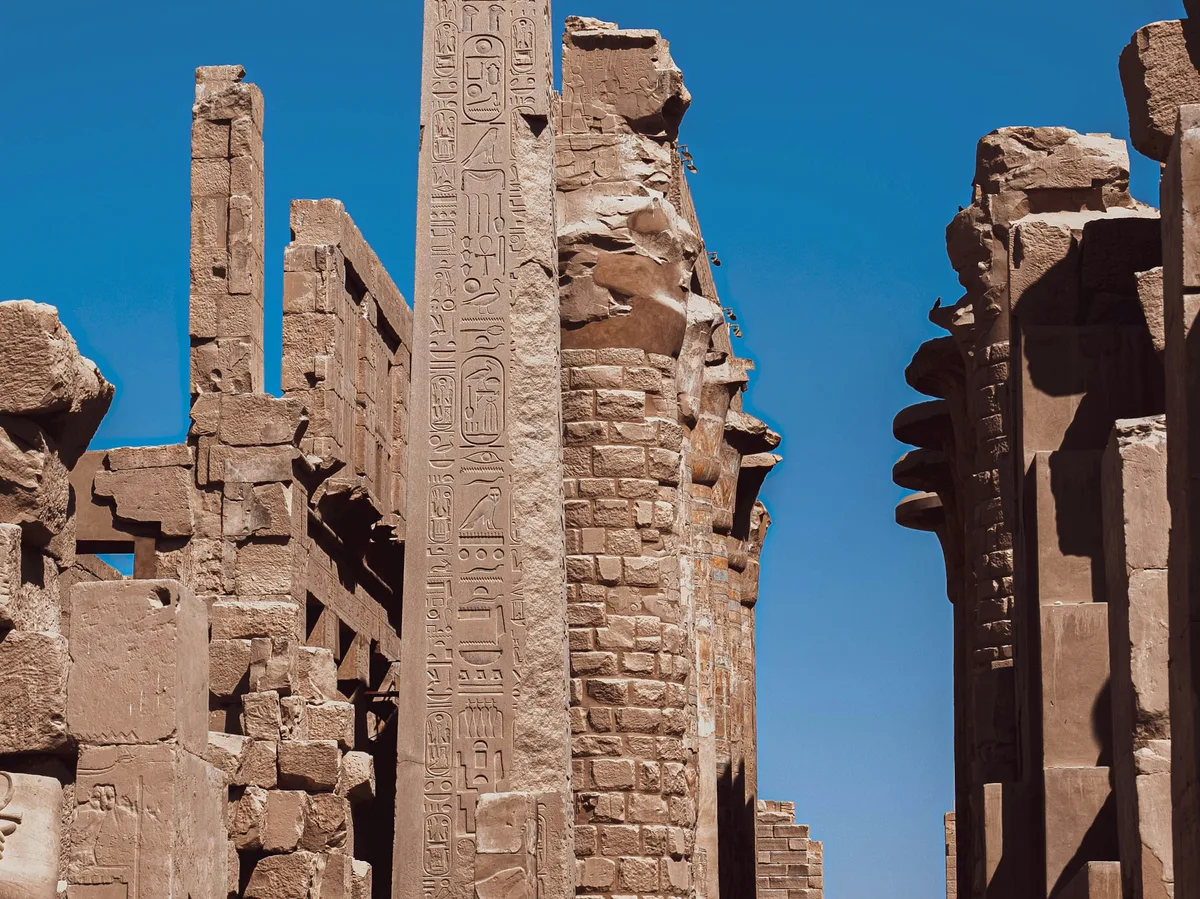
The largest religious complex ever built in ancient Egypt, with a vast hypostyle hall of towering columns dedicated to the god Amun-Ra, built up over some 2,000 years.
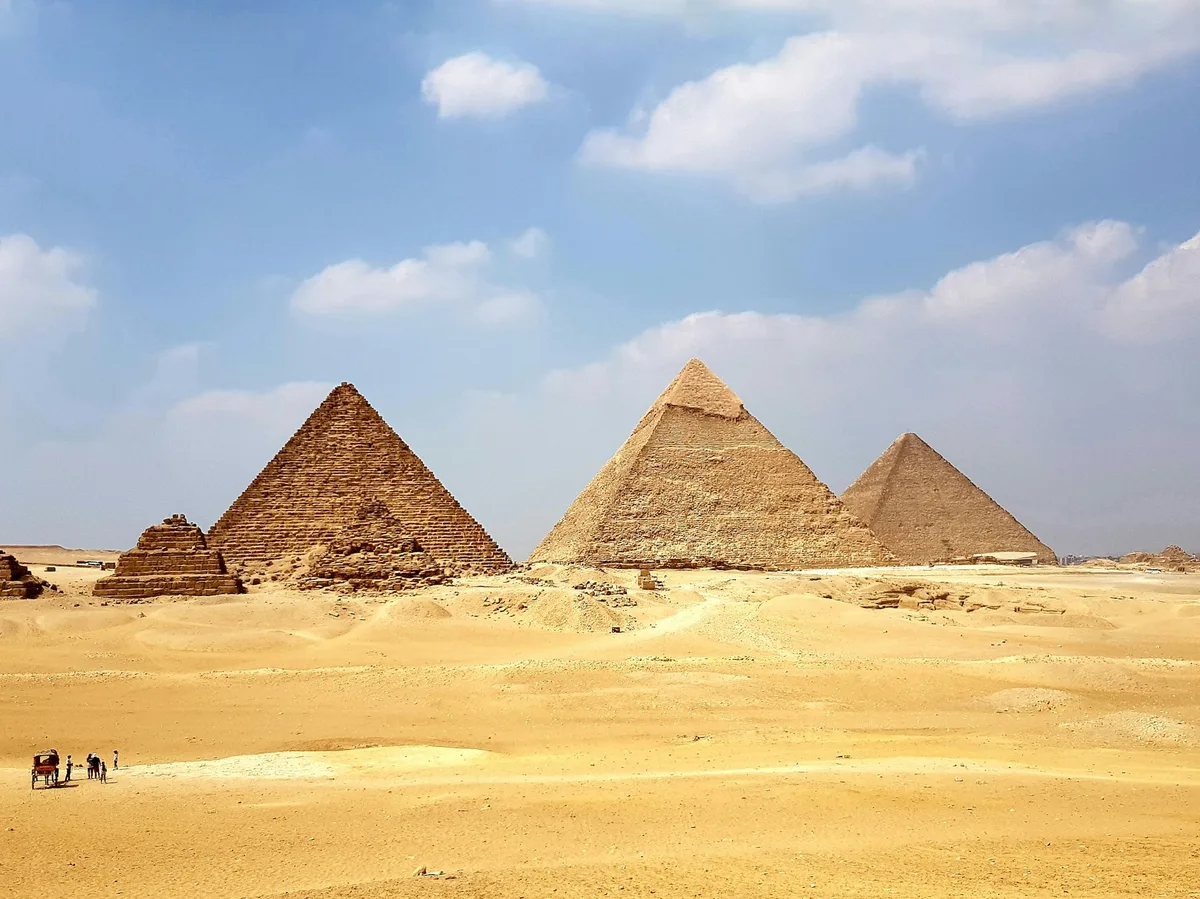 Multi-Day Tours Popular Pick
Ten days through Egypt's greatest hits — the Giza Plateau, a Luxor-to-Aswan Nile cruise, Abu Simbel, and Cairo's museums — with a private guide and driver throughout.
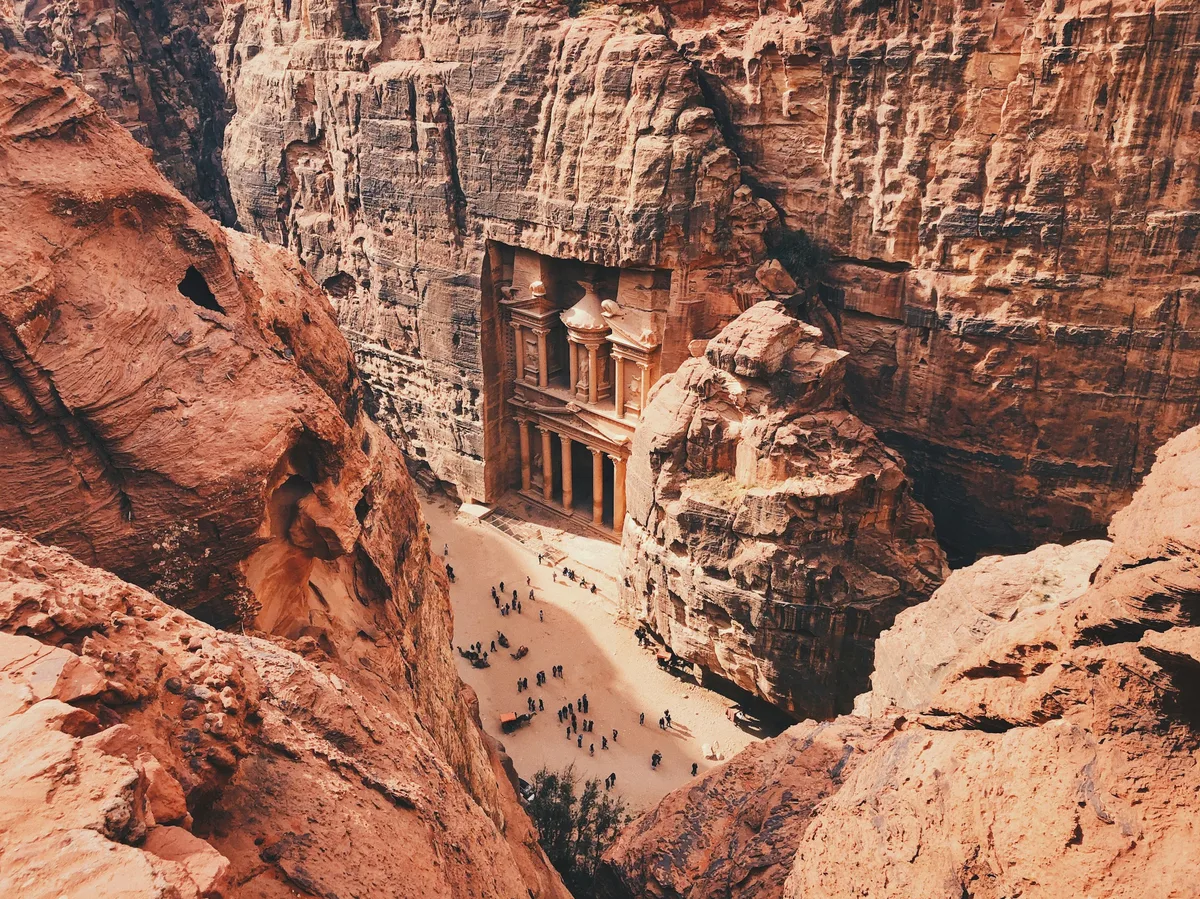 Multi-Day Tours
A two-country adventure that opens with Cairo, Luxor, and a Nile cruise to Aswan, then continues overland into Jordan to Petra, Wadi Rum, and the Dead Sea.
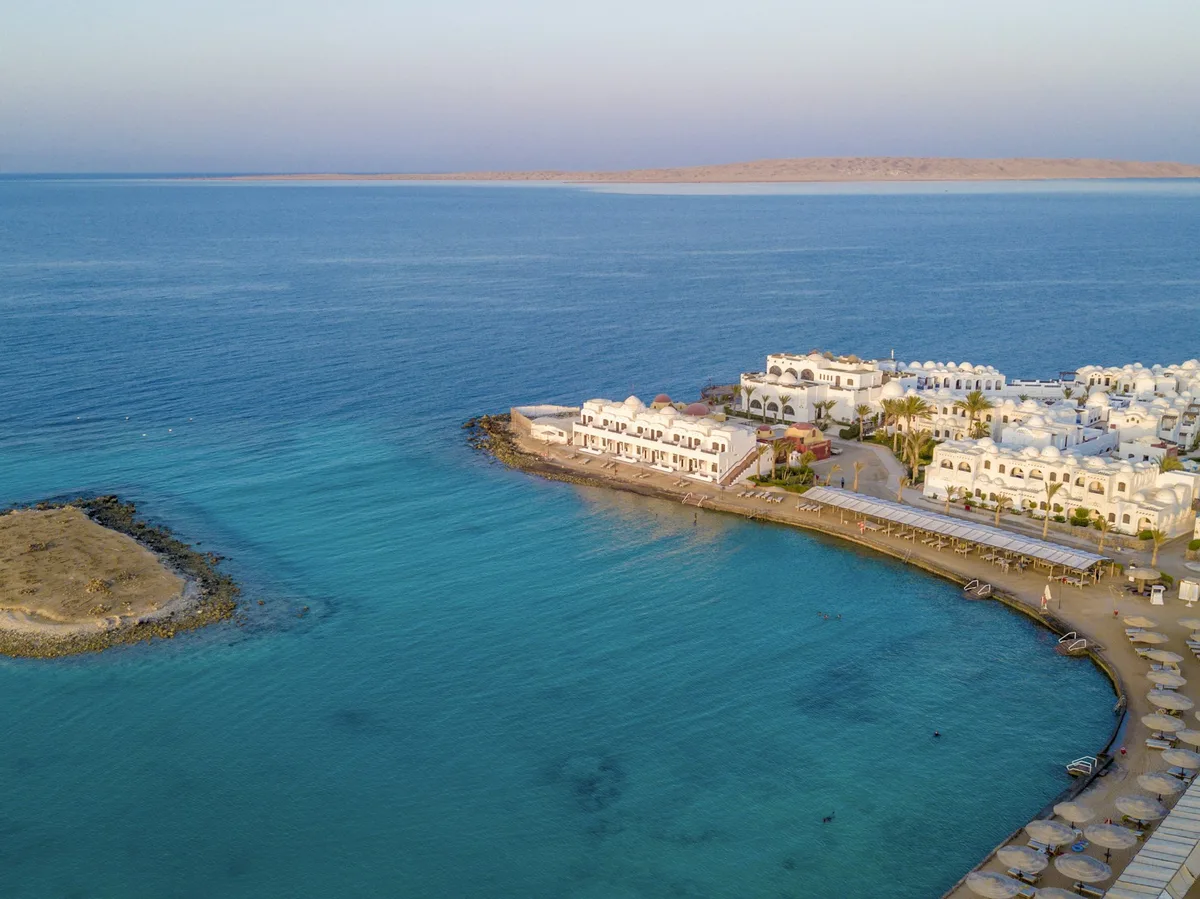 Multi-Day Tours
Two weeks combining Cairo's ancient sites, a Nile cruise from Aswan to Luxor, and four unhurried days on the Red Sea coast at Hurghada.
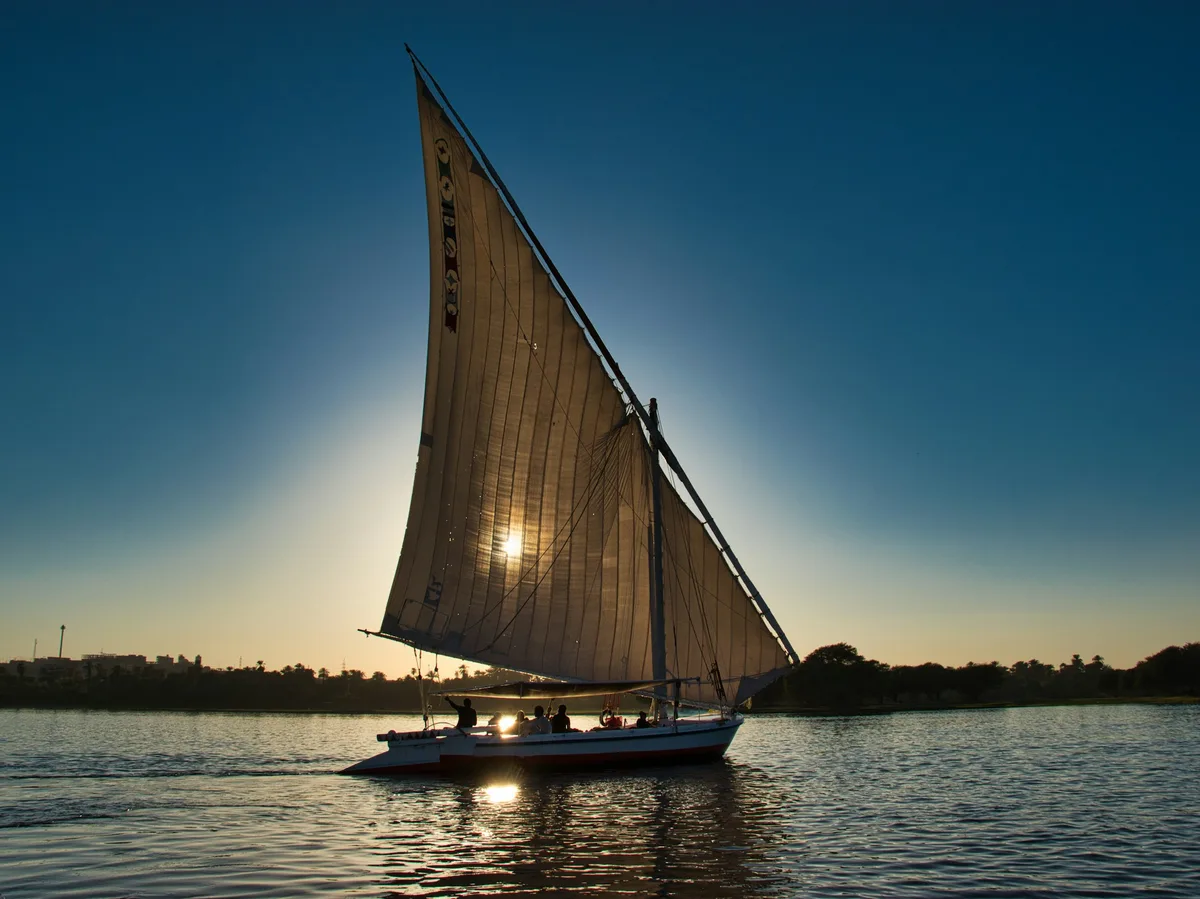 Multi-Day Tours
A 10-day route built for families, mixing Cairo's pyramids, an overnight sleeper train to Aswan, Luxor's temples, and beach downtime in Hurghada.
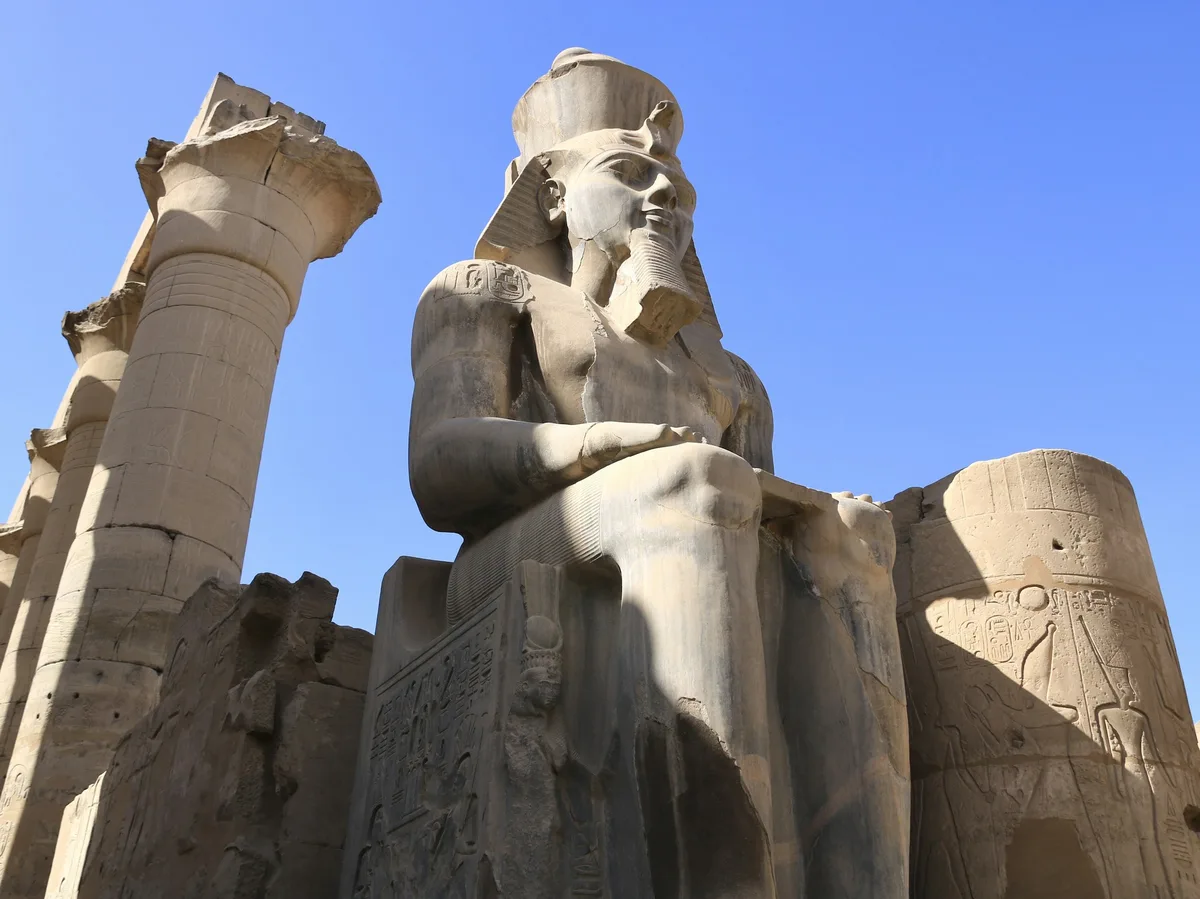 Multi-Day Tours
A compact five-day introduction to Egypt's essentials — the Giza Plateau, the Egyptian Museum, Islamic and Coptic Cairo, and Luxor's temples and tombs, with a short domestic flight between the two cities.
Visitor guide
Karnak is a vast ancient Egyptian temple complex about 2.5 km north of Luxor in Upper Egypt. Its ancient name was Ipet-isut, often translated as the most select of places, and it served as the main place of worship for the Theban Triad headed by the god Amun. It is part of the Ancient Thebes with its Necropolis UNESCO World Heritage Site.
Construction at Karnak is usually dated to Senusret I in the Middle Kingdom (Egypt's Ministry of Tourism and Antiquities mentions royal building from Intef II) and continued into the Ptolemaic period, though most surviving buildings date to the New Kingdom. About thirty pharaohs contributed to the site, which explains its size and the variety of its architecture. The modern name comes from the nearby village of el-Karnak, meaning fortified village. Wikipedia describes it as believed to be the second most visited historical site in Egypt after the Giza pyramid complex.
The complex is divided into precincts. The Precinct of Amun-Re is the largest and the one most visitors see. It holds colossal statues, a sacred lake, and one of the larger obelisks, about 29 m tall and weighing 328 tons. Its sandstone was quarried at Gebel Silsila, roughly 160 km to the south along the Nile. South of it lies the Precinct of Mut, dedicated to the mother goddess who became Amun-Re's wife in the Eighteenth Dynasty, with a crescent-shaped sacred lake. A Johns Hopkins team excavated there and found about 600 black granite statues in a courtyard.
The smaller Precinct of Montu, a war god, lies to the north, and Wikipedia says it is not open to the public. East of the main complex stood a temple of Amenhotep IV (Akhenaten), destroyed soon after his death, so its layout is largely unknown.
The Great Hypostyle Hall covers about 5,000 square metres and contains 134 columns in 16 rows. Twelve central columns reach about 21 m in height and are more than 3 m across, while the remaining 122 are roughly 10 to 15 m tall depending on the source. The architraves resting on the columns are estimated at around 70 tons each, and levers and large ramps have been proposed as ways they were raised. The shrine of the sun god is aligned so that light falls on it at the winter solstice.
Hatshepsut erected twin obelisks at the entrance; one still stands and is described as the second tallest ancient standing obelisk, while the other is broken. Her Red Chapel was a barque shrine. Thutmose I built an enclosure wall, with the earliest parts still in place dating to his reign, and Nectanebo I of the Thirtieth Dynasty built the First Pylon and enclosure walls. From the temple, the Avenue of Sphinxes linked Karnak to Luxor Temple.
After the rise of Christianity, Karnak was largely abandoned, and churches were founded among the ruins, notably in the Festival Hall of Thutmose III, where Coptic inscriptions and painted saints survive. The first European description was by an unknown Venetian in 1589, and the name Karnak first appears in writing in 1668. Scientists of Napoleon's expedition visited in 1798 to 1799.
Karnak is large and mostly open-air, so a guided visit helps make sense of the layers of building from different reigns. A private tour with a driver suits the scale of the site.
See every tour and attraction we cover in Egypt.