TorontoOntario · 36 tours
 Niagara FallsOntario · 25 tours
 New York CityNew York · 30 tours
 Las VegasNevada · 8 tours
 San FranciscoCalifornia · 16 tours
 VancouverBritish Columbia · 17 tours
 DubaiUAE · 54 tours
 Abu DhabiUAE · 5 tours
 Buenos AiresArgentina · 23 tours
 AthensGreece · 31 tours
 AucklandNew Zealand · 38 tours
 CancunMexico · 54 tours
No destinations match “”. Try searching all tours instead — that search understands full questions, not just place names.
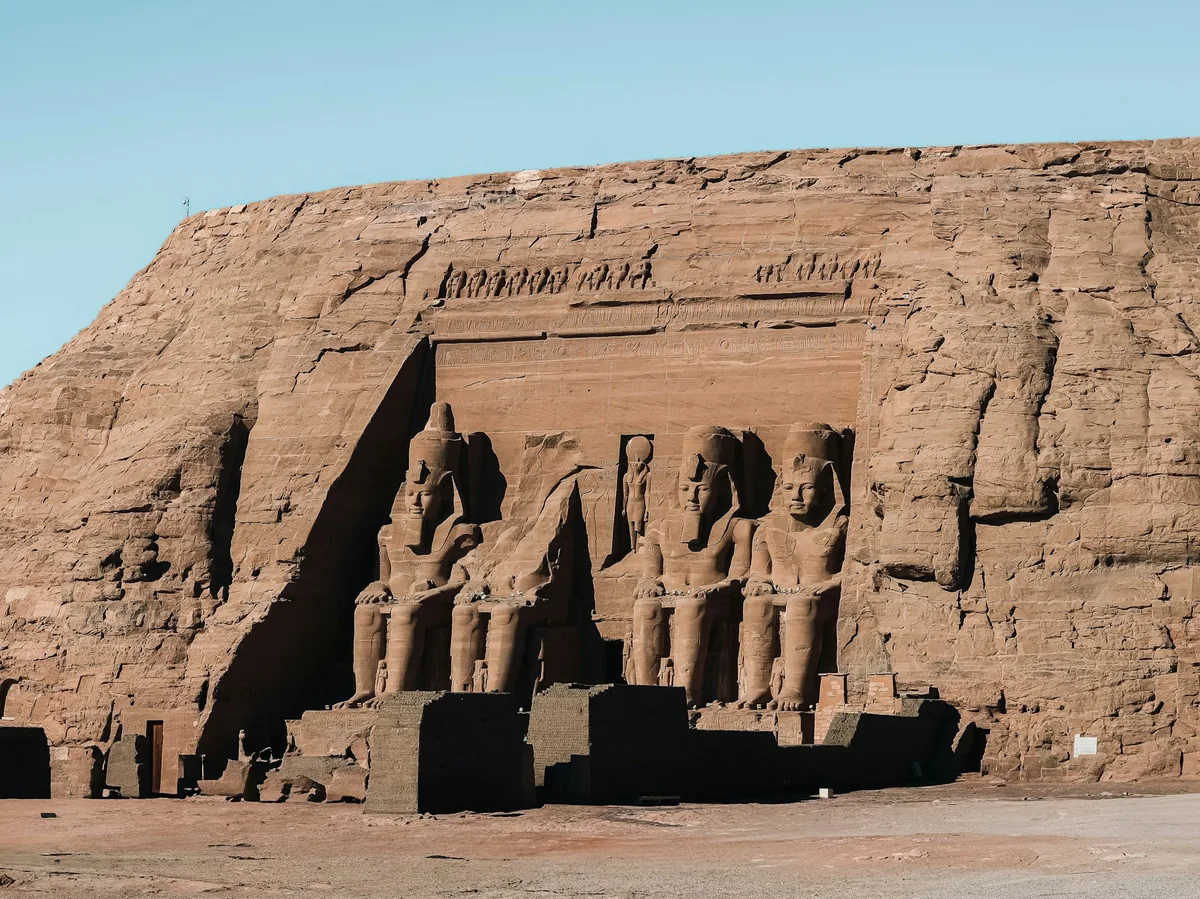
Two colossal rock-cut temples built by Ramses II near Egypt's border with Sudan, famously relocated in the 1960s to save them from the rising waters of Lake Nasser.
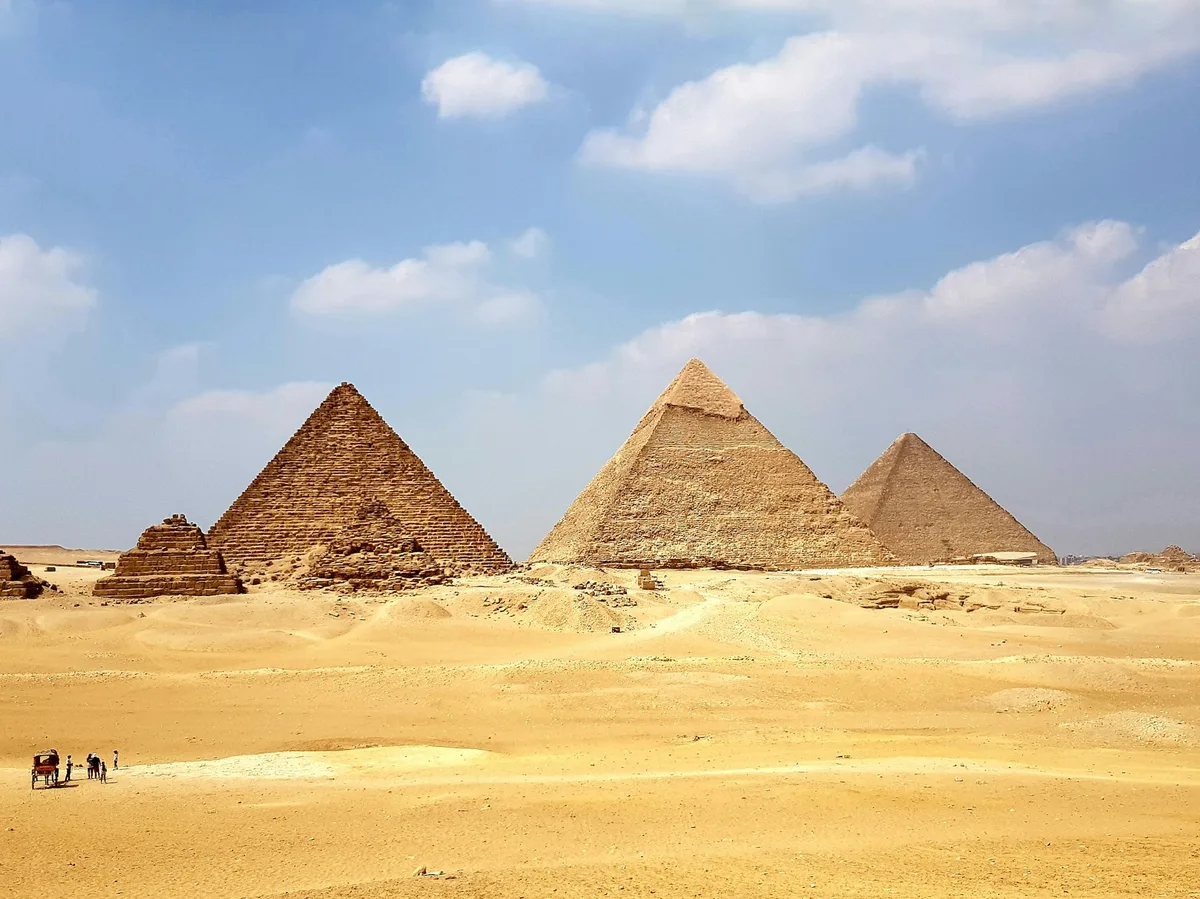 Multi-Day Tours Popular Pick
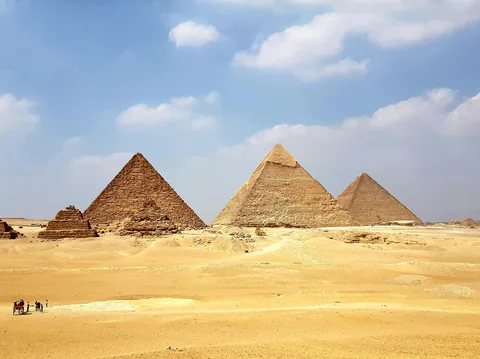
Ten days through Egypt's greatest hits — the Giza Plateau, a Luxor-to-Aswan Nile cruise, Abu Simbel, and Cairo's museums — with a private guide and driver throughout.
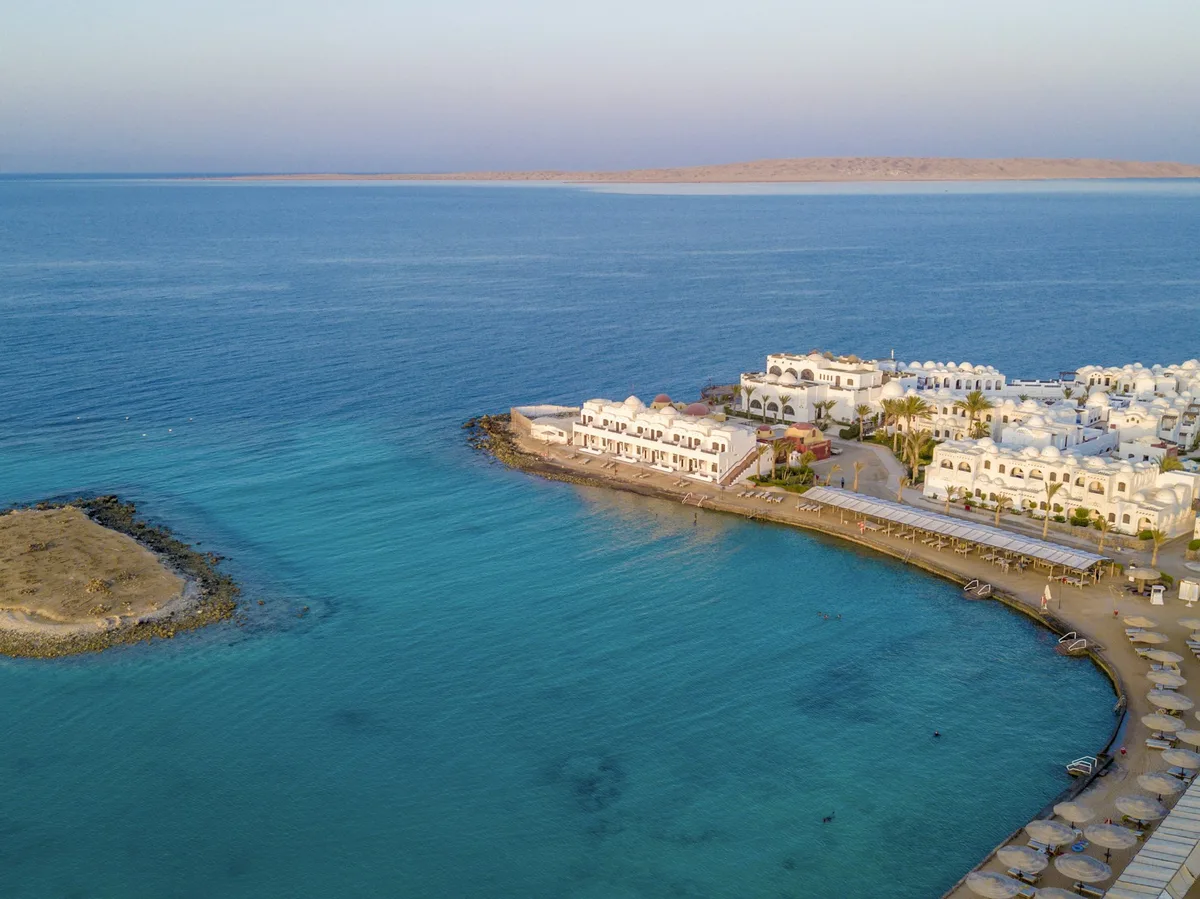 Multi-Day Tours
Two weeks combining Cairo's ancient sites, a Nile cruise from Aswan to Luxor, and four unhurried days on the Red Sea coast at Hurghada.
Visitor guide
Abu Simbel is a site of two massive rock-cut temples in Egypt's Aswan Governorate, near the border with Sudan. The temples were carved in the thirteenth century BC during the reign of Ramesses II and now stand on the western bank of Lake Nasser, about 230 km southwest of Aswan. They are part of the Nubian Monuments UNESCO World Heritage Site.
Ramesses II built several large temples in Nubia, a region Egypt controlled and valued for gold and trade, partly to display Egyptian power and promote Egyptian culture there. Wikipedia says construction began around 1264 BC and lasted about 20 years, though it notes that date lacks a citation. The complex was originally known as the Temple of Ramesses, Beloved by Amun.
The Great Temple is dedicated to Ra-Horakhty, Ptah and Amun, and to the deified Ramesses himself. Its facade, roughly 33 m high and 38 m wide, is flanked by four seated colossi of the king, each about 20 m tall. A frieze of baboons greets the rising sun above the entrance. One colossus was damaged in an earthquake, and its fallen head and torso were left at its feet. Inside, the hypostyle hall has eight Osirid pillars and reliefs of military campaigns, most prominently the Battle of Kadesh against the Hittites. A stele records the king's marriage to a daughter of the Hittite king Hattusili III, which sealed peace.
The smaller temple is dedicated to the goddess Hathor, personified by Queen Nefertari, Ramesses's most beloved wife. The Great Temple's axis is believed to have been set so that sunlight reaches the sanctuary on 22 October and 22 February, lighting the statues on the back wall while Ptah, associated with the realm of the dead, stays in shadow. Tradition links the dates to the king's birthday and coronation, but Wikipedia notes there is no direct evidence for this.
Sand gradually buried the temples. The Swiss traveller Johann Ludwig Burckhardt found the small temple and the top of the Great Temple's frieze in March 1813. Giovanni Belzoni cleared the doorway and entered the Great Temple on 1 August 1817. Drawings from William John Bankes's 1819 expedition helped Champollion identify the cartouche of Ramesses in 1822, a step in deciphering hieroglyphs.
When the Aswan High Dam threatened to raise Lake Nasser by up to 60 m, an international campaign began in 1959. UNESCO chose a plan by the Swedish firm VBB to cut the temples into blocks and reassemble them on higher ground. The temples were cut into 1,036 blocks between 1965 and 1966, moved about 208 m inland and raised roughly 65 m, and rebuilt over concrete domes beneath an artificial hill. The relocated complex was inaugurated on 22 September 1968, and the project cost about 41.7 million dollars with contributions from 48 countries. The effort helped inspire the World Heritage Convention.
Abu Simbel is remote, and most visitors travel from Aswan by road, though an airport also serves the site. A private guided visit with a driver suits the long journey.
See every tour and attraction we cover in Egypt.