TorontoOntario · 36 tours
 Niagara FallsOntario · 25 tours
 New York CityNew York · 30 tours
 Las VegasNevada · 8 tours
 San FranciscoCalifornia · 16 tours
 VancouverBritish Columbia · 17 tours
 DubaiUAE · 54 tours
 Abu DhabiUAE · 5 tours
 Buenos AiresArgentina · 23 tours
 AthensGreece · 31 tours
 AucklandNew Zealand · 38 tours
 CancunMexico · 54 tours
No destinations match “”. Try searching all tours instead — that search understands full questions, not just place names.
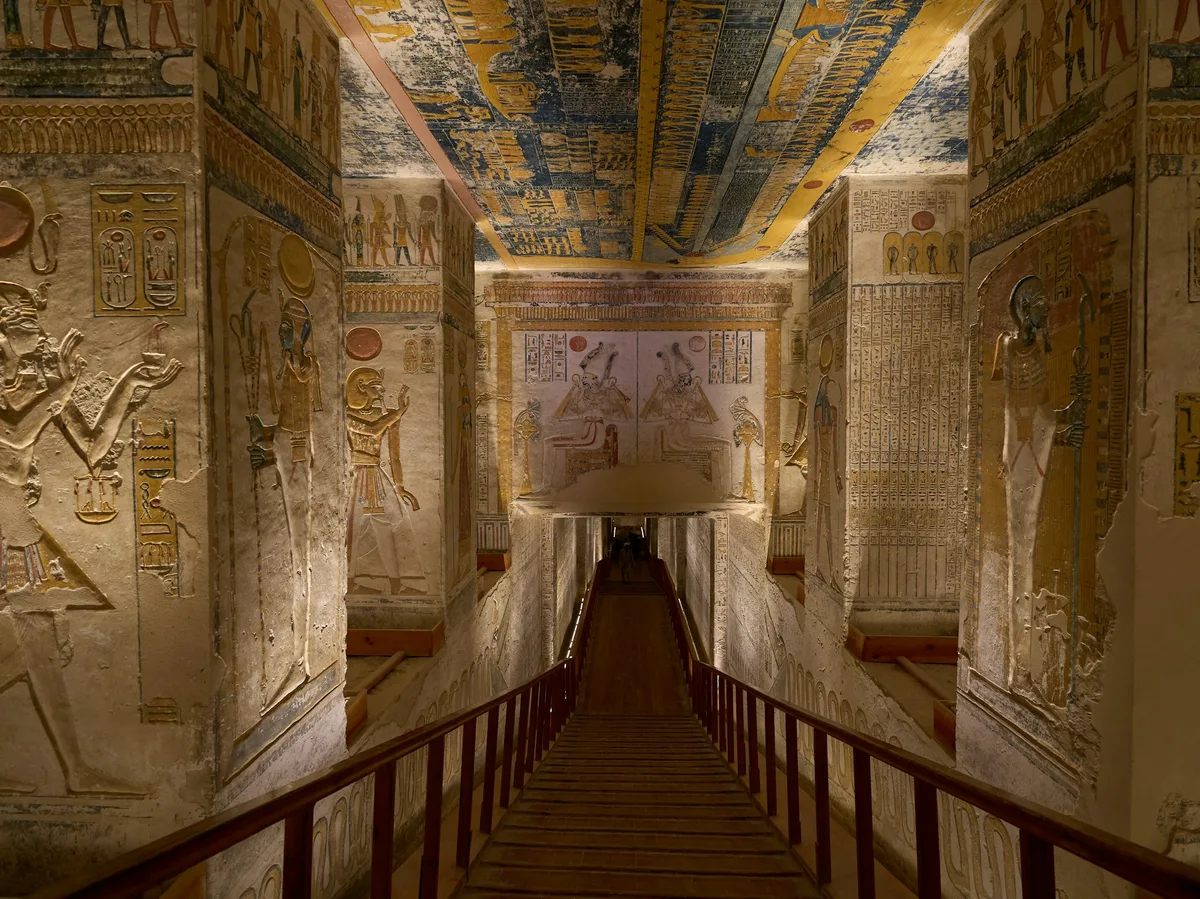
The royal burial ground of Egypt's New Kingdom pharaohs on Luxor's West Bank, including the tomb of Tutankhamun, with elaborately painted chambers carved deep into the rock.
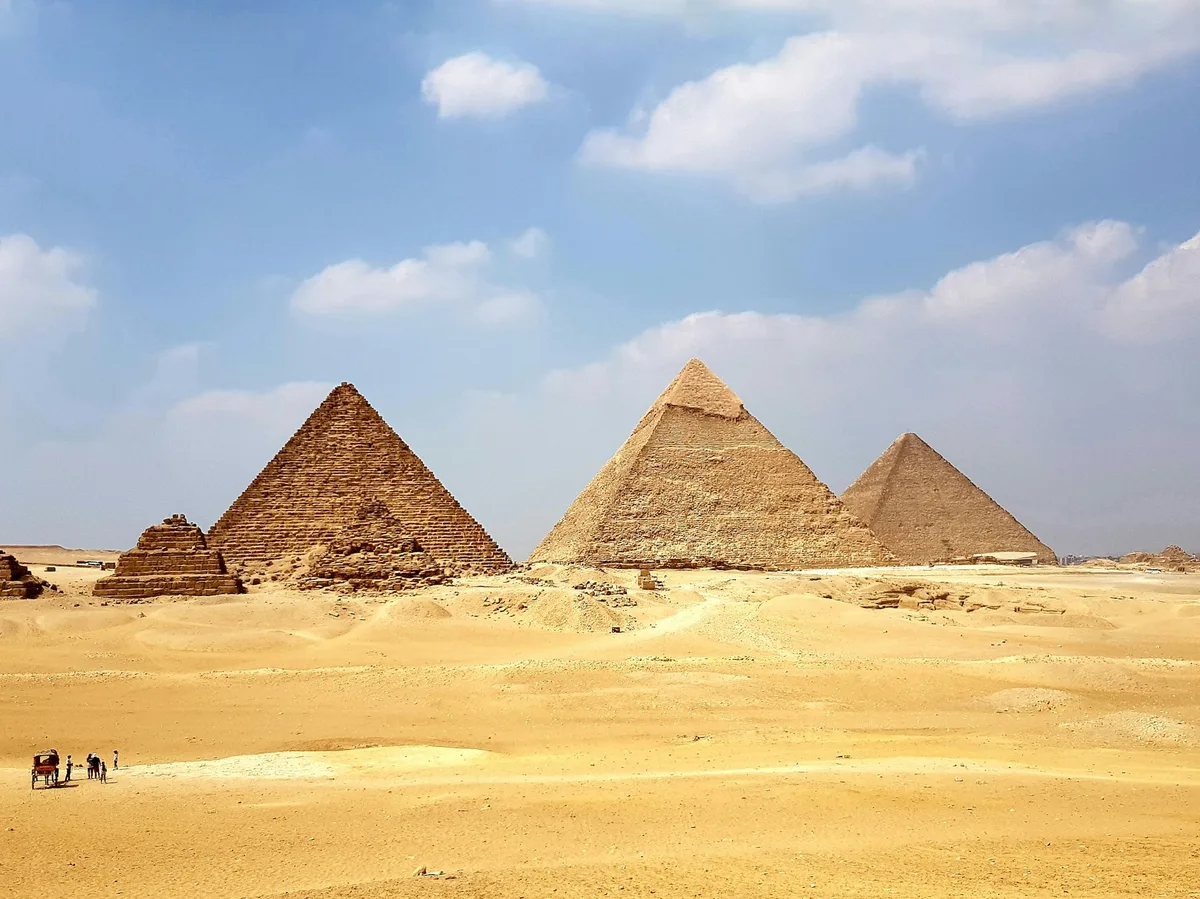 Multi-Day Tours Popular Pick
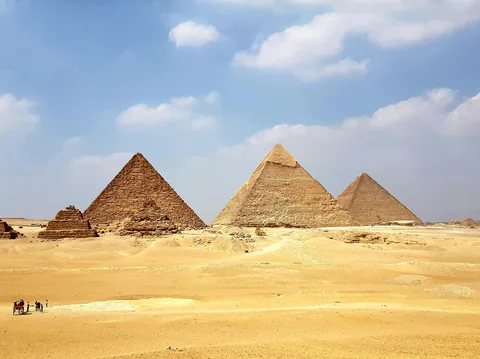
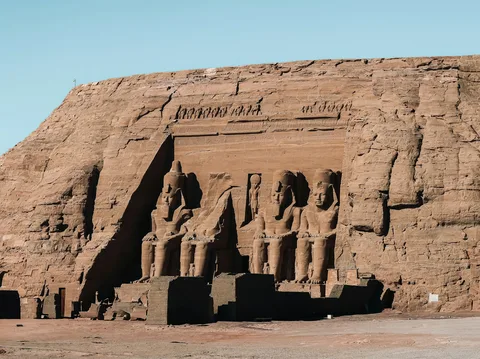
Ten days through Egypt's greatest hits — the Giza Plateau, a Luxor-to-Aswan Nile cruise, Abu Simbel, and Cairo's museums — with a private guide and driver throughout.
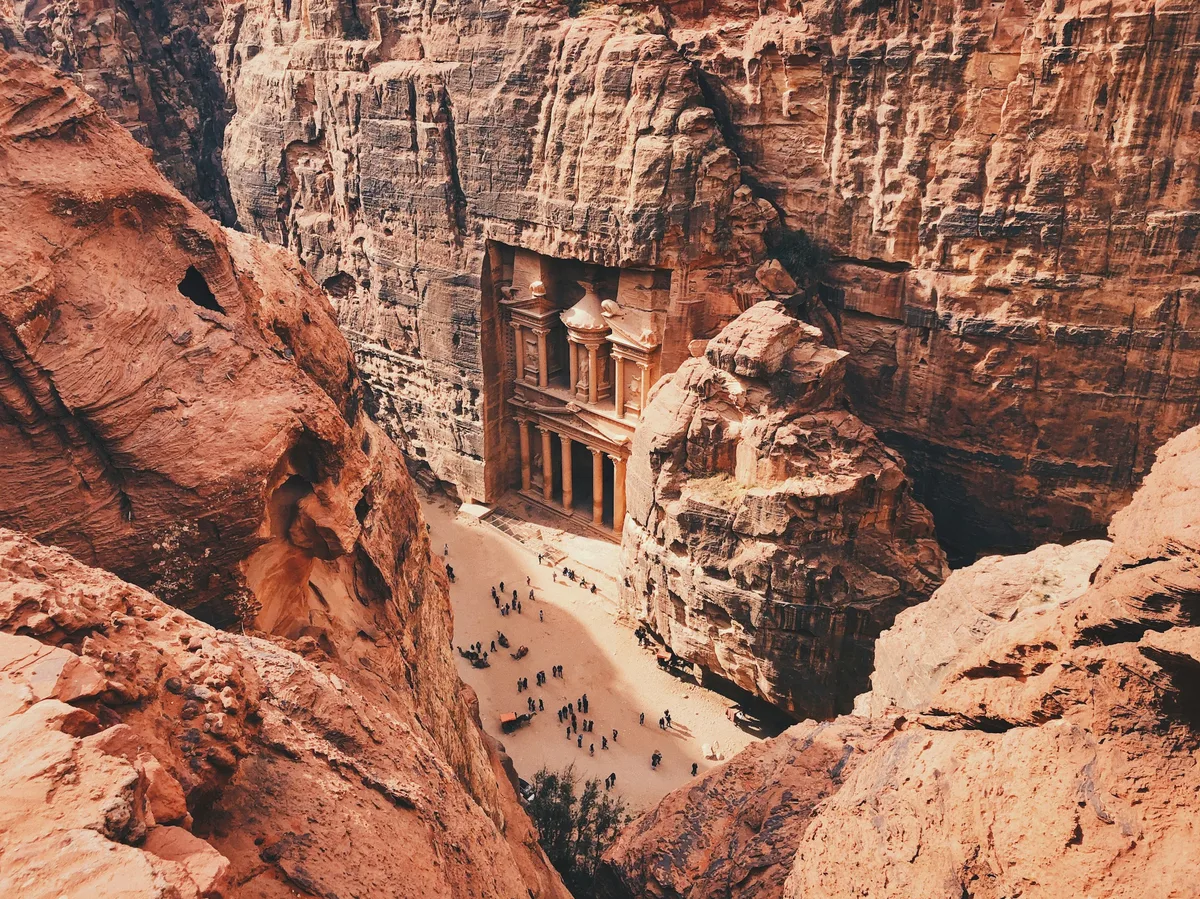 Multi-Day Tours
A two-country adventure that opens with Cairo, Luxor, and a Nile cruise to Aswan, then continues overland into Jordan to Petra, Wadi Rum, and the Dead Sea.
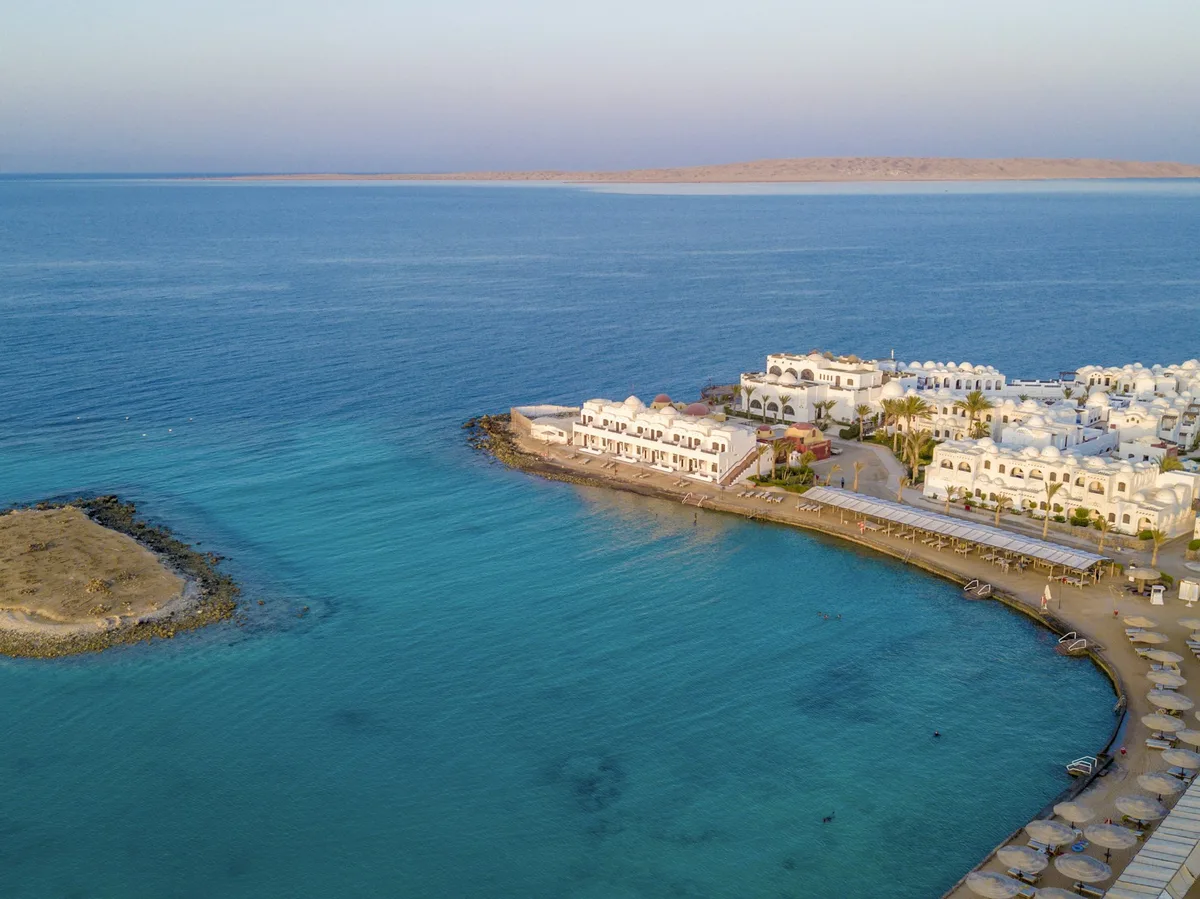 Multi-Day Tours
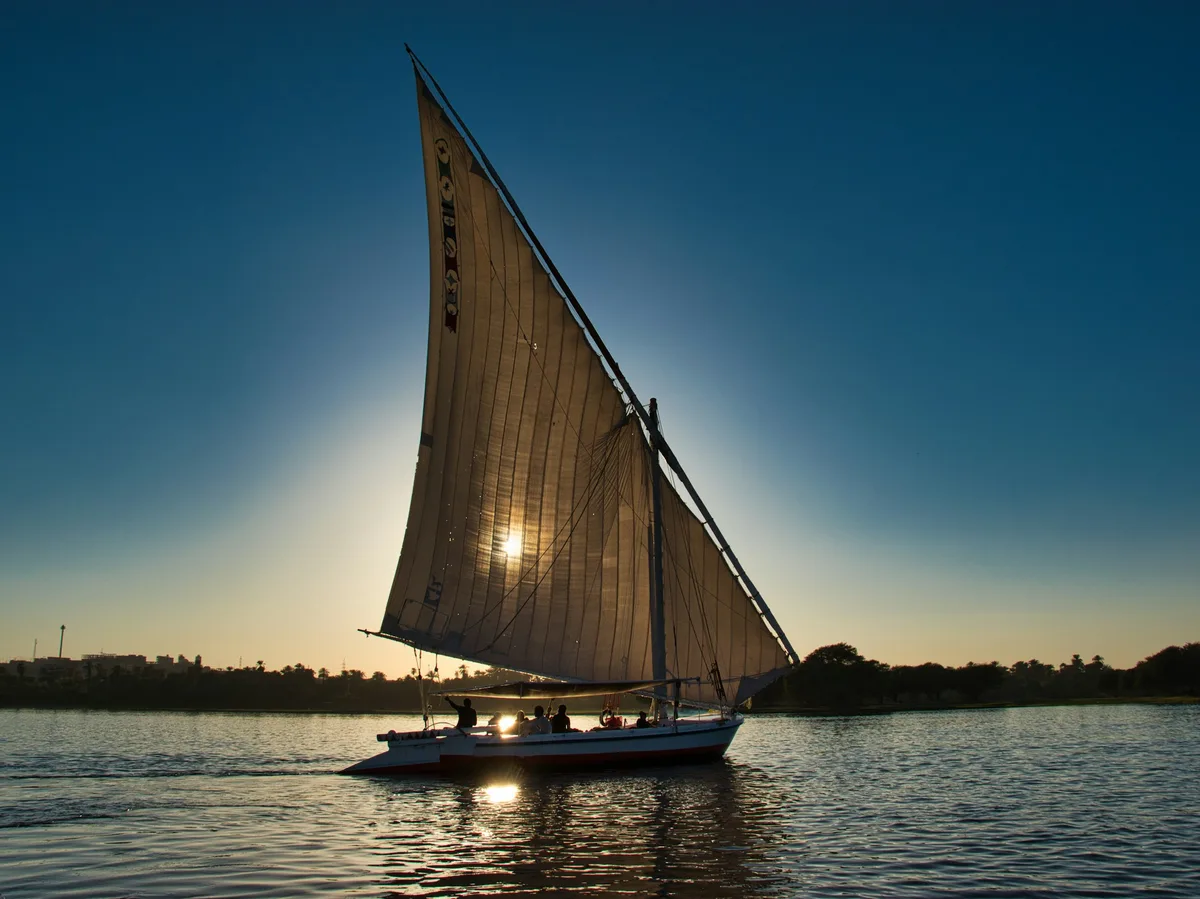
Two weeks combining Cairo's ancient sites, a Nile cruise from Aswan to Luxor, and four unhurried days on the Red Sea coast at Hurghada.
 Multi-Day Tours
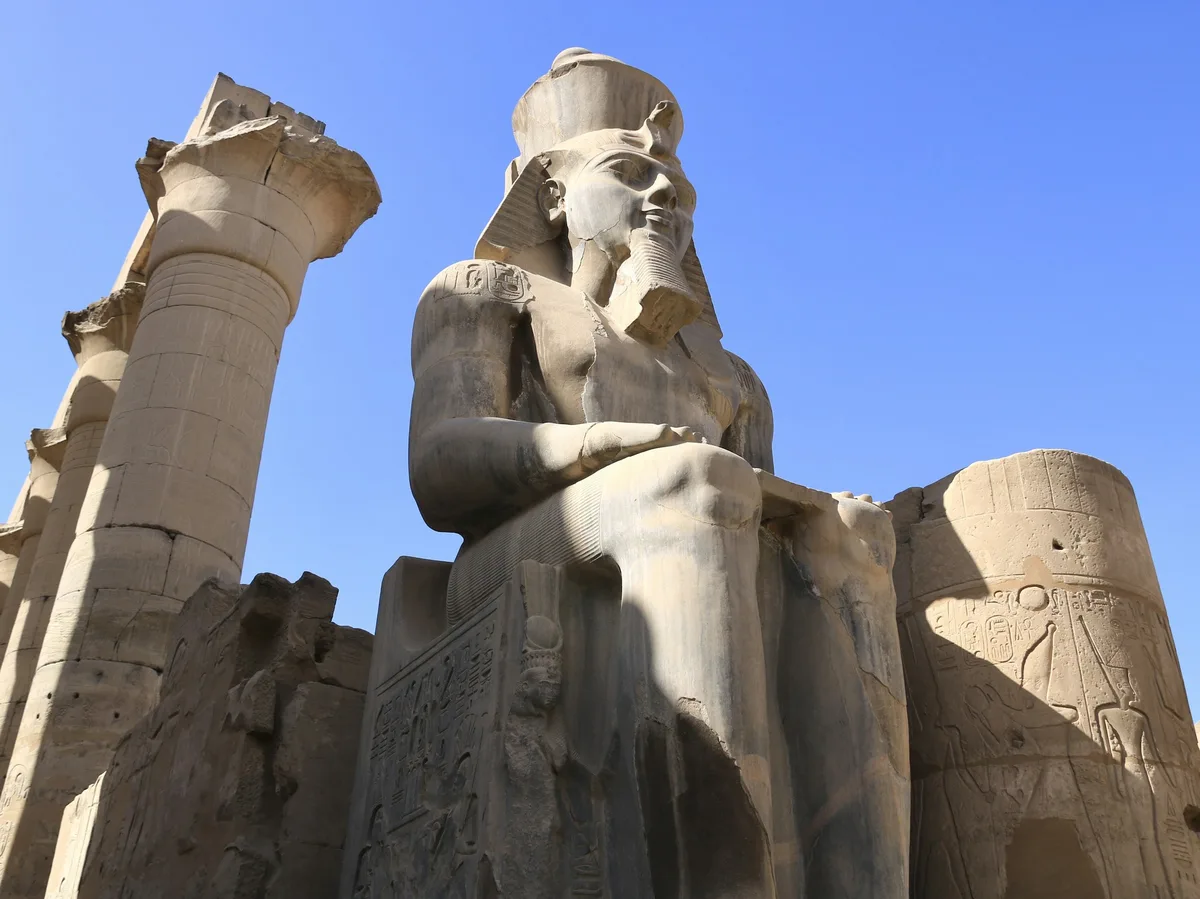
A 10-day route built for families, mixing Cairo's pyramids, an overnight sleeper train to Aswan, Luxor's temples, and beach downtime in Hurghada.
 Multi-Day Tours
A compact five-day introduction to Egypt's essentials — the Giza Plateau, the Egyptian Museum, Islamic and Coptic Cairo, and Luxor's temples and tombs, with a short domestic flight between the two cities.
Visitor guide
The Valley of the Kings is a wadi on the west bank of the Nile opposite ancient Thebes, modern Luxor, in Egypt. For nearly 500 years, from the Eighteenth to the Twentieth Dynasty of the New Kingdom, rock-cut tombs were excavated here for pharaohs and powerful nobles. It is part of the Ancient Thebes with its Necropolis UNESCO World Heritage Site.
Wikipedia dates the primary burials to roughly 1539 to 1075 BC. The valley has two sections: the East Valley, which holds most of the royal tombs, and the West Valley, known locally as the Valley of the Monkeys. The valley is known to contain 65 tombs and chambers, ranging from the simple pit of KV54 to KV5, the tomb built for the sons of Ramesses II, which has more than 120 chambers. Only about twenty of the tombs held kings. The hills above are dominated by a pyramid-shaped peak, al-Qurn, which the ancient Egyptians called The Peak.
The earliest royal tombs here are generally attributed to Amenhotep I, though this is disputed, and Thutmose I. Tomb numbering follows the KV system devised by John Gardner Wilkinson in the early nineteenth century.
The standard royal tomb had a long, inclined corridor leading through halls to the burial chamber, possibly symbolising the sun god's descent into the underworld. Early tombs had bent axes, later ones a jogged axis, and by the late Nineteenth and Twentieth Dynasties a straight axis. Early decoration came from the Amduat, describing the sun god's twelve hours of night. From the time of Horemheb, the Book of Gates appears, and later tombs add the Book of Caverns and the Book of the Heavens.
Howard Carter discovered KV62, the tomb of Tutankhamun, on 4 November 1922 while working for Lord Carnarvon. It was the first largely intact royal tomb found in the valley, though robbers had entered it in antiquity. Seti I's tomb, KV17, rediscovered by Giovanni Belzoni in 1817, is often considered the finest in the valley for its relief work and paintings. The tomb of Ramesses III, KV11, is known for its harp-playing scenes, and KV9, shared by Ramesses V and Ramesses VI, contains over a thousand graffiti in Greek, Latin and Coptic.
Tomb robbery was widespread in antiquity, and during a period of unrest the royal mummies were moved to caches, the largest at Deir el-Bahari. In later centuries some tombs served as churches, stables or houses. The valley is cut into limestone with layers of shale that expand when wet, and occasional flash floods have buried tombs and challenged conservators.
Most tombs are closed to the public, and Wikipedia says about 18 can be opened, though rarely all at once. Rules on quiet single-file movement and guides not lecturing inside tombs help limit damage. Because the valley is dry and exposed, a private guided visit with a driver lets a guide brief you before you enter, since talking inside the tombs is restricted.
See every tour and attraction we cover in Egypt.