TorontoOntario · 36 tours
 Niagara FallsOntario · 25 tours
 New York CityNew York · 30 tours
 Las VegasNevada · 8 tours
 San FranciscoCalifornia · 16 tours
 VancouverBritish Columbia · 17 tours
 DubaiUAE · 54 tours
 Abu DhabiUAE · 5 tours
 Buenos AiresArgentina · 23 tours
 AthensGreece · 31 tours
 AucklandNew Zealand · 38 tours
 CancunMexico · 54 tours
No destinations match “”. Try searching all tours instead — that search understands full questions, not just place names.
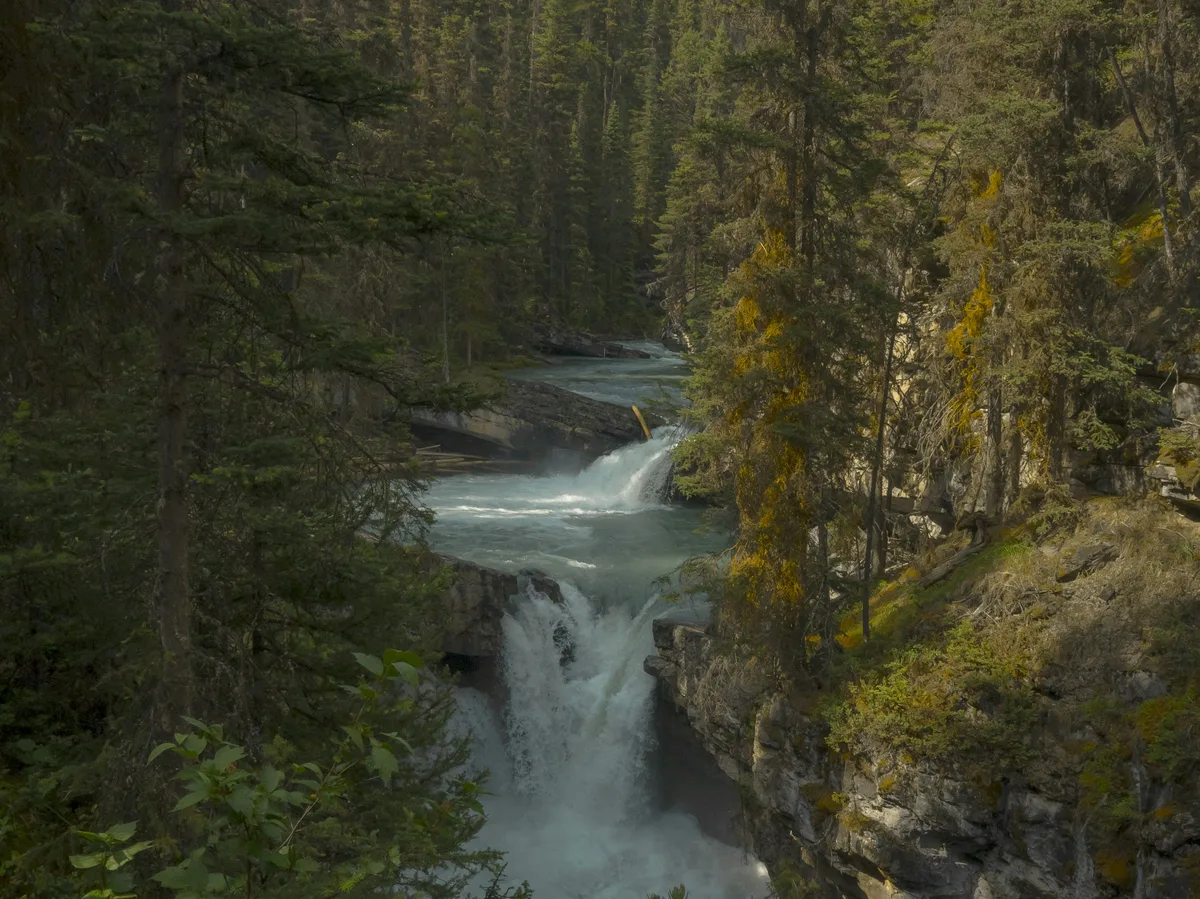
The world's largest tropical rainforest, reached from gateway cities like Manaus — home to the Rio Negro and Rio Solimões rivers, pink river dolphins, and an unmatched density of plant and animal species.
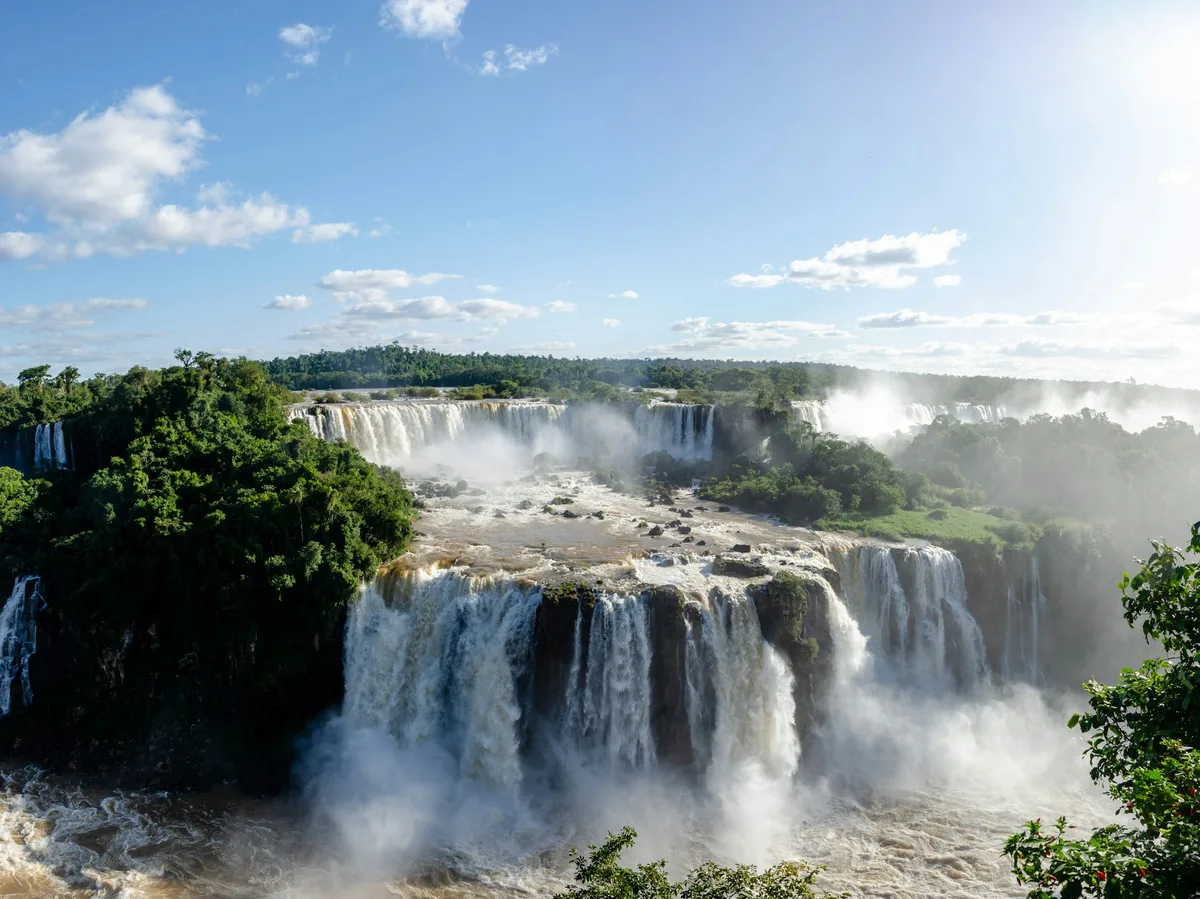 Multi-Day Tours
Rio's icons, the Brazilian side of Iguazu Falls, and three nights deep in an Amazon lodge — a complete, entirely Brazil-based introduction to the country's headline sights.
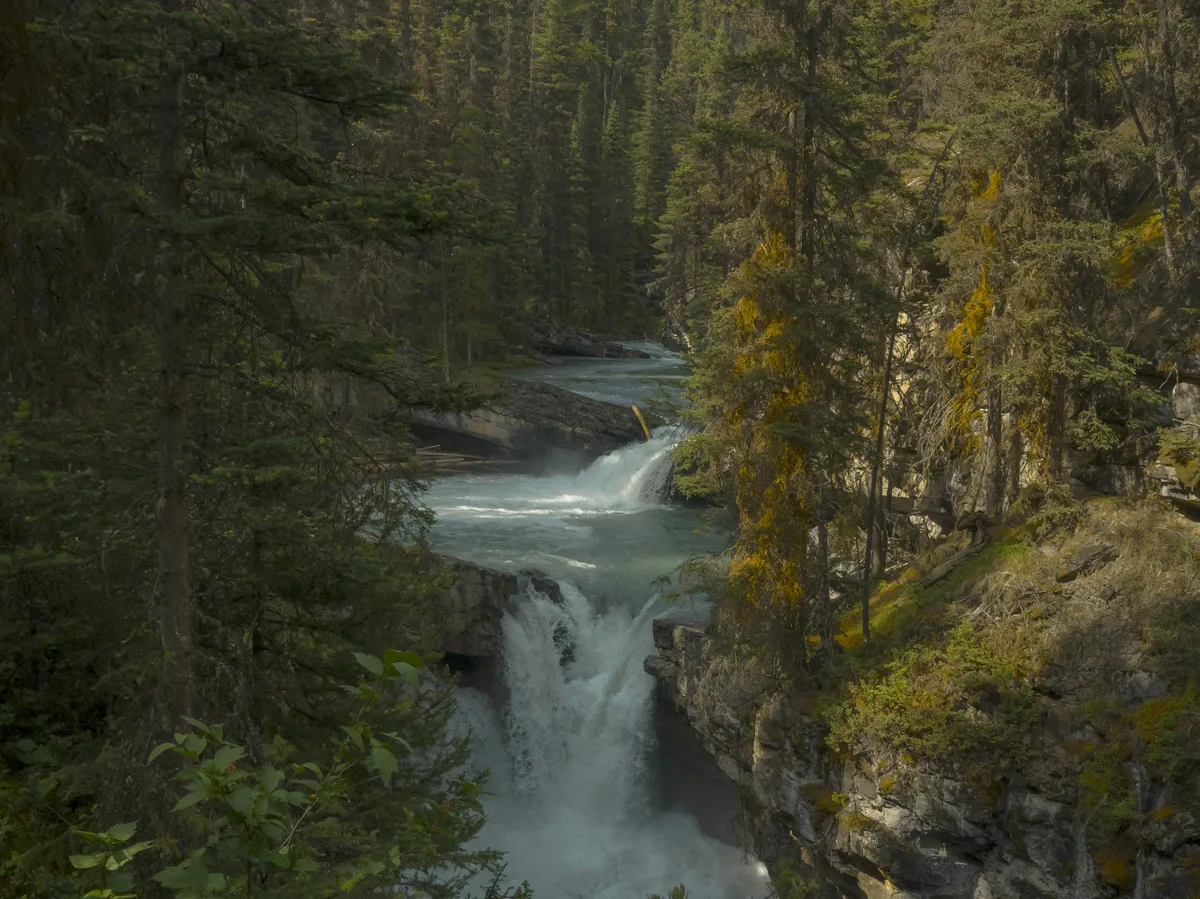 Multi-Day Tours
Three different corners of the Brazilian Amazon — Manaus, Tefé, and Santarém — built around real community visits, conservation science, and riverside life.
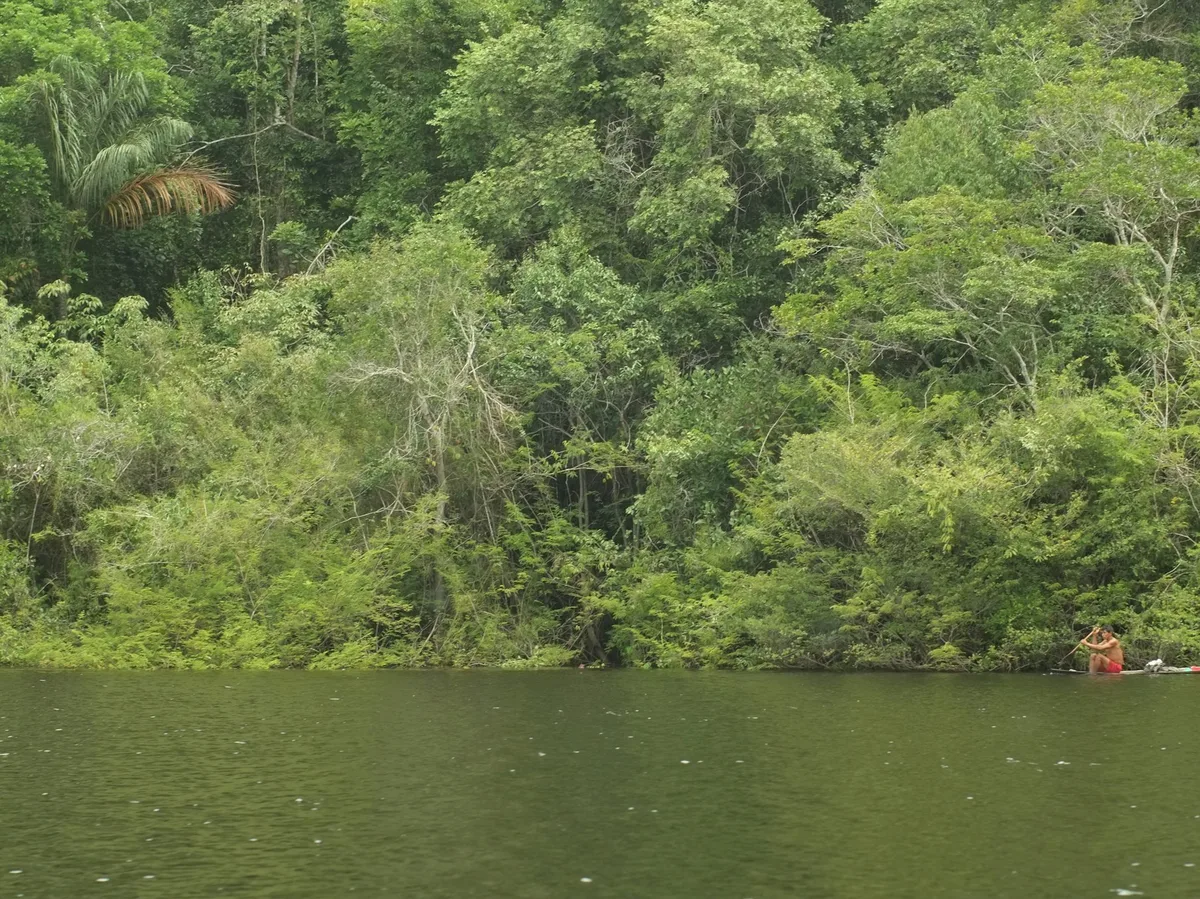 Multi-Day Tours
A deep, adventurous immersion in the Manaus region of the Amazon, including a houseboat, jungle-lodge stays, and two nights of hammock camping in the rainforest.
Visitor guide
The Amazon rainforest is the world's largest tropical rainforest, a vast expanse of forest across the Amazon basin in northern South America. Brazil holds roughly 60 percent of it, and the city of Manaus serves as the main gateway for visitors exploring the Brazilian Amazon.
Wikipedia gives the area of the Amazon rainforest as about 5.5 million square kilometres, within a basin of around 7 million square kilometres, of which roughly 6 million is forest. Nine nations share the basin: Brazil, Peru, Colombia, Bolivia, Venezuela, Guyana, Suriname, Ecuador and French Guiana, an overseas territory of France. Brazil's share is given as about 58 to 60 percent depending on the section of the article, with Peru next at around 13 percent.
The Amazon River is the great artery of this system, fed by tributaries that include the Solimões, Tapajós, Xingu and Purus. Rainfall is heavy, averaging around nine feet a year according to the article, and the forest itself is said to generate about half of the rain that falls in the basin.
The forest is often described as holding about one in ten of the species known on Earth. The article cites figures of at least 40,000 plant species, about 2,200 fish, 1,294 birds, 427 mammals, 428 amphibians and 378 reptiles scientifically recorded, along with an estimated 2.5 million insect species. It also cites an estimate of around 390 billion individual trees belonging to roughly 16,000 species.
These numbers are estimates, and new species continue to be described, so they are best read as indications of scale rather than final counts.
Human settlement in the Amazon goes back at least 11,200 years, and research cited by Wikipedia suggests the forest has been shaped by people for at least 11,000 years. More than 30 million people live in the region today, drawn from about 350 ethnic groups, and indigenous peoples make up around 9 percent of the population. Dozens of groups are described as largely isolated. Francisco de Orellana is credited as the first European to travel the length of the Amazon River, in 1542.
Manaus, with about 2.2 million inhabitants, is described as the largest city in the Amazon basin, which makes it a practical base for trips into the surrounding forest and river systems.
The forest faces serious pressure from clearing and degradation. Wikipedia reports that about 20 percent of the rainforest had been deforested by 2022, with a further 6 percent highly degraded, and cites research placing a possible tipping point at roughly 20 to 25 percent deforestation. Severe droughts in 2005 and 2010 also affected large areas. These issues have made conservation and responsible tourism a central part of the conversation about the region.
Experiences in the Brazilian Amazon revolve around river travel and forest walks, and conditions differ with the seasonal rise and fall of the rivers. A private guided visit arranged through a local operator helps with logistics in an area where distances are large and access often depends on water.
See every tour and attraction we cover in Brazil.