TorontoOntario · 36 tours
 Niagara FallsOntario · 25 tours
 New York CityNew York · 30 tours
 Las VegasNevada · 8 tours
 San FranciscoCalifornia · 16 tours
 VancouverBritish Columbia · 17 tours
 DubaiUAE · 54 tours
 Abu DhabiUAE · 5 tours
 Buenos AiresArgentina · 23 tours
 AthensGreece · 31 tours
 AucklandNew Zealand · 38 tours
 CancunMexico · 54 tours
No destinations match “”. Try searching all tours instead — that search understands full questions, not just place names.
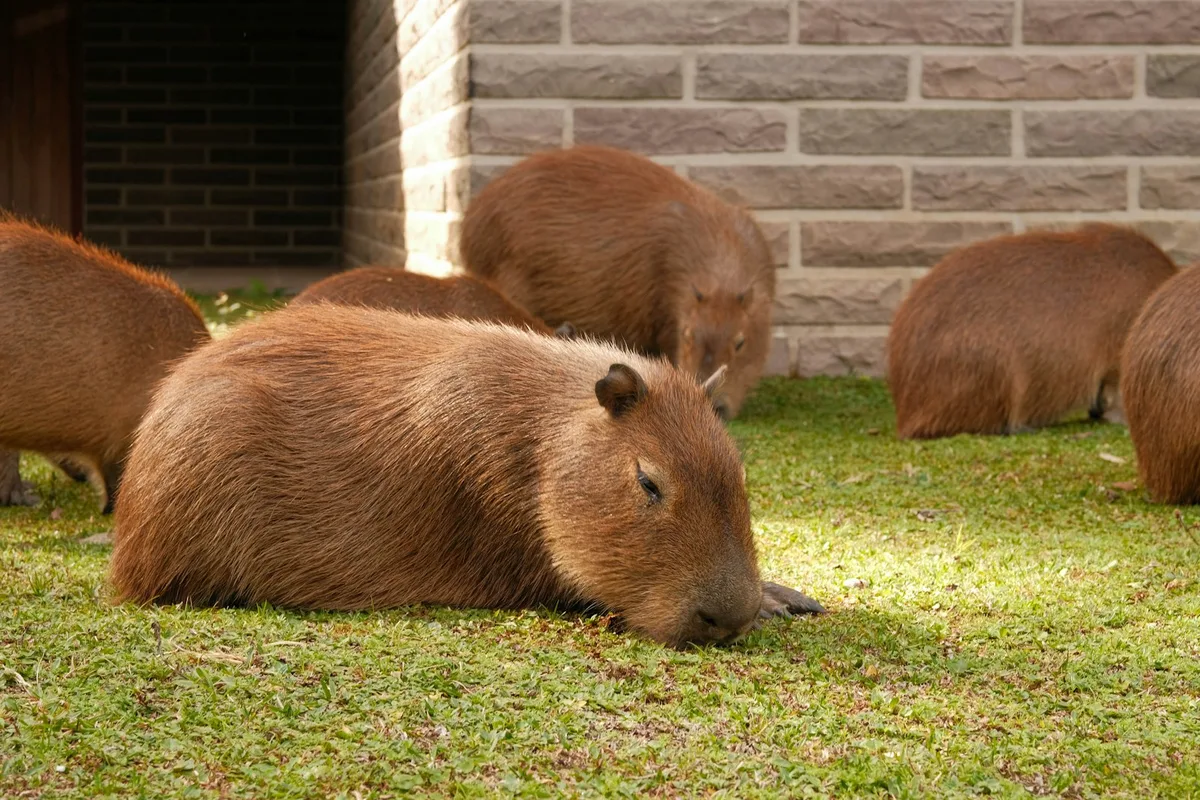
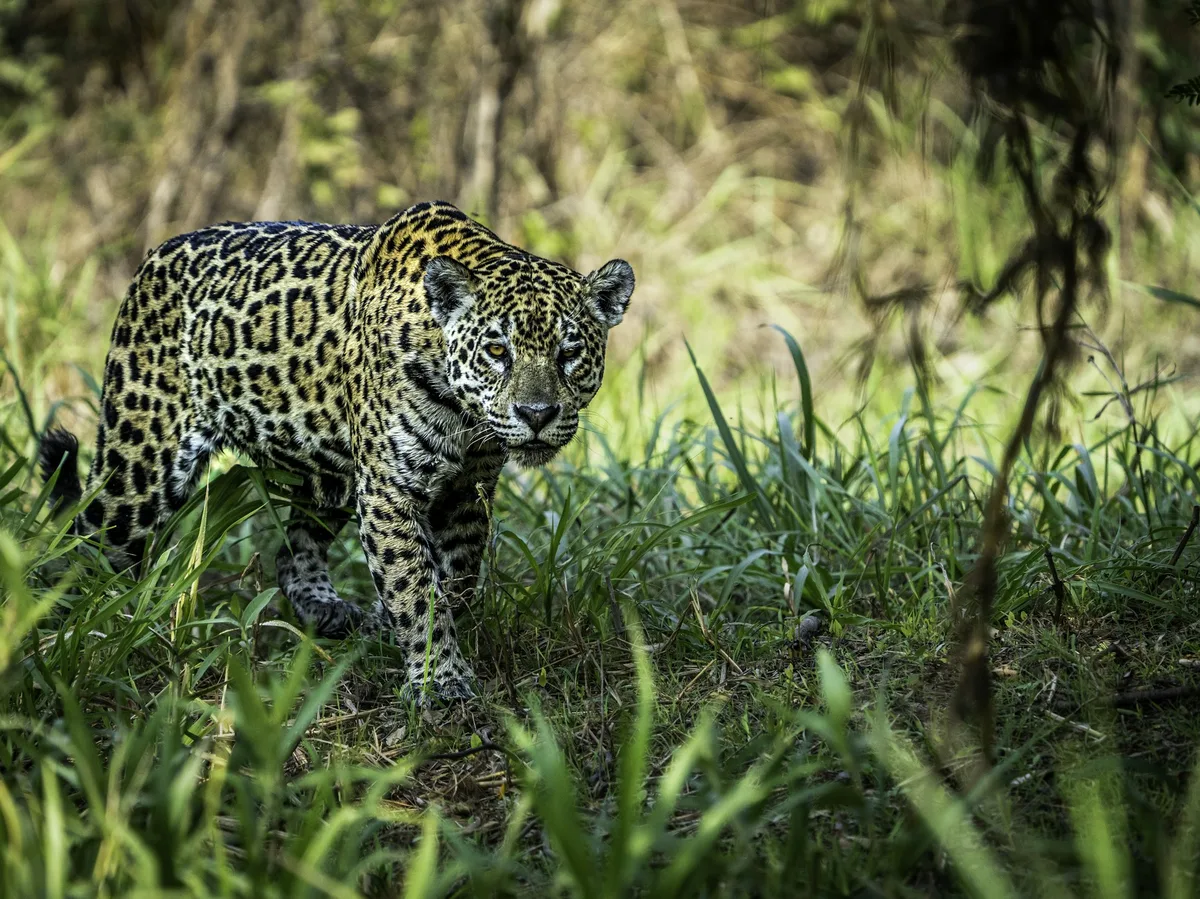
The world's largest tropical wetland, spread across Brazil's Mato Grosso states, known for wildlife-viewing densities that rival or exceed the Amazon, including capybara, caiman and jaguar.
 Multi-Day Tours
Our most complete Brazil route — Rio, the Amazon, the dune coast of the northeast, the Pantanal wetlands, and Iguazu Falls, all in one continuous itinerary.
 Multi-Day Tours
A wildlife-focused route from Iguazu Falls to jaguar-spotting in the Pantanal, the Amazon around Manaus, and the dune coast at Jericoacoara.
Visitor guide
The Pantanal is a vast natural region in the heart of South America that Wikipedia describes as the world's largest tropical wetland and largest flooded grassland. Most of it lies in Brazil, mainly in Mato Grosso do Sul with extensions into Mato Grosso, and it also reaches into Bolivia and Paraguay.
The area is usually given as somewhere between 140,000 and 195,000 square kilometres, with the figures varying by source and definition. The terrain is low and flat, between about 80 and 150 metres in elevation, and annual rainfall of roughly 1,000 to 1,500 millimetres falls mostly from November to March. Along the Paraguay River, water levels rise by two to five metres seasonally, and about 80 percent of the floodplains are submerged during the rainy season. Floodwaters move very slowly, at only a few centimetres per second.
The result is a shifting landscape of lagoons, rivers, seasonal ponds and grassland whose character changes sharply between wet and dry months. Up to twelve sub-regional ecosystems have been identified, each with its own hydrology and ecology.
The Pantanal is celebrated for its animal life and the ease with which wildlife can be seen in its open landscape. Wikipedia cites around 463 bird species, 269 fish and more than 236 mammals, along with more than 9,000 invertebrate species and subspecies. The jaguar is among its best-known residents, and the article says the area supports one of the largest and healthiest jaguar populations on Earth.
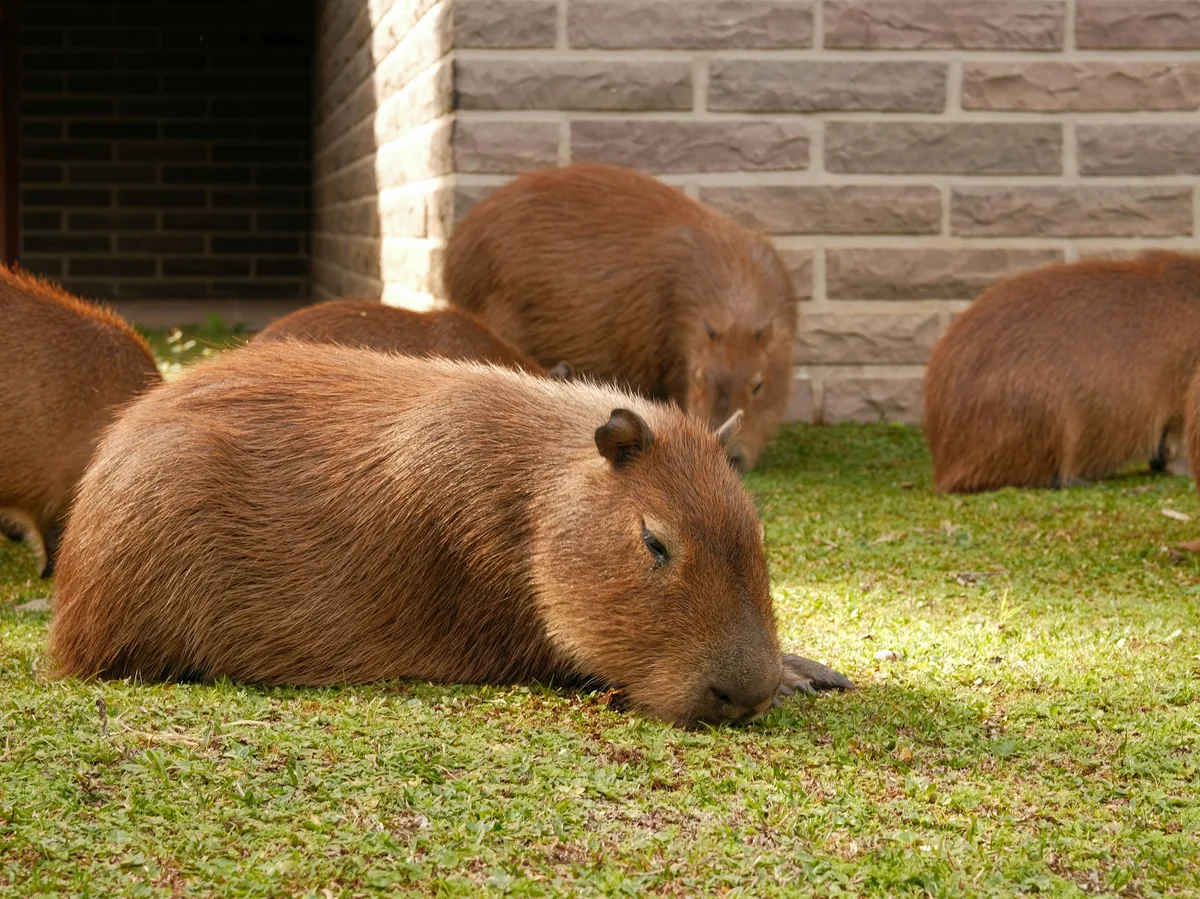
Capybaras and yacare caimans are common sights; the article cites a figure of about 10 million caimans from 1996 data, describing it as the highest concentration of crocodilians in the world. Other animals include marsh deer, giant river otters, maned wolves, giant anteaters and the hyacinth macaw, which is described as threatened by smuggling. Apple snails are noted as a keystone species that helps recycle nutrients in the oxygen-poor floodwaters.
Parts of the Pantanal are recognised internationally. UNESCO inscribed the Pantanal Conservation Area as a World Heritage Site in 2000, covering 187,818 hectares. The Brazilian Pantanal Matogrossense and the Bolivian Pantanal are also listed as Ramsar wetlands, in 1993 and 2001 respectively. Pantanal Matogrossense National Park, established in 1981, covers about 1,350 square kilometres in Poconé, Mato Grosso.
About 99 percent of the land is privately owned, mostly used for agriculture and cattle ranching, with the article citing around 2,500 fazendas and up to eight million cattle. The region faces pressure from erosion, fires, pollution and development. Wikipedia reports that a fire in late 2020 affected an area it puts at about a quarter of the wetland.
Because land access and conditions depend heavily on the water, timing shapes the experience, with high-water and low-water periods offering different views of the landscape. A private guided visit with a local driver and guide suits a region where distances are long and tracks vary with the season.
See every tour and attraction we cover in Brazil.