TorontoOntario · 36 tours
 Niagara FallsOntario · 25 tours
 New York CityNew York · 30 tours
 Las VegasNevada · 8 tours
 San FranciscoCalifornia · 16 tours
 VancouverBritish Columbia · 17 tours
 DubaiUAE · 54 tours
 Abu DhabiUAE · 5 tours
 Buenos AiresArgentina · 23 tours
 AthensGreece · 31 tours
 AucklandNew Zealand · 38 tours
 CancunMexico · 54 tours
No destinations match “”. Try searching all tours instead — that search understands full questions, not just place names.
A set of mineral rock formations resembling petrified waterfalls, formed over thousands of years by calcium-carbonate-rich spring water flowing over a cliff edge in the Oaxaca highlands. Natural rock-edge pools at the top are open for swimming, with sweeping views over the surrounding valley.
 Private Tours Popular Pick
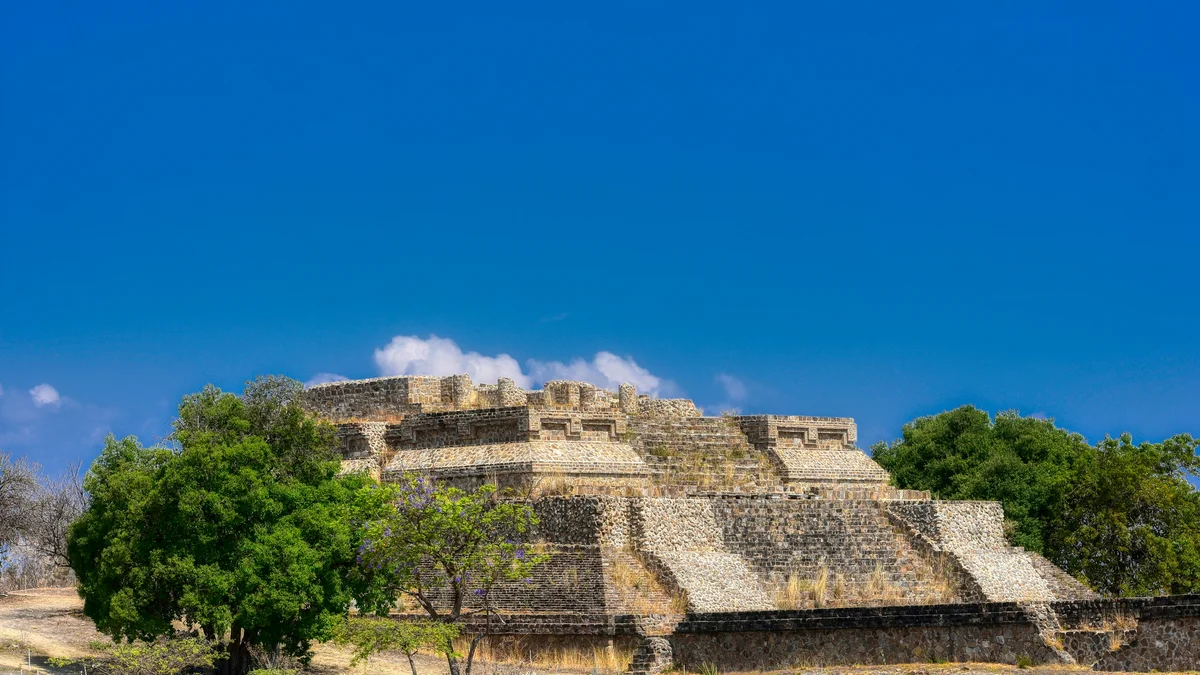
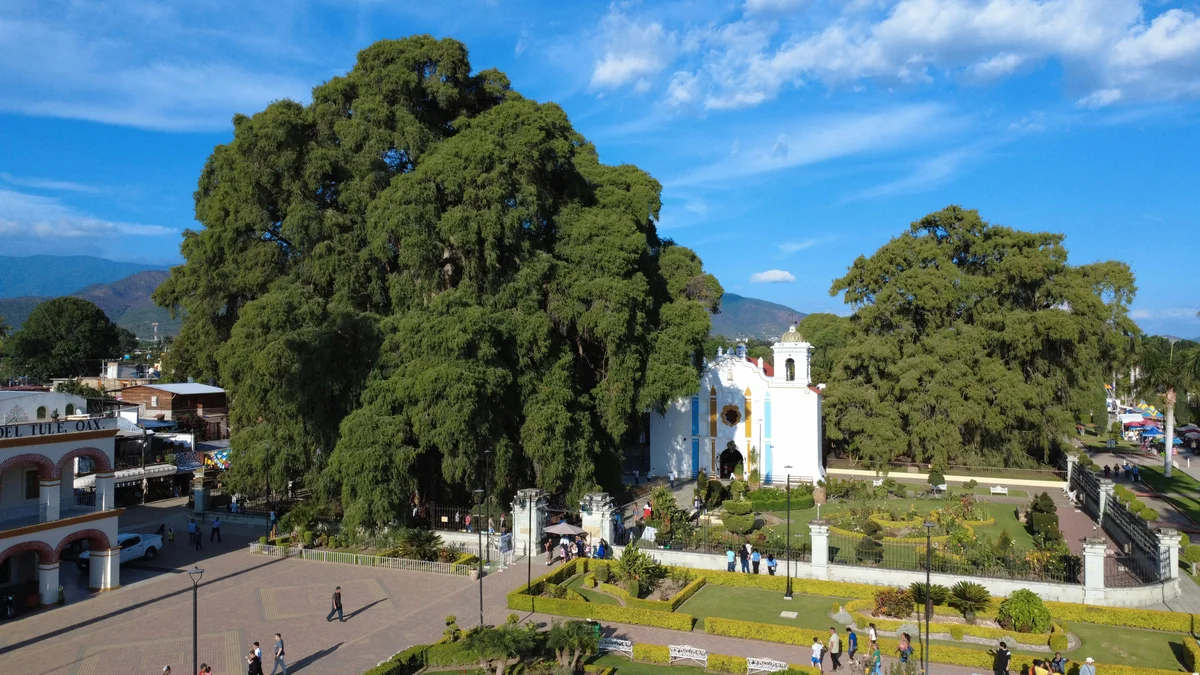
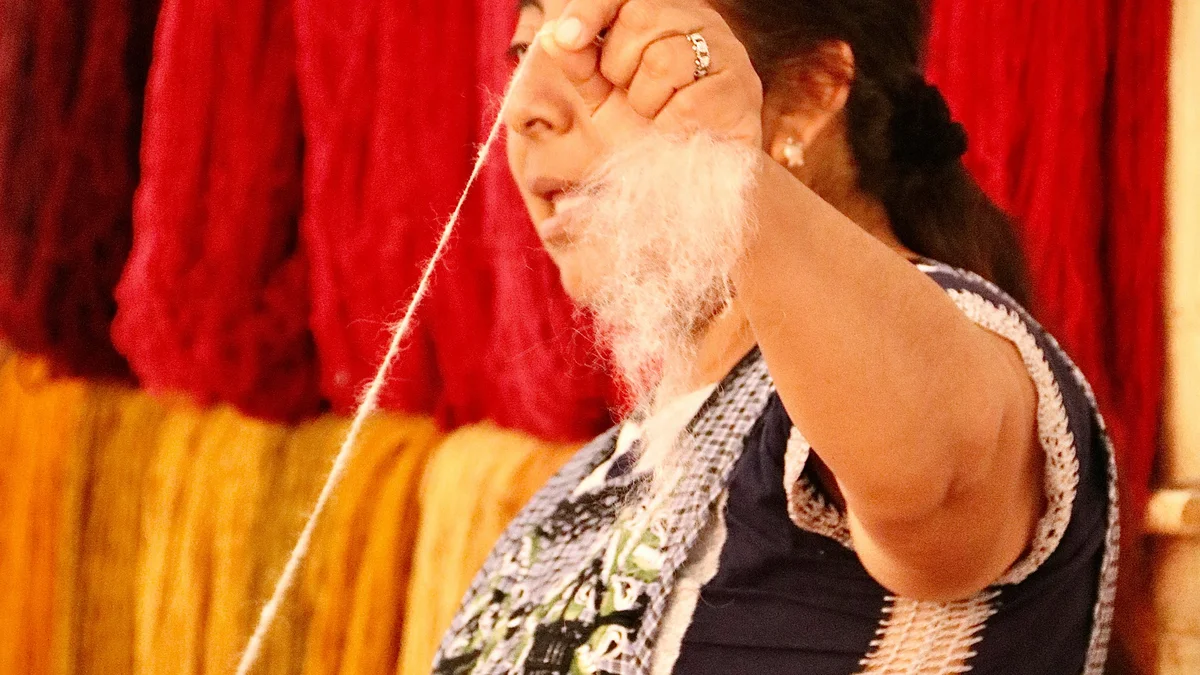
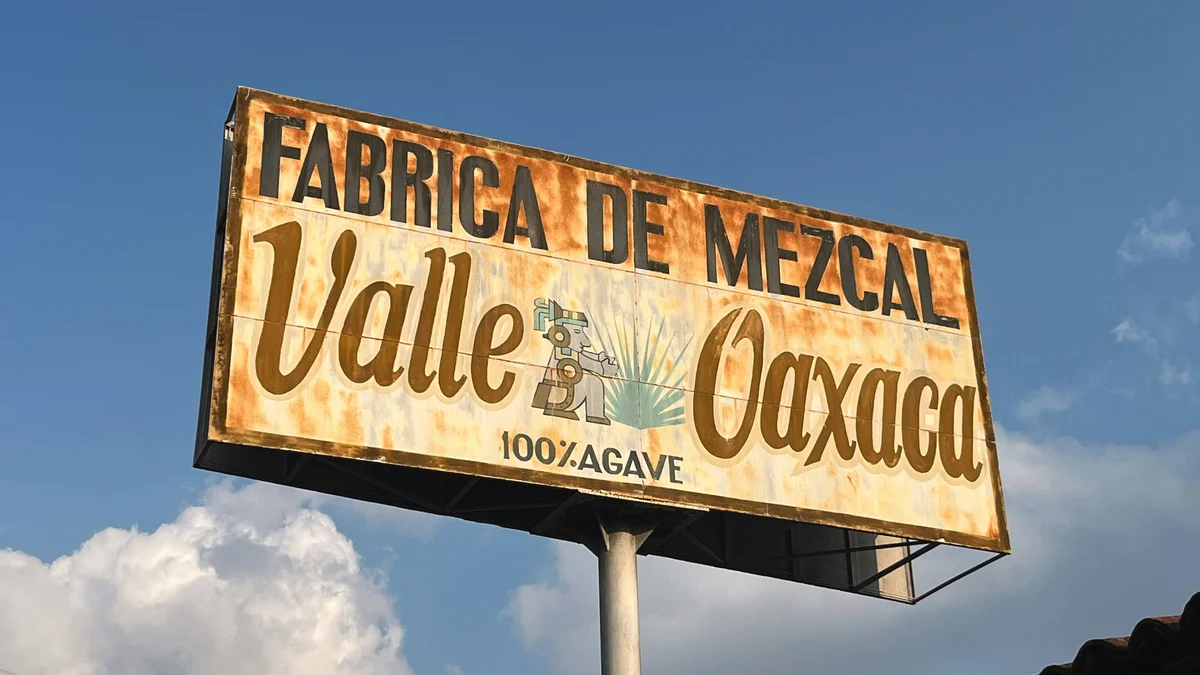
A full private day pairing the Monte Albán archaeological site with three of Oaxaca's real craft traditions: black pottery in San Bartolo Coyotepec, hand-carved alebrijes in San Antonio Arrazola, and woven textiles in Teotitlán del Valle, plus a mezcal tasting.
 Private Tours
A private day trip to Hierve el Agua's mineral rock formations and natural pools, with a genuinely customizable route — your guide can add Teotitlán del Valle, a mezcal distillery, or the Mitla ruins along the way, time permitting.
 Private Tours
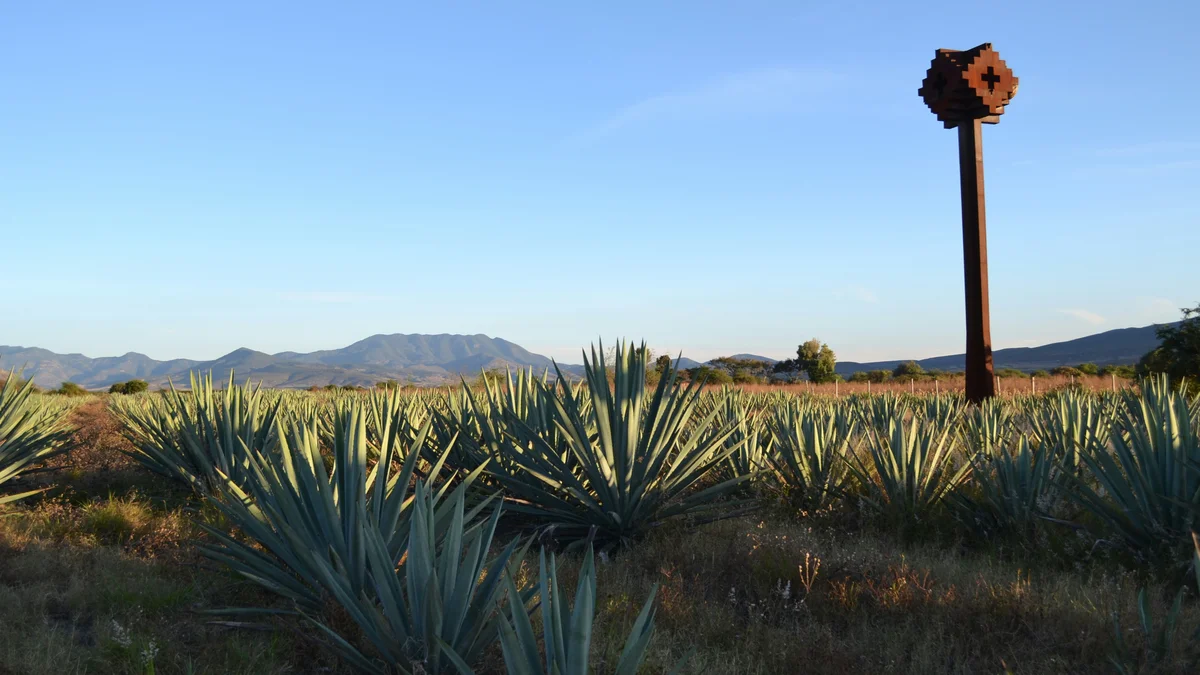
A private full-day tour connecting four real stops in one route: the Mitla archaeological site, the weaving village of Teotitlán del Valle, a mezcal distillery, and the Hierve el Agua rock pools.
Visitor guide
Hierve el Agua, Spanish for the water boils, is a group of natural travertine rock formations in San Lorenzo Albarradas, Oaxaca, Mexico, about 70 kilometres east of Oaxaca City. Its cliff-side formations look like frozen waterfalls and sit above a rugged valley.
Wikipedia describes the site as lying in a remote region where mountains rise abruptly from a narrow valley floor. The vegetation is mainly holm oak forest, cactus and other semi-desert plants, and the area is part of Mixe ethnic territory. Nearby communities include San Lorenzo Albarradas and San Isidro Roaguia, with the larger town of Tlacolula de Matamoros roughly 30 kilometres away.
Two rock shelves rise roughly 50 to 90 metres above the valley below. The smaller formation, the cascada chica or Amphitheatre, drops about 12 metres from a base around 60 metres wide. The larger one, the cascada grande, drops about 30 metres from a base around 80 to 90 metres wide and is steeper, with no artificial pools.
The formations are travertine, built from spring water that is oversaturated with calcium carbonate and other minerals. Water rises through cracks in the mountainside at about 22 to 27 degrees Celsius. As it trickles over the cliff, excess minerals are deposited, forming stalactite-like shapes similar to those in caves. About 95 percent of the surface rock is calcium carbonate, and trace minerals such as iron and barium affect the colour of particular formations.
The process is ongoing, with mineral deposition visible on the pool walls, and the flow differs noticeably between dry and rainy seasons. The name refers to the bubbling springs on the platform of the Amphitheatre, where two springs rise from the floor.
The Amphitheatre platform holds four springs. Three feed small natural pools and two large artificial pools used for swimming, one of which was built in 2007 very close to the cliff edge. The mineral content gives the water a turquoise-green colour. The fourth spring, nearest the edge, produces most of the waterfall formation.
Hierve el Agua also has archaeological interest. Wikipedia reports that the Zapotecs built an extensive system of irrigation canals and terraces here as many as 2,500 years ago, mostly on the Amphitheatre side. Researchers concluded it was an irrigation system unique in Mexico, and the canals are considered the only known lined irrigation canals in Mesoamerica, with the lining forming naturally from mineral deposits.
Only remnants survive and the archaeological area has not been fully explored. The site was likely sacred to ancient peoples of the Oaxaca Valley.
Hierve el Agua is a day trip from Oaxaca City and is often combined with other sights in the Valles Centrales. A private tour with a driver suits the long drive on mountain roads, and a guide can explain the geology and the ancient canals.
See every tour and attraction we cover in Oaxaca City.