TorontoOntario · 36 tours
 Niagara FallsOntario · 25 tours
 New York CityNew York · 30 tours
 Las VegasNevada · 8 tours
 San FranciscoCalifornia · 16 tours
 VancouverBritish Columbia · 17 tours
 DubaiUAE · 54 tours
 Abu DhabiUAE · 5 tours
 Buenos AiresArgentina · 23 tours
 AthensGreece · 31 tours
 AucklandNew Zealand · 38 tours
 CancunMexico · 54 tours
No destinations match “”. Try searching all tours instead — that search understands full questions, not just place names.
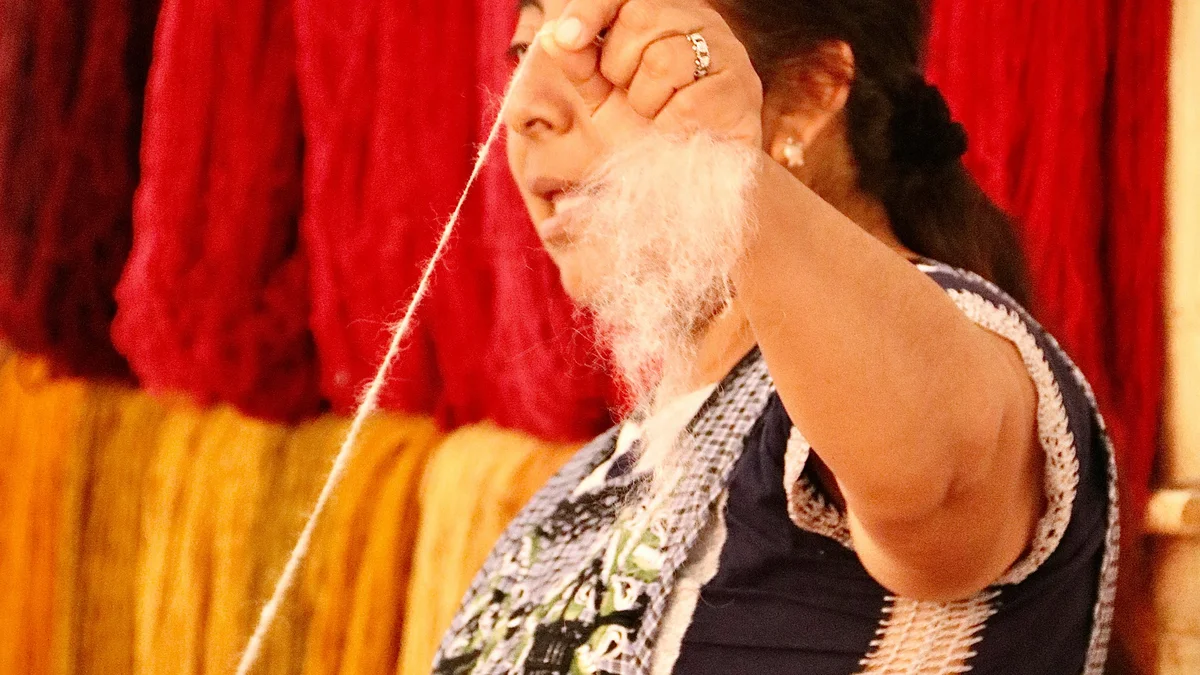
A Zapotec weaving village about 30 minutes from Oaxaca City, where families have produced hand-woven wool textiles on traditional looms using natural dyes for generations. Visitors can watch the weaving process firsthand and buy rugs and textiles directly from the artisans who made them.
 Private Tours Popular Pick
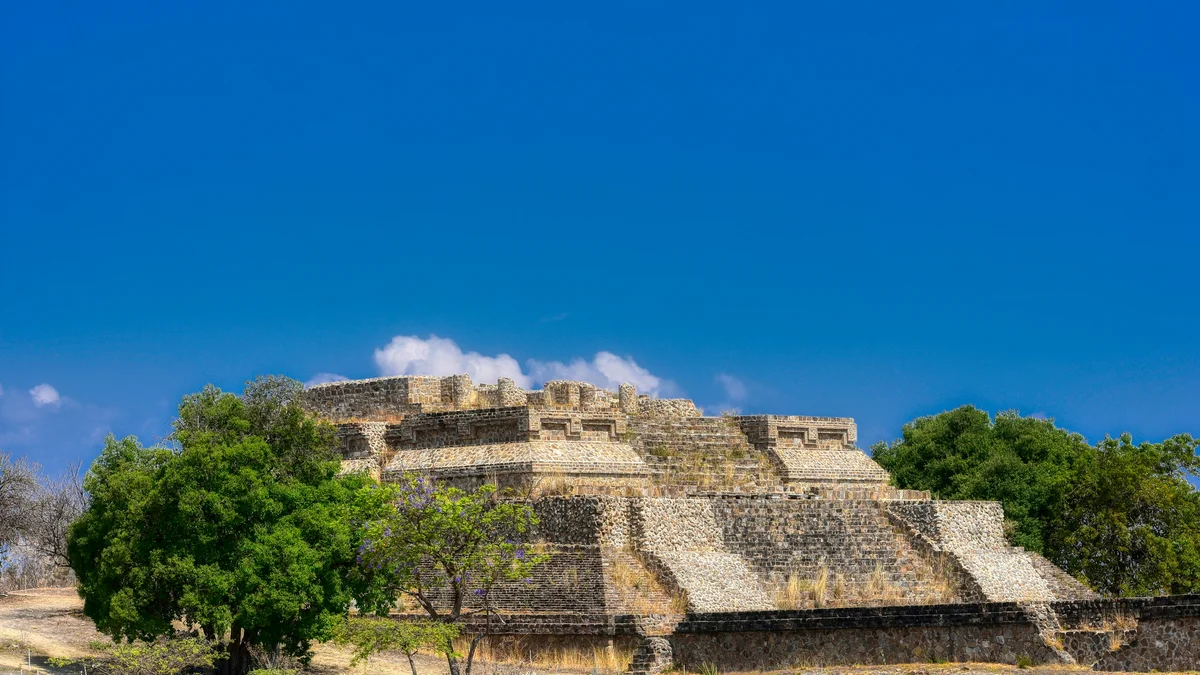
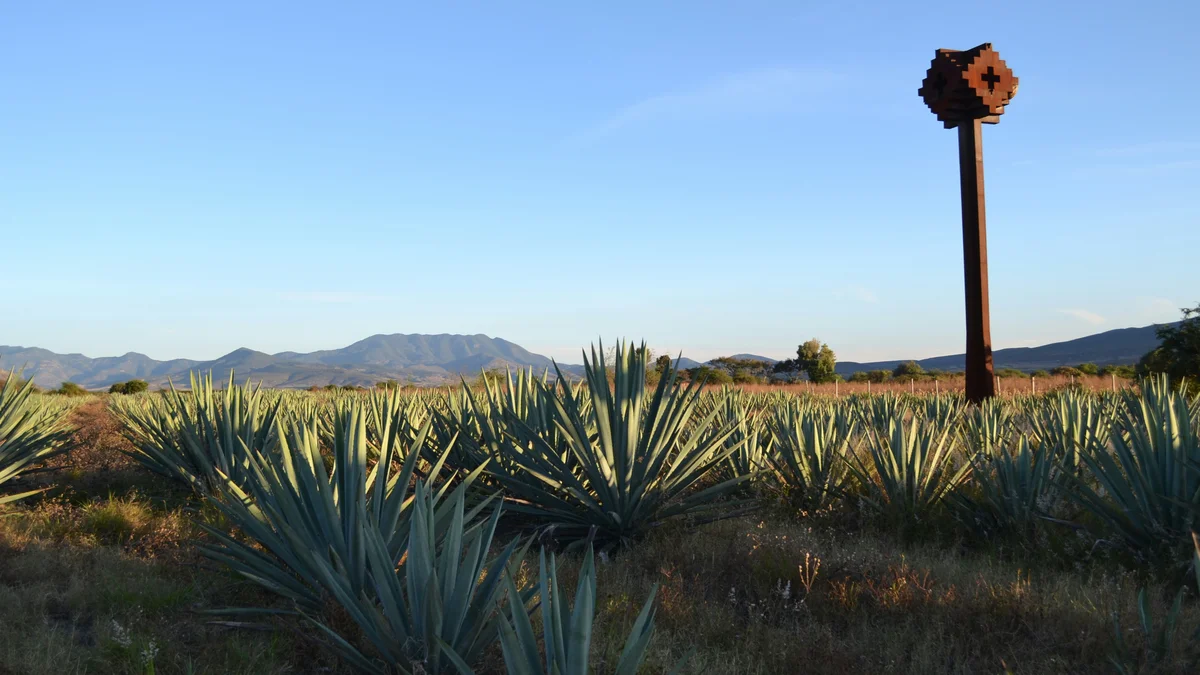
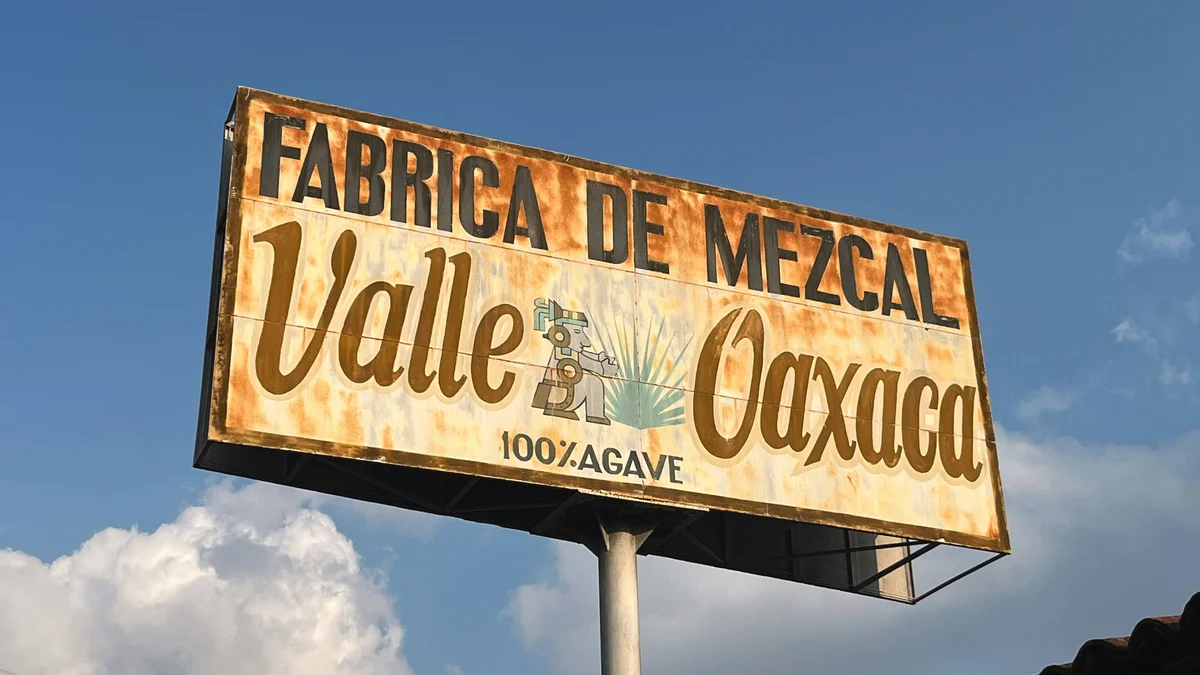
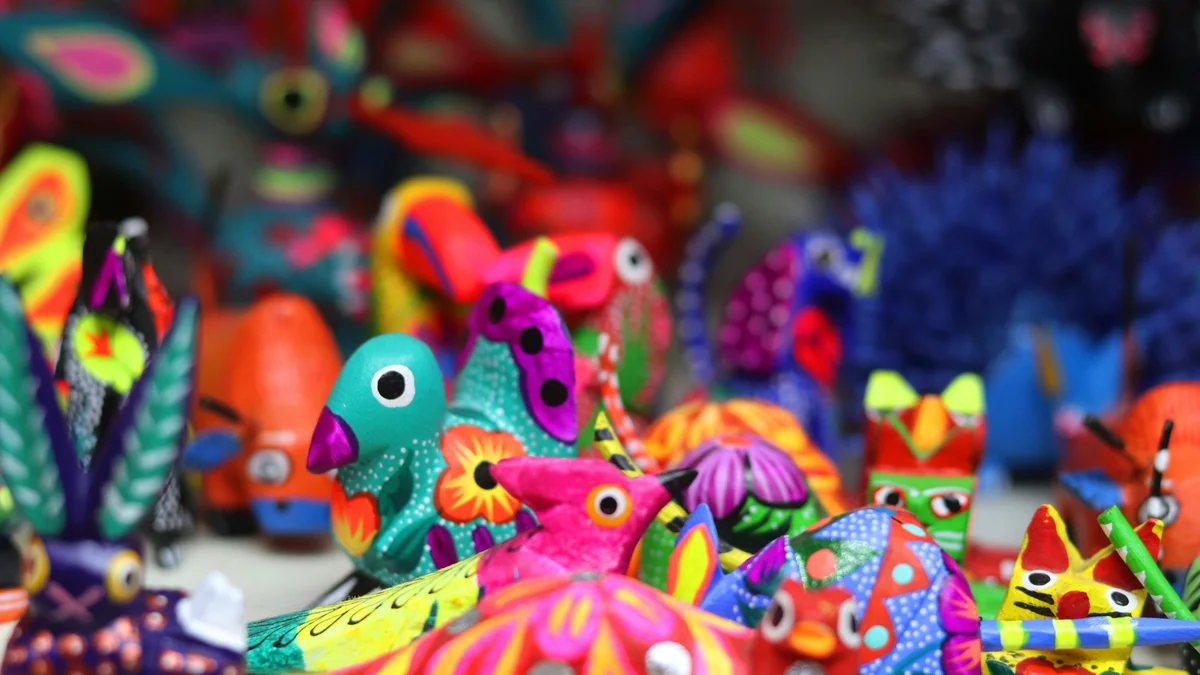
A full private day pairing the Monte Albán archaeological site with three of Oaxaca's real craft traditions: black pottery in San Bartolo Coyotepec, hand-carved alebrijes in San Antonio Arrazola, and woven textiles in Teotitlán del Valle, plus a mezcal tasting.
 Private Tours
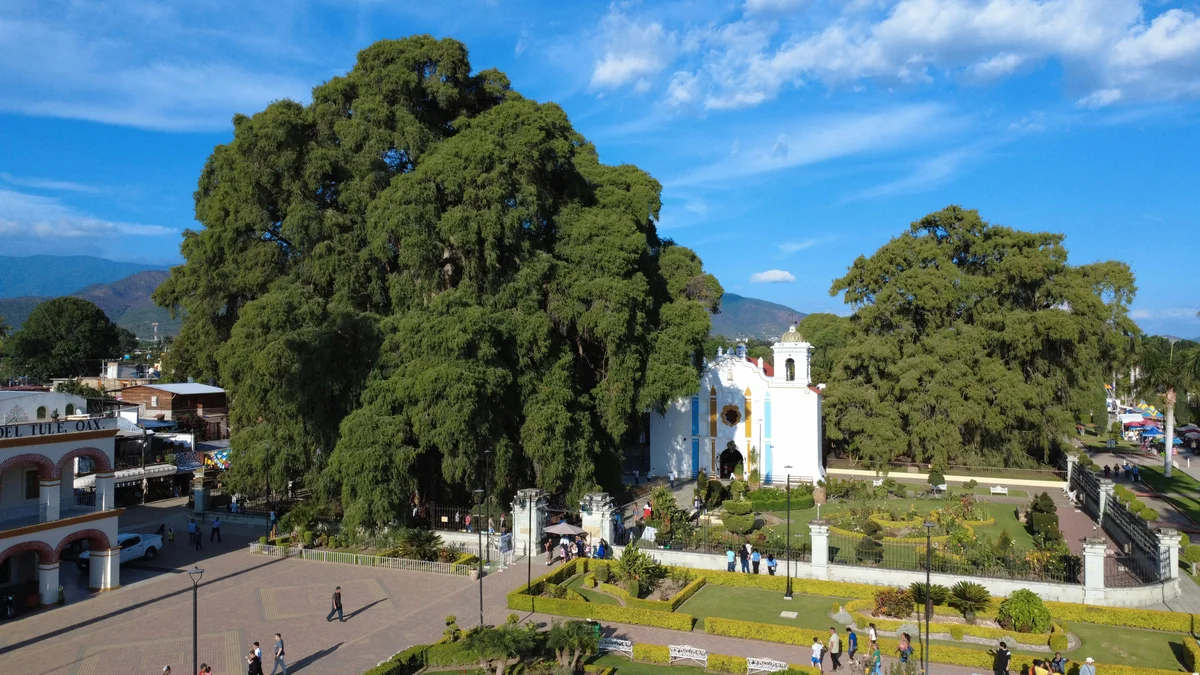
A private full-day tour combining Monte Albán and Mitla — Oaxaca's two major Zapotec and Mixtec archaeological sites — with the giant Árbol del Tule and a family weaving workshop in Teotitlán del Valle.
 Private Tours
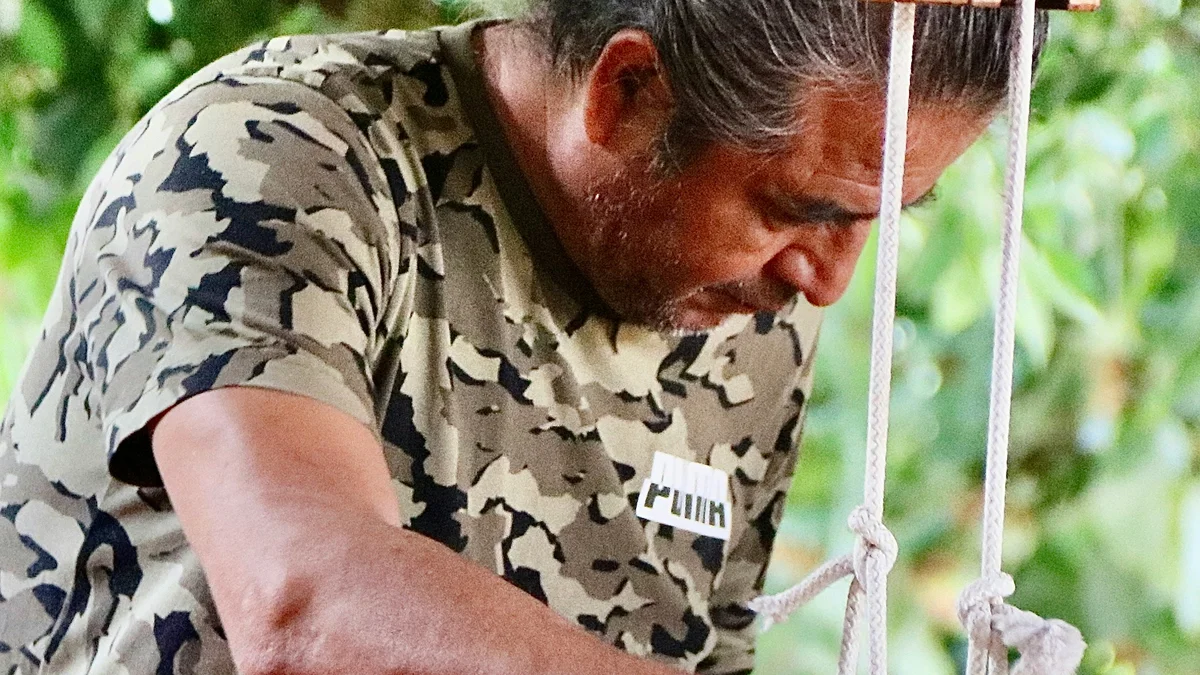
A private full-day tour connecting four real stops in one route: the Mitla archaeological site, the weaving village of Teotitlán del Valle, a mezcal distillery, and the Hierve el Agua rock pools.
Visitor guide
Teotitlan del Valle is a Zapotec village and municipality in the Valles Centrales region of Oaxaca, Mexico, about 31 kilometres from Oaxaca City. It is known across Mexico for hand-woven wool rugs and textiles made in family workshops.
The name Teotitlan is Nahuatl and means land of the gods, while the Zapotec name, Xaguixe, means at the foot of the mountain. According to Wikipedia the village was established around 1465 and is considered one of the first Zapotec settlements in the area, and it was refounded as a Spanish village in 1527. It sits at about 1,670 metres in the foothills of the Sierra Juarez.
Most residents speak Zapotec, and the community has kept its language and culture. The 2005 census recorded about 5,600 people in the municipality.
Textiles are the main economic activity. Weaving here goes back at least to about 500 BCE, when artisans worked cotton and ixtle on backstrap looms, and the town paid tribute in woven goods to the Aztecs. Around 1535 a Dominican bishop introduced sheep and treadle looms, which allowed the production of large, heavy items such as rugs, serapes and blankets. The town later specialised in rugs.
Roughly 150 families are involved in weaving, and most work happens in family workshops on hand-operated looms. The wool comes from local sheep and goes through washing, carding, spinning and dyeing before weaving.
Traditional dyes include cochineal, indigo, needle bush, Brazilwood, Mexican marigold and a rock moss. Some workshops use chemical dyes instead. Designs may feature Zapotec and Mixtec glyphs and fretwork, as well as Navajo-style patterns, which Wikipedia notes is a contested issue. Contemporary designs include reproductions of works by artists such as Picasso, Miro, Matisse, Diego Rivera and Rufino Tamayo, and most designs are woven from the weaver's memory.
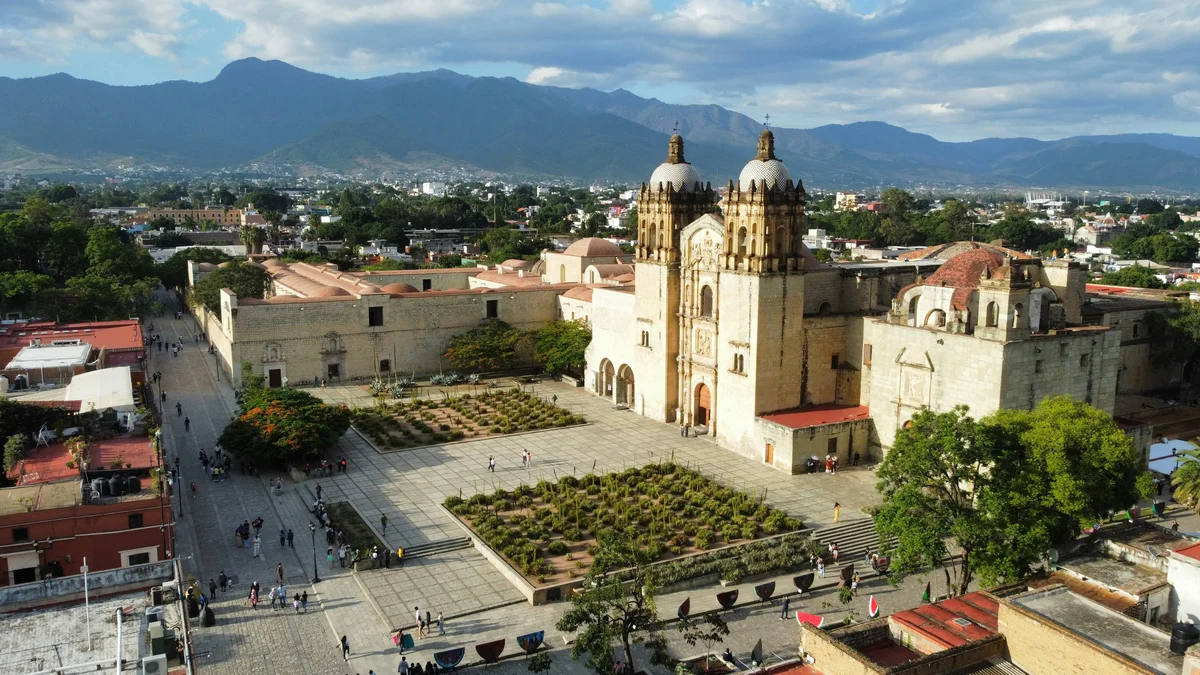
The main church, Preciosa Sangre de Cristo, is generally dated to the colonial period; one source gives 1581 to 1758 for its construction, while Mexico's INEGI compendium gives 1518. It was built on the site of a Zapotec temple, and remnants of the temple's foundation are visible. The facade is of cantera stone, and inside are traces of 16th-century decoration with pre-Hispanic motifs and many colonial statues of saints.
A small archaeological area lies beside the church, and the Community Museum, Balaa Xtee Guech Gulal, opened in 1995 with etched stones and ceramics.
Because most work is done in family workshops, many households welcome visitors to see the process of turning raw wool into a finished rug. Seeing the carding, spinning and dyeing steps in person gives a clearer sense of why hand-woven pieces vary so much in colour and pattern, and why natural dyes such as cochineal, which gives reds, and indigo, which gives blues, are valued by weavers.
The village is a short drive from Oaxaca City and is often combined with other stops in the valley, such as the Tule tree or Mitla. A private tour with a driver and guide lets visitors spend time in a workshop and hear how the dyes and looms work.
See every tour and attraction we cover in Oaxaca City.