TorontoOntario · 36 tours
 Niagara FallsOntario · 25 tours
 New York CityNew York · 30 tours
 Las VegasNevada · 8 tours
 San FranciscoCalifornia · 16 tours
 VancouverBritish Columbia · 17 tours
 DubaiUAE · 54 tours
 Abu DhabiUAE · 5 tours
 Buenos AiresArgentina · 23 tours
 AthensGreece · 31 tours
 AucklandNew Zealand · 38 tours
 CancunMexico · 54 tours
No destinations match “”. Try searching all tours instead — that search understands full questions, not just place names.
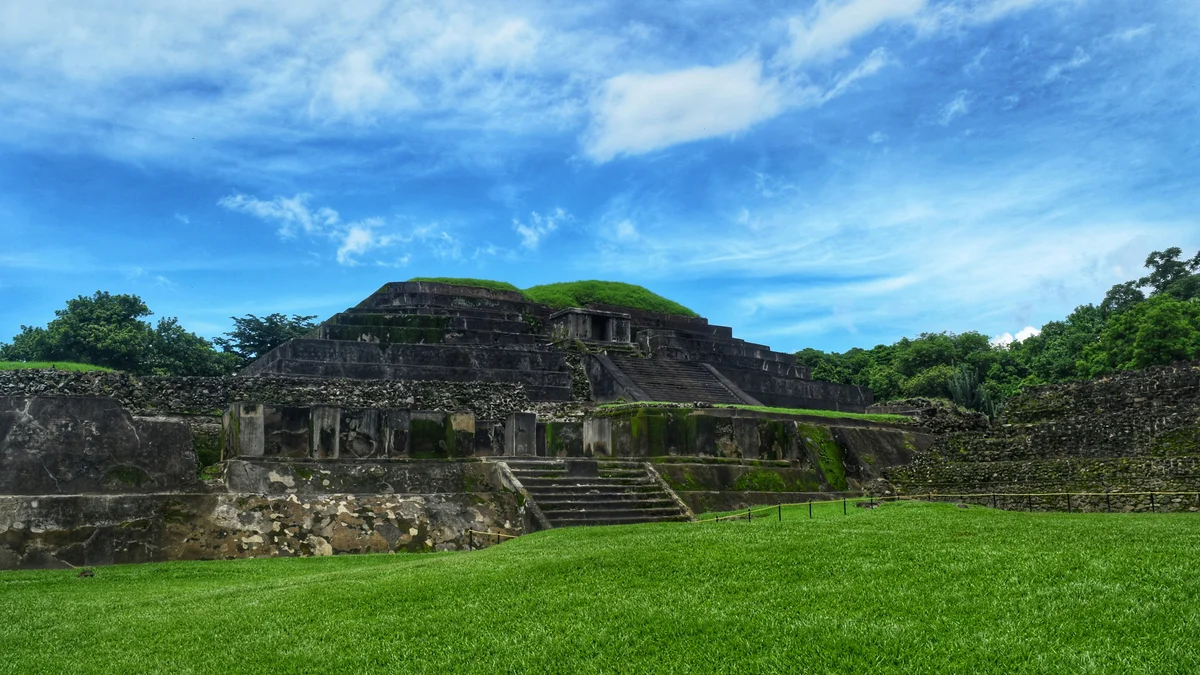
El Salvador's largest and most prominent Maya ceremonial center, part of the wider Chalchuapa archaeological zone and occupied for roughly a thousand years. Tazumal's stepped pyramid and ballcourt show clear architectural influence from Teotihuacan and later Toltec culture in central Mexico, reflecting the site's role as a trade and cultural crossroads.
 Multi-Day Tours
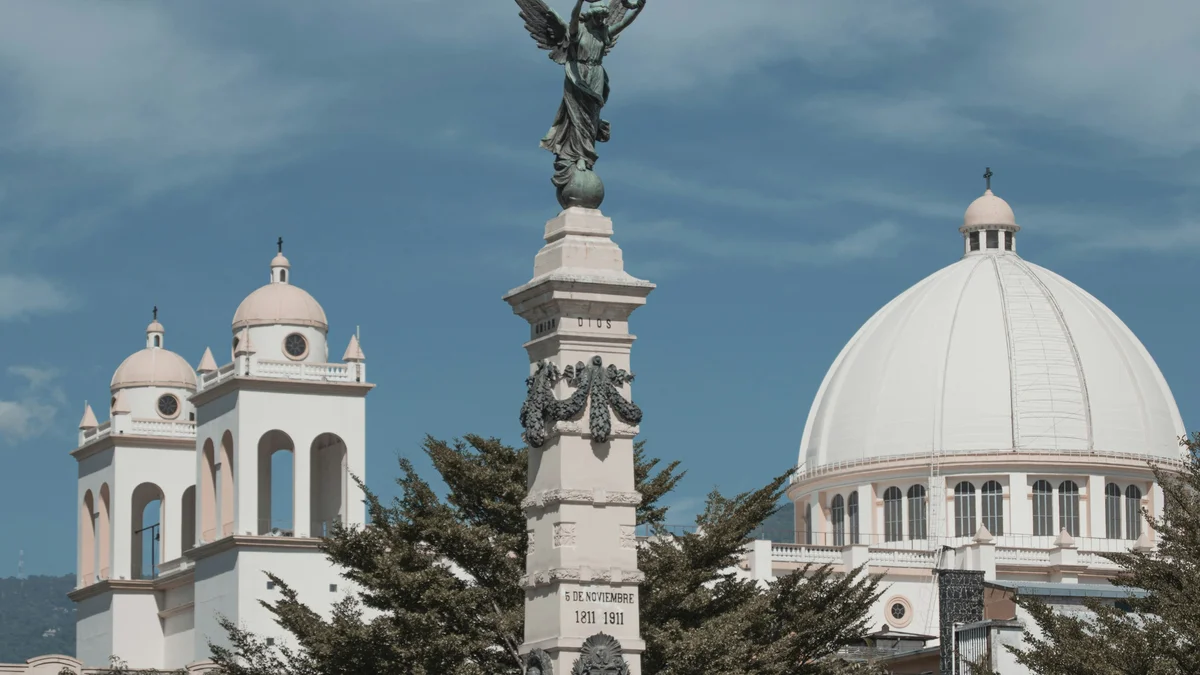
A five-day introduction to El Salvador, from the colorful coffee towns of the Ruta de las Flores to the Maya ruins at Tazumal and Joya de Cerén and the colonial streets of Suchitoto.
 Multi-Day Tours Popular Pick
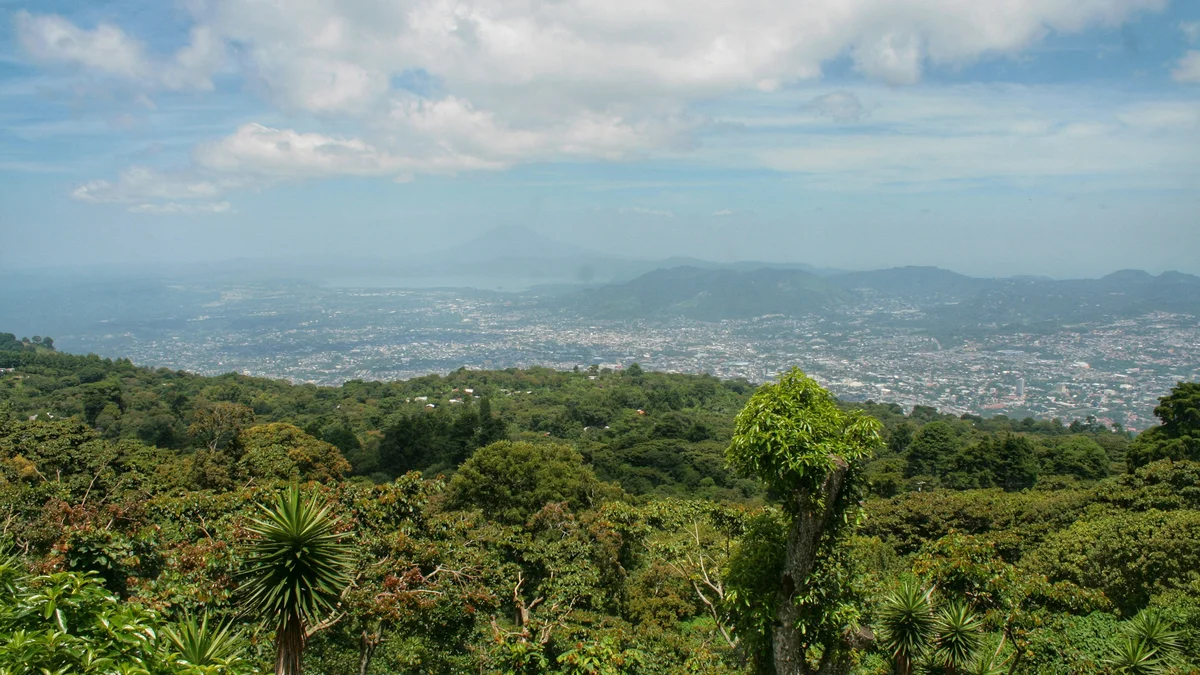
A full week and a half across El Salvador, from San Salvador Volcano and the colonial town of Suchitoto to the Ruta de las Flores, Santa Ana Volcano, and the Pacific surf beaches around El Tunco and La Libertad.
 Multi-Day Tours
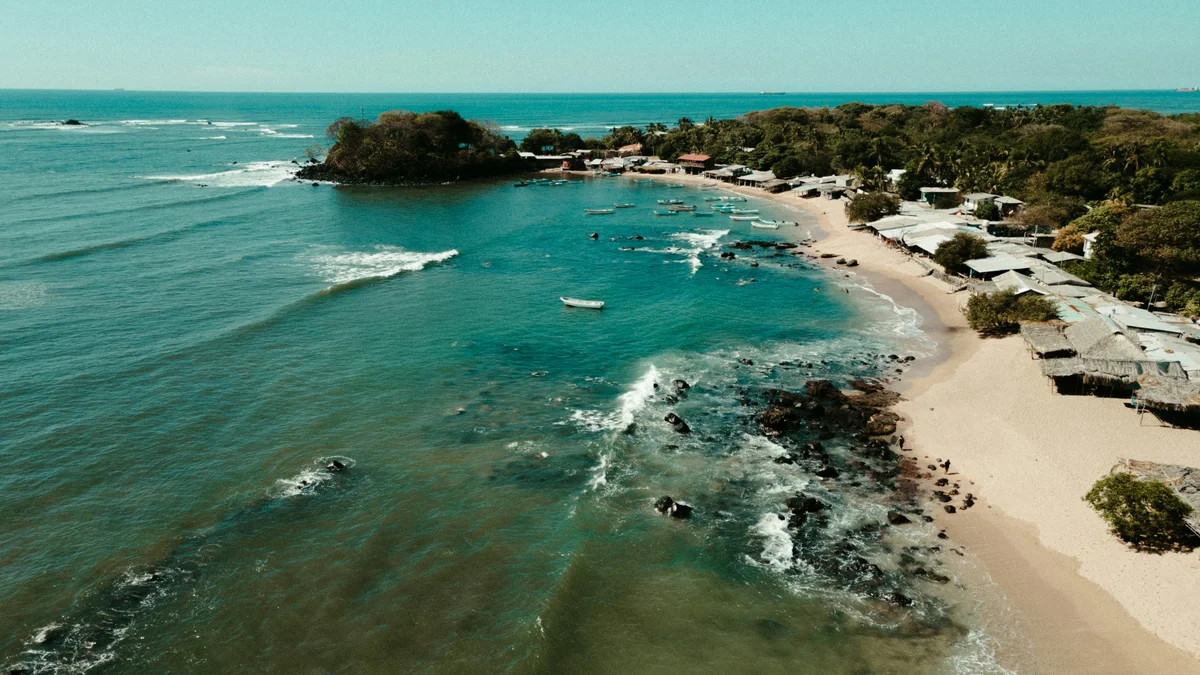
A family-paced six-day route through San Salvador, the colonial town of Suchitoto, El Salvador's three main Maya sites, and a hike up Santa Ana Volcano, finishing with beach time at El Tunco.
Visitor guide
Tazumal is a pre-Columbian archaeological site in the municipality of Chalchuapa, Santa Ana Department, in western El Salvador. It forms the southern part of the wider Chalchuapa archaeological zone, which was inhabited from the Preclassic period onward. Its stepped pyramid platforms and ballcourt make it one of the most recognisable Maya-era monuments in the country.
Chalchuapa was inhabited from the Preclassic period, when large construction projects took place. According to Wikipedia, an eruption of Lake Ilopango, about 75 kilometres to the east, interrupted building at Tazumal around the transition from the Late Preclassic to the Early Classic, possibly for several generations. Activity resumed in the Early to Middle Classic, roughly AD 250 to 650, but the city never regained its Preclassic scale. The principal structures visible today date to the Classic period, and by the Late Classic, around AD 600 to 900, Tazumal was an important ceremonial centre.
The ceramic sequence continues to about AD 1200, and Nahua-speaking Pipil people coexisted with the existing population from the Classic into the Early Postclassic. After about 1200 the site was largely abandoned as occupation shifted westward. At the time of the Spanish conquest, the inhabitants of Chalchuapa were Poqomam Maya.
Tazumal sat on routes connecting the Maya highlands to the Pacific coast. Wikipedia notes that its ties to the highland city of Kaminaljuyu helped extend the influence of Teotihuacan onto the Pacific coast of Guatemala and El Salvador, and that Late Classic links to Copán show in the architecture, sculpture and ceramics. Researchers have also pointed to possible connections with Tula in central Mexico and with Chichen Itza. Among the finds are three gold ornaments made by lost-wax casting and tentatively dated to the 8th century, which indicate contact with lower Central America and are considered among the earliest known metal artifacts from Mesoamerica.
All of the buildings face west. The main pyramid, designated Structure B1-1, stands on a large foundation called the Great Platform, which measures 73 by 87 metres, and it went through several construction phases. Its western platform supports the so-called Temple of the Columns. Nearby, Structure B1-2 is a pyramid in the talud-tablero style, roughly 27 metres long and 6.3 metres tall, built in four or five phases. Talud-tablero, a sloping base topped by a vertical panel, is a form widely associated with Teotihuacan-influenced architecture.
Structures B1-3 and B1-4 form an I-shaped ballcourt, although Wikipedia notes that the identification is partly inferred from two unexcavated mounds. A circular platform, B1-8, dates to the Late Classic. Recovered sculptures include chacmool figures, a jaguar effigy and a figure of the central Mexican deity Xipe Totec, and one of the chacmools is held in the national anthropology museum in San Salvador.
The American archaeologist Stanley Boggs excavated and restored Structures B1-1 and B1-2 between 1942 and 1944, coating the structures with modern cement. The site was declared a National Historic Monument in 1947. In 2004 the south side of Structure B1-2 collapsed, which was attributed to tree roots and water damage, and excavation and stabilisation work followed, including a parallel project by Japan's Nagoya University.
A private guided visit helps make sense of the layers of construction and the debates over Tazumal's influences. It also pairs naturally with Joya de Cerén and the colonial towns of the Ruta de las Flores, since all lie in western El Salvador.
See every tour and attraction we cover in El Salvador.