TorontoOntario · 36 tours
 Niagara FallsOntario · 25 tours
 New York CityNew York · 30 tours
 Las VegasNevada · 8 tours
 San FranciscoCalifornia · 16 tours
 VancouverBritish Columbia · 17 tours
 DubaiUAE · 54 tours
 Abu DhabiUAE · 5 tours
 Buenos AiresArgentina · 23 tours
 AthensGreece · 31 tours
 AucklandNew Zealand · 38 tours
 CancunMexico · 54 tours
No destinations match “”. Try searching all tours instead — that search understands full questions, not just place names.
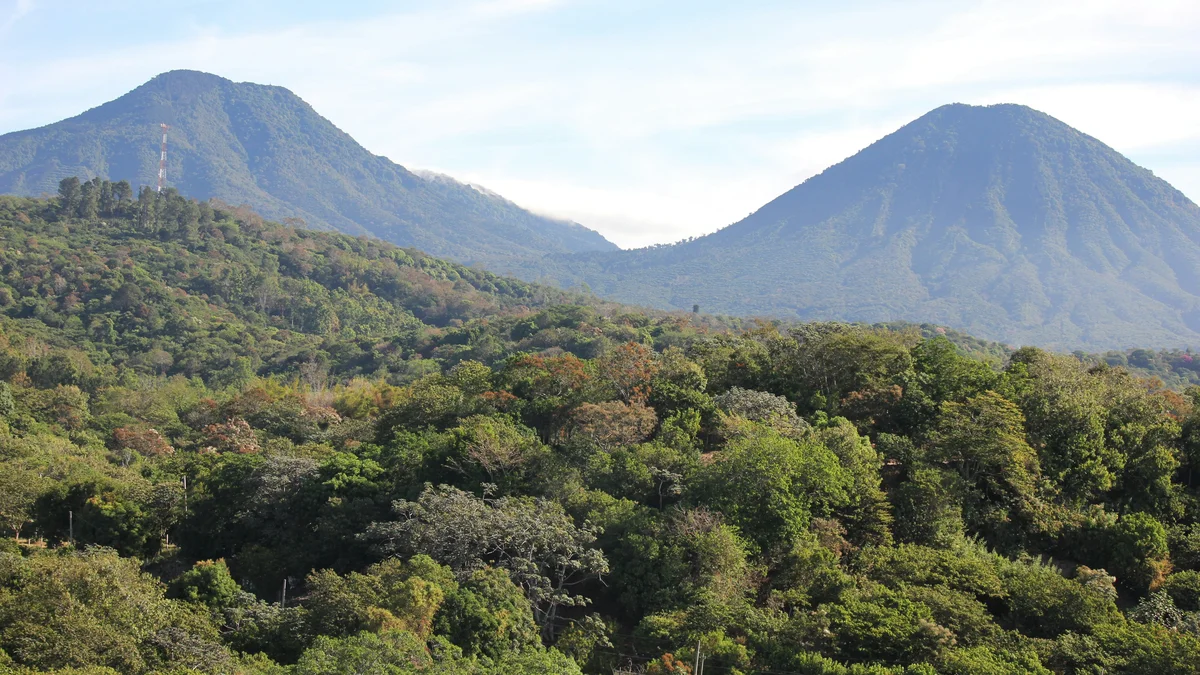
A colorful hillside coffee town on the Ruta de las Flores, known for the painted murals covering many of its buildings, its cobblestone streets, and its role in one of El Salvador's main coffee-growing regions. It's a common overnight stop for travelers working their way along the Flower Route.
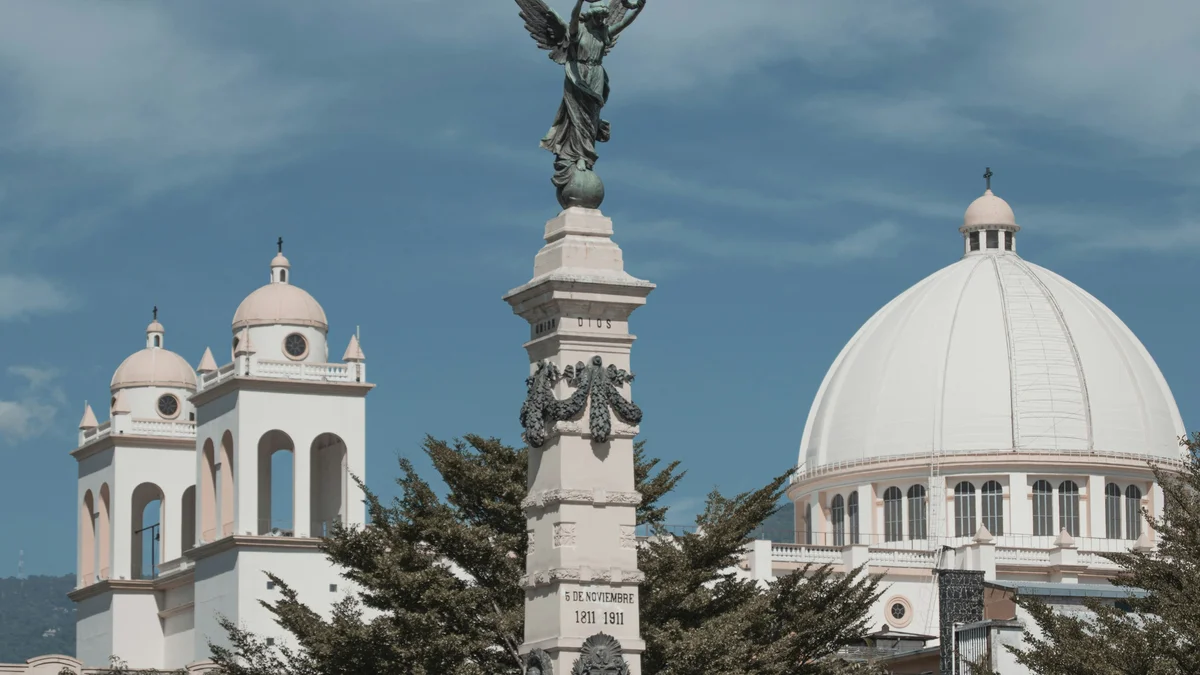 Multi-Day Tours
A five-day introduction to El Salvador, from the colorful coffee towns of the Ruta de las Flores to the Maya ruins at Tazumal and Joya de Cerén and the colonial streets of Suchitoto.
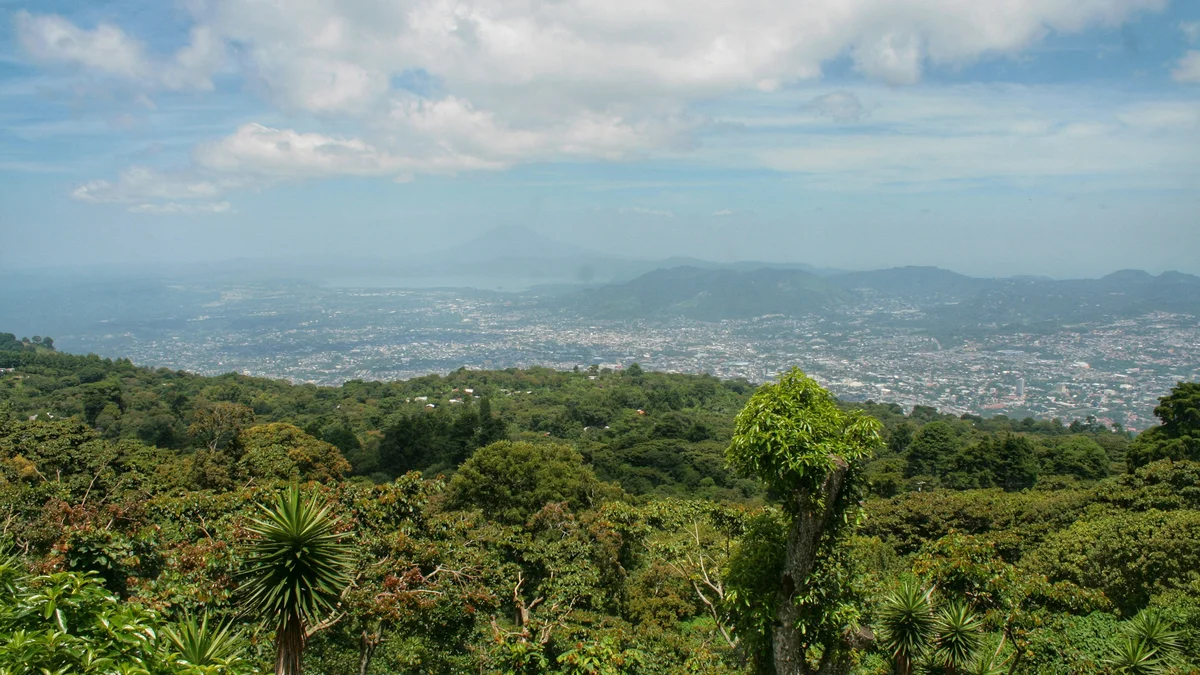 Multi-Day Tours Popular Pick
A full week and a half across El Salvador, from San Salvador Volcano and the colonial town of Suchitoto to the Ruta de las Flores, Santa Ana Volcano, and the Pacific surf beaches around El Tunco and La Libertad.
Visitor guide
Concepción de Ataco, usually shortened to Ataco, is a mountain town in the Ahuachapán Department of western El Salvador. It lies in the central Cordillera de Apaneca at roughly 1,240 to 1,260 metres above sea level and is one of the main stops on the Ruta de las Flores. Today it is known for its coffee-growing surroundings, its painted murals and its cool highland climate.
In Nawat, the language of the Pipil people, Ataco is said to mean high place of springs, according to Wikipedia. The population has pre-Columbian origins and the area was settled by the Pipil. In 1770, Archbishop Pedro Cortés y Larraz recorded 303 families and 784 Indigenous people who spoke Nahuat and also understood Spanish, and at that time Ataco belonged to the parish of Ahuachapán.
Its administrative home shifted several times. It was linked to the Izalco province or Sonsonate in the colonial period, to Sonsonate in 1824, to the Ahuachapán judicial district in 1832, to Santa Ana in 1855 and finally, by decree in 1869, to the Ahuachapán district and department. An attempt to move it to Sonsonate in 1866 did not succeed, and the town had 2,860 inhabitants in 1890.
The municipality is described as mainly agricultural, and coffee underpins much of the local economy. The highland climate suits the crop, with temperatures that rarely exceed 23 degrees Celsius and cool nights, and annual rainfall averaging about 1,734 millimetres, peaking in July. Travel guides describe hillside coffee farms around the nearby towns of the Ruta de las Flores, and farm tours with tastings are a common activity in the area.
Tourism began to grow in late 2004, bringing hotels, restaurants and bars, and Wikipedia credits it with the town's prosperity. Local shops sell crafts including weavings, embroidery, candles and coffee.
Ataco is one of several towns on the Ruta de las Flores, a scenic loop in western El Salvador. Travel guides generally list Nahuizalco, Salcoatitán, Apaneca, Ataco and Juayúa as its main towns, running roughly 32 kilometres from Sonsonate toward Ahuachapán. The route is said to take its name from the wildflowers along the road, which tend to bloom between November and February according to one guide. Ataco is the stop most associated with murals, and guides describe brightly painted houses, colonial buildings and a spring-fed pool among its draws.
The Indigenous population keeps many customs and traditions, and the Nahuat language is preserved through oral tradition according to Wikipedia. The district covers about 61 square kilometres. Because the town sits on a mountain, its sidewalks are raised to keep runoff from flooding the road, a practical detail that gives the streets a distinctive look. Ataco has sister-city ties with Elk Grove, California, and Fountain Hills, Arizona.
Population figures differ between sources; the Wikipedia infobox gives 12,968 residents for 2024, while the article text cites an estimated 18,101 from 2006. Ataco is about 20 minutes from Apaneca. A private guided day or overnight stay allows time for the murals, a coffee farm and neighbouring towns at an unhurried pace.
See every tour and attraction we cover in El Salvador.