TorontoOntario · 36 tours
 Niagara FallsOntario · 25 tours
 New York CityNew York · 30 tours
 Las VegasNevada · 8 tours
 San FranciscoCalifornia · 16 tours
 VancouverBritish Columbia · 17 tours
 DubaiUAE · 54 tours
 Abu DhabiUAE · 5 tours
 Buenos AiresArgentina · 23 tours
 AthensGreece · 31 tours
 AucklandNew Zealand · 38 tours
 CancunMexico · 54 tours
No destinations match “”. Try searching all tours instead — that search understands full questions, not just place names.
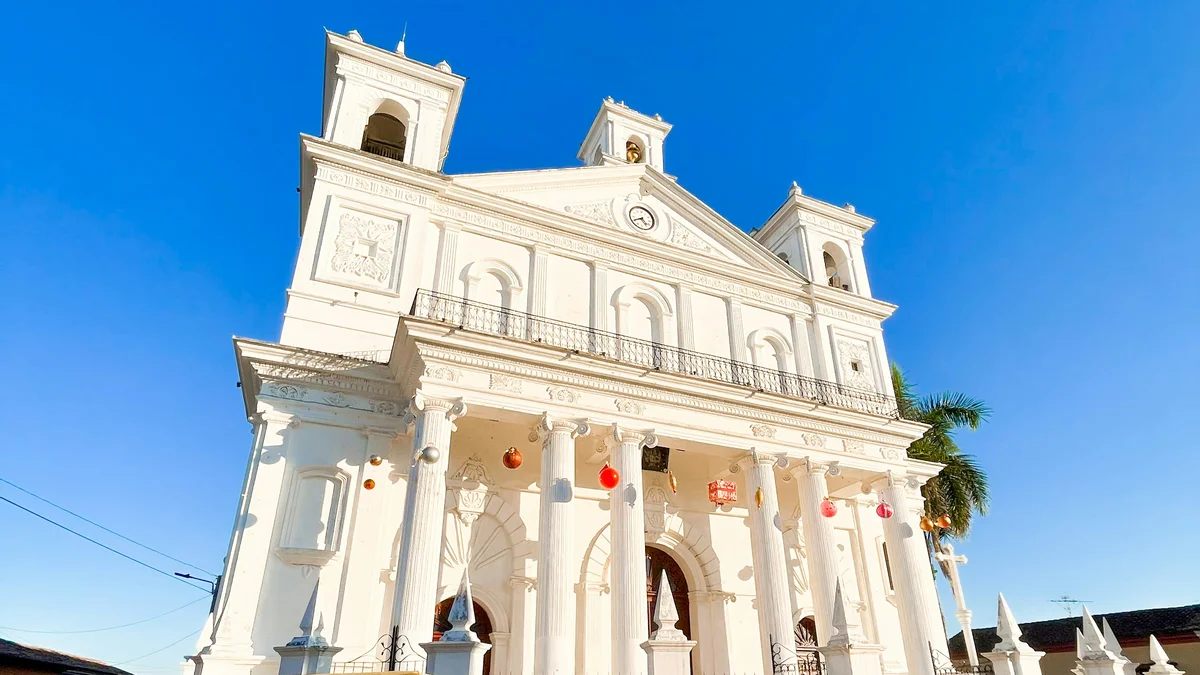
Widely regarded as El Salvador's best-preserved colonial town, with cobblestone streets, whitewashed colonial-era buildings, and the 19th-century Iglesia Santa Lucía at its center. Once El Salvador's first colonial capital, the town today is known for its artisan community, indigo-dyeing tradition, and views over Suchitlán Lake.
 Multi-Day Tours
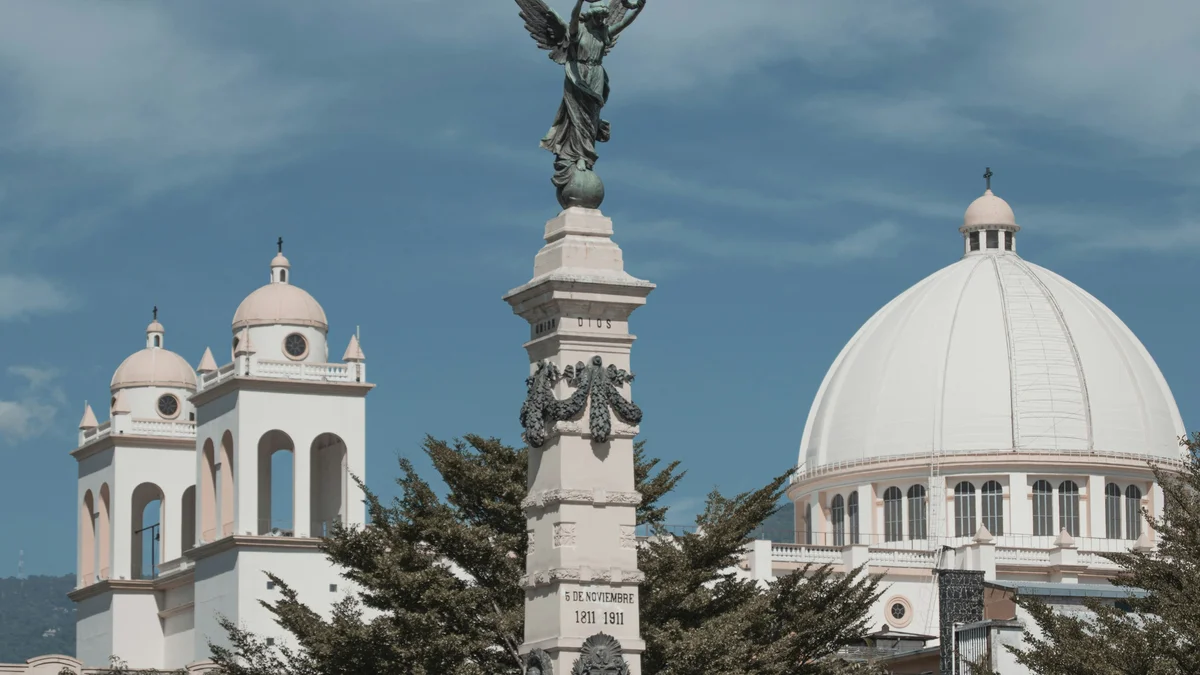
A five-day introduction to El Salvador, from the colorful coffee towns of the Ruta de las Flores to the Maya ruins at Tazumal and Joya de Cerén and the colonial streets of Suchitoto.
 Multi-Day Tours Popular Pick
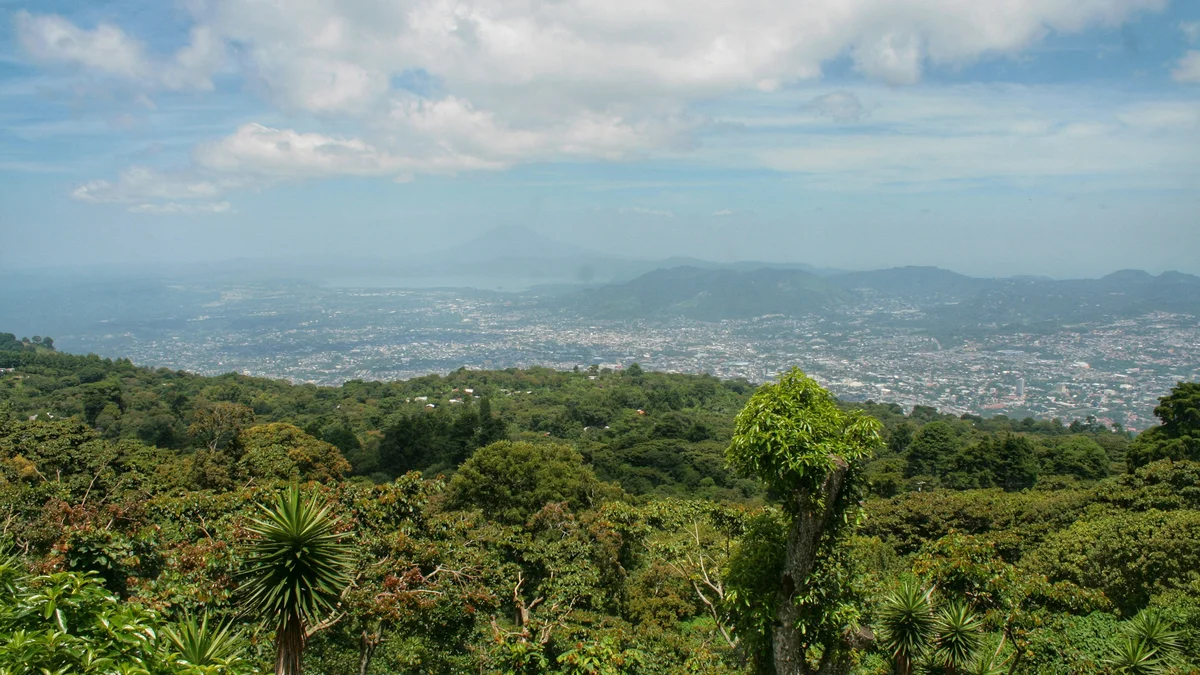
A full week and a half across El Salvador, from San Salvador Volcano and the colonial town of Suchitoto to the Ruta de las Flores, Santa Ana Volcano, and the Pacific surf beaches around El Tunco and La Libertad.
 Multi-Day Tours
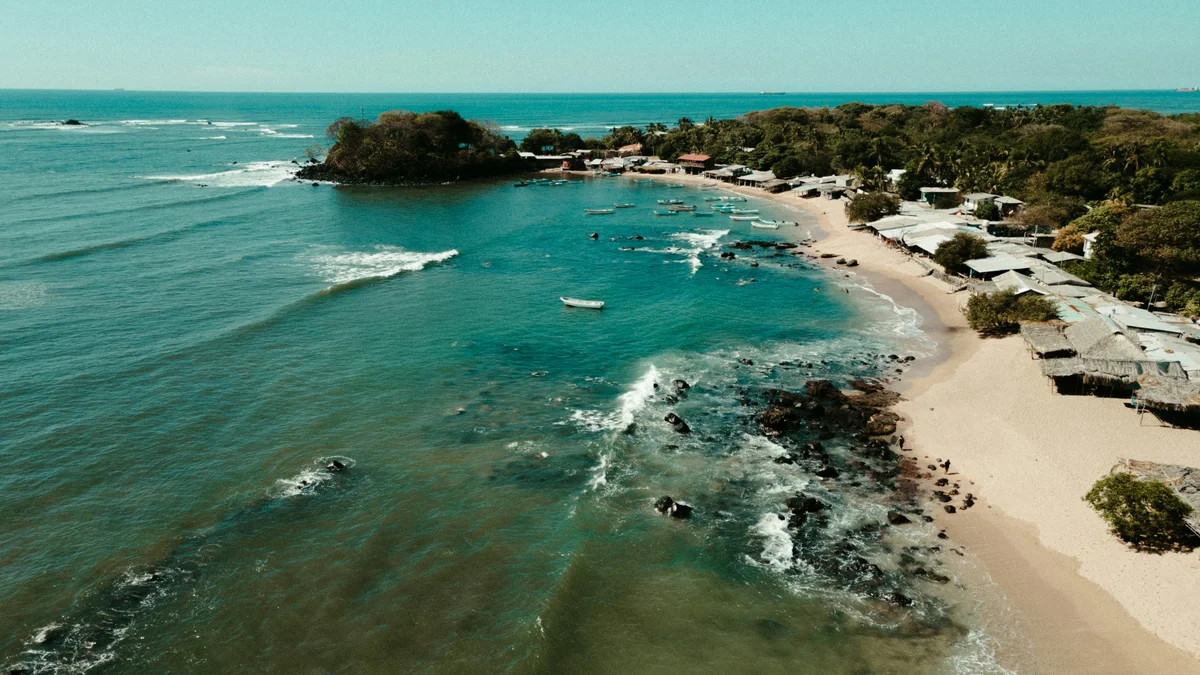
A family-paced six-day route through San Salvador, the colonial town of Suchitoto, El Salvador's three main Maya sites, and a hike up Santa Ana Volcano, finishing with beach time at El Tunco.
Visitor guide
Suchitoto is a town in the Cuscatlán Department of El Salvador, about 29 miles northeast of San Salvador on the southern shore of Lake Suchitlán. It is known for its well-preserved colonial architecture, cobblestone streets and a lively arts scene. Its calm, hillside setting makes it a popular cultural day trip or overnight stop from the capital.
The area was already densely populated when the Spanish arrived, and its inhabitants belonged to the Nahua ethnic group. Travel sources commonly link the name to the Nahuatl words xochitl, meaning flower, and tototl, meaning bird, giving a meaning of place of flowers and birds. After Spanish forces re-established San Salvador in April 1528 under Jorge de Alvarado, the early settlement was dedicated to the Holy Trinity, and settlers moved to the Hamacas Valley around 1539, with the move officially authorised in 1545.
Suchitoto became a parish seat with authority over a wide area. Indigo production, which began in the region in the 17th century, made it a major production centre. Indigenous communities had dyed textiles with indigo long before, and at its peak the dye was an important export. Vicente Aguilar y Bustamante, a hero of Central American independence, served as one of its parish priests.
Suchitoto was part of San Salvador Department from 1824, became the head of Cuscatlán Department in 1835 and received the title of town on 22 March 1836. General Francisco Morazán was in the town in 1839 during the conflicts that split the Federal Republic of Central America. Through the 19th century, the indigo trade and early coffee cultivation supported neoclassical and adobe buildings arranged around central courtyards.
The civil war of 1980 to 1992 hit the town hard. Wikipedia reports that the population fell from 34,101 in 1971 to 13,850 in 1992. Travel sources credit local filmmaker Alejandro Cotto with helping persuade both sides of the town's value, though that detail comes from a guidebook rather than a scholarly source.
The Iglesia Santa Lucía anchors the main square and is among the most recognisable colonial landmarks in Suchitoto. Sources disagree on when its neoclassical building was completed, with some giving 1853 and others 1858. Travel guides also note that it has undergone a long restoration, so access to the interior may vary. Wikipedia describes the town's colonial architecture and cobblestone streets as the core of its appeal.
Lake Suchitlán is a man-made reservoir formed in the mid-1970s by the Cerrón Grande Hydroelectric Dam on the Lempa River. Construction began on 4 August 1972, and the flooding covered about 13,500 hectares, displaced 13,339 people and submerged 24 archaeological sites, according to Wikipedia. Today boat trips run to islands favoured by birdwatchers, including Isla de los Pájaros, according to travel guides.
Nearby, the Cinquera forest area was a guerrilla camp during the civil war, and visitors can learn about that history on guided hikes.
Tourism has brought hostels, restaurants and cafés, and arts spaces have opened that provide opportunities for local youth. Guides describe galleries, small theatres, indigo workshops and hand-rolled cigars among the local crafts, plus an annual arts and music festival. A private guided visit lets travellers take in the plaza, an indigo workshop and a lake outing without rushing.
See every tour and attraction we cover in El Salvador.