TorontoOntario · 36 tours
 Niagara FallsOntario · 25 tours
 New York CityNew York · 30 tours
 Las VegasNevada · 8 tours
 San FranciscoCalifornia · 16 tours
 VancouverBritish Columbia · 17 tours
 DubaiUAE · 54 tours
 Abu DhabiUAE · 5 tours
 Buenos AiresArgentina · 23 tours
 AthensGreece · 31 tours
 AucklandNew Zealand · 38 tours
 CancunMexico · 54 tours
No destinations match “”. Try searching all tours instead — that search understands full questions, not just place names.
Voyzo runs 54 tours across 3 destinations in Arizona. A private tour means your own guide, driver, and vehicle and an itinerary built around your group rather than a fixed bus schedule.
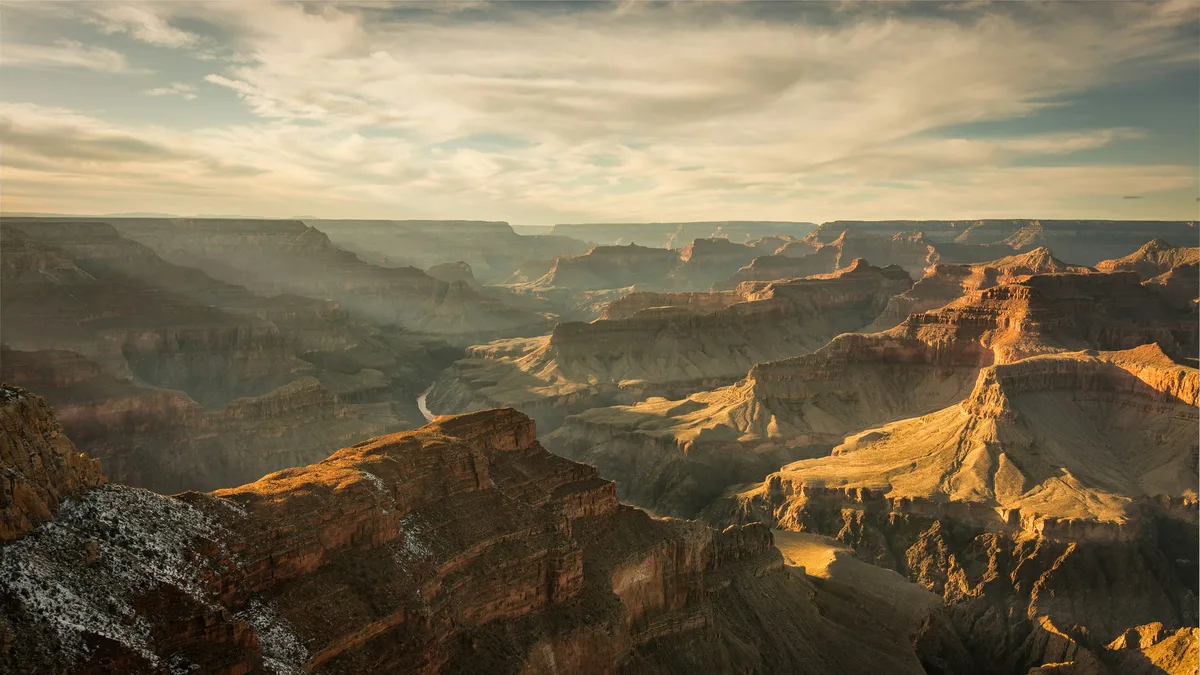
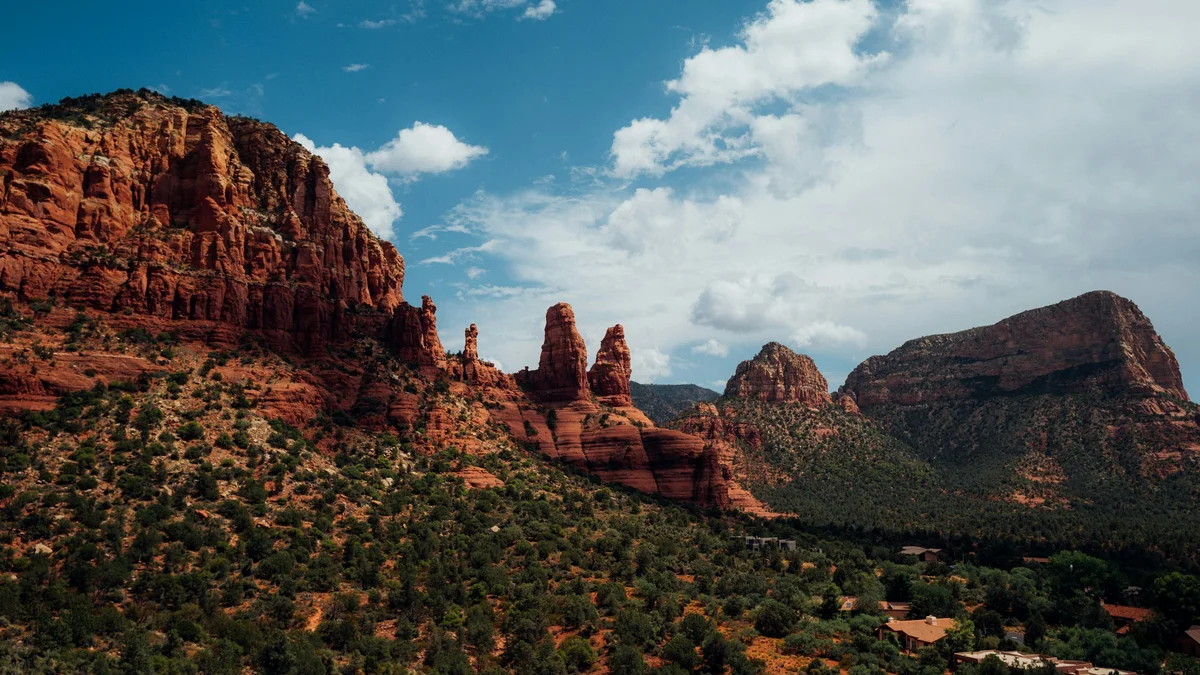
Voyzo runs 54 tours across 3 destinations in Arizona, USA, including Grand Canyon, Phoenix, Sedona. Private tours are for your group only, with a private vehicle and driver and door-to-door pickup; shared tours are available on request. Popular stops include South Kaibab Trail, Bright Angel Trail, Desert View Watchtower.
Private Tours Popular Pick
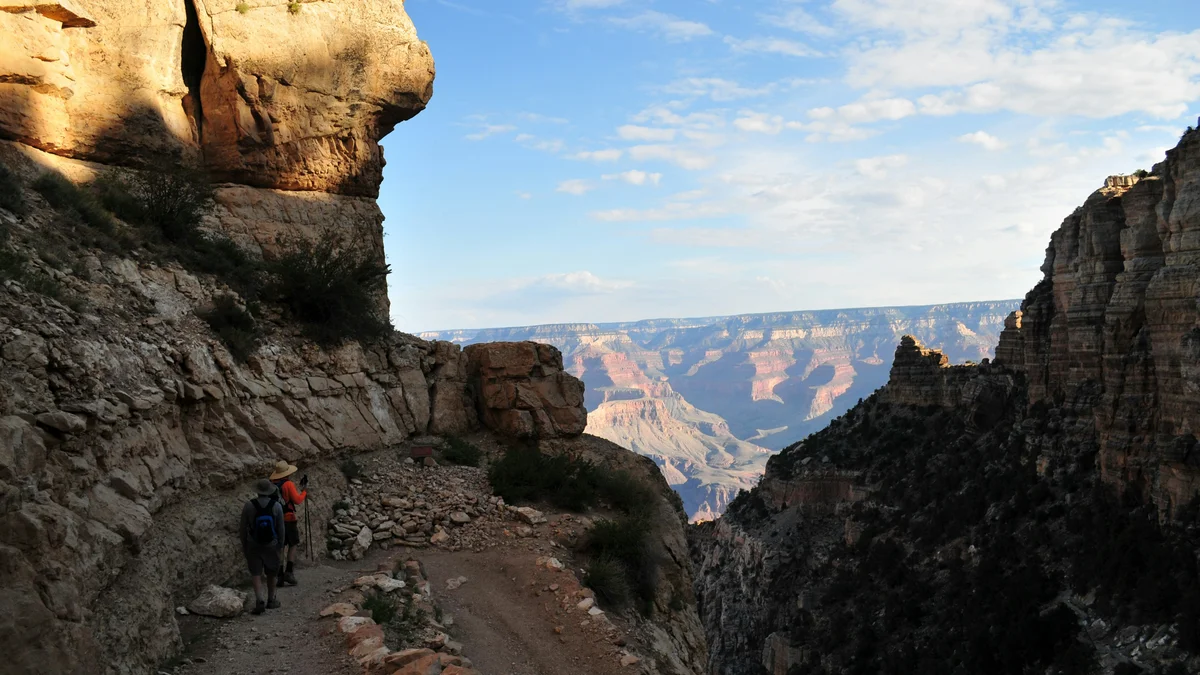
A private tour explicitly confirmed — 'only your group will participate' — real hiking on the South Kaibab, Bright Angel, and Grandview Trails, plus Desert View Watchtower.
 Private Tours
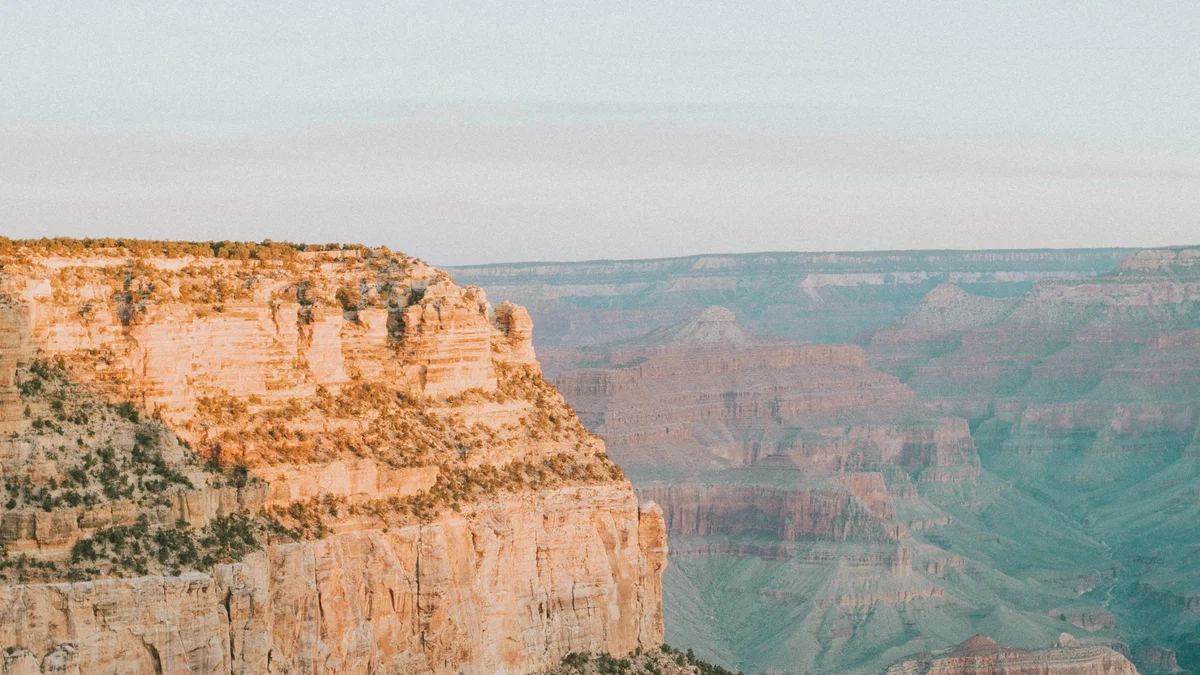
A private tour genuinely 'tailored to you' — real below-the-rim hiking timed for sunset, with dinner included at a real sunset viewpoint.
 Private Tours
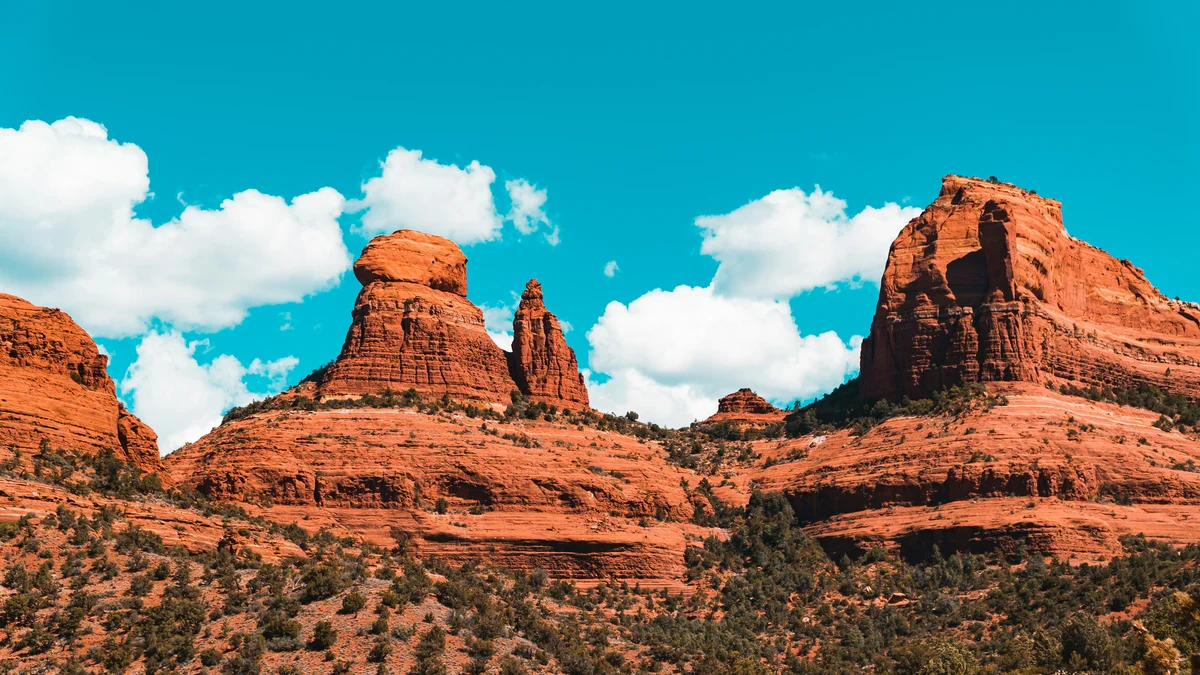
A private tour for your group only — a real scenic drive through Sedona and Oak Creek Canyon to the Grand Canyon South Rim, with a stop at the historic El Tovar Lodge.
 Private Tours
A private tour for your group only, up to 4 guests, in a luxury SUV — the real Hermit Trail, El Tovar Dining Room, and Lipan Point.
 Private Tours
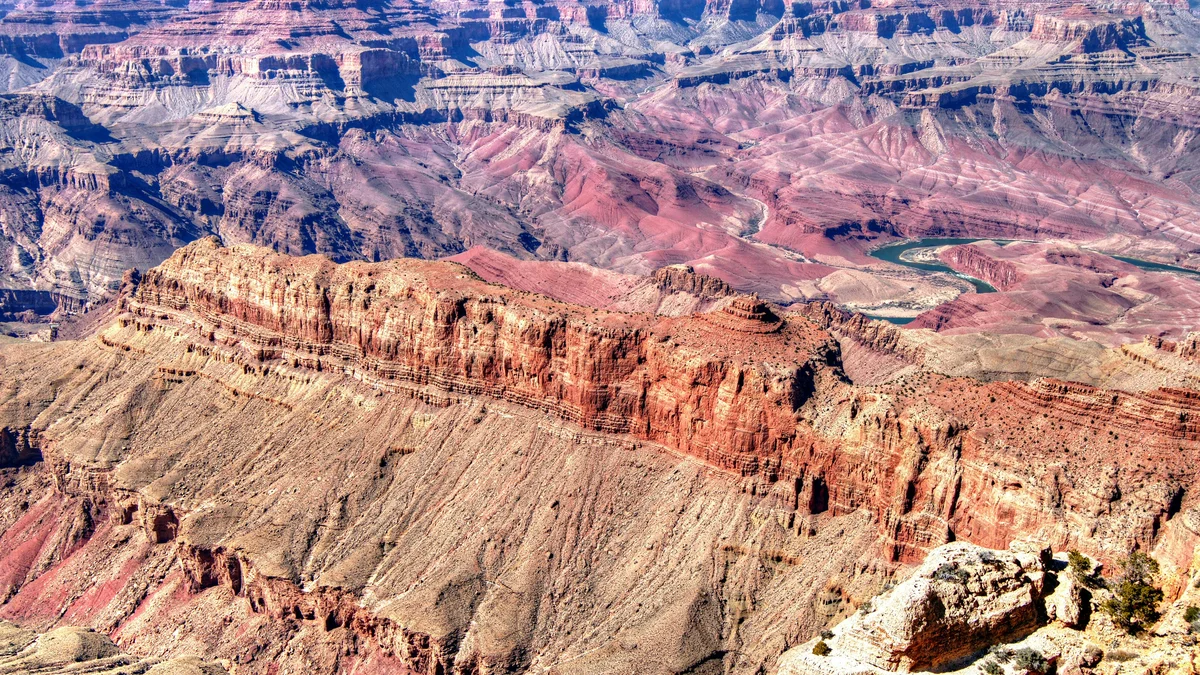
A private tour for your group only, explicitly confirmed — the real Grand Canyon South Rim (Mather Point, Yavapai Observation Station), the historic Cameron Trading Post, and lunch at El Tovar.
 Private Tours
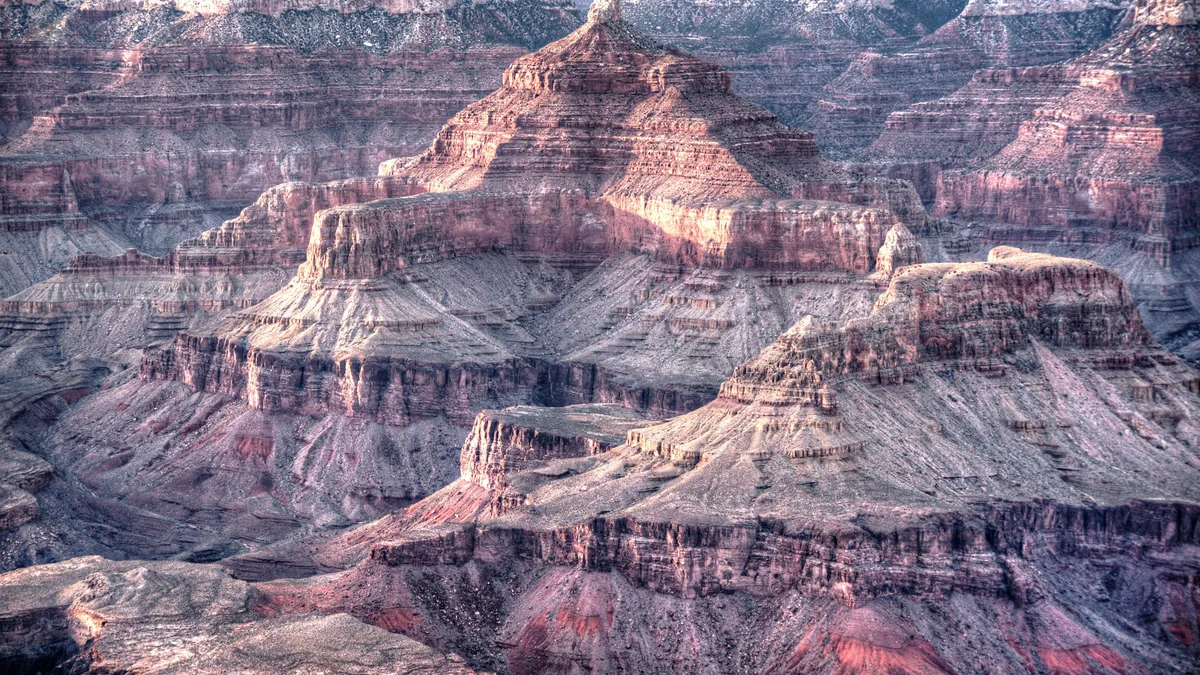
A private tour/activity confirmed — 'only your group will participate' — with your hiking route custom-designed on the day by a real guide with 15 years of experience.
 Private Tours
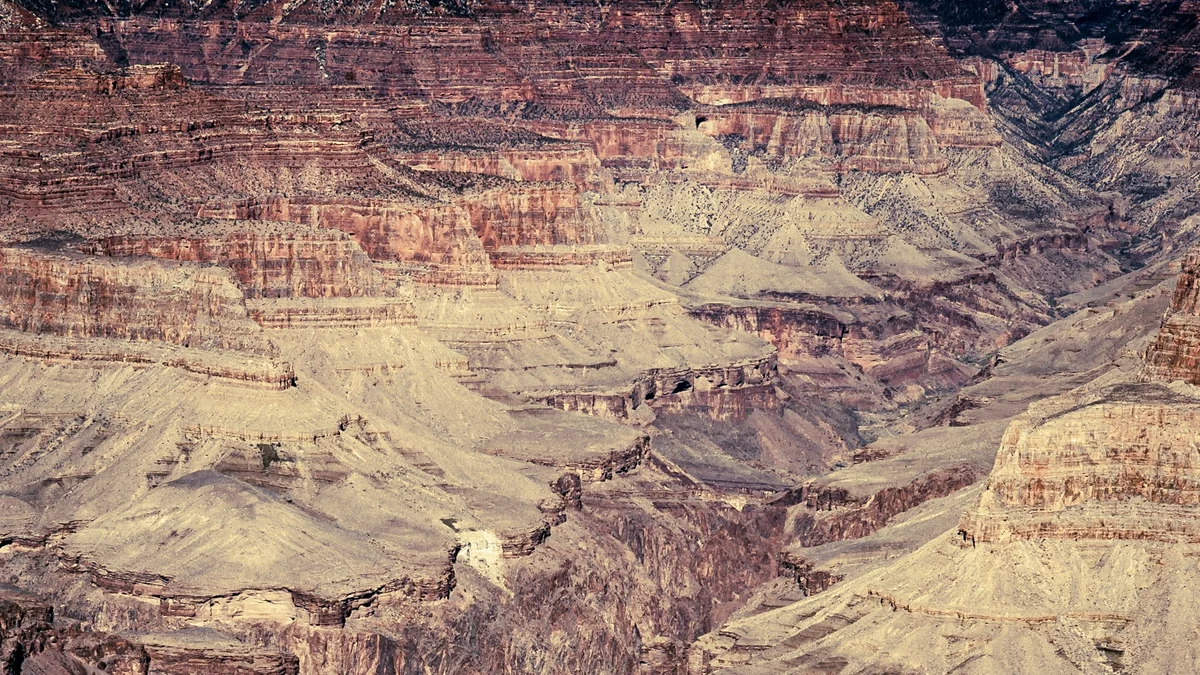
A private tour for your group only, tailoring the day between backcountry hikes, scenic viewpoints, and human or natural history, led by a real geologist guide.
 Private Tours
A private tour explicitly making clear it's 'YOUR tour' — the real Little Colorado River Gorge, Cameron, lunch at El Tovar, and a stop at the mule-ride trailhead.
The real stops Voyzo's own itineraries are built around — tap any attraction to learn more.
 South Kaibab Trail
Grand Canyon
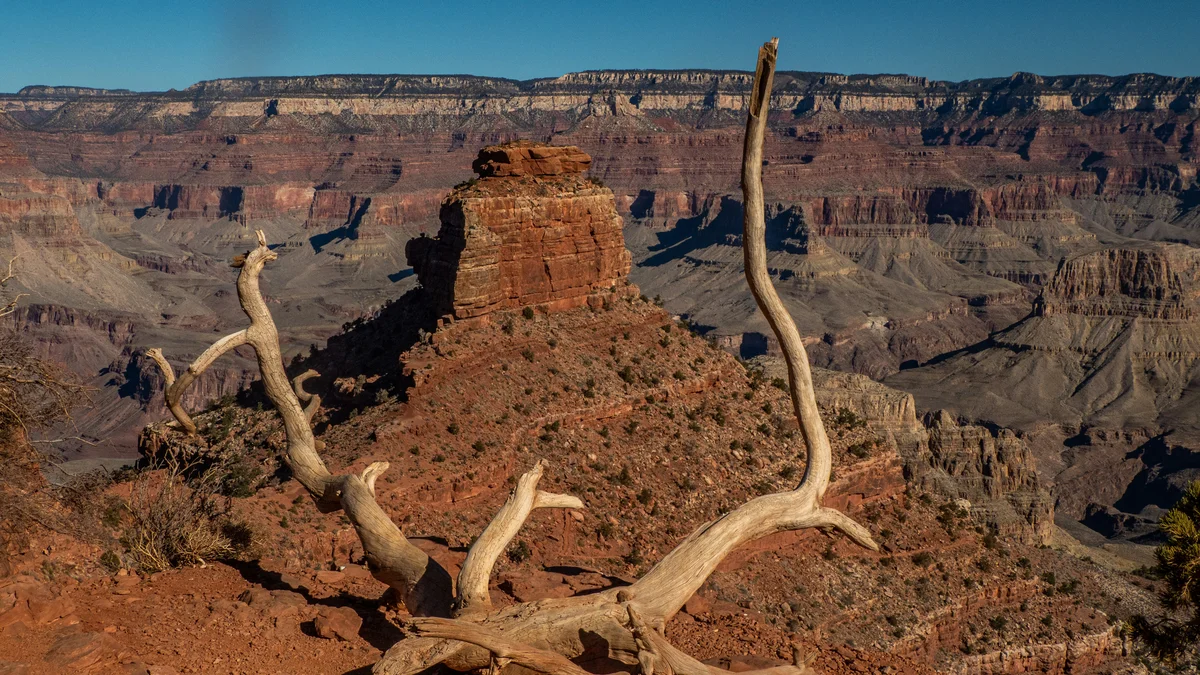
Carved along a narrow ridgeline rather than following a drainage like most canyon trails, South Kaibab is a steep, unshaded route descending from the South Rim that delivers some of the Grand Canyon's most open, unobstructed panoramas almost immediately. Landmarks like Ooh Aah Point and Cedar Ridge make it a favorite for a short, dramatic hike, though its exposure and lack of water make it a serious undertaking below the rim.
2
 Bright Angel Trail
Grand Canyon
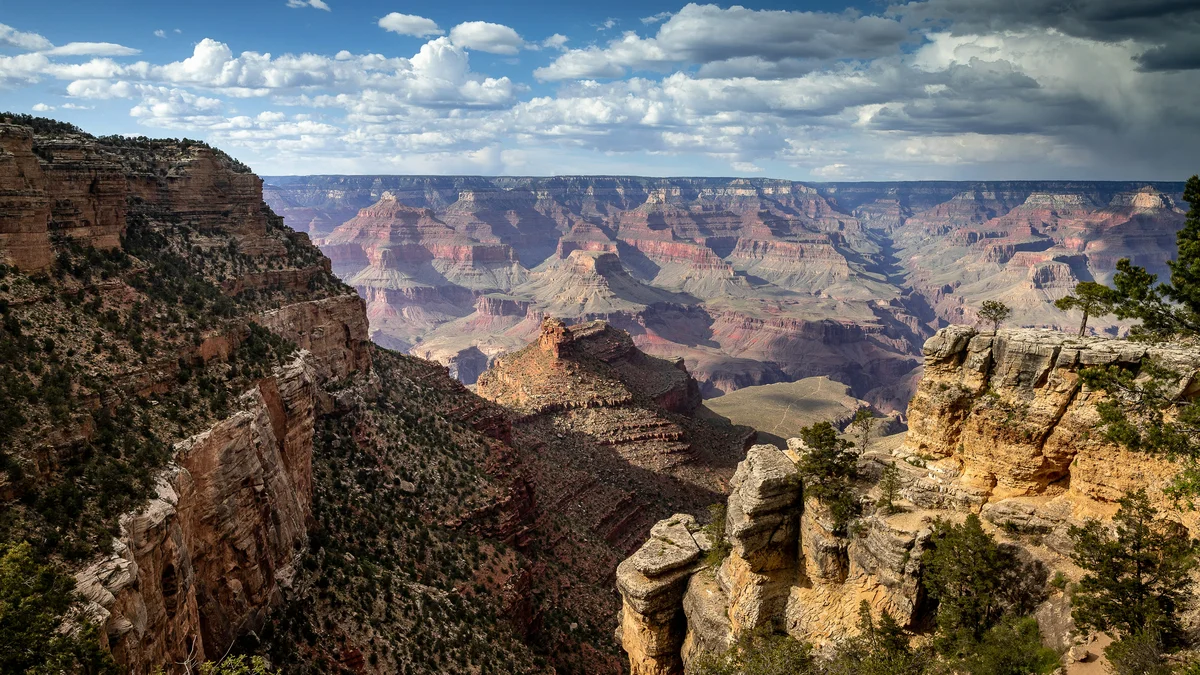
One of the Grand Canyon's oldest and most historic corridors, Bright Angel Trail follows a route used by the Havasupai people long before the canyon became a national park, descending from the South Rim near Grand Canyon Village. Unlike the more exposed South Kaibab route, it has seasonal water stations and rest houses along the way, making it the more forgiving of the two classic South Rim descents into the canyon.
3
 Desert View Watchtower
Grand Canyon
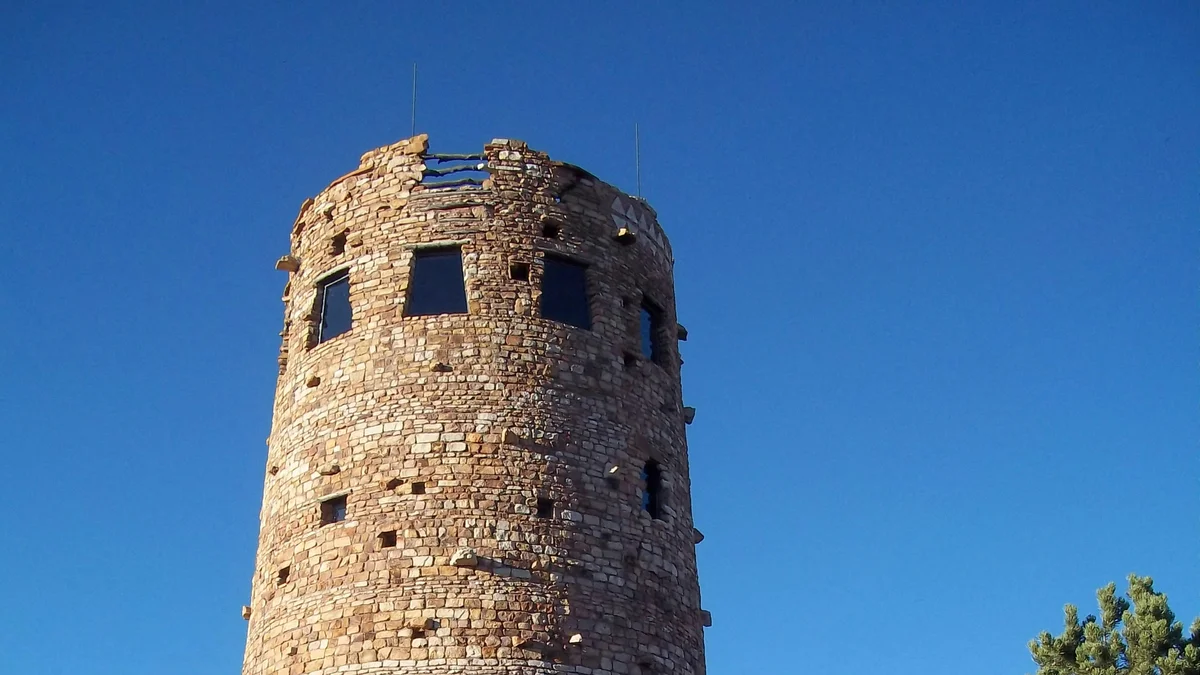
Standing 70 feet tall at the Grand Canyon's eastern entrance, this stone tower was designed in 1932 by architect Mary Colter, who modeled it on ancestral Puebloan watchtowers of the Southwest. Inside, its walls are decorated with murals by Hopi artist Fred Kabotie, and the top floor offers one of the most sweeping views in the park, looking out over the Colorado River and the canyon's eastern reaches.
4
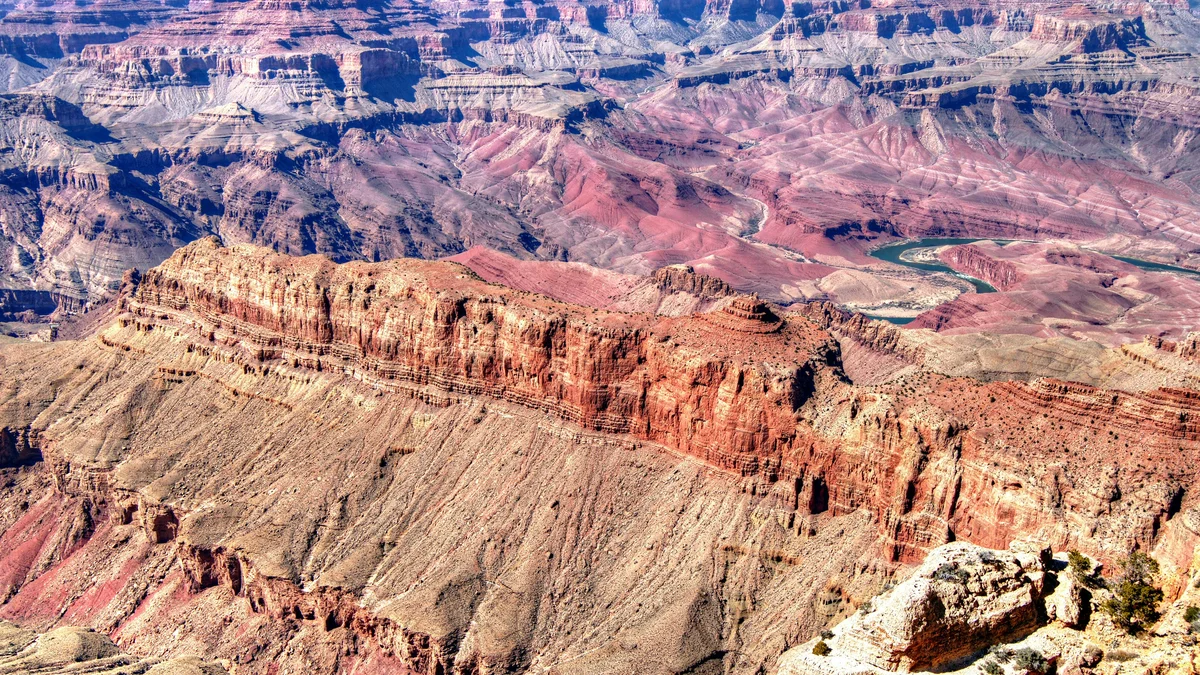 Mather Point
Grand Canyon
Named for Stephen Mather, the first director of the National Park Service, this South Rim overlook is often the very first canyon view visitors see, since it sits just a short walk from the main visitor center. Its easy access makes it one of the busiest viewpoints in the park, but its wide, sweeping vantage over the canyon's inner gorge and the distant Colorado River still makes it a genuine highlight.
5
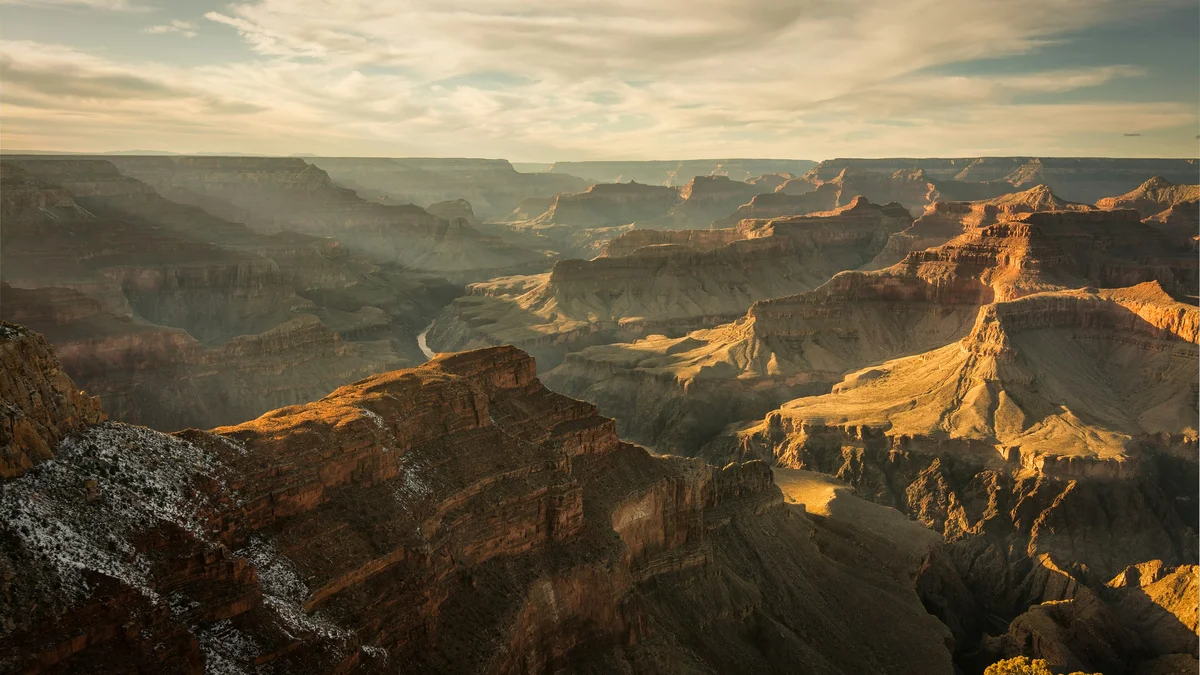 El Tovar Hotel
Grand Canyon
Built in 1905 out of native stone and hand-hewn logs, El Tovar sits directly on the South Rim near Mather Point and is one of the National Park System's most iconic historic lodges. Its guest register includes Theodore Roosevelt and other early 20th-century visitors, and its rustic, Arts-and-Crafts-style architecture set the tone for the log-and-stone lodges built across the American national parks in the decades that followed.
6
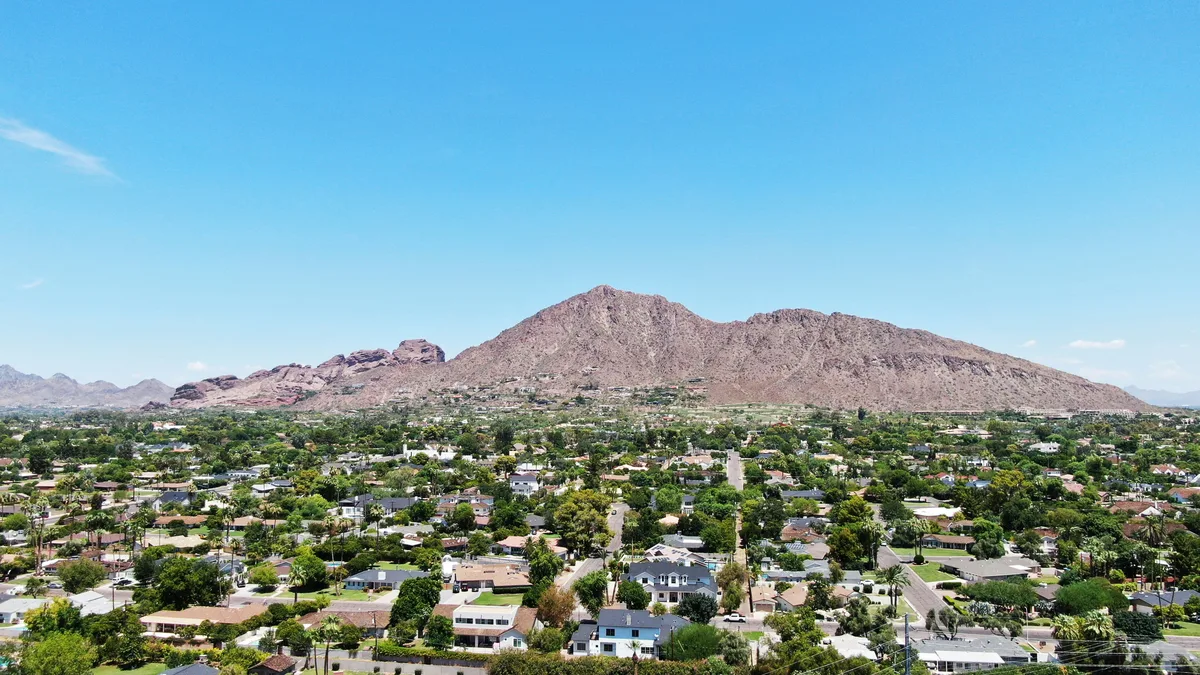 Camelback Mountain
Phoenix
Phoenix's most iconic peak, named for its dual-humped silhouette rising over the Arcadia and Paradise Valley neighborhoods. The popular Echo Canyon Trail is a strenuous roughly 2.4-mile round trip with about 1,280 feet of elevation gain, drawing hikers for its panoramic views over the Valley of the Sun.
7
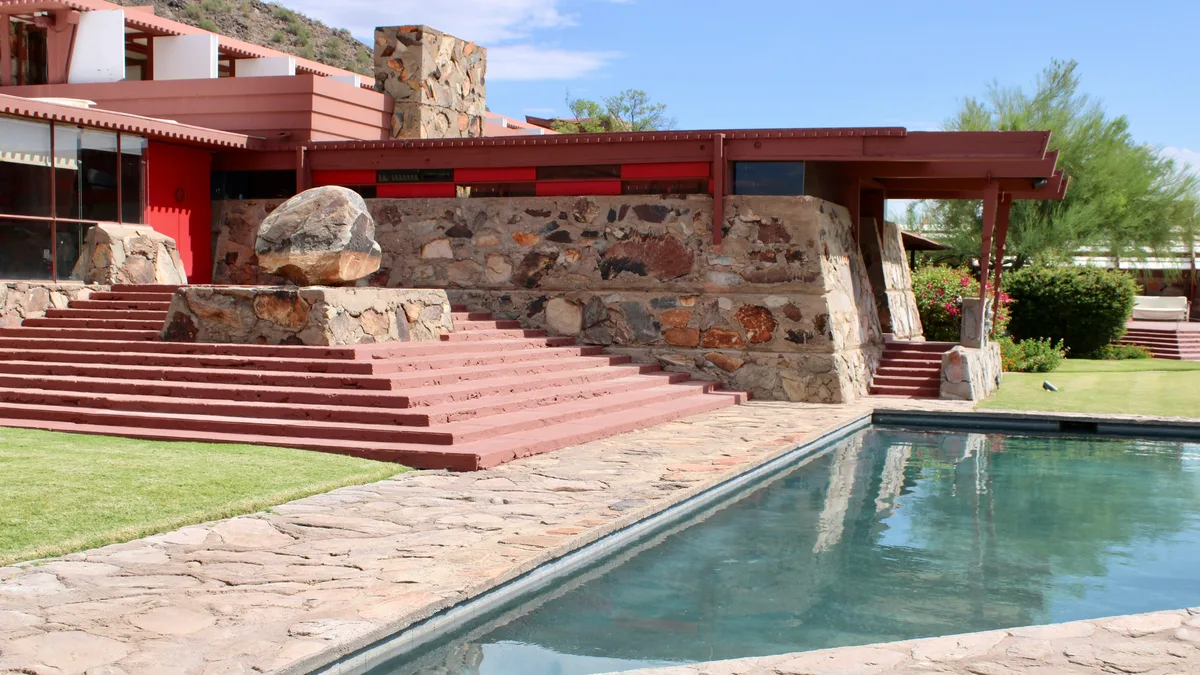 Taliesin West
Phoenix
Frank Lloyd Wright's winter home and architecture school, built starting in 1937 in the Sonoran Desert foothills of Scottsdale using the desert masonry style of stone and concrete he called "desert rubble." Still an active school of architecture today, it was designated a UNESCO World Heritage Site in 2019 as part of "The 20th-Century Architecture of Frank Lloyd Wright." Guided and private tours are offered directly through the Frank Lloyd Wright Foundation.
8
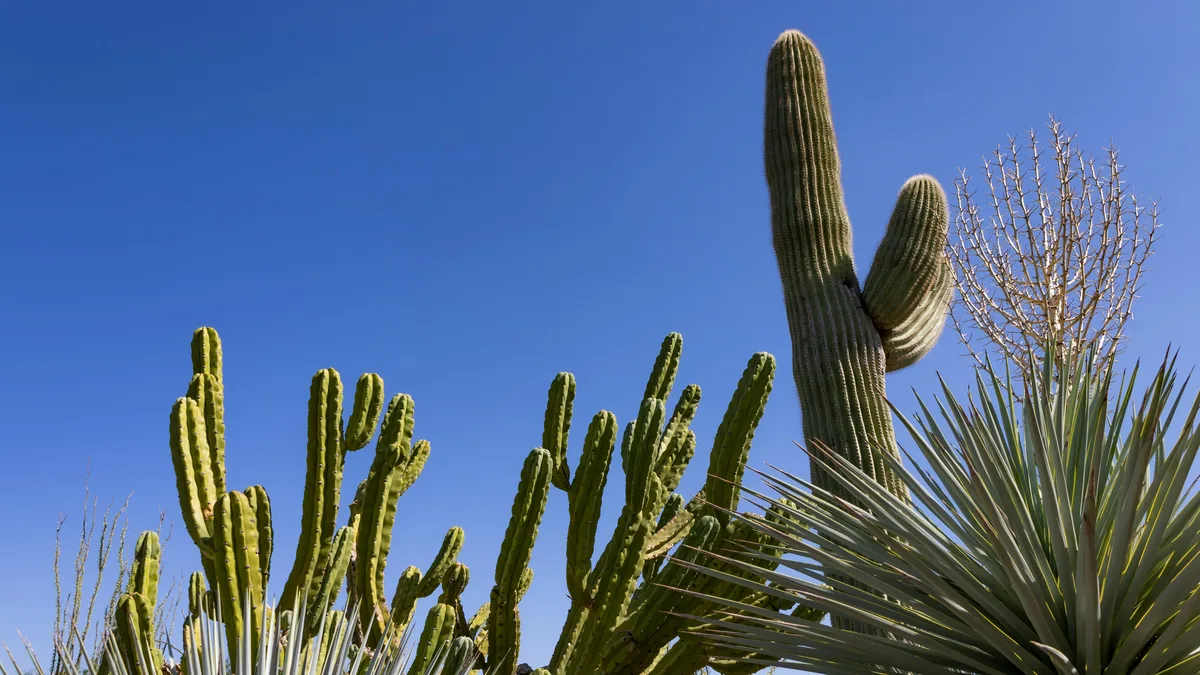 Desert Botanical Garden
Phoenix
A 140-acre garden in Papago Park showcasing more than 50,000 desert plants, including one of the world's largest collections of cacti and succulents. Opened in 1939, its winding trails highlight the Sonoran Desert's plant life alongside seasonal wildflower blooms and desert wildlife exhibits.
9
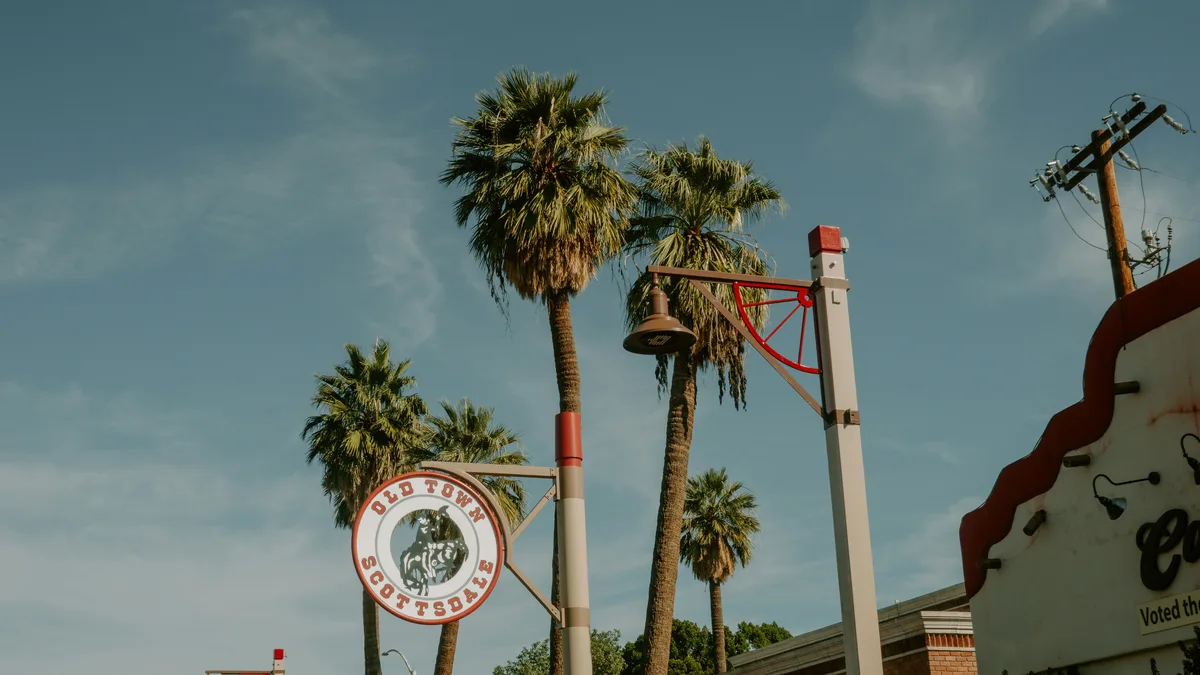 Old Town Scottsdale
Phoenix
A historic district dating to Scottsdale's founding in 1888, now home to Western-themed shops, art galleries, and a lively nightlife scene along 5th Avenue and Main Street. It remains one of the most walkable, visitor-friendly pockets of the Scottsdale-Phoenix area.
10
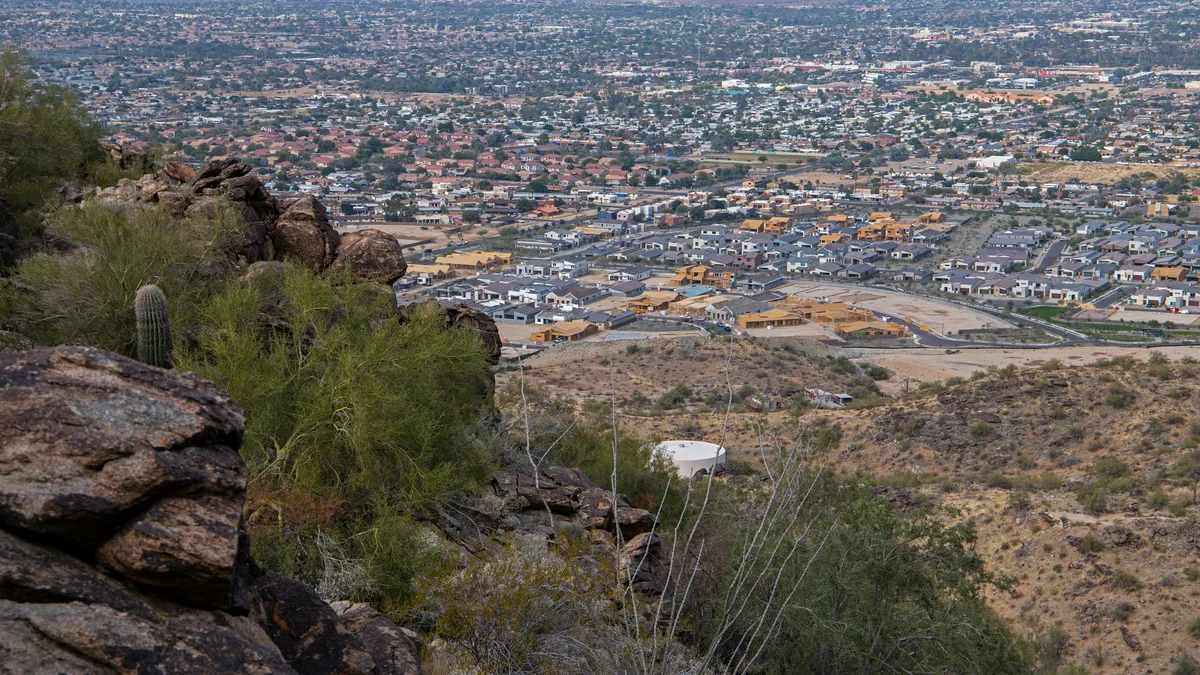 South Mountain Park
Phoenix
One of the largest municipal parks in the United States, spanning roughly 16,000 acres with more than 100 miles of trails, according to the City of Phoenix. The Dobbins Lookout viewpoint offers sweeping panoramic views over the Valley of the Sun, making it a favorite for hiking, mountain biking, and horseback riding.
11
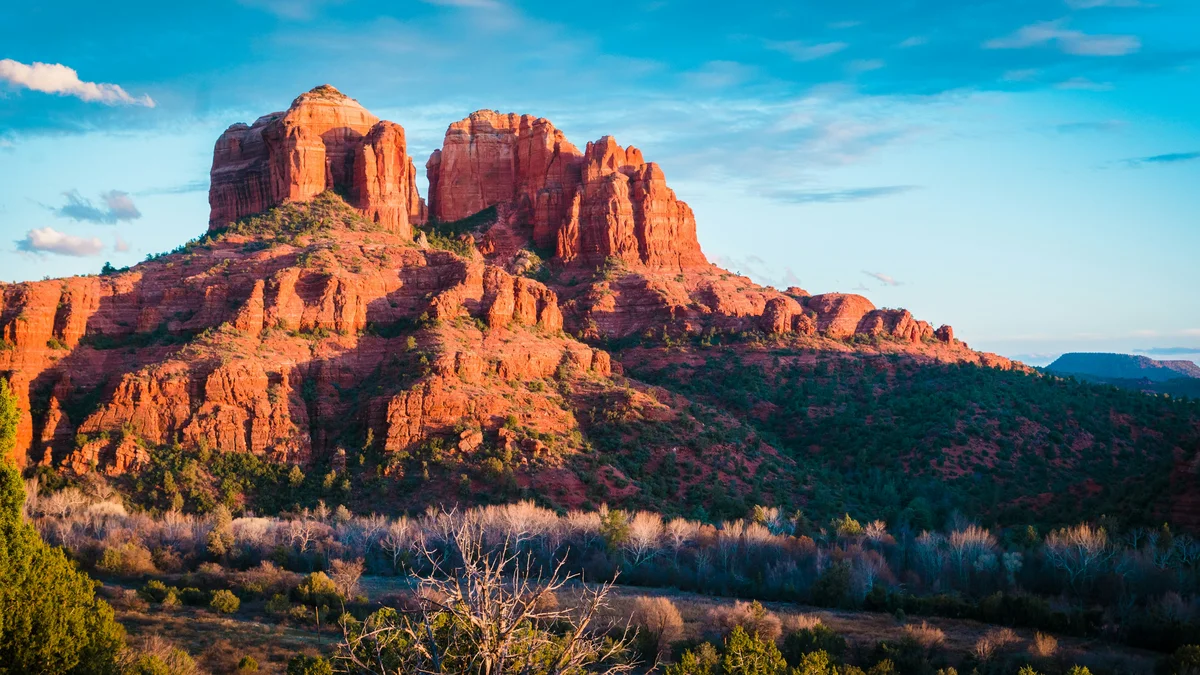
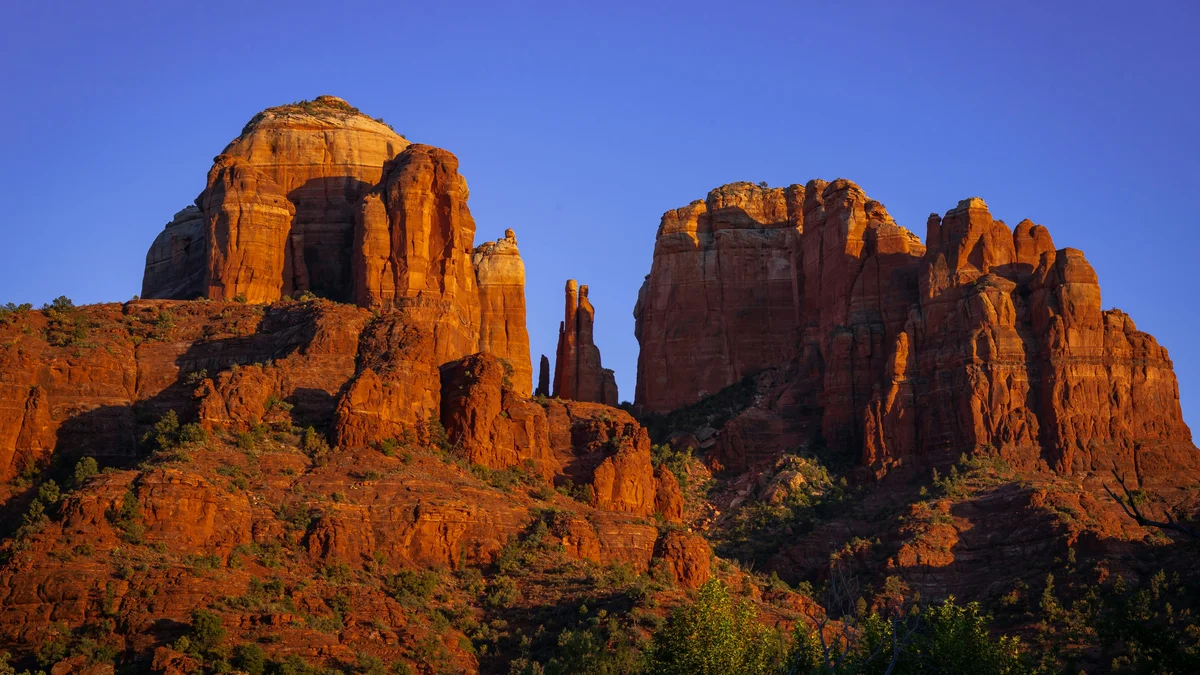 Cathedral Rock
Sedona
Cathedral Rock is one of Sedona's most photographed red rock formations, a cluster of sandstone spires rising above Oak Creek south of the village. The Cathedral Rock Trail is a short but steep climb of roughly 1.1 miles round trip (Forest Service figure) to a saddle between the spires, and the formation is also one of the sites many visitors associate with Sedona's vortex energy.
12
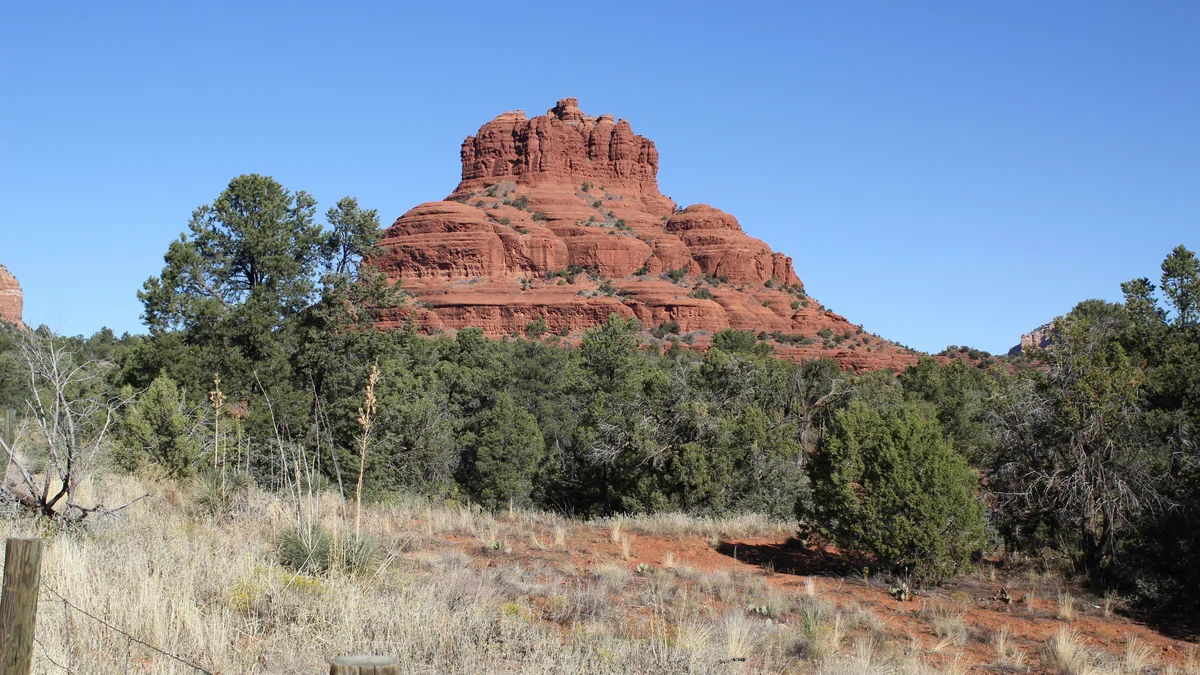 Bell Rock
Sedona
Bell Rock is a distinctive bell-shaped red rock butte just off Highway 179 near the Village of Oak Creek, easily visible from the road and popular for an easy loop trail around its base. It's also one of the locations most commonly cited as a Sedona vortex site.
Tell us your group size and dates — we'll take care of the rest.