TorontoOntario · 36 tours
 Niagara FallsOntario · 25 tours
 New York CityNew York · 30 tours
 Las VegasNevada · 8 tours
 San FranciscoCalifornia · 16 tours
 VancouverBritish Columbia · 17 tours
 DubaiUAE · 54 tours
 Abu DhabiUAE · 5 tours
 Buenos AiresArgentina · 23 tours
 AthensGreece · 31 tours
 AucklandNew Zealand · 38 tours
 CancunMexico · 54 tours
No destinations match “”. Try searching all tours instead — that search understands full questions, not just place names.
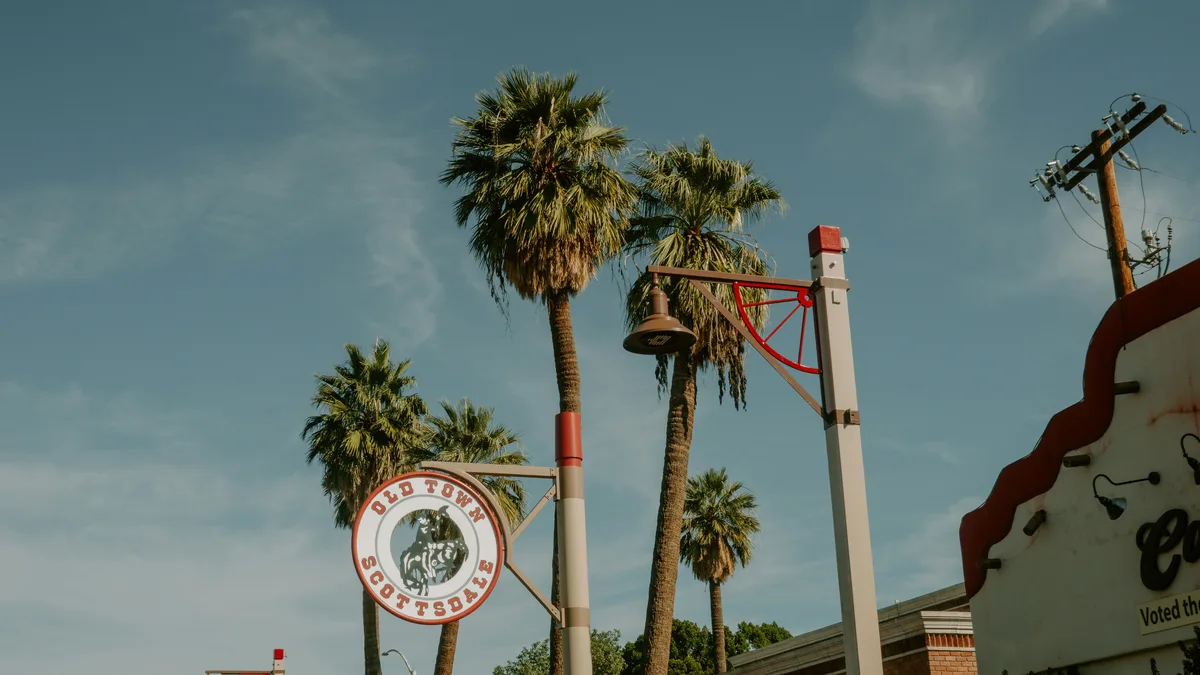
A historic district dating to Scottsdale's founding in 1888, now home to Western-themed shops, art galleries, and a lively nightlife scene along 5th Avenue and Main Street. It remains one of the most walkable, visitor-friendly pockets of the Scottsdale-Phoenix area.
 Private Tours Popular Pick
Work with your own private guide to build a 3-to-6-hour itinerary through downtown Phoenix, Scottsdale, Glendale, or other pockets of the Valley of the Sun, from Arizona State University to the Arizona Biltmore.
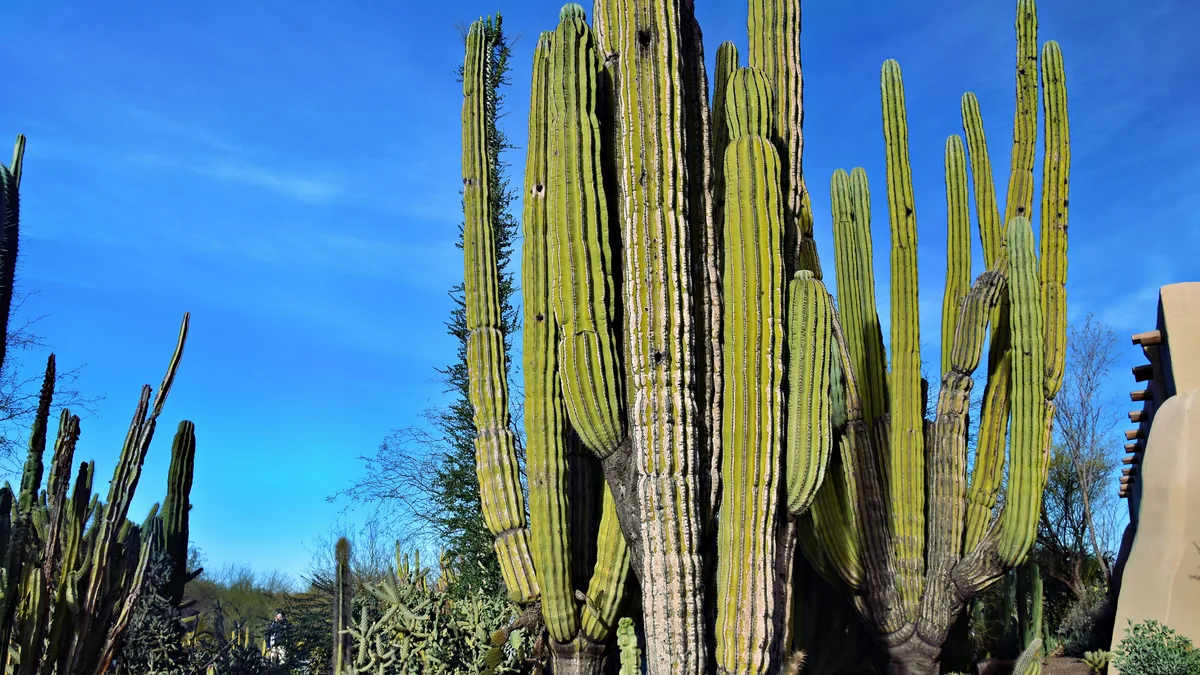 Private Tours
See the highlights of Phoenix and Scottsdale in a half-day tour: a bird's-eye view of the city from Hole-in-the-Rock, a stroll through the Desert Botanical Garden's Sonoran Desert plant collection, and shopping in Old Town Scottsdale.
Visitor guide
Old Town Scottsdale is the historic core of the city, a compact, walkable district of galleries, museums, Western-style storefronts and restaurants centered around Main Street, Fifth Avenue and the Arts District. It sits on the land where settler Winfield Scott began farming in the late 1880s, and several adobe and early-20th-century buildings still stand among the newer development.
Scottsdale is named for Winfield Scott, a U.S. Army chaplain who arrived in 1888 with his wife Helen and his brother George Washington Scott, buying 640 acres in the Salt River Valley. The brothers farmed and planted citrus. Cotton became the town's main cash crop in the World War I era, and a cotton gin opened on Second Street in 1920. The Scottsdale Grammar School, the Little Red Schoolhouse, was dedicated on February 26, 1910 per the city's timeline (some guides say 1909), and it is now on the National Register of Historic Places and houses the Scottsdale Historical Museum.
Art arrived early: the city credits Marjorie Thomas, who came from Boston in 1909, and later Jessie Benton Evans with forming the core of an art colony that helped define the town's identity. Scottsdale was incorporated as a town on June 25, 1951, with a population of 2,032, and voters approved a city charter in 1961. The city's public-art program began in 1968, and the Scottsdale Center for the Performing Arts opened in 1975.
The Old Adobe Mission, built in 1933 and associated with Our Lady of Perpetual Help, is one of the few adobe structures remaining downtown and was added to the National Register in 2018. Cavalliere's Blacksmith Shop, built in 1920, is still run by the family and makes ornamental iron. The Rusty Spur Saloon occupies a building that housed the Farmers State Bank of Scottsdale from 1921 to 1933; guides note that the original vault survives. Together with the schoolhouse, these give the district more genuine early character than its modern shopfronts might suggest.
The Scottsdale Arts District is the district's creative heart, with fine-art galleries, studios and wine-tasting rooms, and a long-running Thursday evening ArtWalk. Western Spirit: Scottsdale's Museum of the West, a Smithsonian affiliate focused on the history and art of the American West, opened in January 2015. The Scottsdale Museum of Contemporary Art (SMoCA) and the Scottsdale Center for the Performing Arts are close by around the Civic Center. Main Street is known for Western and Native American art and crafts, while Fifth Avenue and the surrounding blocks lean toward boutiques, jewelry, and restaurants. Evenings bring a busy dining and nightlife scene, so the mood changes noticeably between a quiet morning and a lively night.
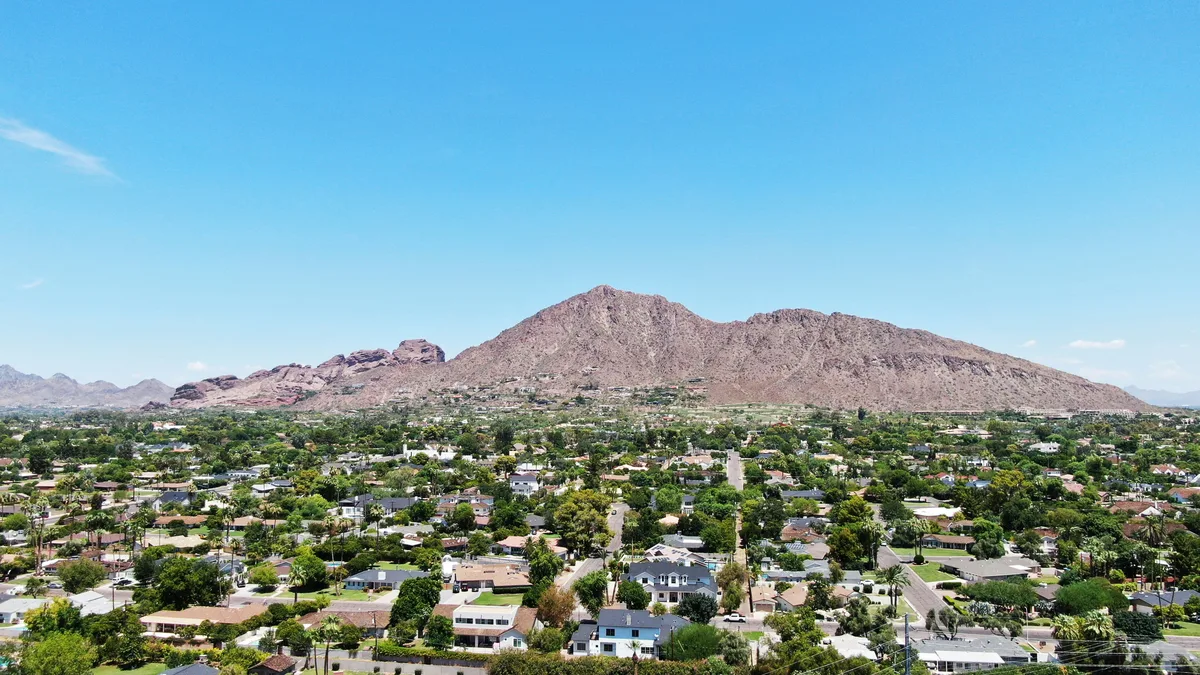
Camelback Mountain and the Phoenix Desert Botanical Garden are a short drive away, as are Scottsdale's Sonoran Preserve trailheads, making Old Town an easy anchor for a half-day city itinerary.
See every tour and attraction we cover in Phoenix.