TorontoOntario · 36 tours
 Niagara FallsOntario · 25 tours
 New York CityNew York · 30 tours
 Las VegasNevada · 8 tours
 San FranciscoCalifornia · 16 tours
 VancouverBritish Columbia · 17 tours
 DubaiUAE · 54 tours
 Abu DhabiUAE · 5 tours
 Buenos AiresArgentina · 23 tours
 AthensGreece · 31 tours
 AucklandNew Zealand · 38 tours
 CancunMexico · 54 tours
No destinations match “”. Try searching all tours instead — that search understands full questions, not just place names.
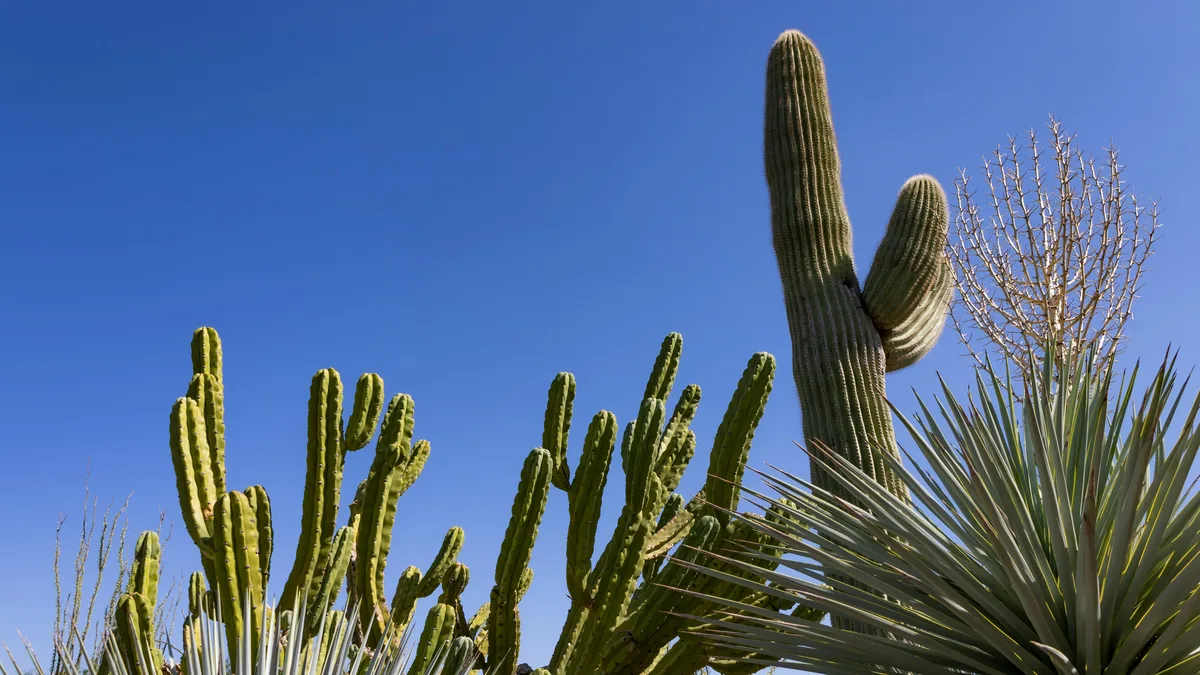
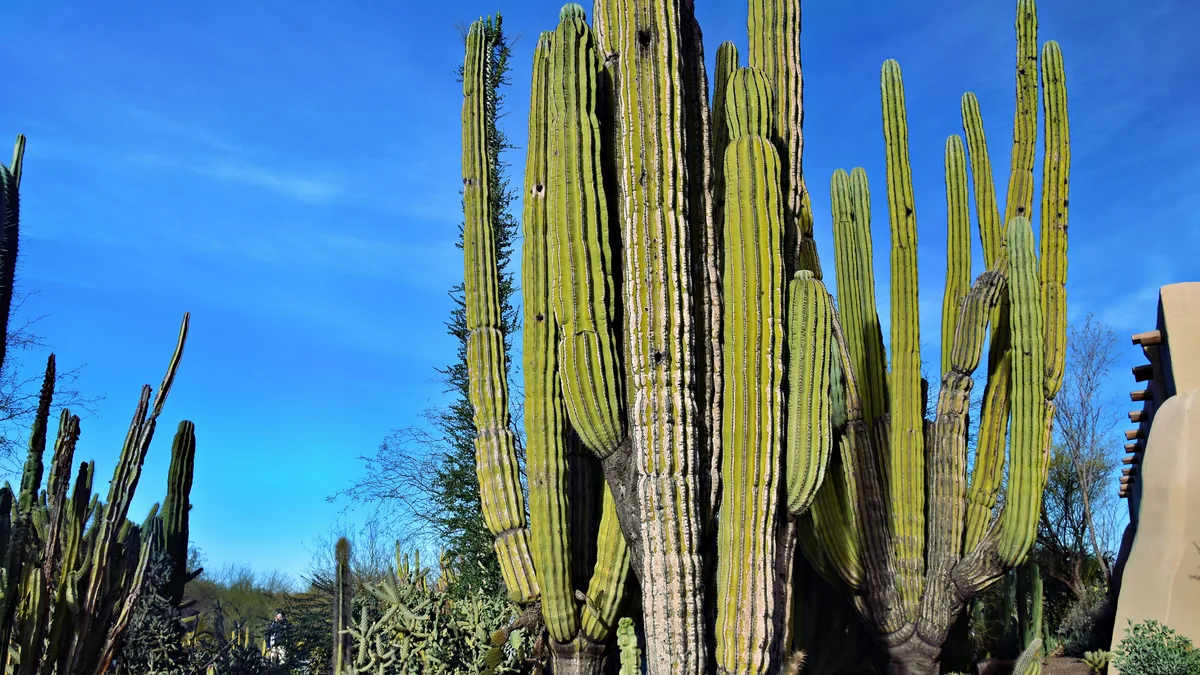
A 140-acre garden in Papago Park showcasing more than 50,000 desert plants, including one of the world's largest collections of cacti and succulents. Opened in 1939, its winding trails highlight the Sonoran Desert's plant life alongside seasonal wildflower blooms and desert wildlife exhibits.
Visitor guide
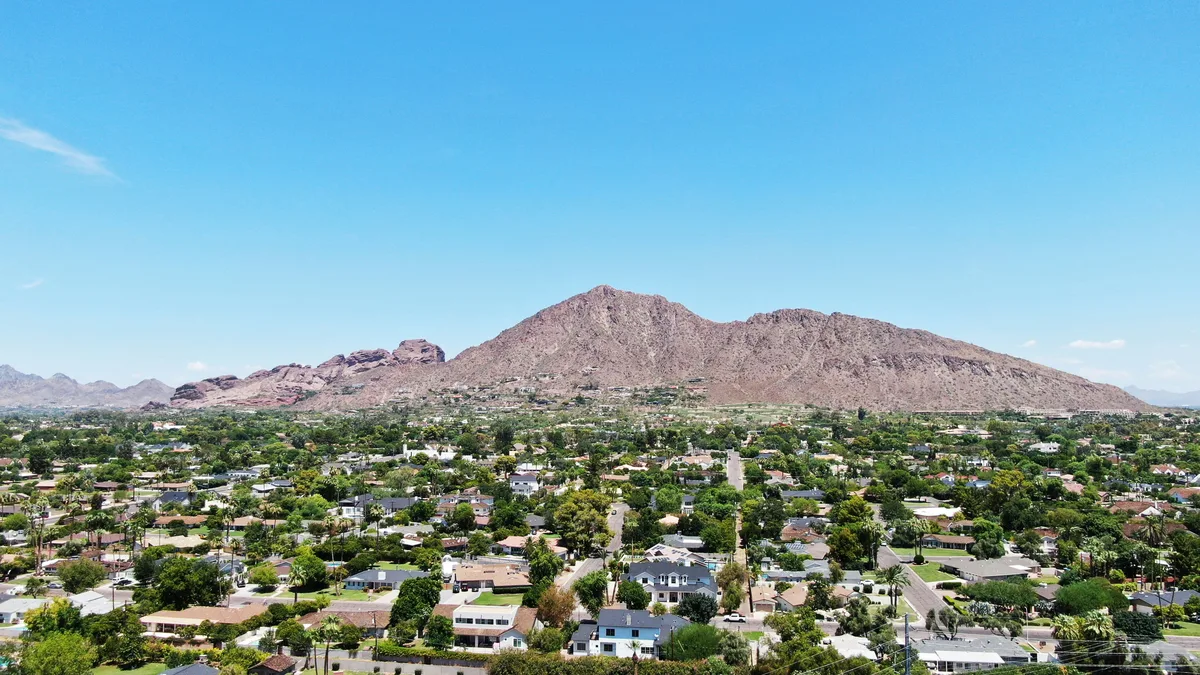
The Desert Botanical Garden is a 140-acre living museum in Phoenix's Papago Park, dedicated to the plants of the Sonoran Desert and of arid lands elsewhere. It opened in 1939 and today holds more than 50,000 plants, roughly a third of them native to the region, set against the red sandstone buttes that give Papago Park its look.
The garden grew out of a small group of Phoenix residents worried about the loss of native desert. Swedish-born botanist Gustaf Starck is remembered for posting a "Save the desert" sign with an arrow pointing to his own home to gather like-minded neighbors. In April 1934 the group formed the Arizona Cactus and Native Flora Society to sponsor a botanical garden focused on the Sonoran Desert. Gertrude Webster, whose property covered what is now the Arcadia neighborhood, became a leading patron and served as president of the society's first board. Published accounts give slightly different dates for the founding (1934, 1937 and 1939 all appear), so it is safest to say the society formed in the mid-1930s and the garden opened to the public in 1939. George Lindsay was hired as first executive director in 1938 and oversaw the first plantings.
Webster Auditorium, built in 1939 and named for Gertrude Webster, still stands on the grounds and was listed on the National Register of Historic Places on May 1, 1990. The garden later became a charter member of the Center for Plant Conservation, and a major expansion around 2002 added research, horticulture and education space.
The living collection is among the most significant cactus and succulent holdings in the country. Wikipedia reports more than 4,000 plant taxa, including roughly 14,000 cacti in over 1,300 taxa and about 4,000 agaves in 248 taxa, with the garden itself citing several hundred rare or endangered species; counts differ by source and change as the collection is curated. Beyond the Sonoran Desert, there are collections from Baja California, Australia and South America. The grounds interpret several habitats, including mesquite bosque, semi-desert grassland and upland chaparral, and more delicate plants from milder climates are kept under shadehouses.
Paved and gravel paths wind through themed trails. The Sonoran Desert Nature Loop is a short, roughly 0.2-mile climb to an overlook with views of the Papago Buttes, with exhibits on desert animals as well as plants. The redesigned Plants & People of the Sonoran Desert trail looks at how native communities, including the Akimel O'odham, have used desert plants for food, textiles, medicine and shelter, and includes a traditional roundhouse and a small riparian habitat with cottonwoods. The garden also hosts changing art installations; past exhibitions have included glass by Dale Chihuly and sculpture by Fernando Botero.
The best-known seasonal tradition is Las Noches de las Luminarias, a holiday evening event that has run since the late 1970s and lights the paths with thousands of hand-placed luminarias. Spring is wildflower and cactus-bloom season, while summer visits are best planned for early morning. Check the garden's own site for current hours, ticketing and event dates before you go.
See every tour and attraction we cover in Phoenix.