TorontoOntario · 36 tours
 Niagara FallsOntario · 25 tours
 New York CityNew York · 30 tours
 Las VegasNevada · 8 tours
 San FranciscoCalifornia · 16 tours
 VancouverBritish Columbia · 17 tours
 DubaiUAE · 54 tours
 Abu DhabiUAE · 5 tours
 Buenos AiresArgentina · 23 tours
 AthensGreece · 31 tours
 AucklandNew Zealand · 38 tours
 CancunMexico · 54 tours
No destinations match “”. Try searching all tours instead — that search understands full questions, not just place names.
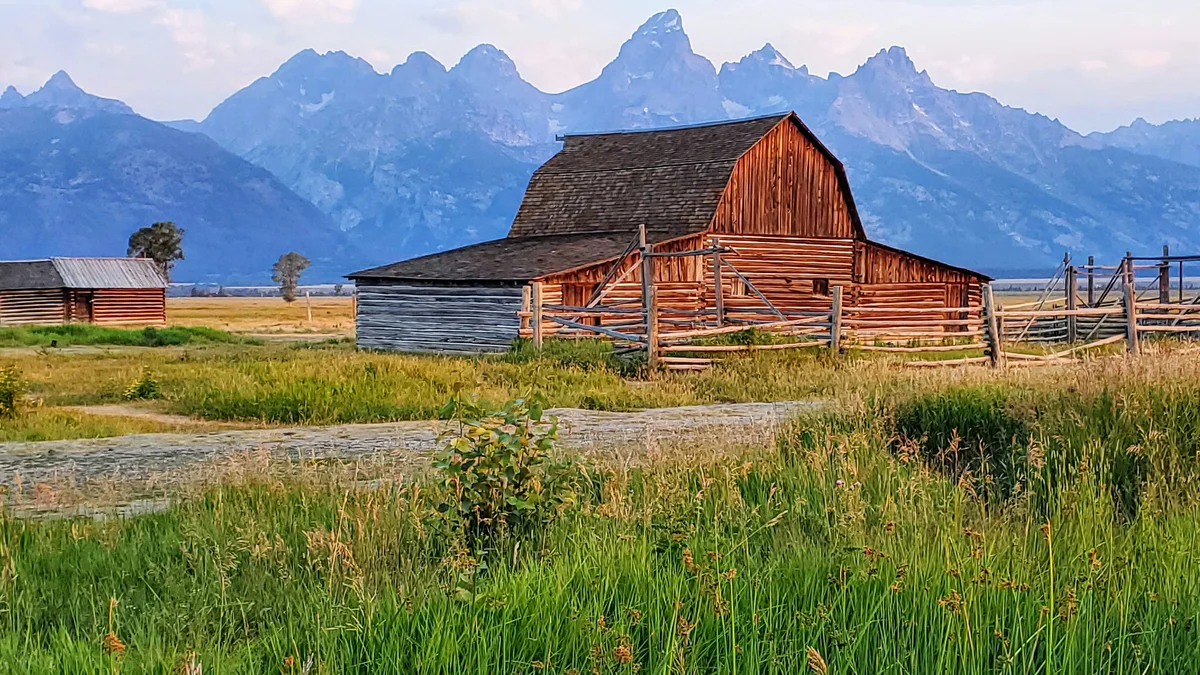
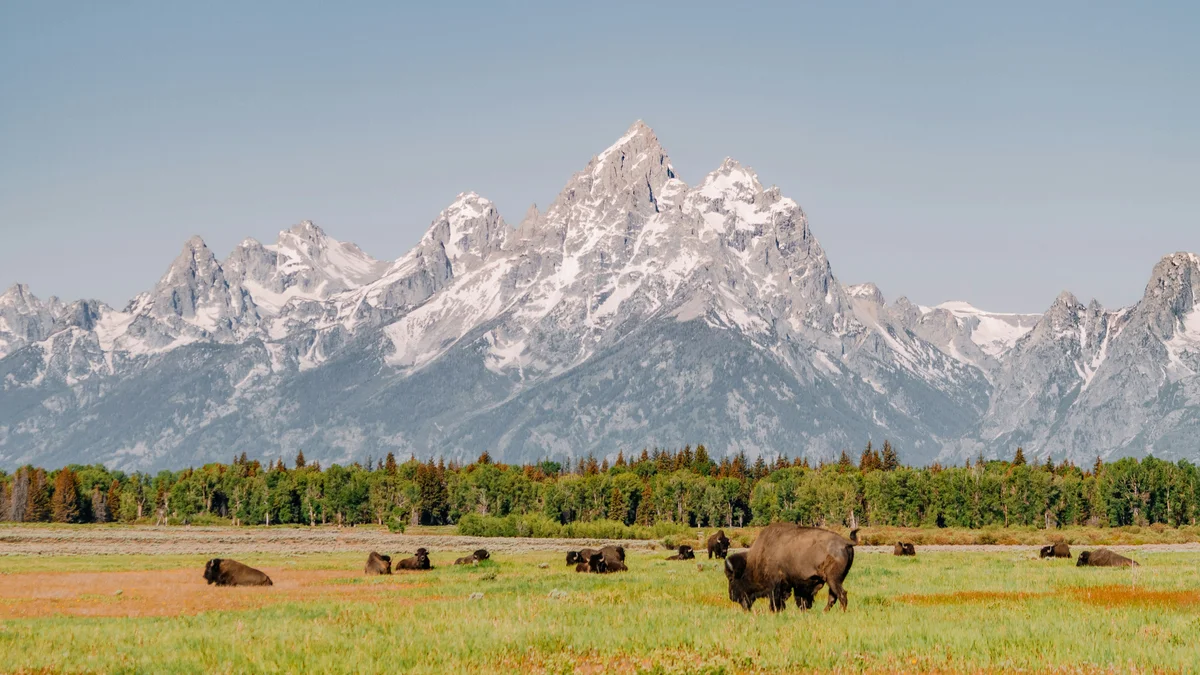
A cluster of homestead barns and buildings left by Mormon settlers who farmed this valley in the early 1900s, set directly against the Teton skyline. The T.A. Moulton Barn here is one of the most photographed structures in Wyoming.
 Private Tours
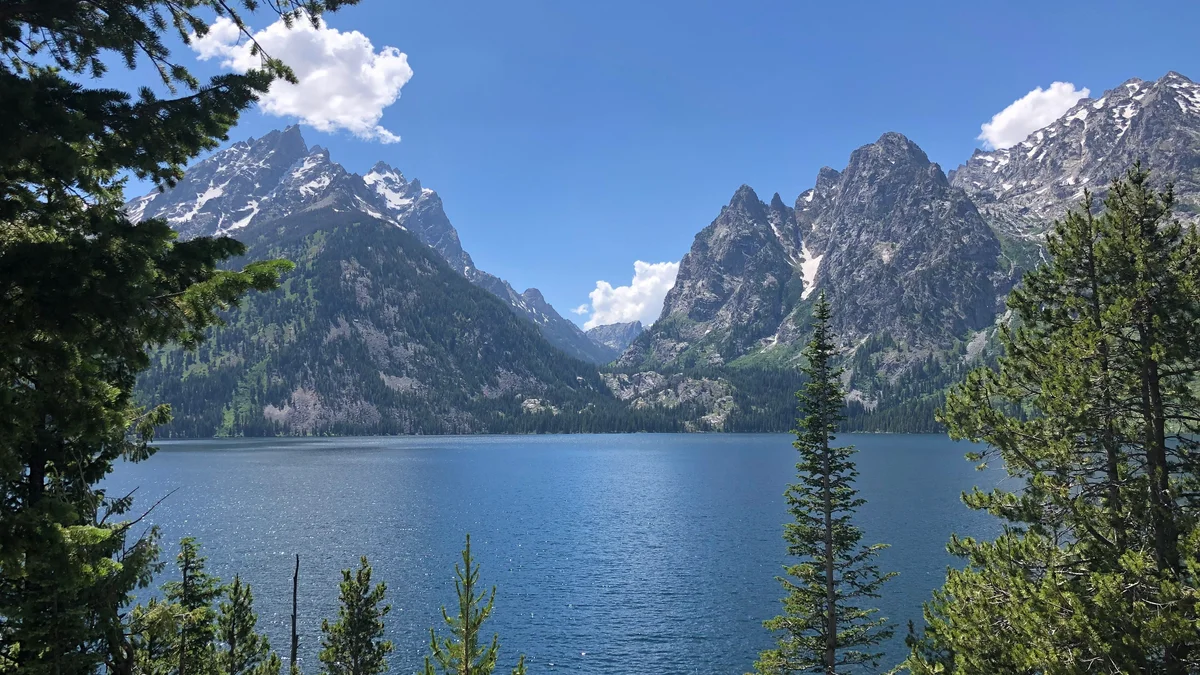
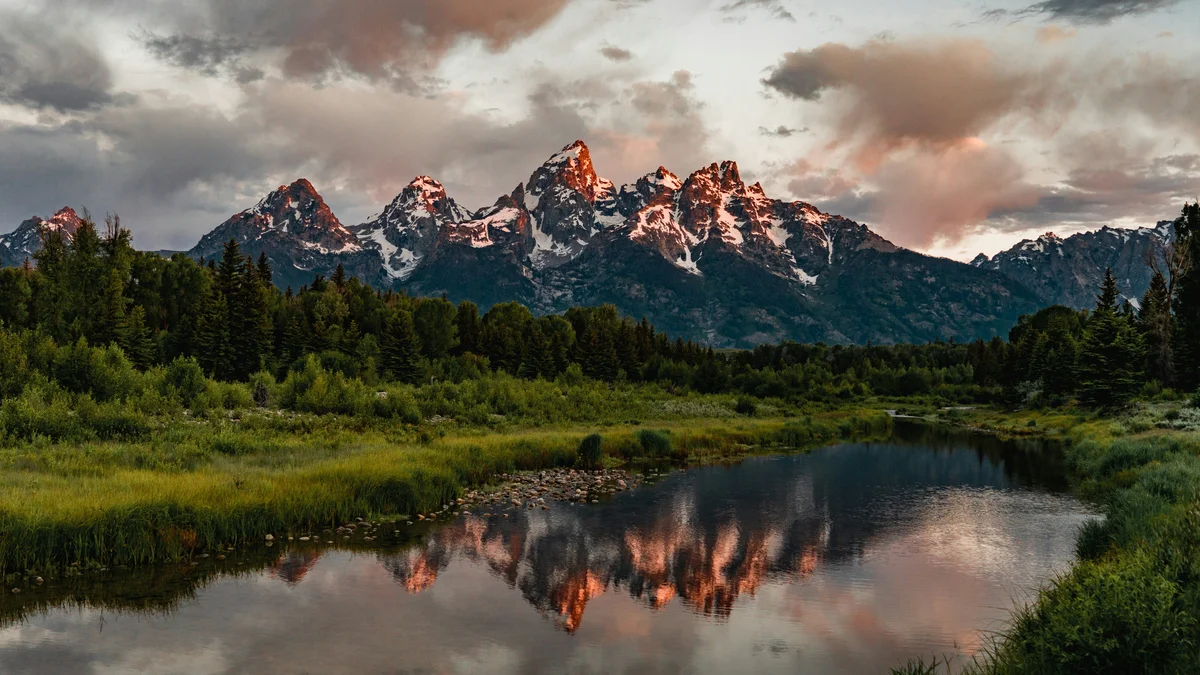
Start before dawn with your own private guide and drive through Grand Teton National Park as first light hits the peaks, stopping at Jenny Lake, Mormon Row, Jackson Lake, and Schwabacher Landing.
 Private Tours
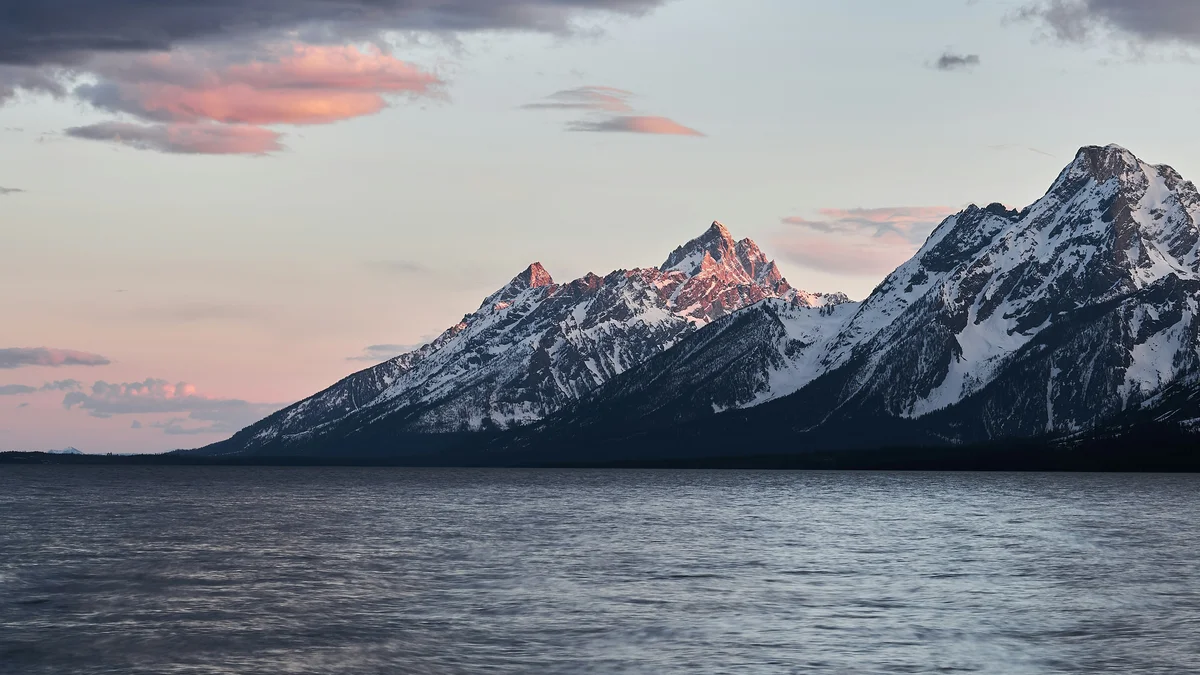
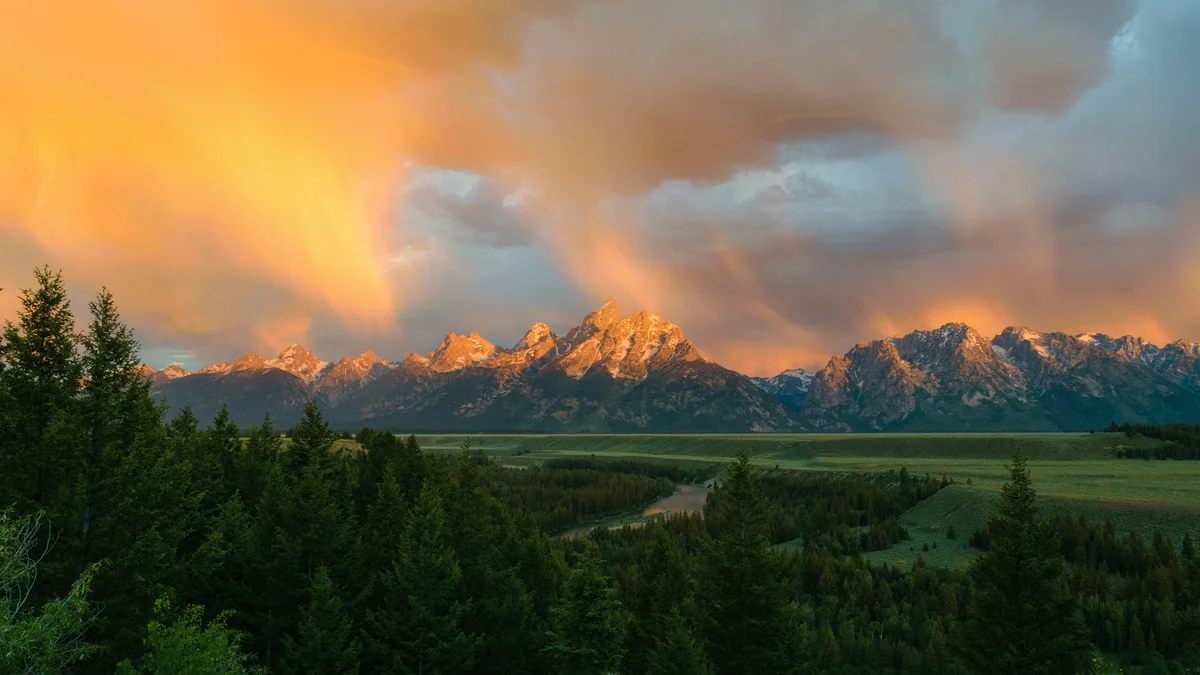
A private evening drive through Grand Teton National Park timed for golden hour, taking in Jenny Lake, Mormon Row, Jackson Lake, and Schwabacher Landing with a picnic dinner included.
 Private Tours
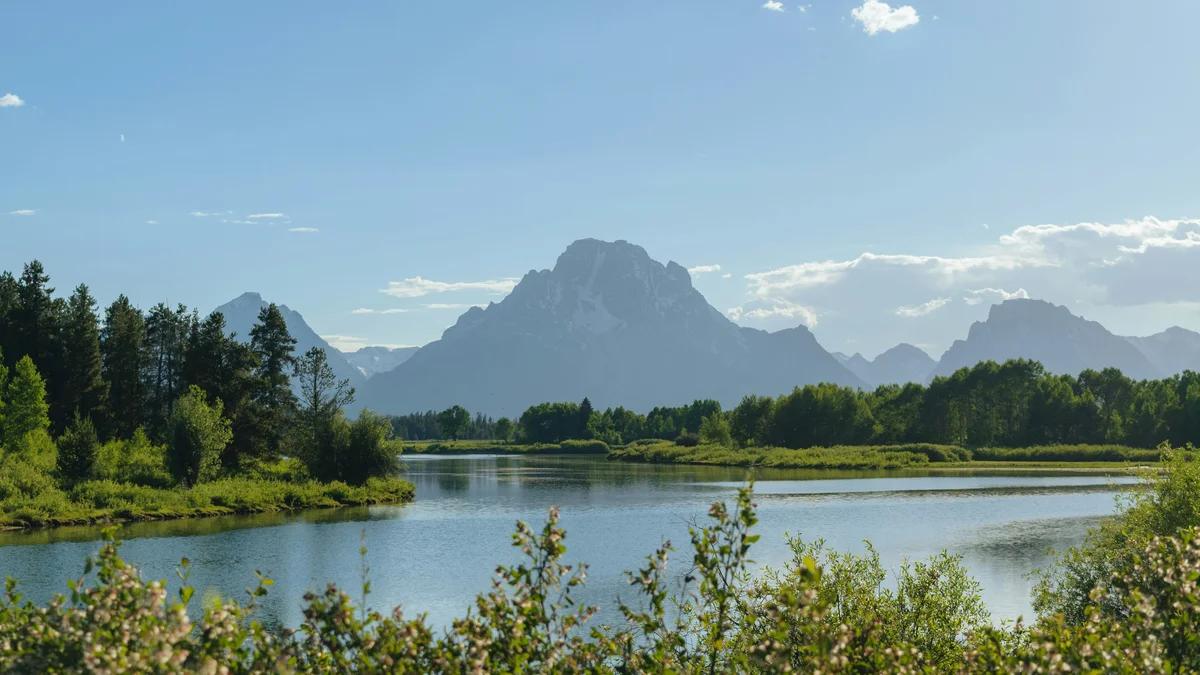
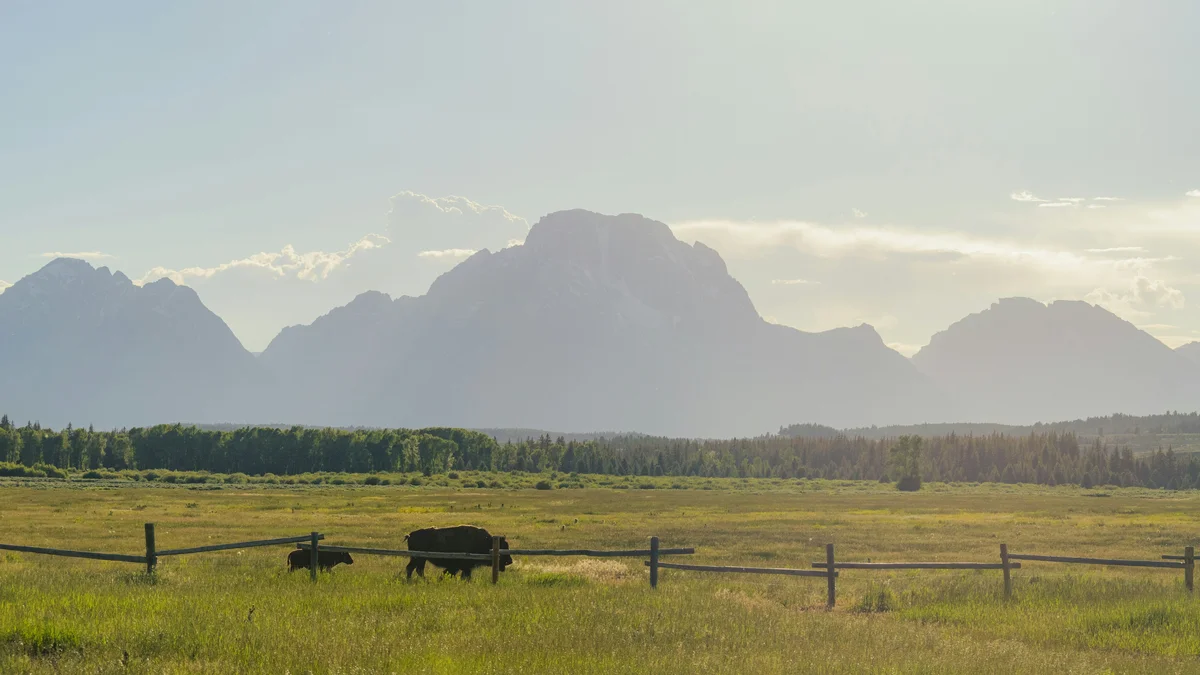
A full day exploring Grand Teton National Park's real highlights with a private driver-guide who knows exactly where to stop, including Oxbow Bend, Jackson Lake Lodge, Signal Mountain, and Mormon Row.
 Private Tours
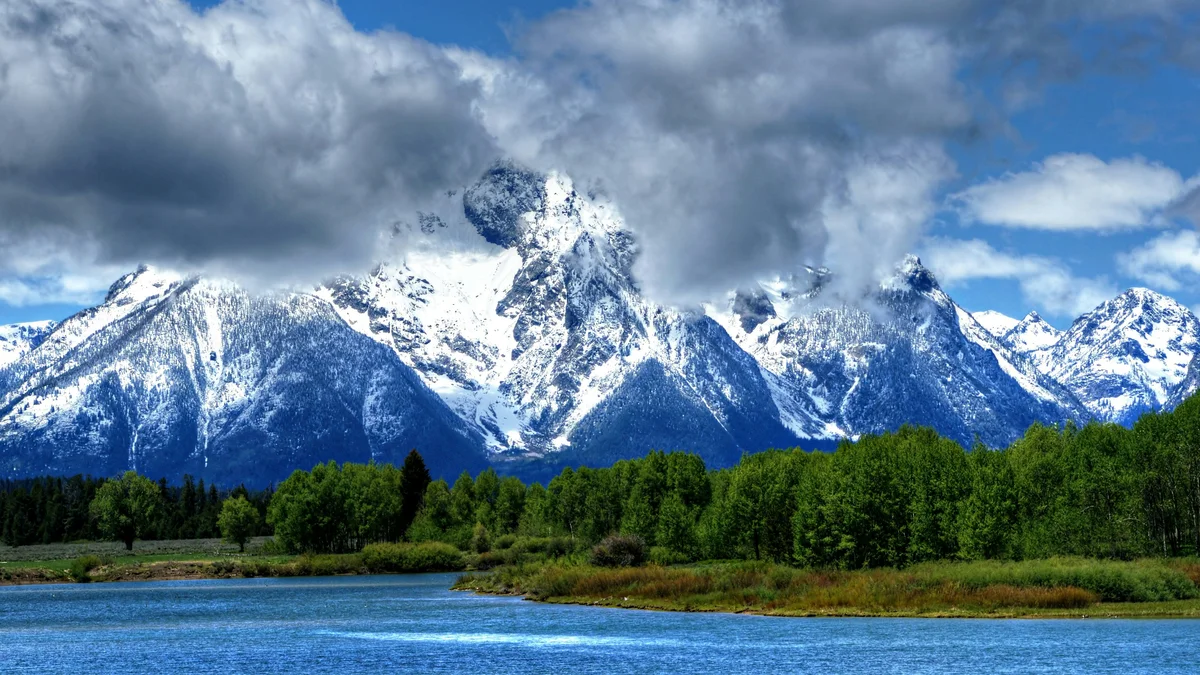
A private afternoon tour hitting Mormon Row, Oxbow Bend, Jenny Lake, and the Snake River, finishing with a picnic dinner served outdoors as the light fades.
Visitor guide
Mormon Row Historic District is a cluster of homesteads on the flats east of Blacktail Butte in Grand Teton National Park. Its weathered barns, set against the Teton Range, are among the most photographed buildings in the American West, and the district was added to the National Register of Historic Places on June 5, 1997.
According to the National Park Service, leaders of The Church of Jesus Christ of Latter-day Saints sent groups from the Salt Lake Valley to start new communities, and settlers arrived from Idaho in the 1890s. They claimed land east of Blacktail Butte around the turn of the century. Unlike the isolated homesteads typical of the West, they clustered their farms to share labor and community. The post office named the community Grovont, though it is known today as Mormon Row, and about 27 homesteads were established there. The soil was fertile, Blacktail Butte offered some shelter from wind, and the Gros Ventre River offered water.
Water was the challenge in Jackson Hole's short growing season. The park service says settlers dug ditches by hand and with teams of horses between 1896 and 1937, building a network of levees and dikes to move water from central ditches to their fields. Water still flows in some of those ditches.
Brothers John and Thomas Alma (T.A.) Moulton built barns on adjacent homesteads. After nearly 30 years of farming, John replaced his log house and barn with a carpenter-built pink stucco house and a two-story gambrel barn north of Antelope Flats Road. T.A. spent more than 30 years building a gable-with-shed barn to the south. Start dates for T.A.'s place vary by source; the Historic American Buildings Survey records the homestead as received in 1908 with the barn dated to about 1916, while another source says he settled in 1910.
Andy Chambers claimed land in 1912 and earned title under the Homestead Act by building a log cabin and stable and clearing ground for grain in rocky soil. His family had no running water until 1927 and got electricity from a windmill in 1946; the windmill still stands. The Chambers Homestead was listed as a historic district in 1990, then folded into the 1997 Mormon Row listing, which Wikipedia describes as six building clusters and a ruin including barns, fields, corrals and drainage systems.
By the time rural electric lines arrived in the 1950s, the NPS says many families had sold their homesteads to become part of the park. In 2018 a one-acre inholding, the Moulton Ranch Cabins, was sold to the Grand Teton National Park Foundation.
The park service describes a small dirt parking area off Antelope Flats Road with a trail brochure and interpretive sign near the pink stucco house. The barns are popular subjects at sunrise, with the Tetons behind them. Please stay on designated paths and out of the structures, and check the NPS for current access and conditions.
For a Voyzo private tour, a private vehicle and driver with door-to-door pickup can fit Mormon Row into a dawn or dusk stop without any parking juggling.
See every tour and attraction we cover in Grand Teton National Park.