TorontoOntario · 36 tours
 Niagara FallsOntario · 25 tours
 New York CityNew York · 30 tours
 Las VegasNevada · 8 tours
 San FranciscoCalifornia · 16 tours
 VancouverBritish Columbia · 17 tours
 DubaiUAE · 54 tours
 Abu DhabiUAE · 5 tours
 Buenos AiresArgentina · 23 tours
 AthensGreece · 31 tours
 AucklandNew Zealand · 38 tours
 CancunMexico · 54 tours
No destinations match “”. Try searching all tours instead — that search understands full questions, not just place names.
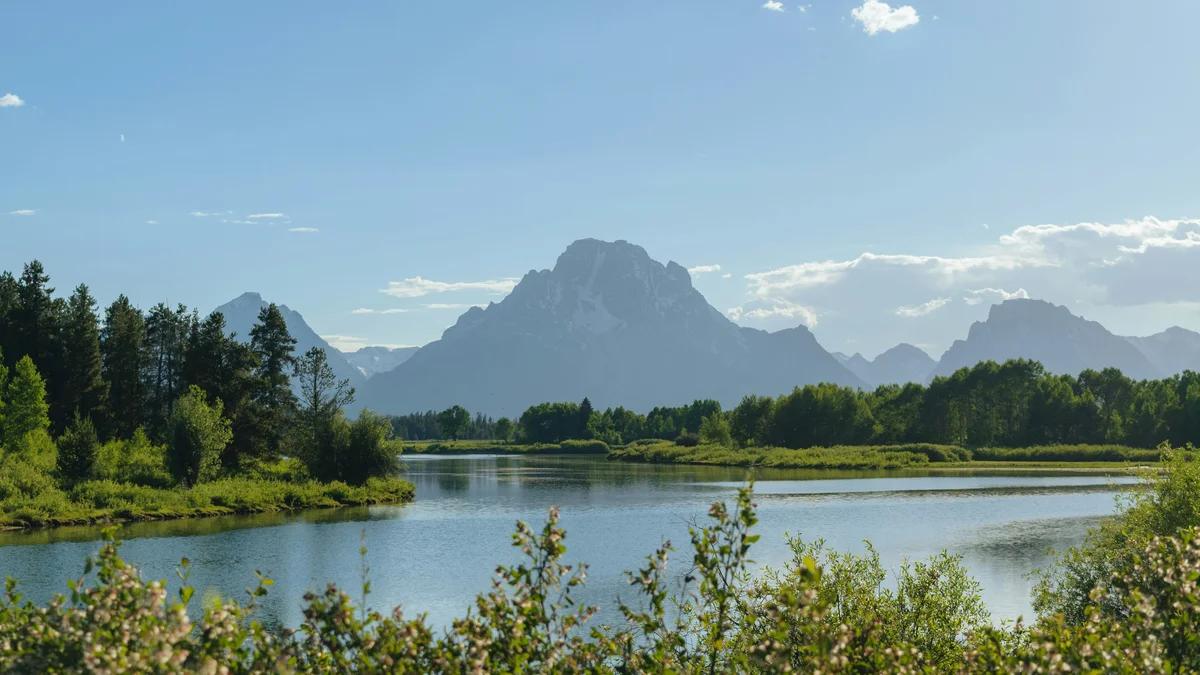
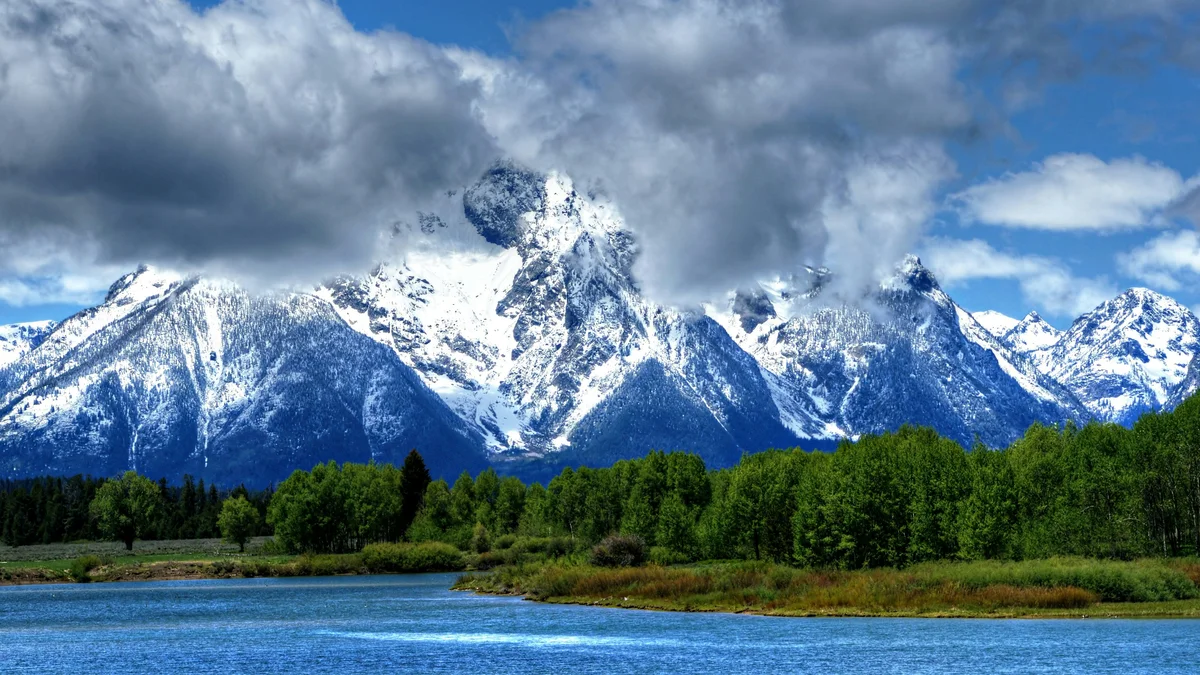
A slow, mirror-still bend in the Snake River where Mount Moran's flat-topped summit reflects on the water, especially at sunrise. It's one of the most recognizable viewpoints in the park and a regular stop on Grand Teton scenic and photography tours.
 Private Tours
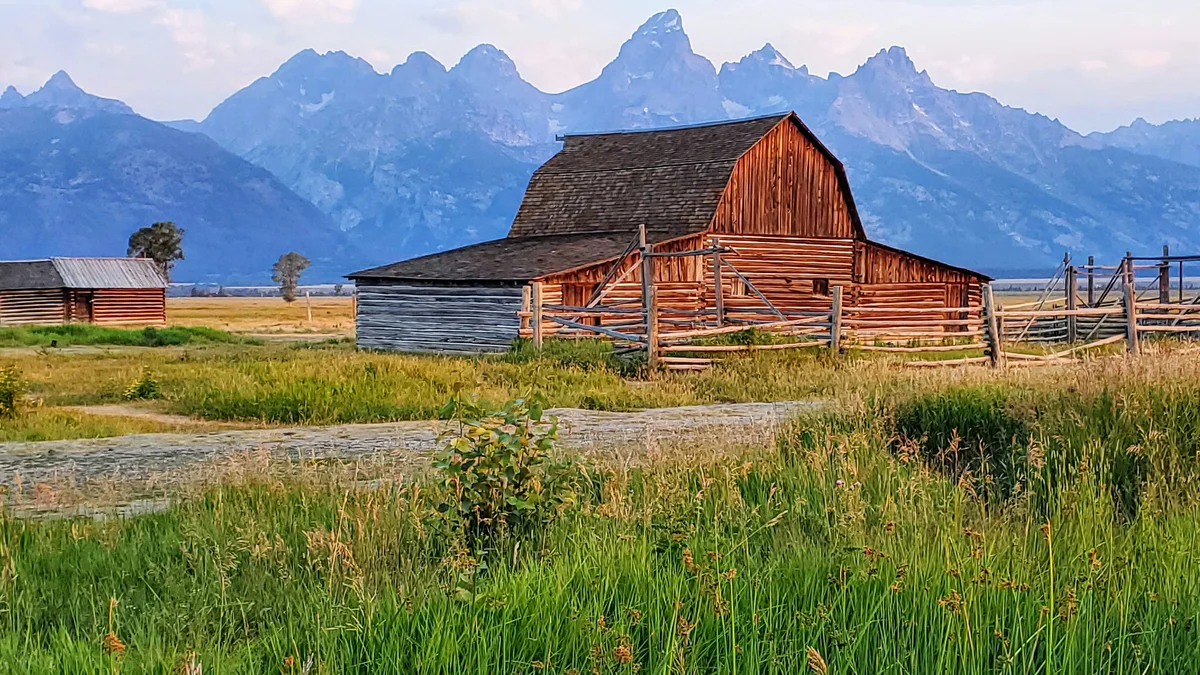
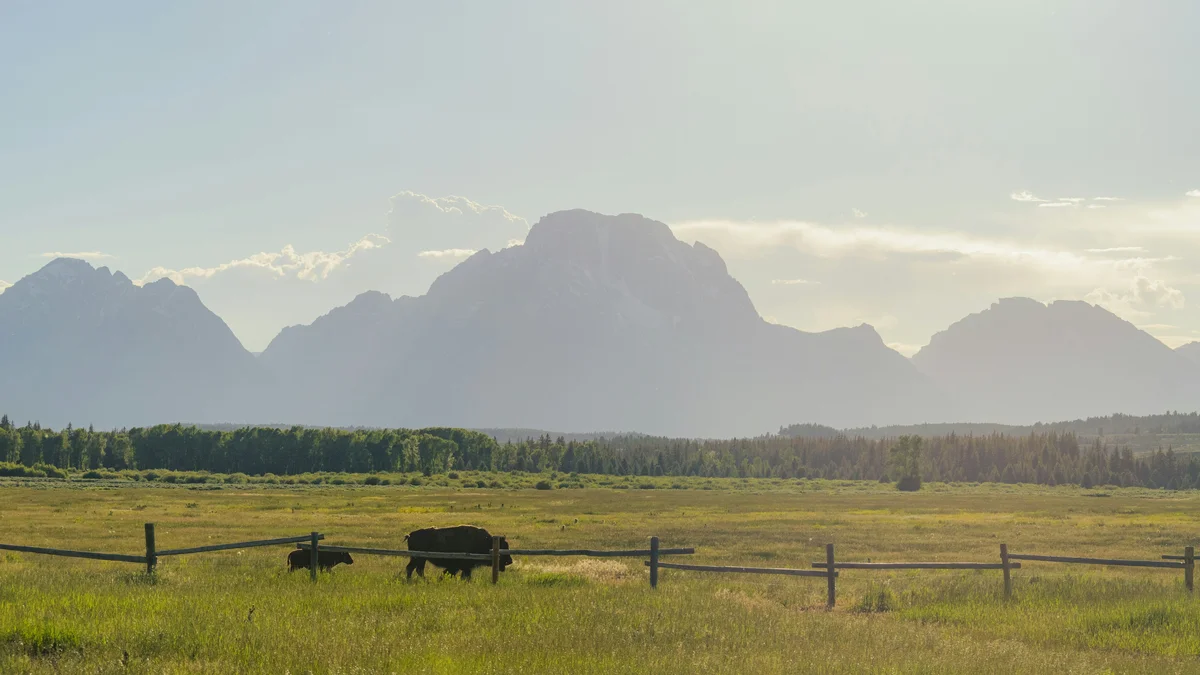
A full day exploring Grand Teton National Park's real highlights with a private driver-guide who knows exactly where to stop, including Oxbow Bend, Jackson Lake Lodge, Signal Mountain, and Mormon Row.
 Private Tours
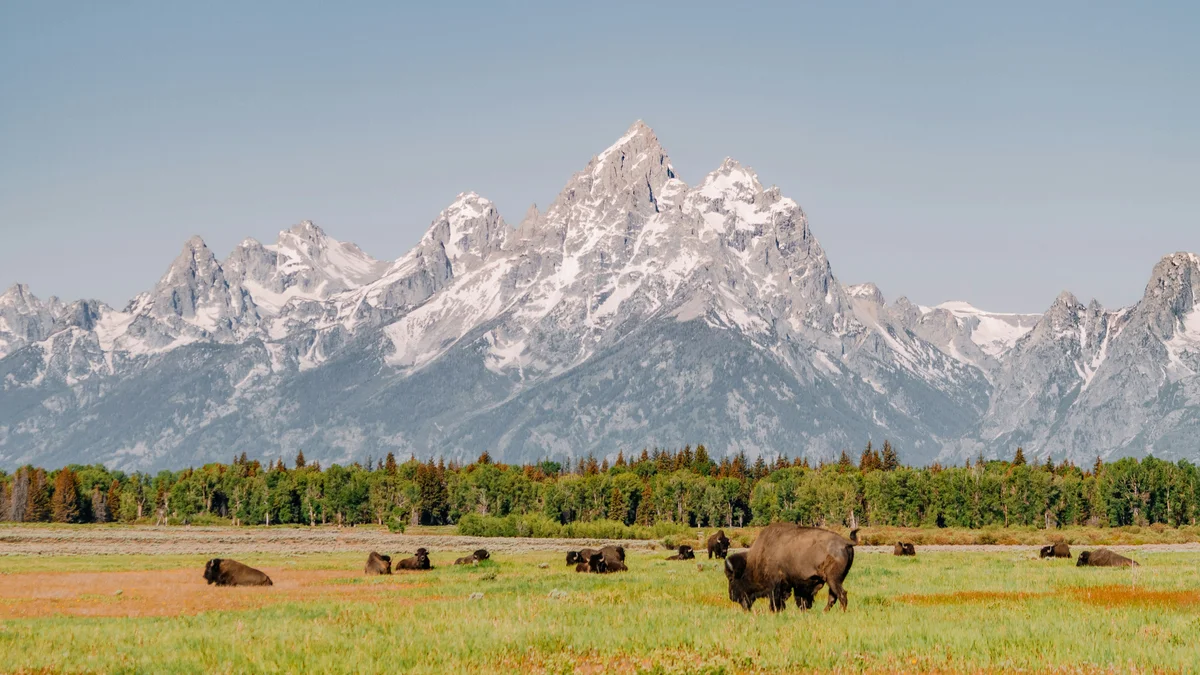
A private afternoon tour hitting Mormon Row, Oxbow Bend, Jenny Lake, and the Snake River, finishing with a picnic dinner served outdoors as the light fades.
Visitor guide
Oxbow Bend is a slow curve of the Snake River in Grand Teton National Park where the river has left a calmer, pond-like stretch beside the road. On still days the water reflects Mount Moran, and the turnout is known for both photography and wildlife watching.
An oxbow forms when a river's meander is cut off from the main channel and leaves a pond, as the National Park Service explains on its place page. A USGS caption notes that this happens gradually, as erosion and sediment deposits shift a river's path over time. Here a channel of the Snake River bends toward the turnout and the water is calmer than the rushing river elsewhere in the park. The turnout sits along the highway between Jackson Lake Junction and Moran Junction, near the park's northern gateway at the confluence of the Snake River and Buffalo Fork.
The peak in the view is Mount Moran, named for the landscape painter Thomas Moran. Moran was born in England in 1837, and in 1871 he joined Ferdinand Hayden's survey of Yellowstone; his sketches, together with William Henry Jackson's photographs, are credited with helping inspire Congress to create the first national park in 1872. Sources put Mount Moran's summit at about 12,600 feet (12,605 or 12,610 depending on the source), and the park's overview describes it as rising about 5,700 feet above Jackson Lake, while Wikipedia says about 6,000 feet. Its summit is capped by sandstone of the Flathead Formation, and dark dikes of diabase, a volcanic rock, are visible on its east face. The first recorded ascent was in July 1922 by members of the Chicago Mountaineering Club via the Skillet Glacier route; Wikipedia names the climbers as LeGrand Hardy, Bennet McNulty and Ben C. Rich.
Mount Moran belongs to the Teton Range, which rose along the Teton Fault. Crustal stretching moved this fault between about six and nine million years ago; the western block rose to form the mountains while the eastern block dropped to form the valley called Jackson Hole. The range includes some of the oldest rocks in any U.S. national park, with the oldest forming around 2.5 billion years ago, and glaciers later carved the peaks and valleys. About a dozen small glaciers remain in the range, among them the ones on Mount Moran's face.
The NPS describes Oxbow Bend as a year-round place for scenery and wildlife, with trumpeter swans, otters, beavers and bears occasionally seen from the turnout. A separate NPS page notes that many birds and other wildlife make their home here and that the bend is popular for sunrise and sunset photography. A photography site lists moose, beaver, muskrat, river otters and white pelicans as commonly seen, but sightings are never guaranteed. The park as a whole has recorded more than 300 bird species.
The turnout offers interpretive information and is wheelchair accessible. Pets are allowed only in the paved parking area, not on dirt trails or in the river, according to the NPS activity page.
The turnout is part of the NPS's Moran and the East area, which also includes Elk Ranch Flats, a flat stretch just south of Moran with Teton views where bison and elk may appear, and the Cunningham Cabin Historic Site, one of the valley's few remaining homesteading-era structures. According to the NPS, settlers filed nearly 400 claims in Jackson Hole; John and Margaret Cunningham staked a claim in the 1880s for what became the Bar Flying U Ranch. Grand Teton National Park itself was established on February 26, 1929, and was later enlarged, with the 1943 Jackson Hole National Monument combined into it in 1950.
The NPS notes that parking is limited, so expect to share the pullout at the classic sunrise and sunset hours. Calm air is what makes the reflection, and wind or ripples will break it up. Keep at least 100 yards from bears and 25 yards from other wildlife, and check the NPS for current alerts and wildlife guidance.
On a Voyzo private tour, a private vehicle and driver with door-to-door pickup makes an early-morning stop here straightforward, since your driver handles the parking and the timing.
See every tour and attraction we cover in Grand Teton National Park.