TorontoOntario · 36 tours
 Niagara FallsOntario · 25 tours
 New York CityNew York · 30 tours
 Las VegasNevada · 8 tours
 San FranciscoCalifornia · 16 tours
 VancouverBritish Columbia · 17 tours
 DubaiUAE · 54 tours
 Abu DhabiUAE · 5 tours
 Buenos AiresArgentina · 23 tours
 AthensGreece · 31 tours
 AucklandNew Zealand · 38 tours
 CancunMexico · 54 tours
No destinations match “”. Try searching all tours instead — that search understands full questions, not just place names.
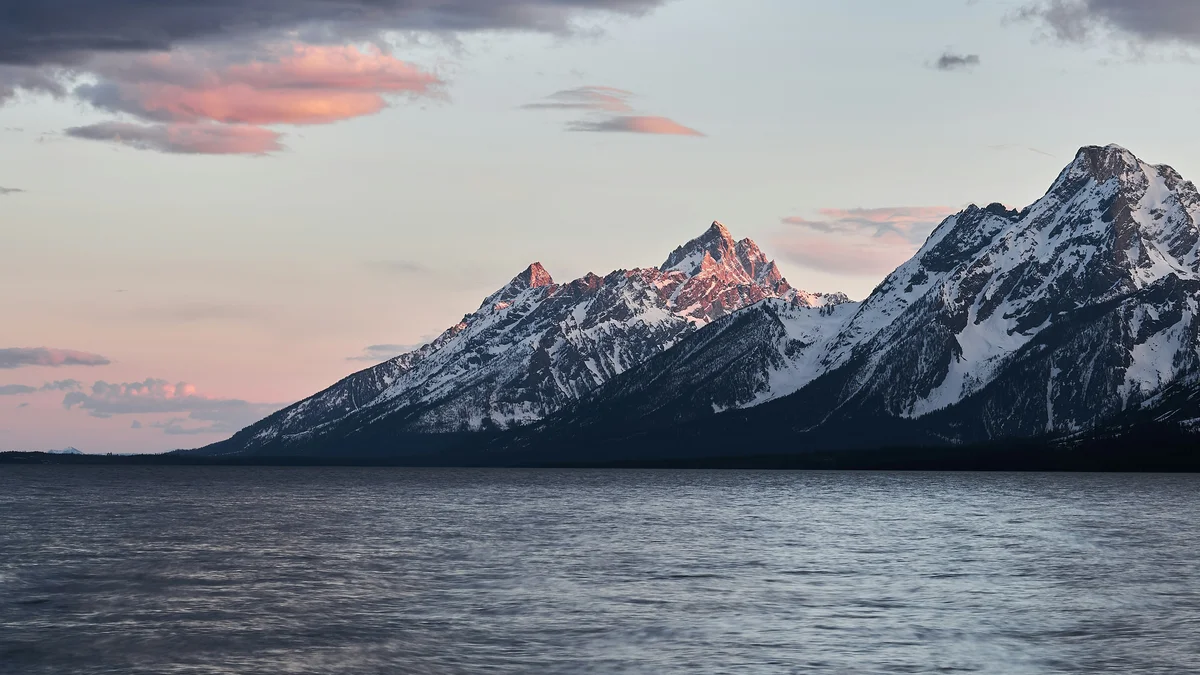
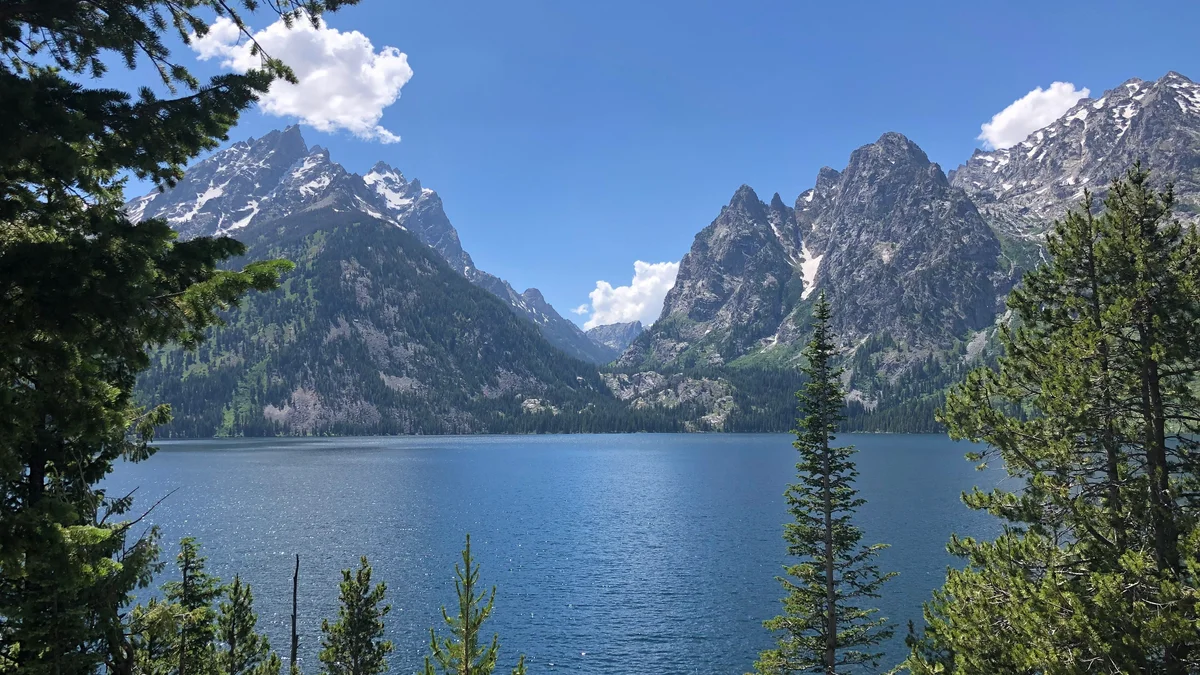
The largest lake in Grand Teton National Park, sitting directly beneath the northern peaks of the Teton Range. Its shoreline hosts several of the park's picnic and boat-launch spots and is a common stop on full-day private tours.
 Private Tours
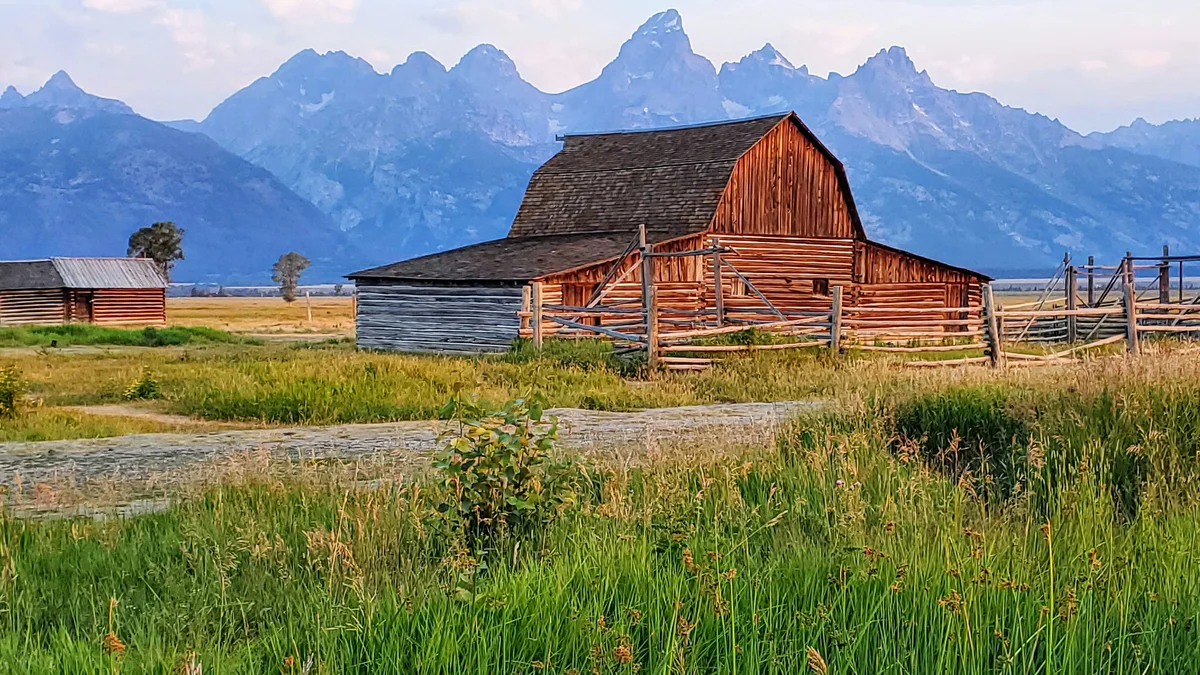
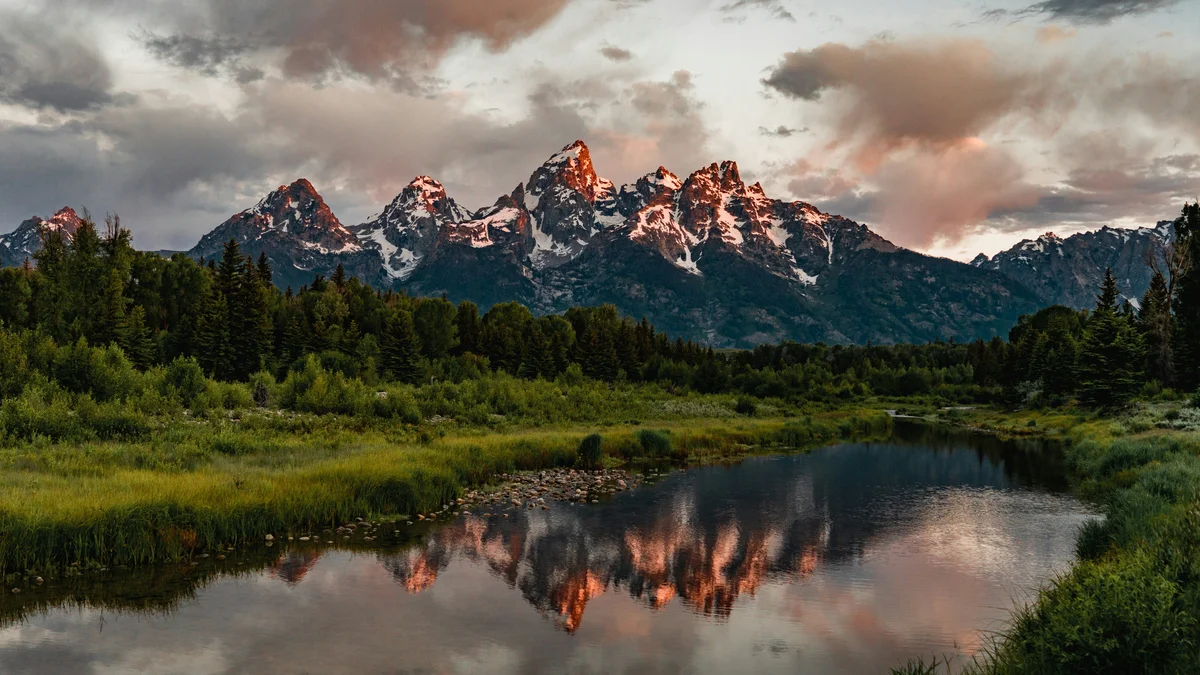
Start before dawn with your own private guide and drive through Grand Teton National Park as first light hits the peaks, stopping at Jenny Lake, Mormon Row, Jackson Lake, and Schwabacher Landing.
 Private Tours
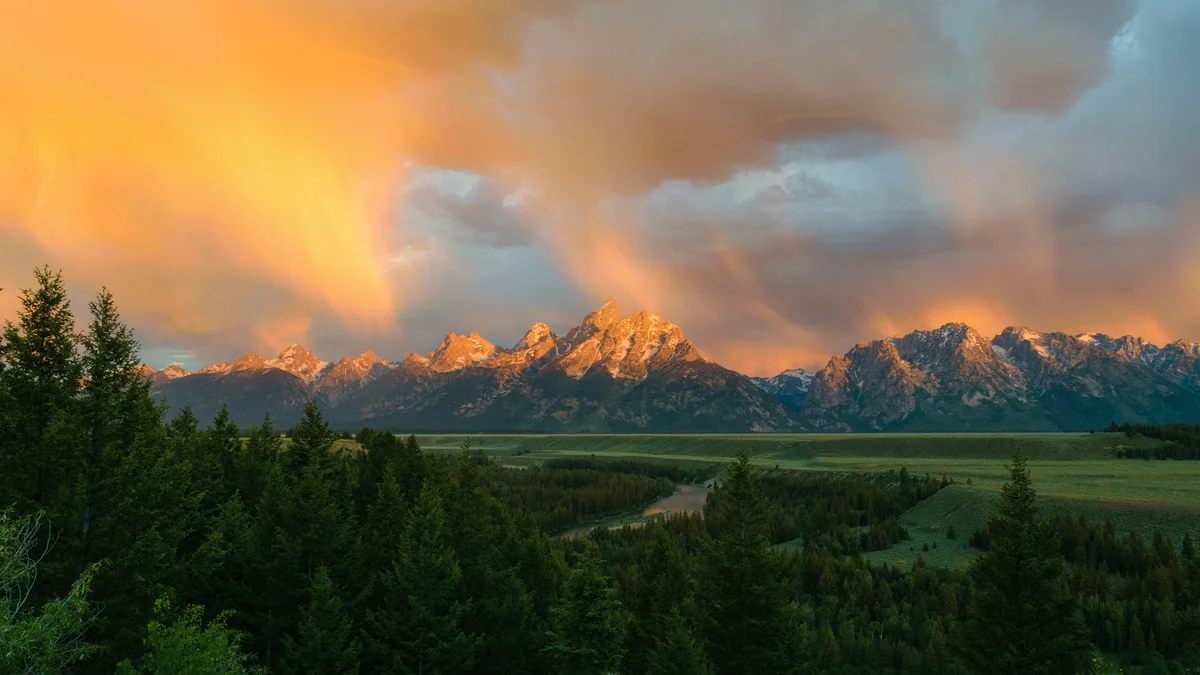
A private evening drive through Grand Teton National Park timed for golden hour, taking in Jenny Lake, Mormon Row, Jackson Lake, and Schwabacher Landing with a picnic dinner included.
 Private Tours
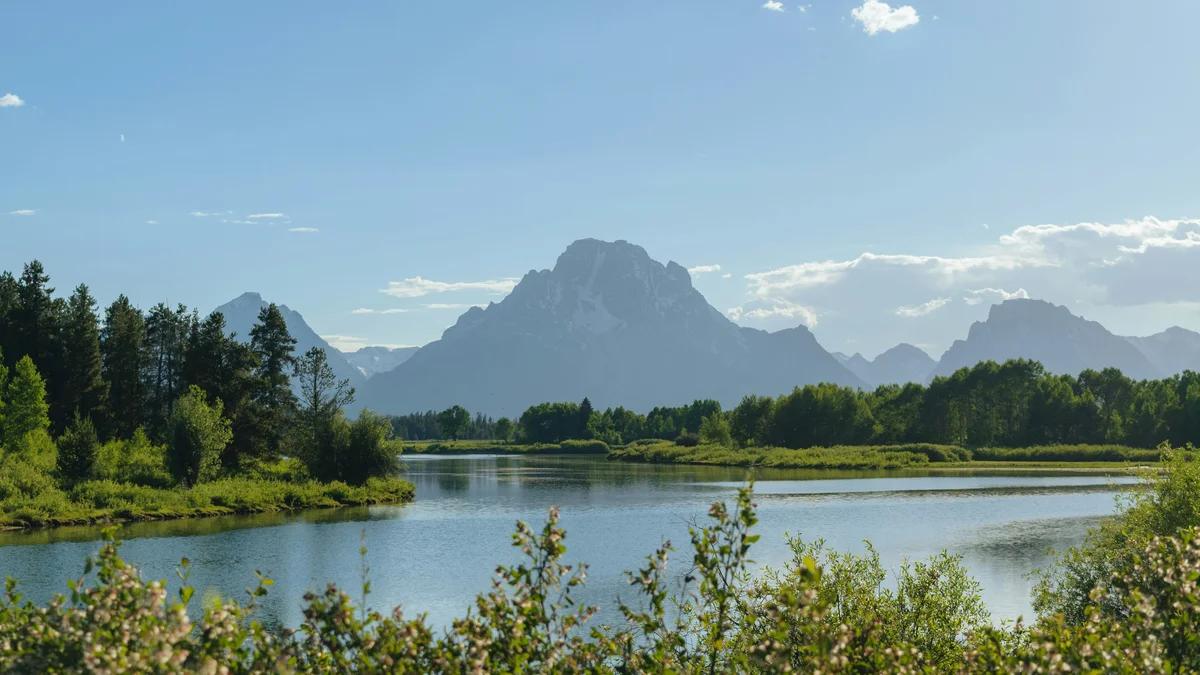
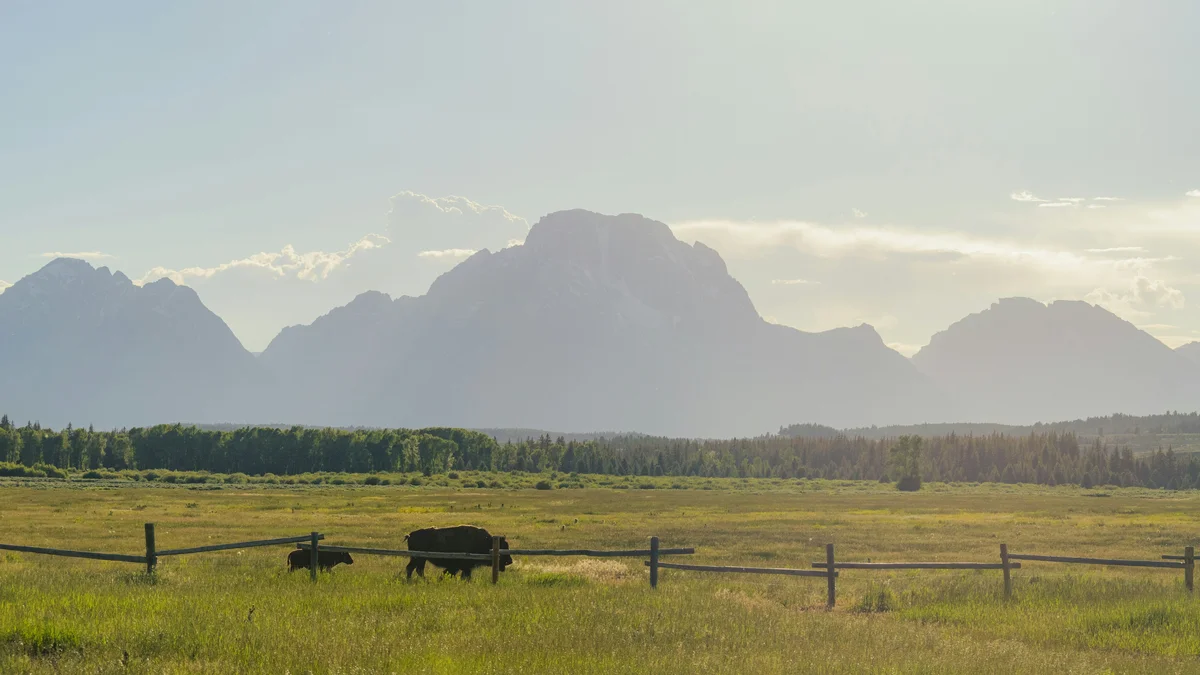
A full day exploring Grand Teton National Park's real highlights with a private driver-guide who knows exactly where to stop, including Oxbow Bend, Jackson Lake Lodge, Signal Mountain, and Mormon Row.
Visitor guide
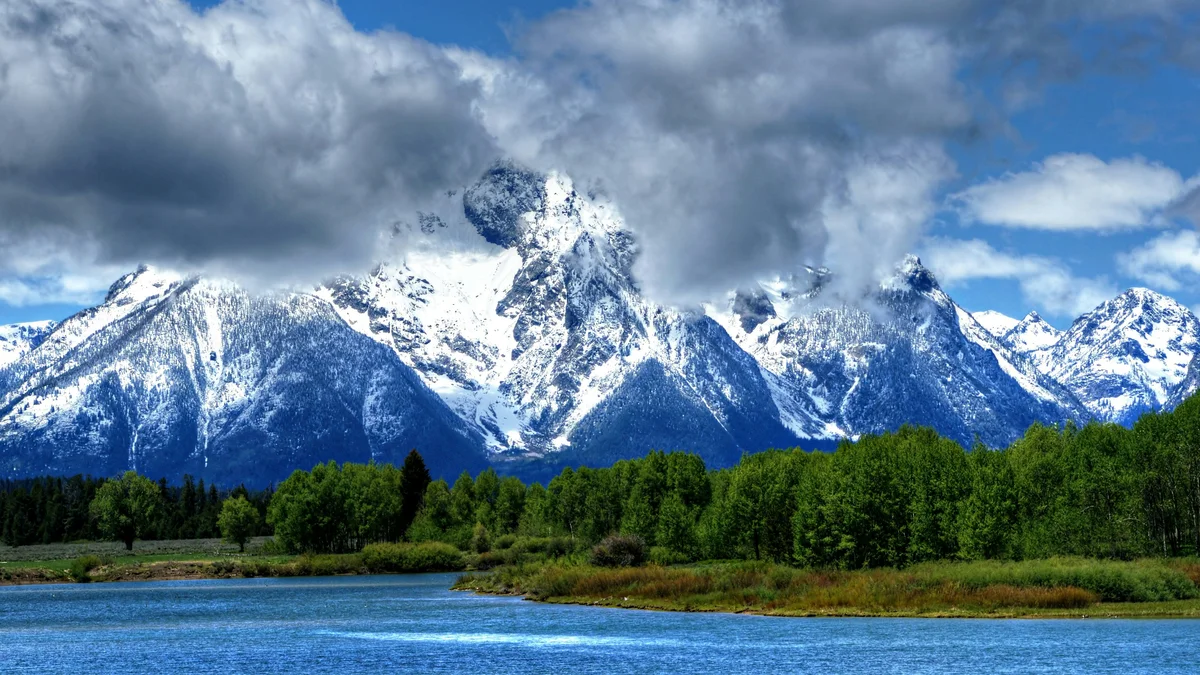
Jackson Lake is the largest lake in Grand Teton National Park, a glacial lake at the foot of the northern Teton Range whose outlet is controlled by a dam. The Snake River flows into it from the north and out of it at the dam, so the lake is effectively a pause in the river's journey.
Wikipedia gives the lake about 25,540 acres, up to roughly 15 miles long and between 5 and 7 miles wide depending on the source, with a maximum depth of 438 feet and a surface elevation of about 6,772 feet; it describes it as one of the largest high-altitude lakes in the United States. It is a natural, moraine-dammed lake, a remnant of glacial gouging from the Teton Range and the Yellowstone Plateau. The park's overview notes that the dam at its outlet raised the level by nearly 40 feet, while Wikipedia's article on the dam says the final structure raised the maximum lake level 30 feet above its natural elevation, so the figure depends on the source and the measure used. Mount Moran rises roughly 5,700 to 6,000 feet above the lake, depending on the source.
The Bureau of Reclamation completed a temporary rockfilled crib dam in 1907 to store water for the Minidoka Project in Idaho. A portion failed in 1910, and in 1911 a concrete gravity structure with earth embankment wings replaced it, increasing storage to 380,000 acre-feet. The dam was raised 17 feet in 1916, giving a structural height of 65.5 feet, a crest length of 4,920 feet and total storage of 847,000 acre-feet. Wikipedia credits the replacement design to engineer Frank A. Banks, who later supervised construction of Grand Coulee Dam, and says workers lived in a temporary camp near the town of Moran, with supplies arriving by road from a railhead at Ashton, Idaho. It also notes that trees along the shoreline were not cleared, which left dead trees standing as the water rose. Wikipedia adds that the dam was later upgraded between 1986 and 1989.
Reclamation operates the dam with the Army Corps of Engineers for water supply storage and flood-risk management. Water released from Jackson Lake is collected by Minidoka Dam and American Falls Dam, more than 100 miles downstream. Under the Minidoka Project, farmers in Idaho use the top 33 feet of the lake under water rights that predate the park.
The water averages below 60 degrees Fahrenheit even in summer. Nonnative brown and lake trout live here alongside native Snake River fine-spotted cutthroat trout and mountain whitefish. The lake has more than 15 islands, the largest being Elk Island; Donoho Point is another named feature.
The eastern shore has marinas and lodges, including Leeks Marina, Colter Bay Village, Jackson Lake Lodge and Signal Mountain Lodge, while the western shore is primitive with hiking trails and a few campsites. Jackson Lake Lodge was designed by Gilbert Stanley Underwood for John D. Rockefeller Jr. and completed in 1955; it is the main property of a 144-acre National Historic Landmark district, which Wikipedia describes as marking a shift in the national parks from rustic to modern design. Colter Bay Village was developed starting in the 1950s under the National Park Service's Mission 66 program, which expanded visitor services for automobile tourism, and many of its cabins were moved there from elsewhere in Jackson Hole. The John D. Rockefeller Jr. Memorial Parkway runs near the northern end of the lake toward Yellowstone's south entrance.
Jackson Lake and Jenny Lake are the park's two lakes where motorboats are permitted, according to Wikipedia, and the lake supports boating and fishing. The NPS prohibits fishing from Jackson Lake Dam itself and restricts floating within 1,000 feet of it.
Check the NPS for current boating rules, aquatic invasive species inspections, permits and conditions before planning time on the water, and follow NPS wildlife guidance. Lake levels are managed for water supply, so what you see will vary through the year.
A Voyzo private tour with a private vehicle and driver and door-to-door pickup works well for the lake's scenic pullouts, since your driver handles the stops and parking.
See every tour and attraction we cover in Grand Teton National Park.