TorontoOntario · 36 tours
 Niagara FallsOntario · 25 tours
 New York CityNew York · 30 tours
 Las VegasNevada · 8 tours
 San FranciscoCalifornia · 16 tours
 VancouverBritish Columbia · 17 tours
 DubaiUAE · 54 tours
 Abu DhabiUAE · 5 tours
 Buenos AiresArgentina · 23 tours
 AthensGreece · 31 tours
 AucklandNew Zealand · 38 tours
 CancunMexico · 54 tours
No destinations match “”. Try searching all tours instead — that search understands full questions, not just place names.
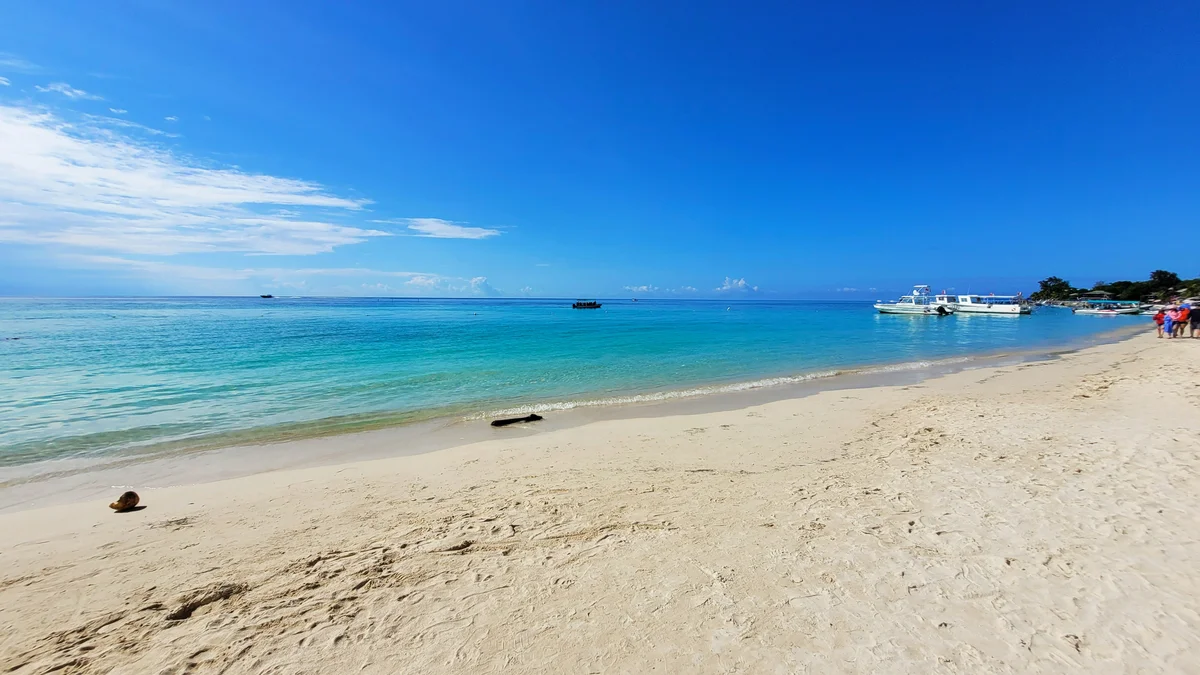
One of the Caribbean's most photographed beaches, with powder-white sand and calm, clear water backed directly onto the Mesoamerican Barrier Reef, the second-longest coral reef system in the world, making it a major snorkeling and diving draw for the Bay Islands.
 Multi-Day Tours
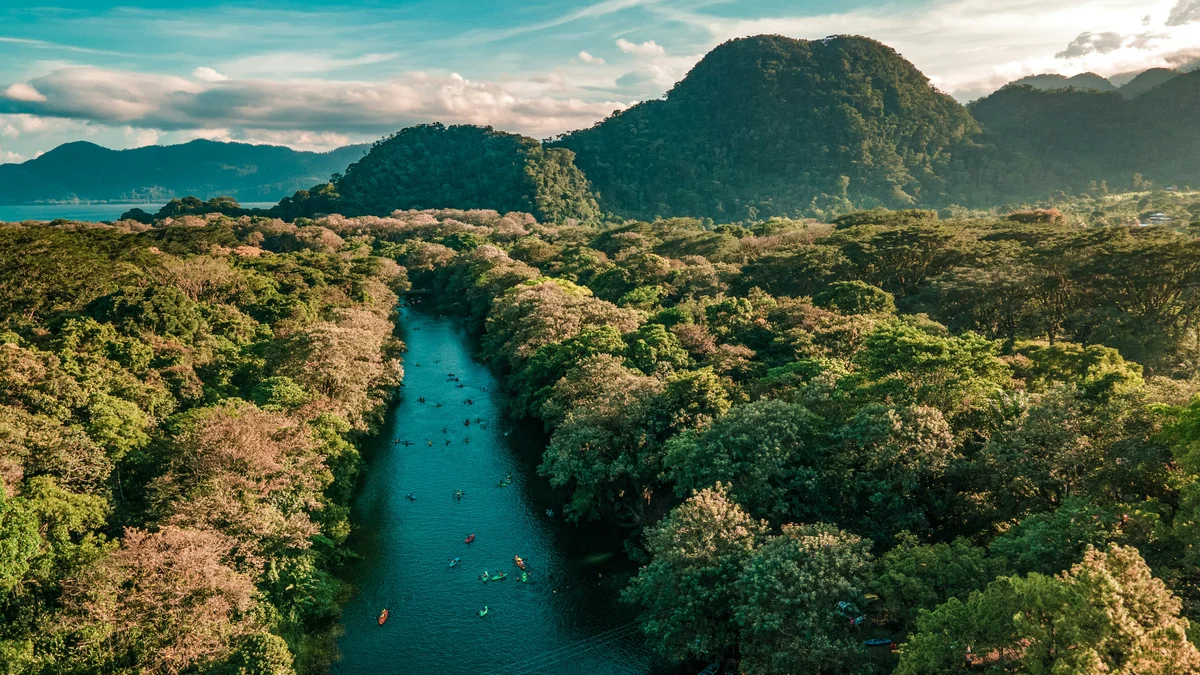
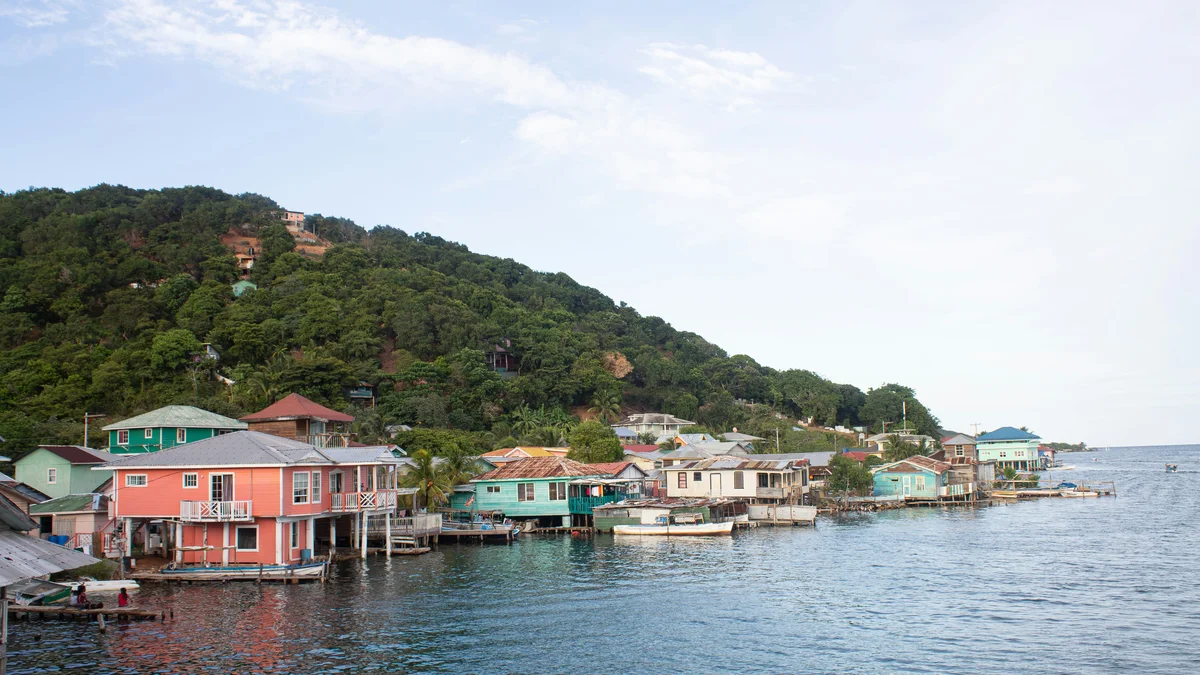
A 5-day private tour that goes beyond Roatán's cruise-port highlights to the island's quieter East End — mangrove tunnels, the fishing village of Jonesville, the canal town of Oak Ridge, snorkeling stops, and a taste of local island cooking.
 Multi-Day Tours
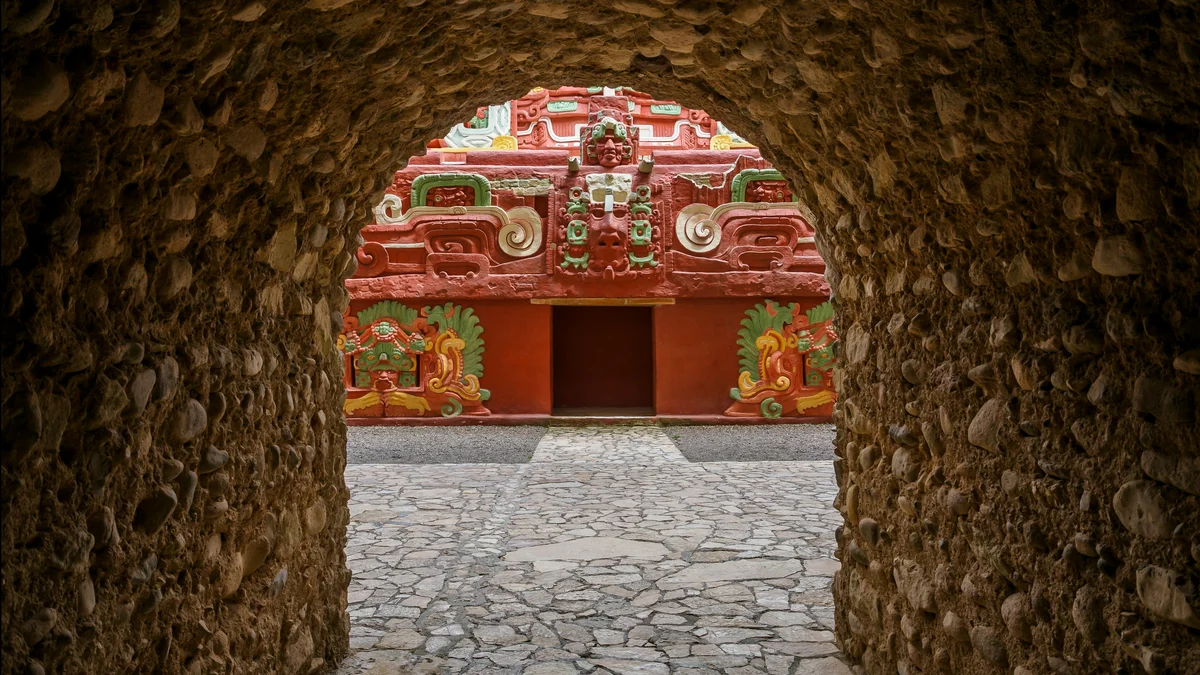
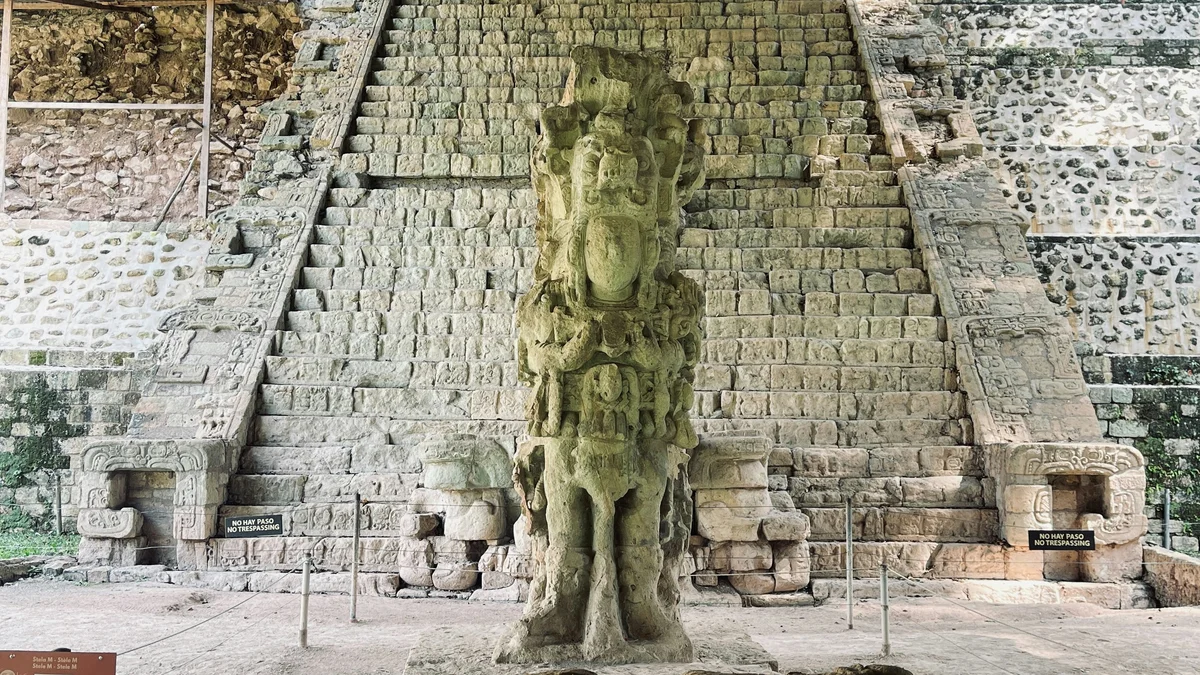
A 10-day private route by exclusive car linking El Salvador's colonial towns, coffee country, and Santa Ana Volcano with the Copán Ruins in Honduras and a final stretch on Roatán Island.
Visitor guide
West Bay is a bay and white-sand beach on the western tip of Roatán, the largest of the Bay Islands of Honduras. It sits beside the Mesoamerican Barrier Reef System, one of the longest reef systems in the world, and is widely known as a snorkelling and freediving spot with calm water and good visibility.
Roatán is a coral island about 59 kilometres long and less than 8 kilometres wide at its widest point, lying roughly 65 kilometres off the northern coast of Honduras. Wikipedia notes a bay on the western side of the island called West Bay, and describes West Bay Beach as a white-sand beach surrounded by the reef barrier. It is a different place from West End, the paved road of shops and small hotels a short distance along the coast, although the similar names cause frequent confusion.
The beach has attracted attention from travel publications. According to Wikipedia, Caribbean Travel and Life magazine ranked West Bay fourth in a 2011 list of the best beaches in the world for snorkelling, noting that a vast reef lies an easy swim from the sand. The same article reports that TripAdvisor ranked it ninth in the world and first in Central America in a 2016 beaches contest. Rankings of this kind come from magazines and voting platforms and shift from year to year, so they are best taken as a sign of reputation rather than a fixed measure.
The Mesoamerican Barrier Reef System stretches for about 1,126 kilometres along the coasts of Mexico, Belize, Guatemala and Honduras, from Isla Contoy on the Yucatán Peninsula south to the Bay Islands. Wikipedia describes it as the second-longest reef system in the world, after Australia's Great Barrier Reef. The system is home to more than 65 species of stony coral, more than 500 species of fish and 350 species of mollusc, and it shelters threatened animals such as sea turtles, the queen conch and the West Indian manatee.
Roatán lies on the southern edge of this system. The island's steep drop into the Cayman Trench encourages upwelling of nutrient-rich water, which Wikipedia credits with feeding dense fringing reefs and wall-diving sites along its northern shore. The reef is also fragile. A 2017 scientific study applying the IUCN Red List of Ecosystems criteria assessed the reef system as critically endangered, and threats include rising sea temperatures, coastal development, pollution, overfishing and invasive lionfish. Local groups such as the Roatán Marine Park, formed in 2005 by dive operators and businesses, work on patrols, clean-ups and education.
Wikipedia reports that West Bay hosts an international freediving competition each May, the Caribbean Cup, and that the clear, calm water makes the beach well suited to the sport. It also mentions a glass-windowed boat called the Coral Reef Explorer that lets passengers view the reef from below the surface. Operators and schedules change, so it is worth confirming what is running before a visit.
West Bay is on the western end of the island, so it is commonly combined with other west-side stops such as nearby wildlife parks and West End village. A private guided visit with a driver suits a day of this kind, leaving time to swim and snorkel without worrying about transfers.
See every tour and attraction we cover in Honduras.