TorontoOntario · 36 tours
 Niagara FallsOntario · 25 tours
 New York CityNew York · 30 tours
 Las VegasNevada · 8 tours
 San FranciscoCalifornia · 16 tours
 VancouverBritish Columbia · 17 tours
 DubaiUAE · 54 tours
 Abu DhabiUAE · 5 tours
 Buenos AiresArgentina · 23 tours
 AthensGreece · 31 tours
 AucklandNew Zealand · 38 tours
 CancunMexico · 54 tours
No destinations match “”. Try searching all tours instead — that search understands full questions, not just place names.
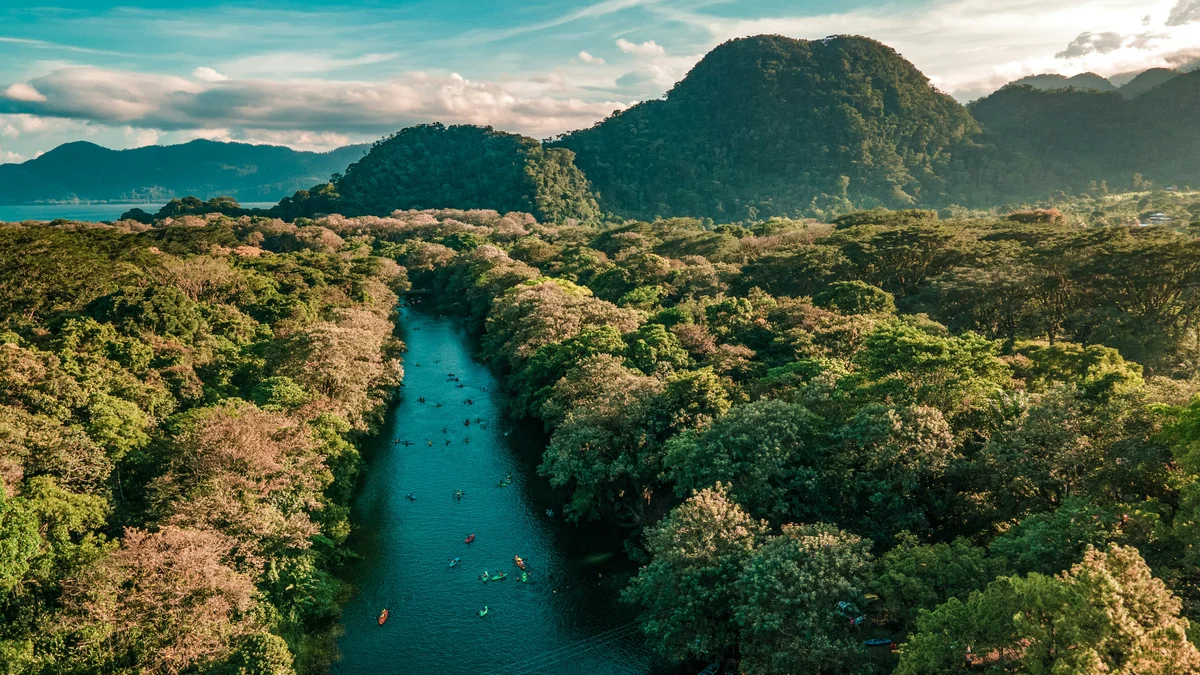
Honduras's largest natural lake, ringed by cloud forest and coffee farms between San Pedro Sula and Tegucigalpa, known for birdwatching, freshwater fishing, nearby waterfalls like Pulhapanzak, and a small but growing craft-coffee and microbrew scene along its shores.
Visitor guide
Lake Yojoa is the largest lake in Honduras, with a surface area of about 79 square kilometres, set at roughly 700 metres above sea level between the country's two biggest cities. Ringed by mountains, national parks and coffee country, it is best known for its birdlife, lakeside fish restaurants and nearby waterfall.
According to Wikipedia, Lake Yojoa has an average depth of about 15 metres and lies in a depression formed by volcanoes. The Lake Yojoa volcanic field consists of scoria cones, craters and lava flows of Pleistocene to Holocene age. The western shore is bordered by steep mountains and Santa Bárbara National Park, while the eastern side adjoins Cerro Azul Meámbar National Park, which was established in 1987 and covers about 300 square kilometres.
The lake sits beside the highway connecting Tegucigalpa and San Pedro Sula, and Wikipedia notes that many travellers use its shore as a rest stop, enjoying the views and the fried fish served by lakeside restaurants. Fishing is also a livelihood for local families, alongside farming of fruit, vegetables and basic grains.
The basin is regarded as one of the richest places for wildlife in the country. Wikipedia reports almost 400 bird species and 800 plant species identified in the region, while tourism sources give differing, higher counts for birds, so the exact figure depends on the area surveyed. Early-morning boat or kayak trips on the water are a popular way to watch birds. The lake's ecosystems are described as threatened by deforestation, cattle ranching and development.
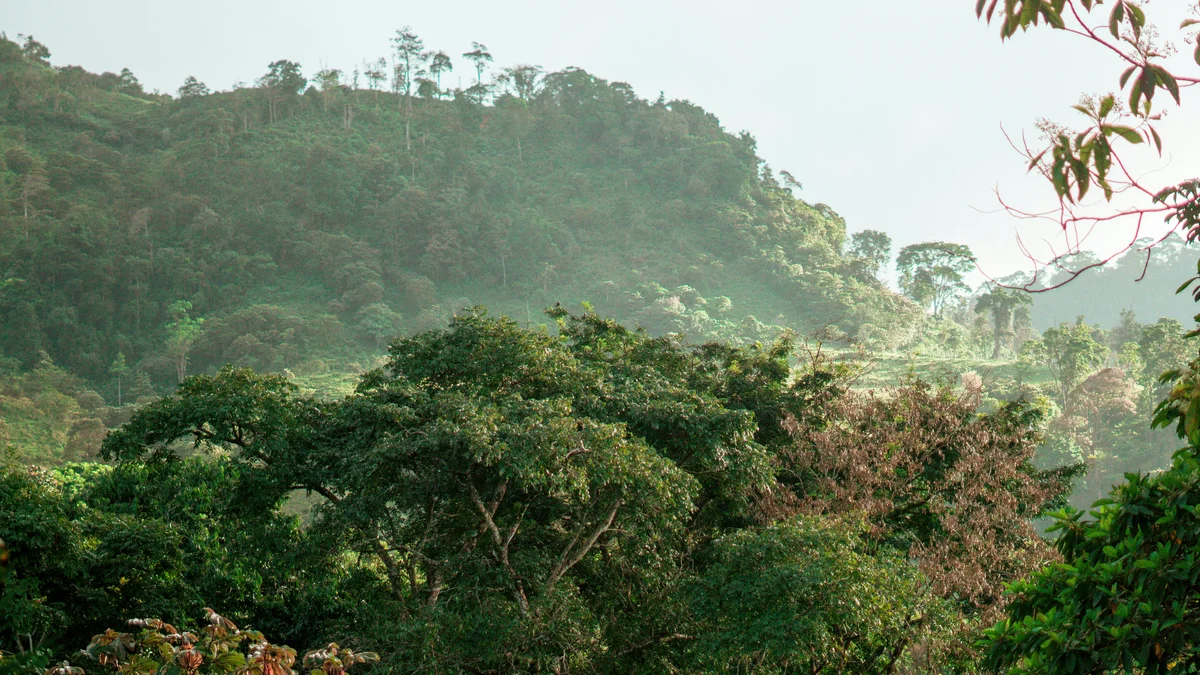
The hills around the lake are planted with coffee, and Wikipedia notes that coffee grown near Lake Yojoa, in the Santa Bárbara area, is particularly well known. Farms and small producers in the area have become part of its appeal to visitors who want to see how coffee is grown.
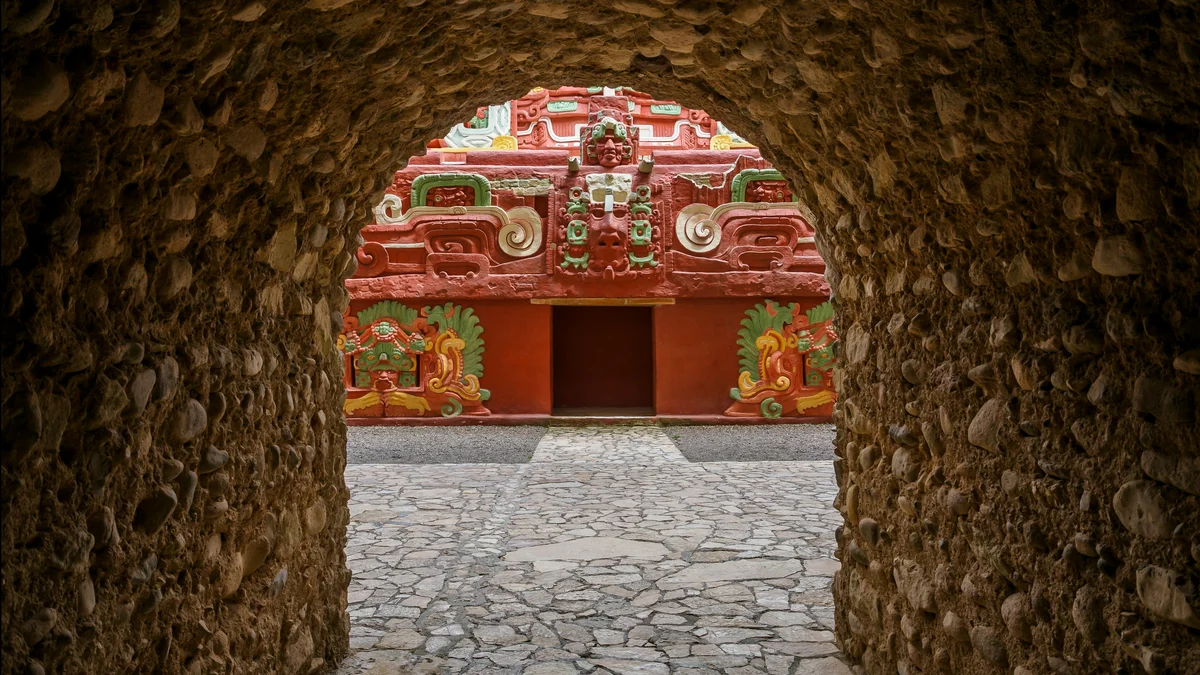
Tourism sources describe the Pulhapanzak Waterfall, a short distance from the lake, as a curtain of water of around 30 metres in height, with trails that lead behind the falls. The same sources mention Los Naranjos, a small pre-Hispanic archaeological site on the northern edge of the lake that is linked to Lenca culture. They disagree on how impressive the ruins are: one guide calls it a better eco-park than archaeological site, with a few mounds and stone piles dating from perhaps around 700 BC, a boardwalk across the wetlands and a suspension bridge.
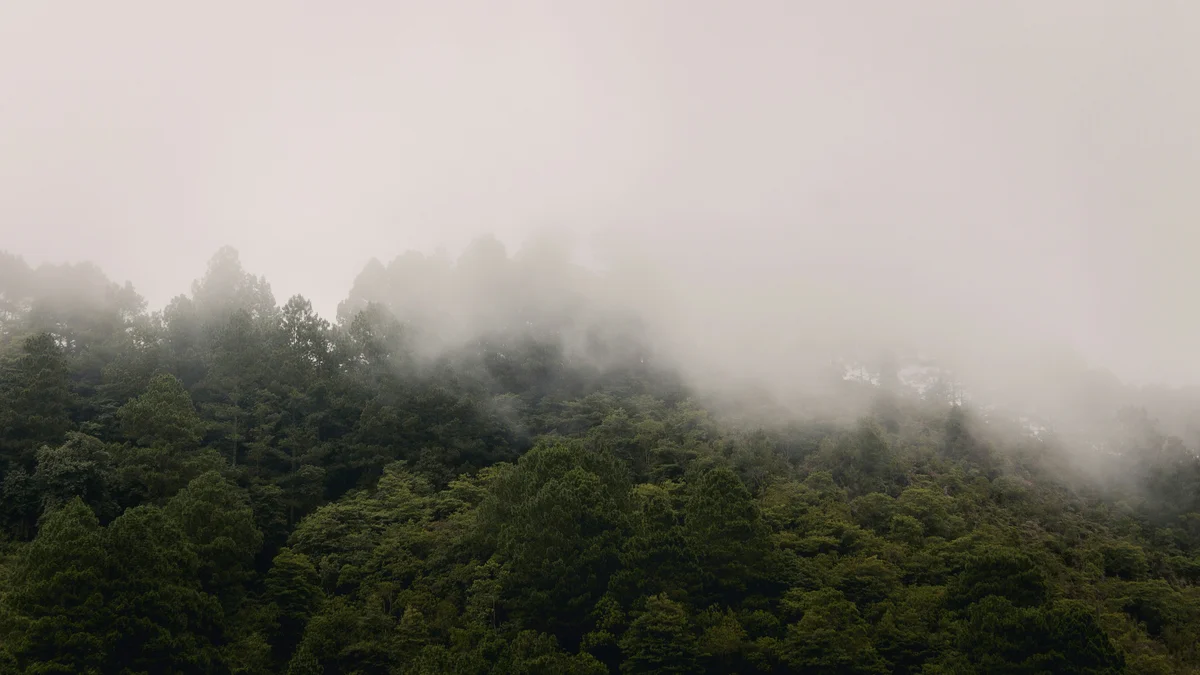
Santa Bárbara National Park, on the western side, is a cloud-forest area dominated by the peak of Santa Bárbara, said to be the second-highest in the country. These attractions make the lake a natural base for a day or two of nature, birding and coffee-farm visits.
Lake Yojoa lies on a main road between San Pedro Sula and Tegucigalpa, so it fits easily into a longer journey across Honduras. A private tour with a driver and guide allows stops at the lakeshore, a coffee farm and the waterfall in one day without having to arrange separate transport.
See every tour and attraction we cover in Honduras.