TorontoOntario · 36 tours
 Niagara FallsOntario · 25 tours
 New York CityNew York · 30 tours
 Las VegasNevada · 8 tours
 San FranciscoCalifornia · 16 tours
 VancouverBritish Columbia · 17 tours
 DubaiUAE · 54 tours
 Abu DhabiUAE · 5 tours
 Buenos AiresArgentina · 23 tours
 AthensGreece · 31 tours
 AucklandNew Zealand · 38 tours
 CancunMexico · 54 tours
No destinations match “”. Try searching all tours instead — that search understands full questions, not just place names.
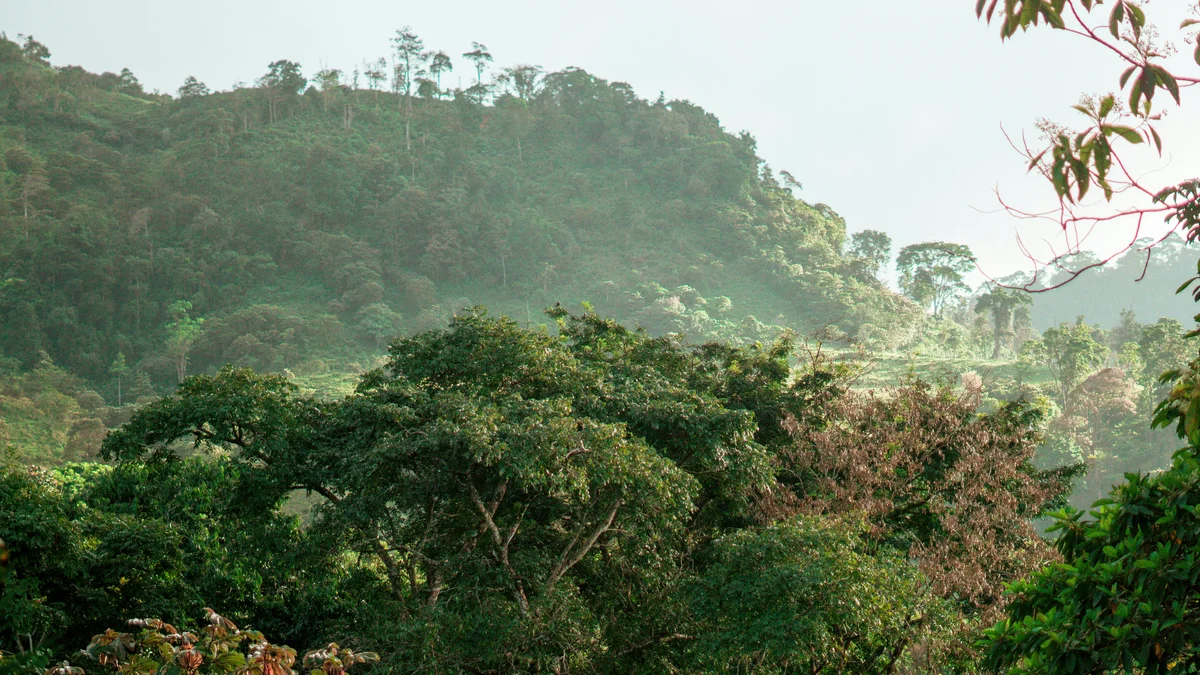
One of the largest tropical botanical gardens in the world, founded in the mid-1920s (sources give 1925 or 1926) near Tela on Honduras's Caribbean coast as an agricultural research station, now home to extensive collections of fruit trees, palms, bamboo, and native rainforest species.
Visitor guide
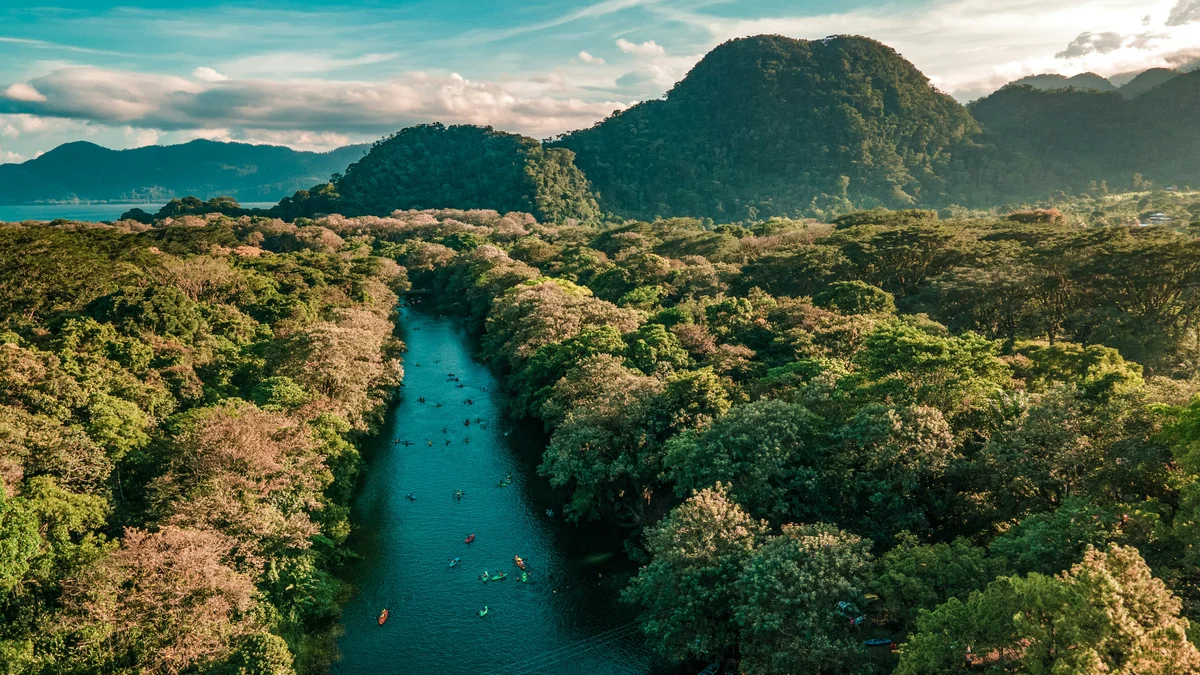
Lancetilla Botanical Garden is a botanical garden and research centre on the Caribbean side of northern Honduras, about 7 kilometres southeast of the town of Tela. Begun as an agricultural experiment station of the United Fruit Company, it grew into one of the largest collections of tropical plants in Latin America, with fruit trees, palms, bamboo, bananas and a large protected forest.
Most sources date the founding of the station to 1926, though a couple of references give 1925. Sources describe it as a research station set up by the United Fruit Company to study banana varieties and plantation diseases, and credit the horticulturist Wilson Popenoe as its first director. Popenoe also brought in plants and fruit trees from around the world, including the African oil palm, which later became a major crop in Honduras. The garden's arboretum is named in his honour.
The United Fruit Company continued the work for years, and Wikipedia notes that several administrative and research buildings still preserve the architectural style of the 1930s and 1940s from that period. A source cited in travel guides says the Honduran government took control in 1974. Today the garden operates as a department of the National University of Forest Sciences, UNACIFOR, and is listed in the Botanic Gardens Conservation International garden database. Its herbarium uses the international code LANCE.
According to Wikipedia, the garden covers about 1,681 hectares. Of this, around 1,261 hectares are a nature reserve of native forest in the Lancetilla River basin, about 350 hectares are experimental plantations and about 70 hectares form the arboretum. The forest reserve has been protected because it supplies water to the city of Tela.
Wikipedia reports more than 1,500 species in the arboretum, mainly tropical fruit and timber trees from around the world, while UNACIFOR lists 824 taxa across the garden's collections. The garden also keeps collections of palms, bamboo and orchids, and one of the richer and more varied collections of bananas anywhere. Its Asian fruit collection is described as including 636 species in 392 genera and 107 families, with trees such as mangosteen, lychee, rambutan, mango, nutmeg and cacao. Mahogany, teak and white teak plantings begun in the 1930s survive in part as seed trees.
Beyond the plant collections, Lancetilla is regarded in Honduras as a good place to see birds in a mix of cultivated gardens and rainforest. Tourism sources describe it as a major draw for birdwatchers, though this guide does not rely on a specific species count. The garden continues to function as a research and education site for forestry students, and some of its 200 hectares of plantations are used for study by the national forestry school.
Lancetilla lies a short drive inland from Tela's beaches and the Garifuna villages along the coast, so it combines easily with a coastal day. Visitors generally walk the arboretum paths and look at the fruit collections, with the old research buildings and a cafeteria on site. A private tour with a driver and local guide helps bring the botanical collections to life, since many of the trees are labelled by species and a guide can point out their uses.
See every tour and attraction we cover in Honduras.