TorontoOntario · 36 tours
 Niagara FallsOntario · 25 tours
 New York CityNew York · 30 tours
 Las VegasNevada · 8 tours
 San FranciscoCalifornia · 16 tours
 VancouverBritish Columbia · 17 tours
 DubaiUAE · 54 tours
 Abu DhabiUAE · 5 tours
 Buenos AiresArgentina · 23 tours
 AthensGreece · 31 tours
 AucklandNew Zealand · 38 tours
 CancunMexico · 54 tours
No destinations match “”. Try searching all tours instead — that search understands full questions, not just place names.
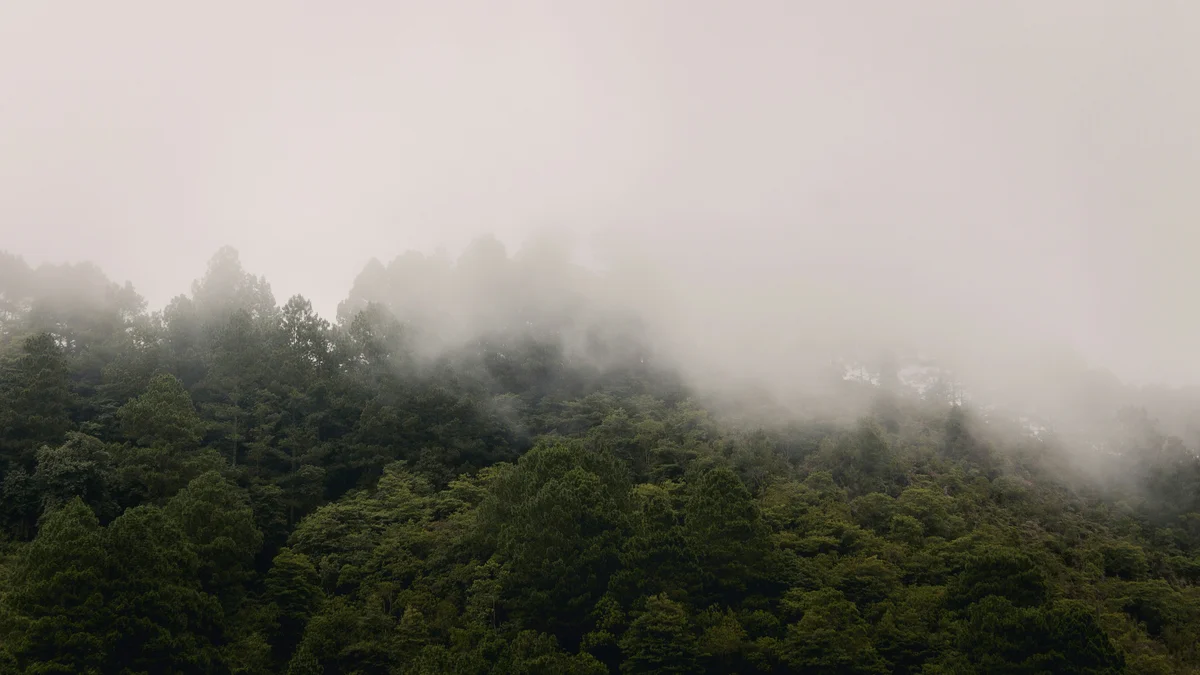
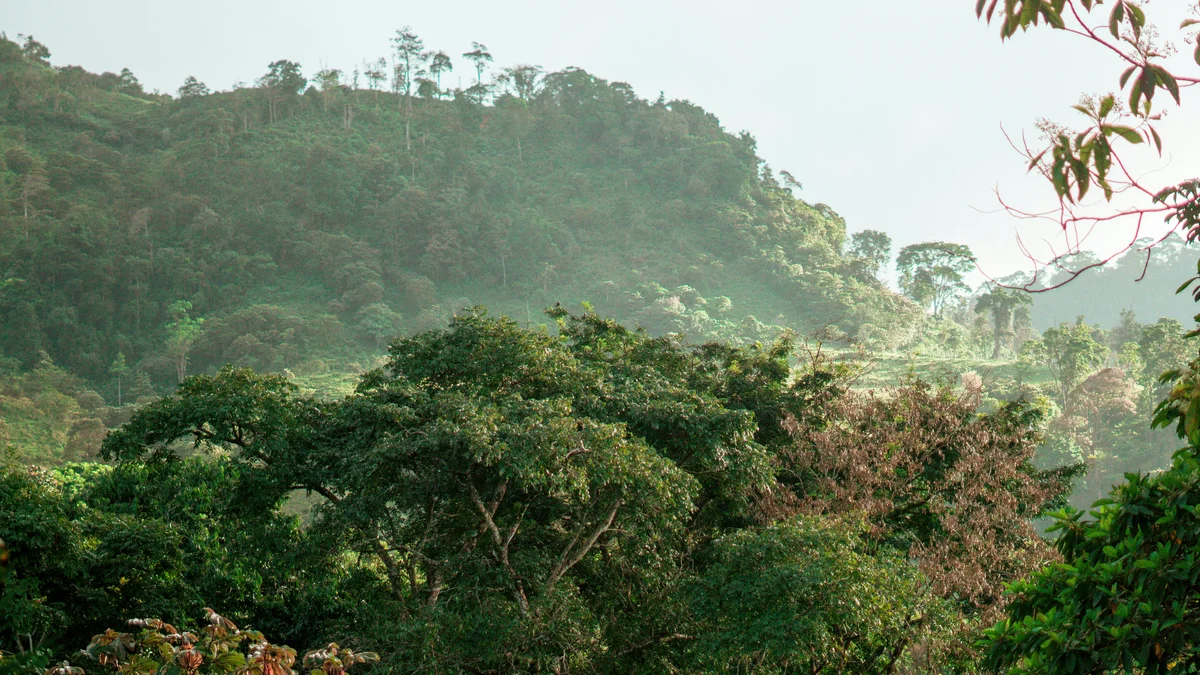
A cloud-forested national park rising sharply above Honduras's north coast near La Ceiba, protecting one of the country's richest concentrations of birdlife and wildlife, with rivers, waterfalls, and hiking trails threading up its steep, forested slopes.
Visitor guide
Pico Bonito National Park is a protected area in northern Honduras, in the Cordillera Nombre de Dios mountains near the coastal city of La Ceiba. It protects steep forested slopes that climb from near sea level to well over 2,000 metres, and is known for birdwatching, river rafting, hiking and wildlife.
Pico Bonito, whose name means Beautiful Peak, is the mountain that gives the park its name and forms a backdrop to La Ceiba. Wikipedia gives the park's altitude as ranging from about 60 to 2,480 metres, while other pages give a slightly lower figure for the peak, around 2,435 metres. The park is part of the Mesoamerican Biological Corridor. Wikipedia gives its area as 564 square kilometres in one article and about 1,073 square kilometres including its buffer zone in another, and travel sources describe it as one of the largest national parks in Honduras.
The park was declared in 1987; sources differ on the exact date, with 1 January and 5 August both reported. Management is the responsibility of the Pico Bonito National Park Foundation, FUPNAPIB, a non-profit organisation formed in 1993 by law, which co-manages the area with the state forest administration. Tourism sources say scholars first proposed protecting the area in the 1970s. The foundation runs programmes in forest protection, environmental education and community projects, and in 2005, with partners, started a carbon-capture project that trains local people in reforestation.
Because the terrain rises so sharply, the park includes several ecosystems, from lowland forest at the base to cloud forest at higher elevations. Tourism sources say the cloud forest begins at about 1,200 metres and that the park also protects patches of lowland dry forest, which are scarce in Honduras. Descriptions of the park mention jaguars, ocelots, pumas, tapirs, howler and spider monkeys and armadillos. Wikipedia states that the park is thought to support a jaguar population of 20 to 50 animals, and that figure should be treated as an estimate.
Bird counts differ between sources, with tourism guides giving anywhere from about 275 to over 400 species. Commonly named birds include the keel-billed toucan, motmots and, at higher elevations, the resplendent quetzal. Many plant species are said to remain scientifically undescribed.
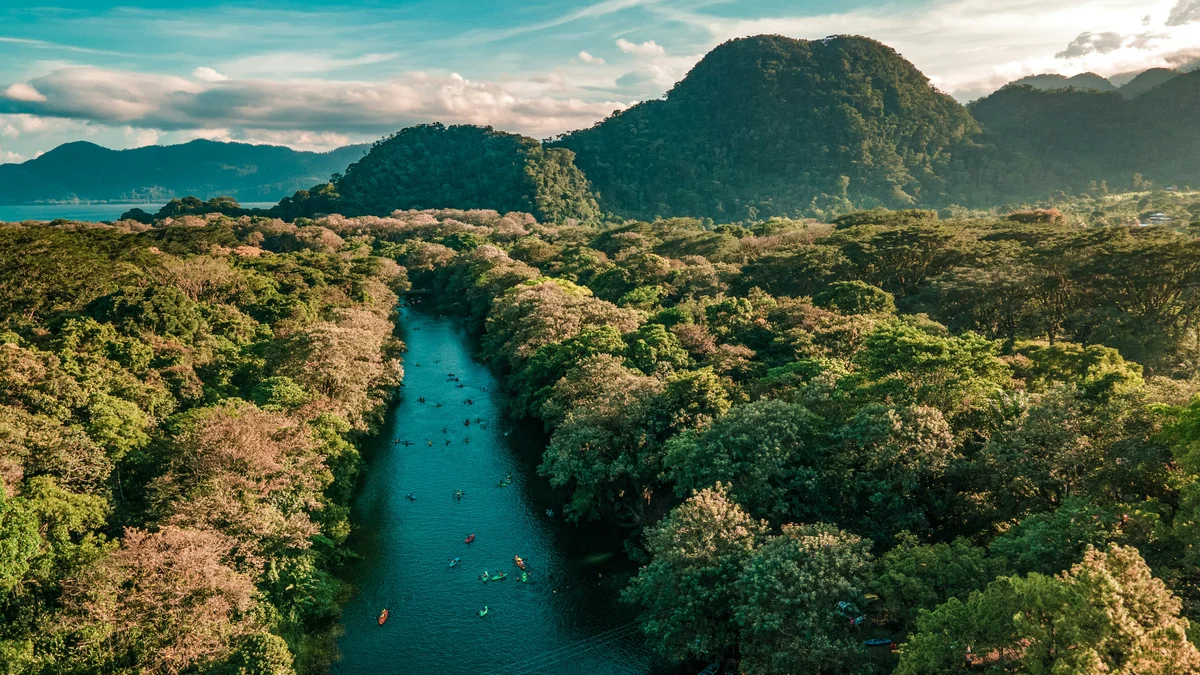
The Cangrejal River marks the eastern edge of the park and is known for white-water rafting, with rapids that Wikipedia's La Ceiba article lists as Class III and IV. Eco-lodges have grown up along the river road. Within the park, trails lead through the forest to rivers, waterfalls and swimming spots. Wikipedia says the area is very popular for birdwatching, rafting, kayaking and hiking, with local operators providing transport, tours and lodging.
Pico Bonito is a short drive from La Ceiba, which is also the gateway for ferries to the Bay Islands. The forest is wet and warm, so a walk on a trail or a river visit is best planned around the weather. A private tour with a local guide and driver makes sense here, since guides can find birds and wildlife that are easy to miss and explain how the park's ecosystems change with altitude.
See every tour and attraction we cover in Honduras.