TorontoOntario · 36 tours
 Niagara FallsOntario · 25 tours
 New York CityNew York · 30 tours
 Las VegasNevada · 8 tours
 San FranciscoCalifornia · 16 tours
 VancouverBritish Columbia · 17 tours
 DubaiUAE · 54 tours
 Abu DhabiUAE · 5 tours
 Buenos AiresArgentina · 23 tours
 AthensGreece · 31 tours
 AucklandNew Zealand · 38 tours
 CancunMexico · 54 tours
No destinations match “”. Try searching all tours instead — that search understands full questions, not just place names.
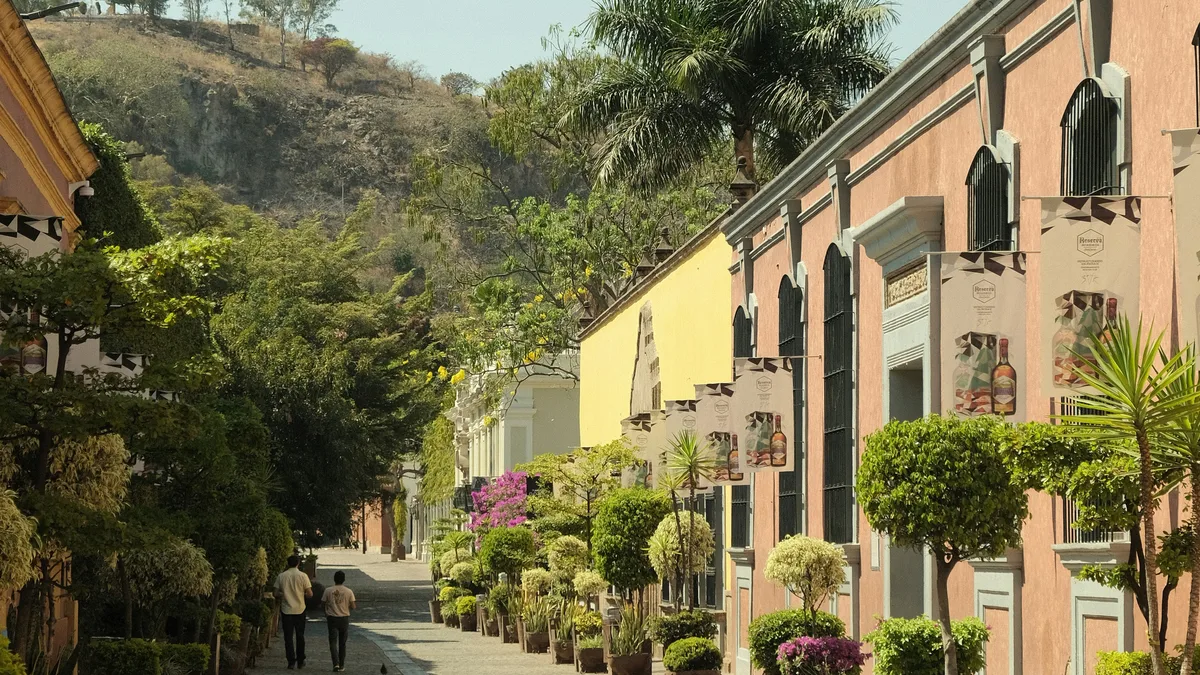
The Pueblo Mágico that gives the world's best-known Mexican spirit its name, surrounded by the blue agave fields recognized as a UNESCO World Heritage cultural landscape. Family-run and industrial distilleries alike open their doors here for tours and tastings, from small artisan producers to the region's largest historic factories.
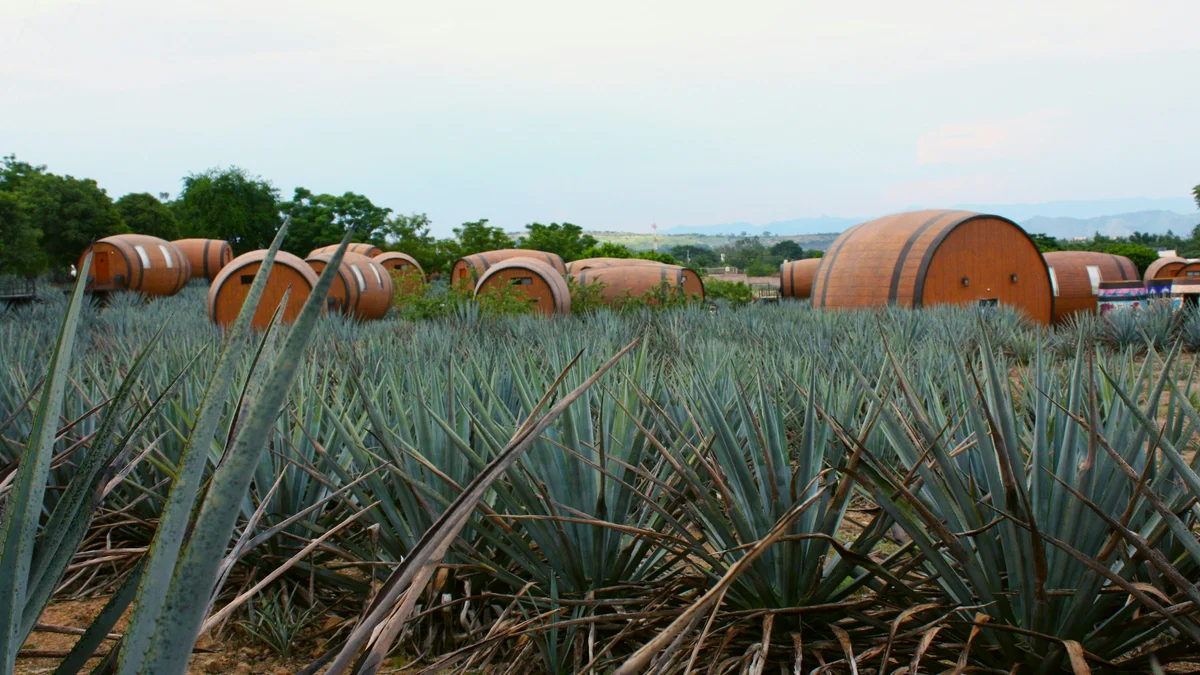 Private Tours Popular Pick
A private 6-7 hour day trip to the Pueblo Mágico of Tequila, touring La Fortaleza's traditional 'Los Abuelos' or 'Bisabuelo' distillery experience plus a stop at the small-batch Tequila Selecto factory.
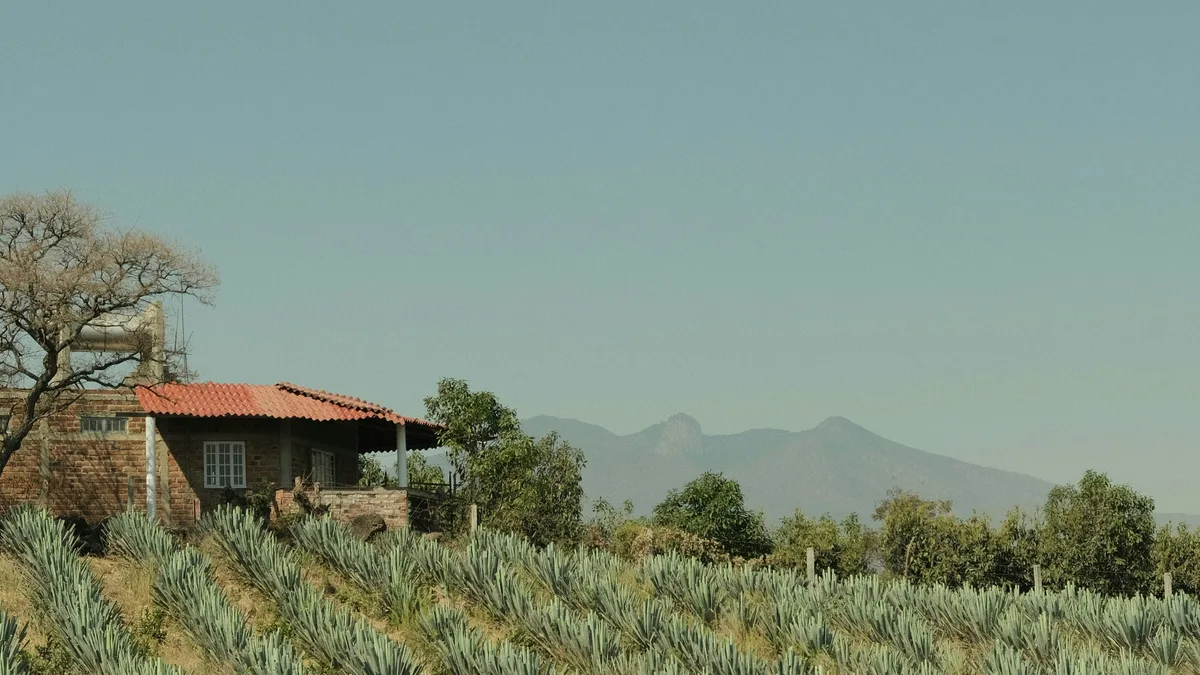 Private Tours
A private 5-6 hour tour of the Cascahuín Distillery, a real family-run producer, followed by a stop at Tequila Selecto, a small artisan factory, plus the Extreme Swing viewpoint over the agave fields.
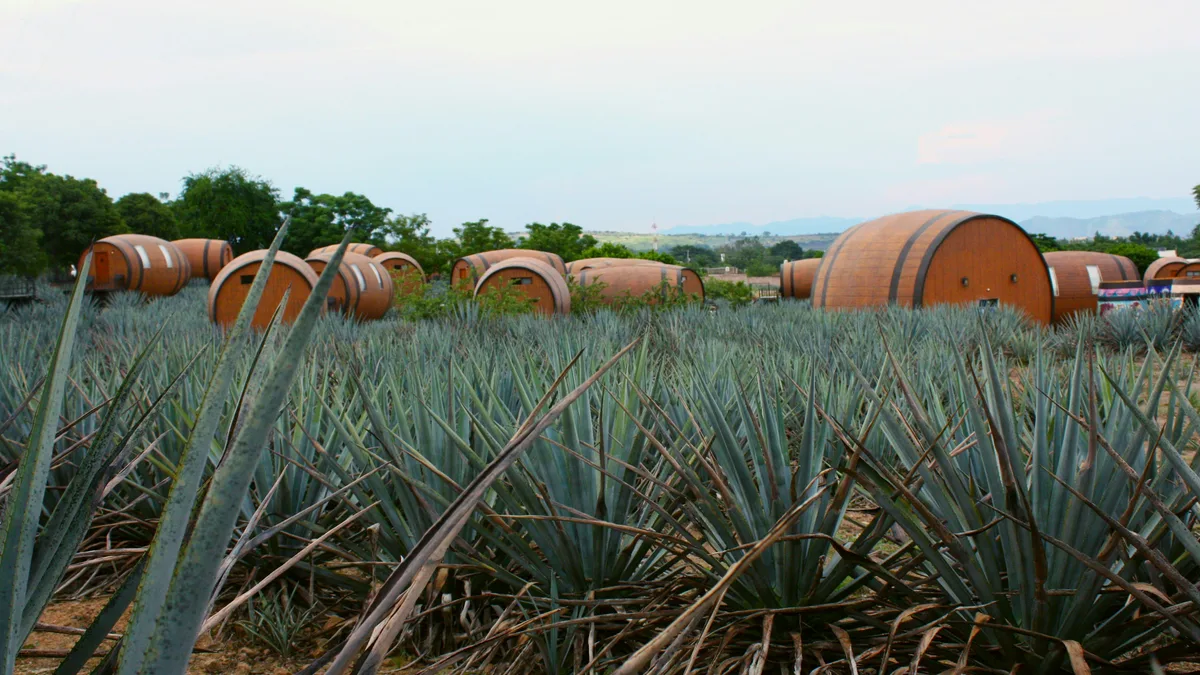 Private Tours
A private 6-7 hour tour of the historic El Llano Distillery, home of Tequila Arette and 125 years of production tradition, with a guided tasting and a stop at Tequila Selecto.
 Private Tours
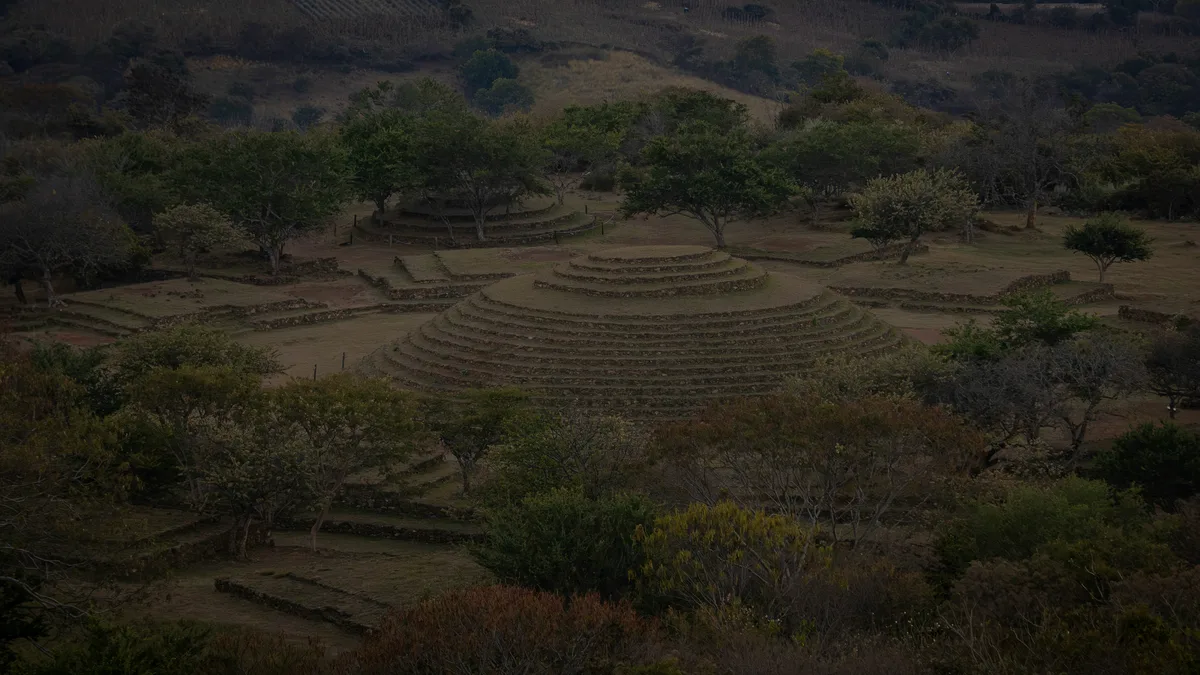
A private 8-9 hour day combining the pre-Columbian circular pyramids of Guachimontones with a visit to an artisanal tequila distillery in the town of Tequila.
Visitor guide
Tequila, officially Santiago de Tequila, is a town and municipality in Jalisco, Mexico, about 60 kilometres from Guadalajara. It gives its name to the spirit made from blue agave, and the surrounding blue agave fields and old distilleries form the UNESCO World Heritage Site known as the Agave Landscape and Ancient Industrial Facilities of Tequila.
According to Wikipedia, the region was inhabited long before the Spanish arrived, with the Teuchitlan tradition and the Guachimontones complexes among its cultures, and the name comes from Nahuatl, glossed as roughly place of tribute. Franciscan friars founded the present village in 1530. The main pre-Hispanic settlement was Teochtinchan rather than the modern town.
Indigenous peoples already made a fermented drink from agave, and the Spanish introduced distillation. In 1600 Pedro Sanchez de Tagle launched a large-scale distilling operation and promoted wider cultivation of agave. In 1873 the regional product was officially named tequila to distinguish it from mezcal made further south, and the name has been legally protected since 1974.
Wikipedia lists several historic distilleries, among them La Rojena (1795), La Constancia (1823), La Perseverancia, now Tequila Sauza (1873), and La Mexicana, now Tequila Orendain (1879). Many distilleries occupy haciendas dating to the 18th century, built of brick and adobe and decorated in Neoclassical or Baroque styles. The Quinta Sauza, built in the 1830s, is noted for its elaborate stone fountains.
UNESCO inscribed the Agave Landscape and Ancient Industrial Facilities of Tequila in 2006 (reference 1209) under criteria ii, iv, v and vi. The site covers about 34,658 hectares, according to UNESCO's 2006 inscription announcement, and includes living, working blue agave fields, the urban settlements of Tequila, Magdalena, El Arenal and Amatitan, and working distilleries.
Blue agave has been cultivated for tequila production since the 16th century, and agave itself has been used for at least two thousand years for fermented drinks such as pulque and for cloth. UNESCO also notes pre-Hispanic heritage in the area, with the Teuchitlan tradition (about AD 200 to 900) shaping the land through terraces, housing, temples, ceremonial mounds and ball courts.
Tequila was named a Pueblo Magico in 2003. The National Museum of Tequila opened in 2000 and is described by Wikipedia as the first museum dedicated to the drink. The annual National Festival of Tequila is held from late November to mid-December. A tourist train, the Tequila Express, has carried visitors from Guadalajara on weekends since 1997.
Behind the town rises the inactive Tequila Volcano, the highest peak in the municipality, which Wikipedia says has not erupted in over 220,000 years.
The region is easy to reach from Guadalajara, and a private guided day with a driver suits it well, letting a guide explain how agave is grown and the history of the distilleries.
See every tour and attraction we cover in Guadalajara.