TorontoOntario · 36 tours
 Niagara FallsOntario · 25 tours
 New York CityNew York · 30 tours
 Las VegasNevada · 8 tours
 San FranciscoCalifornia · 16 tours
 VancouverBritish Columbia · 17 tours
 DubaiUAE · 54 tours
 Abu DhabiUAE · 5 tours
 Buenos AiresArgentina · 23 tours
 AthensGreece · 31 tours
 AucklandNew Zealand · 38 tours
 CancunMexico · 54 tours
No destinations match “”. Try searching all tours instead — that search understands full questions, not just place names.
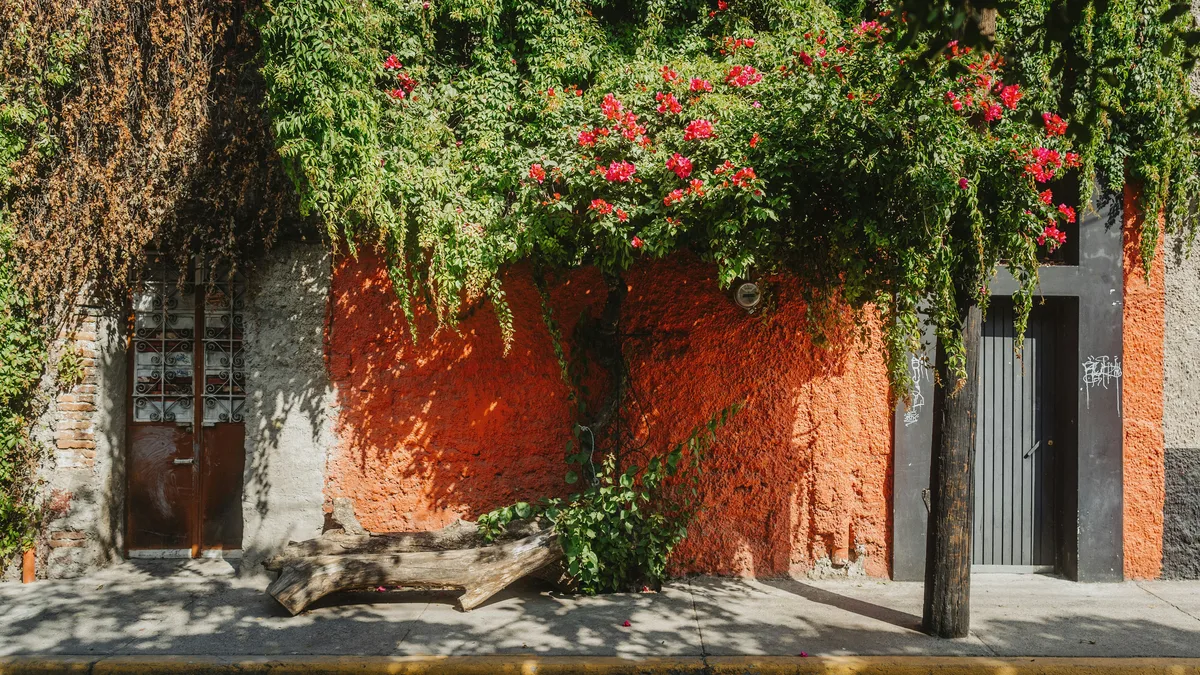
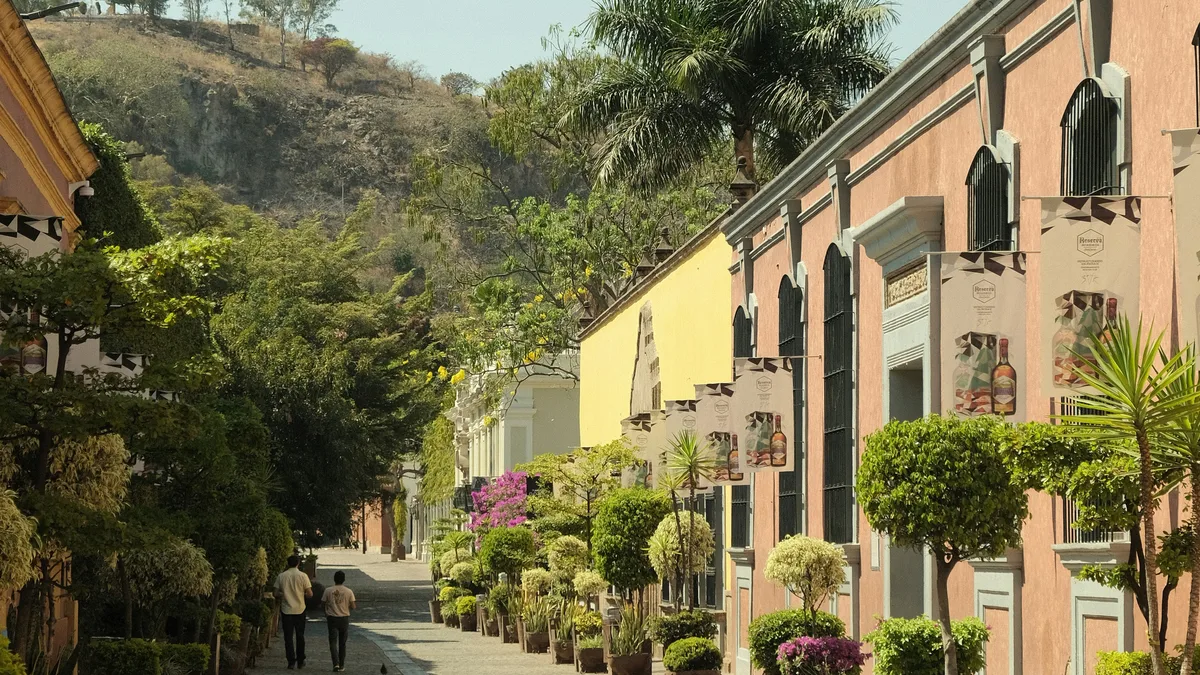
A designated Pueblo Mágico now absorbed into greater Guadalajara, San Pedro Tlaquepaque's colonial mansions have been converted into art galleries, ceramics workshops, and craft boutiques. Its pedestrian streets and El Parián plaza make it one of the region's best places to see Jalisco's blown glass, pottery, and leatherwork traditions firsthand.
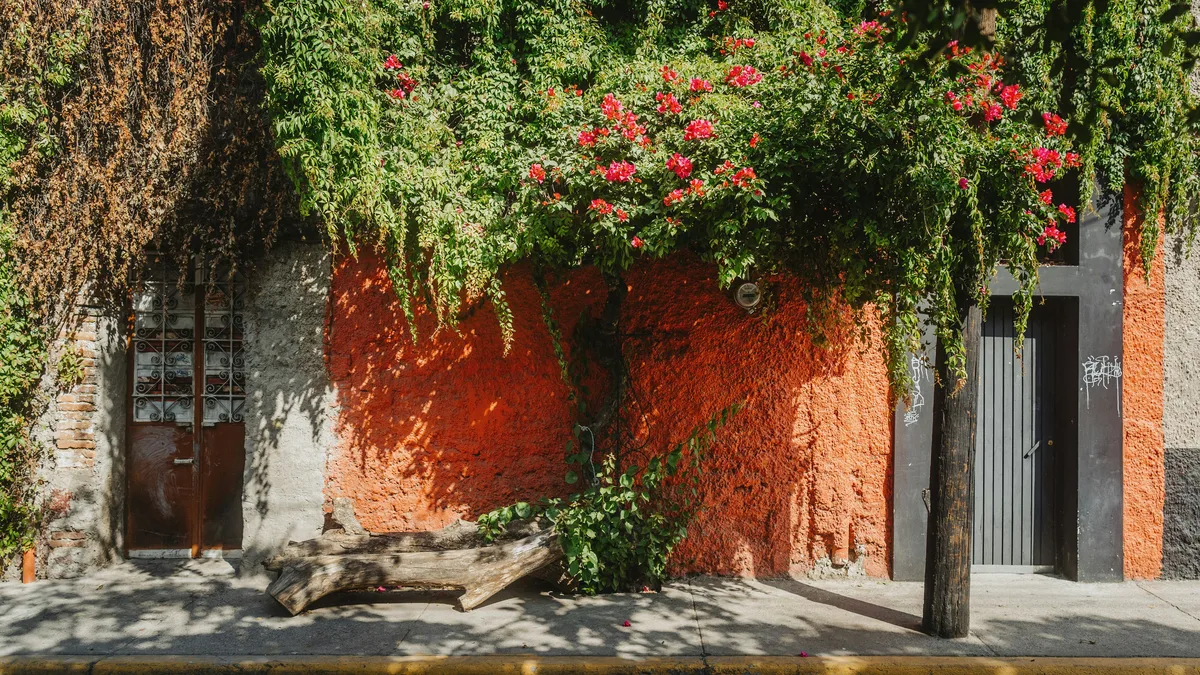 Private Tours Popular Pick
A private 6-7 hour tour starting at a family-run ceramic workshop in Tonalá that has practiced the barro petatillo technique for five generations, continuing to Tlaquepaque's historic galleries and artisan shops.
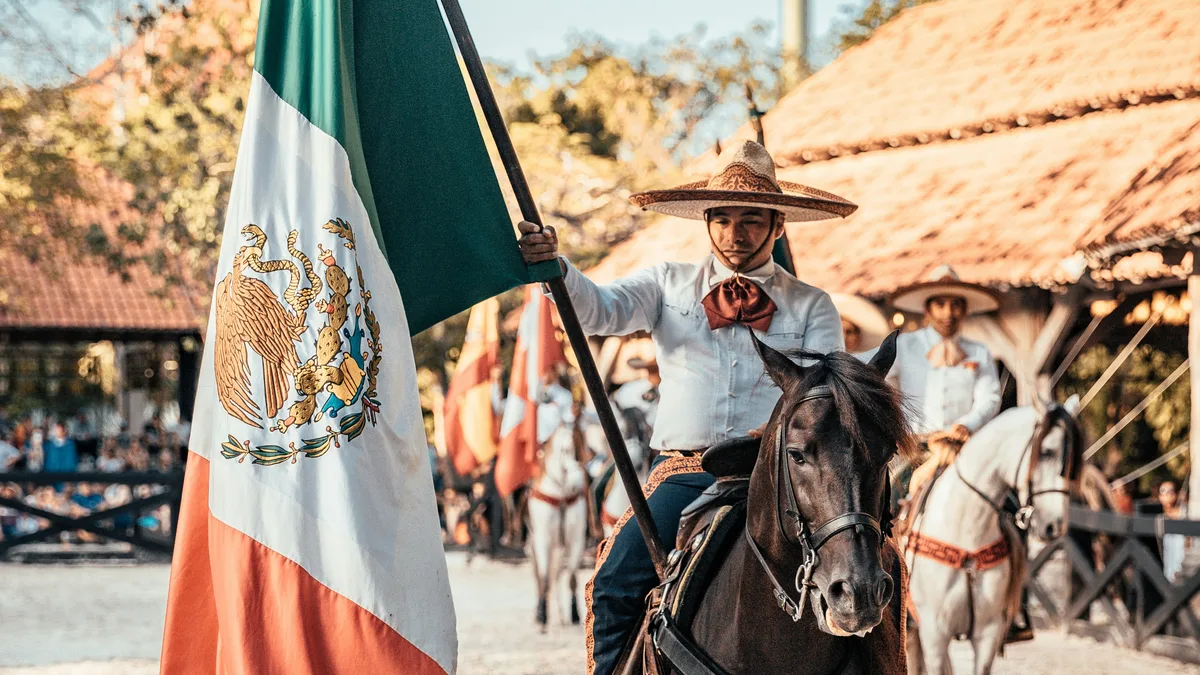 Private Tours
A fully private, flexible 5-10 hour day reaching Rancho Los 3 Potrillos (the ranch of ranchera music icon Vicente Fernández), Lake Chapala, Tlaquepaque, and a Tonalá museum visit.
Visitor guide
San Pedro Tlaquepaque, usually called Tlaquepaque, is a city and municipality in Jalisco, Mexico, that has been absorbed into the Guadalajara metropolitan area and lies only a few kilometres from the city centre. It is known for pottery, blown glass and other crafts, and was designated a Pueblo Magico in 2018.
The name comes from Nahuatl and is commonly translated as place above clay land, with other proposed meanings including place of mud or a reference to clay workers. Before the Spanish arrived, the area belonged to a kingdom centred on Tonalá, ruled, according to Wikipedia, by a woman named Cihualpilli Tzapotzinco. Nuño de Guzmán's expedition claimed the kingdom in March 1530.
The town was renamed San Pedro Tlaquepaque in 1548 and by 1621 was a Franciscan doctrine. Miguel Hidalgo passed through on 26 November 1810 on his march toward Guadalajara, and the independence of Jalisco was proclaimed here in 1821 by Brigadier Pedro Celestino Negrete. The town received the status of villa in 1843.
Tlaquepaque is known for pottery, textiles and blown glass, as well as papier-mache, brass, leather, wood and yarn work. It is also associated with mariachi music and with tepache, a fermented pineapple drink. Many of the early 20th-century houses called casonas and colonial buildings along its streets now hold shops and galleries.
The Pueblo Magico title, awarded in 2018, recognises the town's cultural and craft heritage. A state decree in 1917 had removed saints' names from public places, so the San Pedro element fell out of everyday use; the Jalisco congress restored the full name in 2011 after a local consultation in 2010.
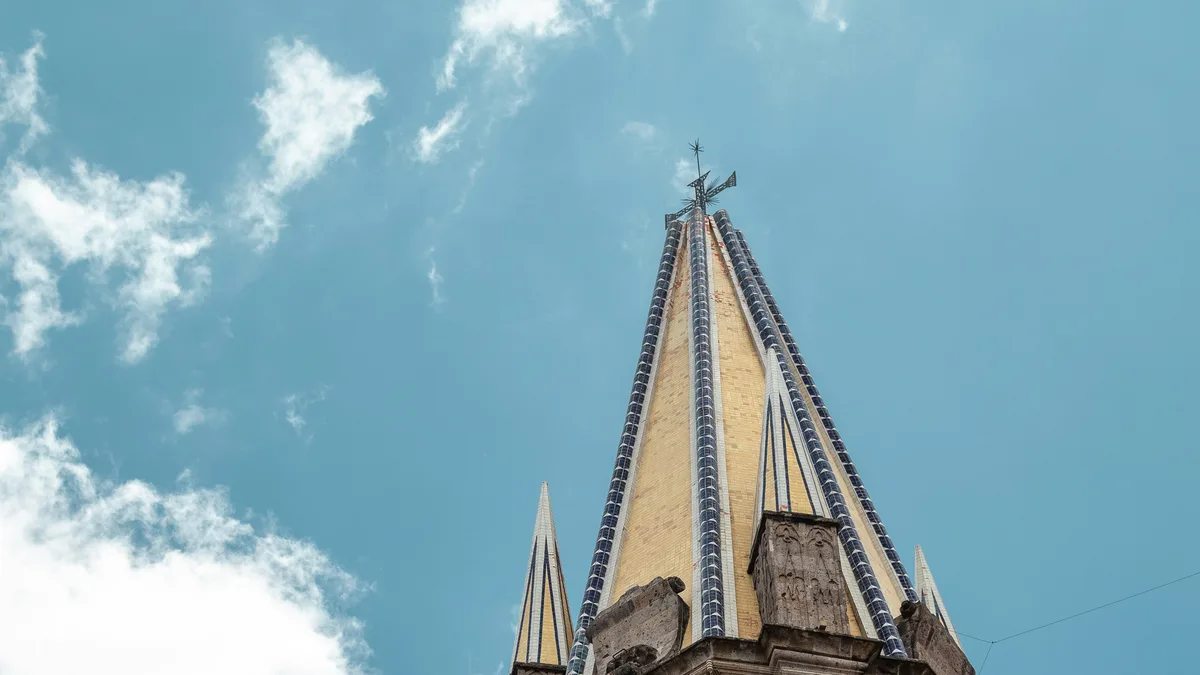
The main square, Jardin Hidalgo, is named for its large statue of Miguel Hidalgo and sits between the Santuario de Nuestra Señora de la Soledad and the Parroquia de San Pedro Apostol. The parish church was built by the Franciscans and given parish status in 1845, and Wikipedia describes its architecture as a mix of Byzantine, Baroque and Roman elements.
El Parian is a large plaza with columned arcades that serves as a gathering place for families and celebrations and holds around 18 restaurants and bars. The Andador Independencia is a pedestrian walkway with art galleries, artisan shops, restaurants and the Regional Ceramics Museum, which has eight exhibition halls with work from Jalisco and elsewhere in Mexico.
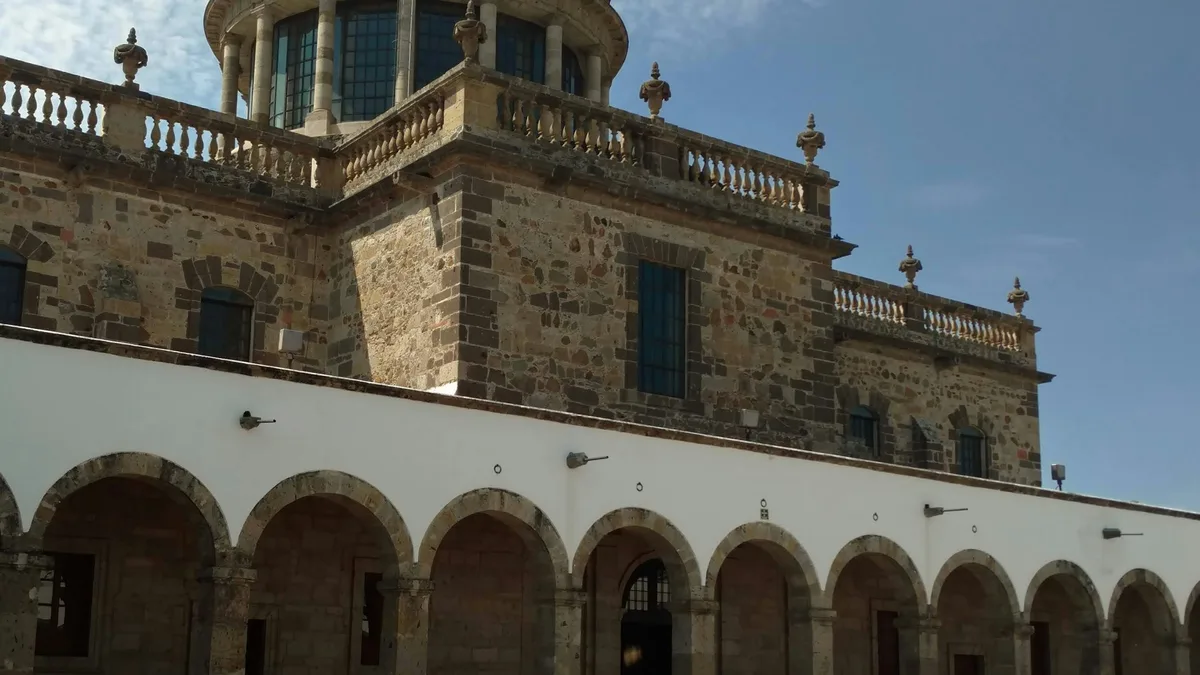
El Refugio was commissioned in 1859 by Fray Luis Argüello Bernal as a hospital and spiritual retreat house. It closed in 1979, was acquired by the municipality in 1983 and renovated in 1984 as a cultural centre, keeping its original architecture. It now hosts exhibitions and events, along with an art school and a craft school.
Within El Refugio is the Museo Premio Nacional de Ceramica Pantaleon Panduro, which displays winning pieces from Mexico's National Prize for Ceramics.
Tlaquepaque borders Guadalajara on its south side and the two are closely linked. The town is a natural stop on a private guided tour of the region, where a guide can explain the craft traditions and point out the galleries and workshops.
See every tour and attraction we cover in Guadalajara.