TorontoOntario · 36 tours
 Niagara FallsOntario · 25 tours
 New York CityNew York · 30 tours
 Las VegasNevada · 8 tours
 San FranciscoCalifornia · 16 tours
 VancouverBritish Columbia · 17 tours
 DubaiUAE · 54 tours
 Abu DhabiUAE · 5 tours
 Buenos AiresArgentina · 23 tours
 AthensGreece · 31 tours
 AucklandNew Zealand · 38 tours
 CancunMexico · 54 tours
No destinations match “”. Try searching all tours instead — that search understands full questions, not just place names.
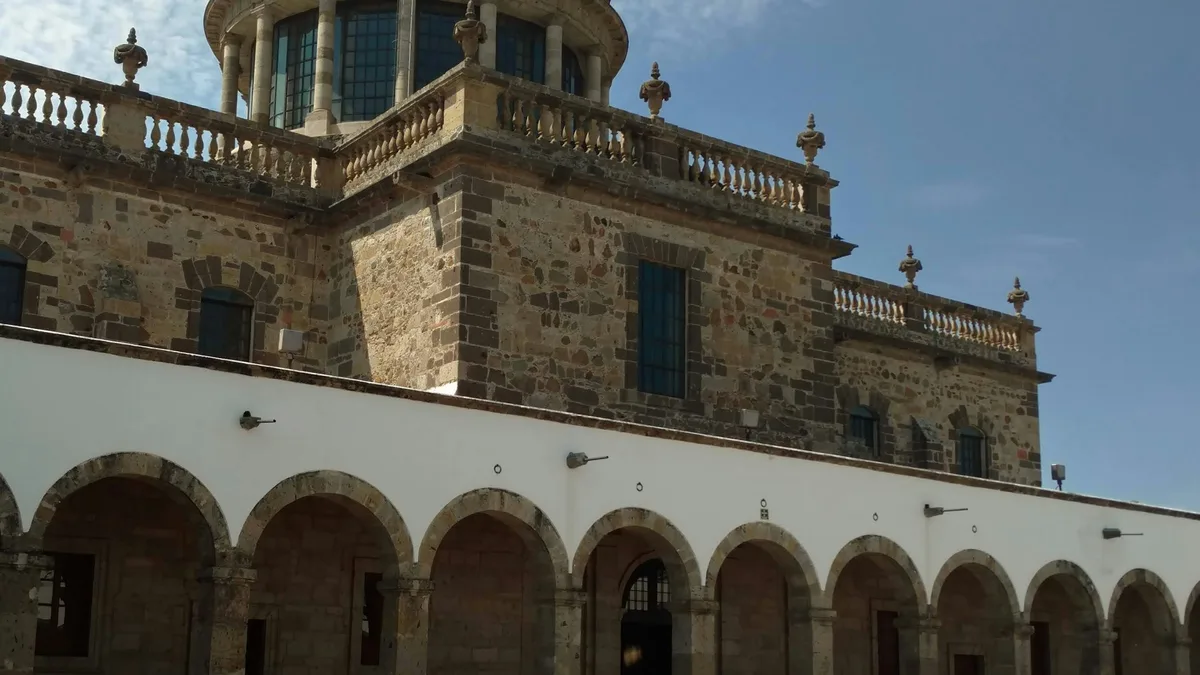
A UNESCO World Heritage Site since 1997, this early 19th-century former orphanage and hospice is now the Instituto Cultural Cabañas, famed for the murals painted by Mexican muralist José Clemente Orozco inside its central chapel, including his monumental "Man of Fire."
 Private Tours
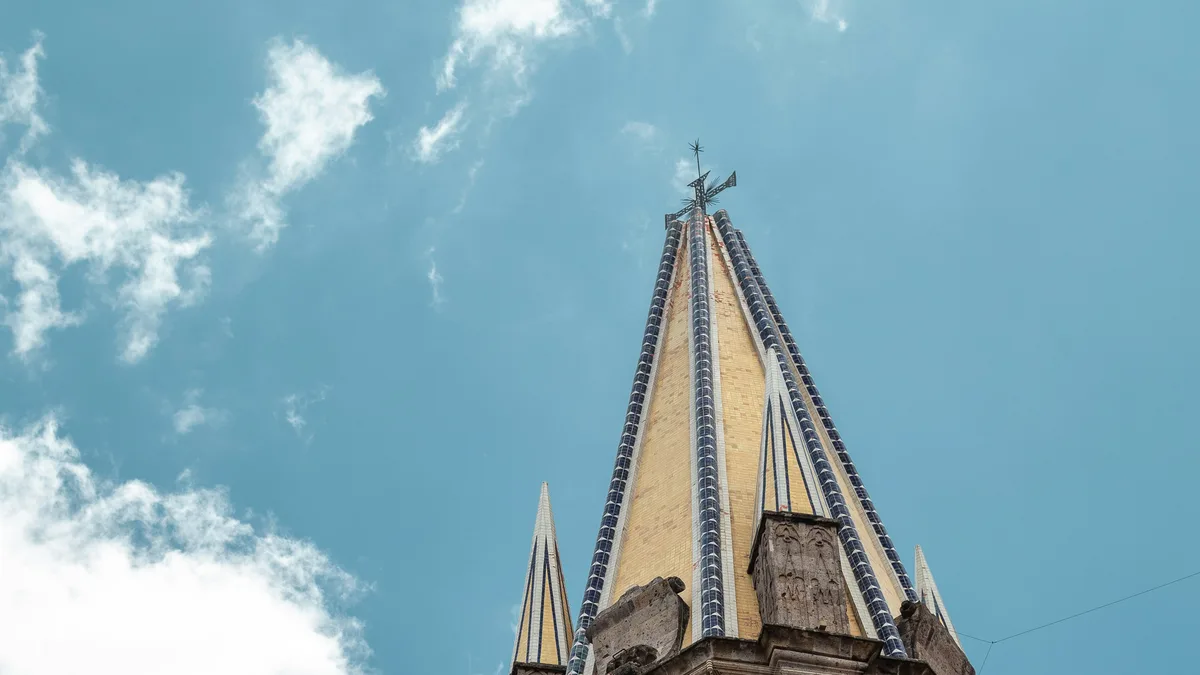
A private, 3-4 hour walk through Guadalajara's historic core with a local guide holding a degree in tourism and local economic development, covering more than ten of the city's fundamental landmarks.
 Private Tours
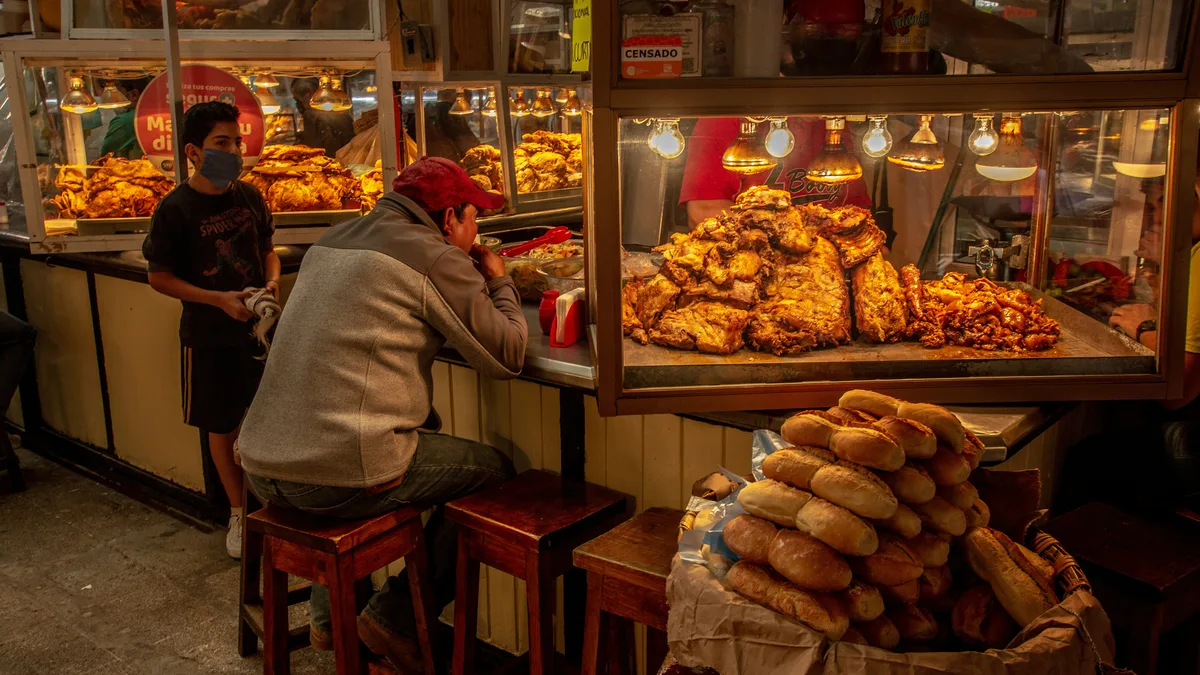
An 8-hour private tour led by a certified local host through the Cabañas Museum and the historic Nueve Esquinas (Nine Corners) district, with a curated tasting of birria, tortas ahogadas, and more.
Visitor guide
The Hospicio Cabanas, also known as the Cabanas Museum or Instituto Cultural Cabanas, is a former orphanage, hospital and almshouse in Guadalajara, Jalisco, Mexico. Inscribed as a UNESCO World Heritage Site in 1997, it is best known for the murals painted by Jose Clemente Orozco in its chapel.
The complex is named after Juan Ruiz de Cabanas, appointed Bishop of Guadalajara in 1796, who wanted a single institution combining the functions of a workhouse, hospital, orphanage and almshouse. Wikipedia gives construction dates of roughly 1796 to 1810 in its infobox, while the text notes that work continued after the bishop died in 1823 and ran until about 1829.
Cabanas engaged Manuel Tolsa, a noted architect from Mexico City, to design the building. Tolsa drew on classical models, including Les Invalides in Paris and El Escorial near Madrid. For a time in the mid-19th century the complex served as barracks, and it continued operating as a hospital well into the 20th century. The hospital closed in 1980, when the Instituto Cultural Cabanas moved in.
The buildings form a rectangle of about 164 by 145 metres. Most are a single storey, around 7.5 metres high, a deliberate choice meant to make movement easier for the sick, the elderly and children. The chapel is about twice the height of the other buildings, and its dome rises to roughly 32.5 metres.
The complex is organised around a large number of courtyards, 23 according to Wikipedia. In 2014 the French conceptual artist Daniel Buren created site-specific works in 18 of them, using cloister columns wrapped in geometric patterns, brightly coloured vaults and mirrored structures. Outside the building stand sculptures by Alejandro Colunga, titled La sala de los magos and Los magos universales.
The main hall and chapel contain a series of large frescoes by Jose Clemente Orozco, painted in the 20th century and regarded by Wikipedia as his magnum opus. The best known is the allegory The Man of Fire, painted between 1936 and 1939 on the chapel dome, which shows a figure engulfed in flames and surrounded by other bodies.
Orozco was one of the leading figures of Mexican muralism alongside Diego Rivera and David Alfaro Siqueiros, and the Guadalajara cycle is widely seen as a high point of his work. The murals deal with themes of conquest, religion and the human condition in dramatic, expressive imagery.
UNESCO inscribed the Hospicio Cabanas in 1997 at the 21st session of the World Heritage Committee, under reference number 815, as a cultural site meeting criteria i, ii, iii and iv. It sits at the eastern end of a long pedestrian axis in Guadalajara's historic centre.
Today the building operates as a cultural institute and museum, with exhibition spaces and arts and crafts schools. A private guided visit with a driver is a comfortable way to include it, with a guide to explain the murals and the building's history.
See every tour and attraction we cover in Guadalajara.