TorontoOntario · 36 tours
 Niagara FallsOntario · 25 tours
 New York CityNew York · 30 tours
 Las VegasNevada · 8 tours
 San FranciscoCalifornia · 16 tours
 VancouverBritish Columbia · 17 tours
 DubaiUAE · 54 tours
 Abu DhabiUAE · 5 tours
 Buenos AiresArgentina · 23 tours
 AthensGreece · 31 tours
 AucklandNew Zealand · 38 tours
 CancunMexico · 54 tours
No destinations match “”. Try searching all tours instead — that search understands full questions, not just place names.
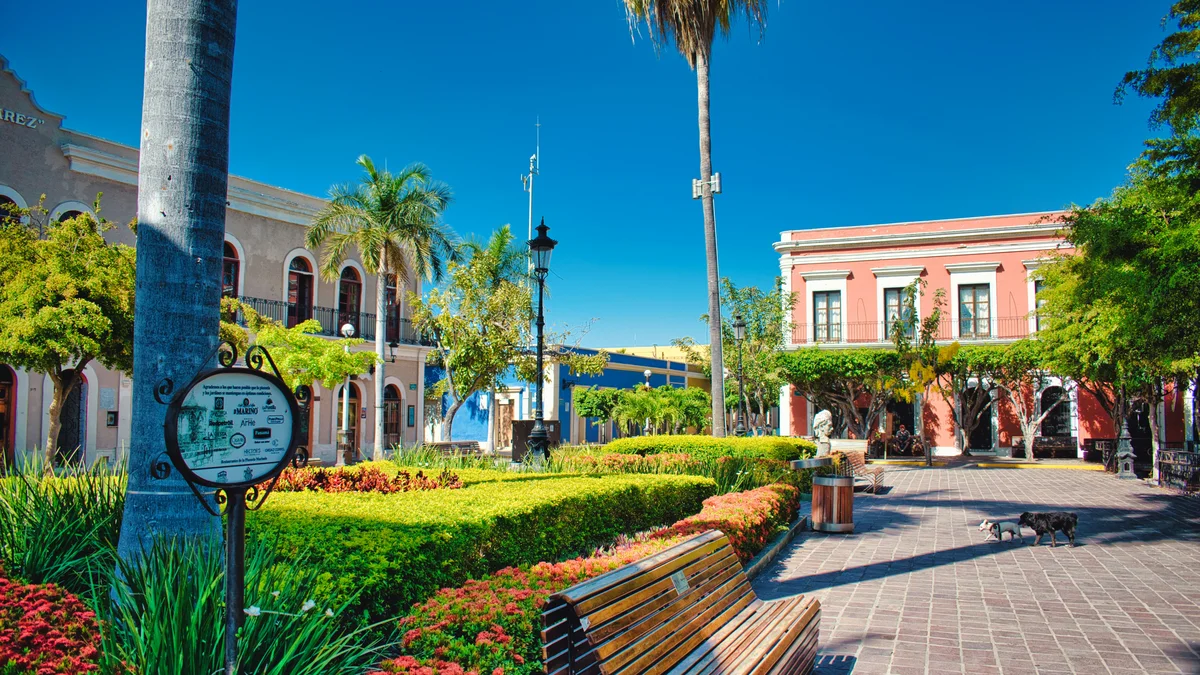
The atmospheric heart of Mazatlán's Centro Histórico, named for the 19th-century businessman Juan Nepomuceno Machado and lined with restored 19th-century buildings, open-air restaurants, and the restored 1874 Teatro Ángela Peralta.
 Private Tours
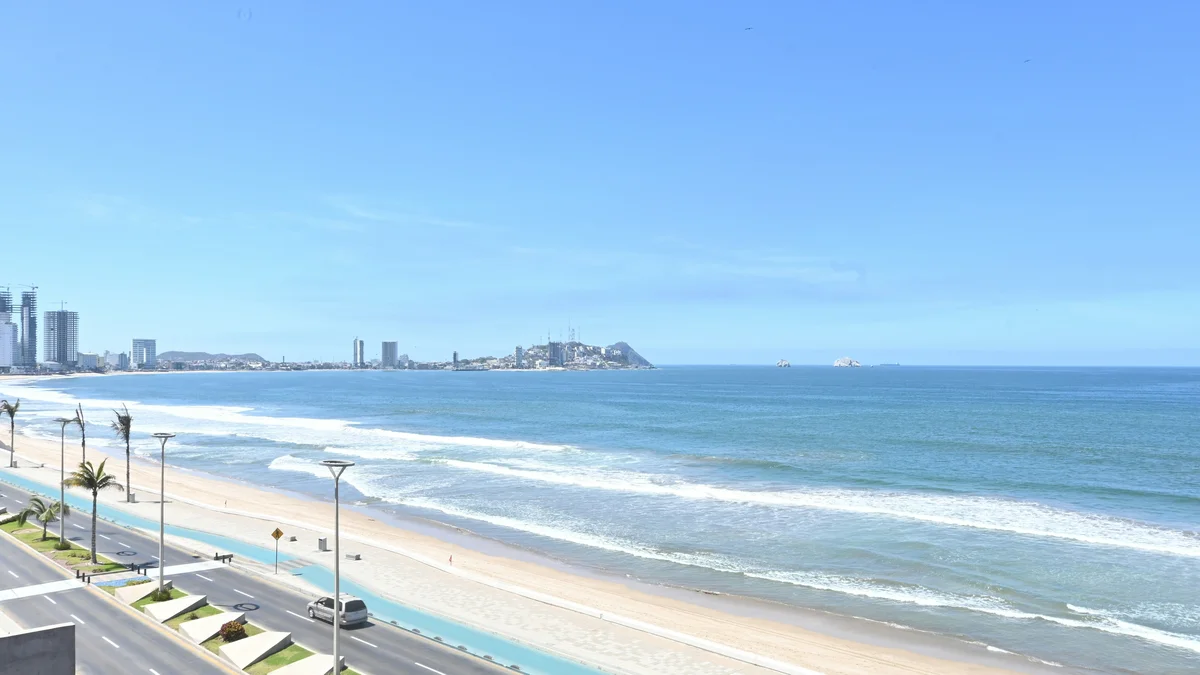
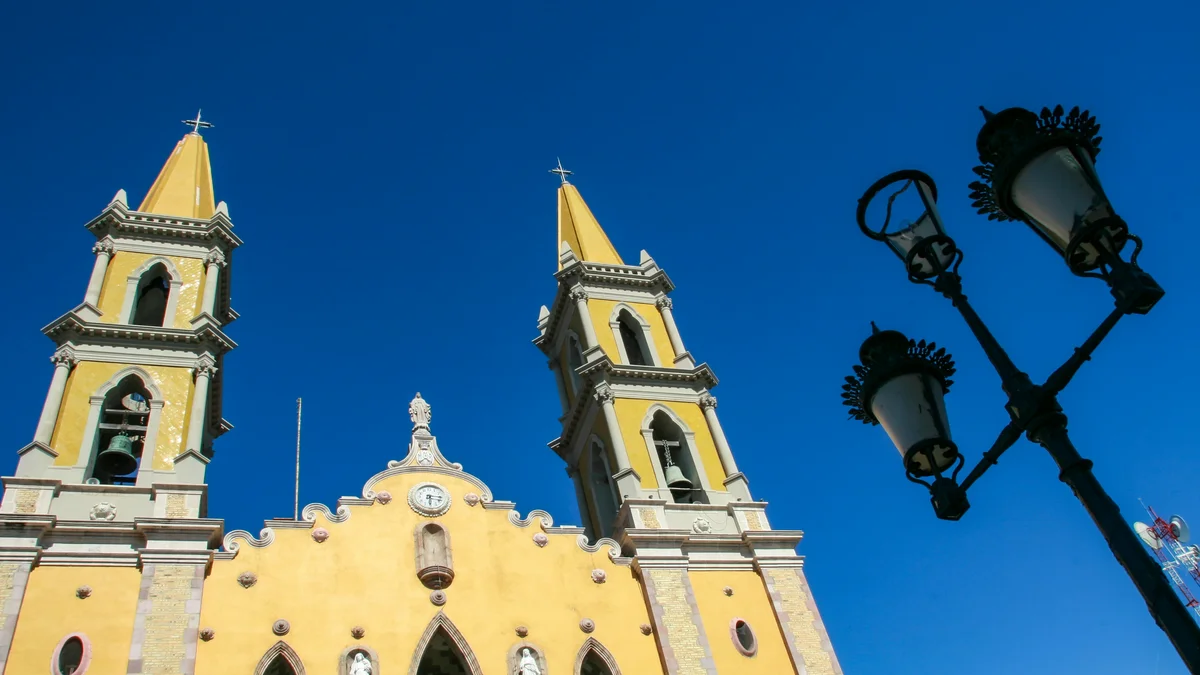
A private and exclusive tour of Mazatlán aboard an authentic red open-air Auriga truck, built around your own pace rather than a fixed schedule — the Malecón, the Historic Center, the Cathedral, Plazuela Machado, Mercado Pino Suárez, and the Olas Altas cliff divers are all real stops you can linger at or skip.
 Private Tours
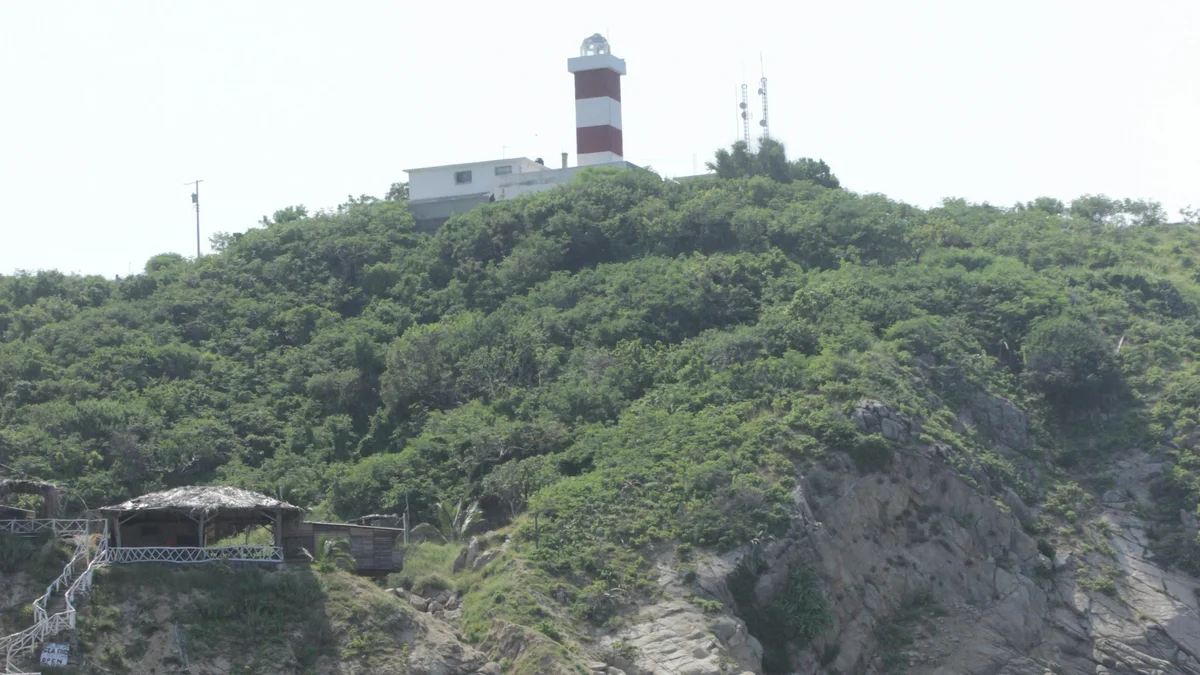
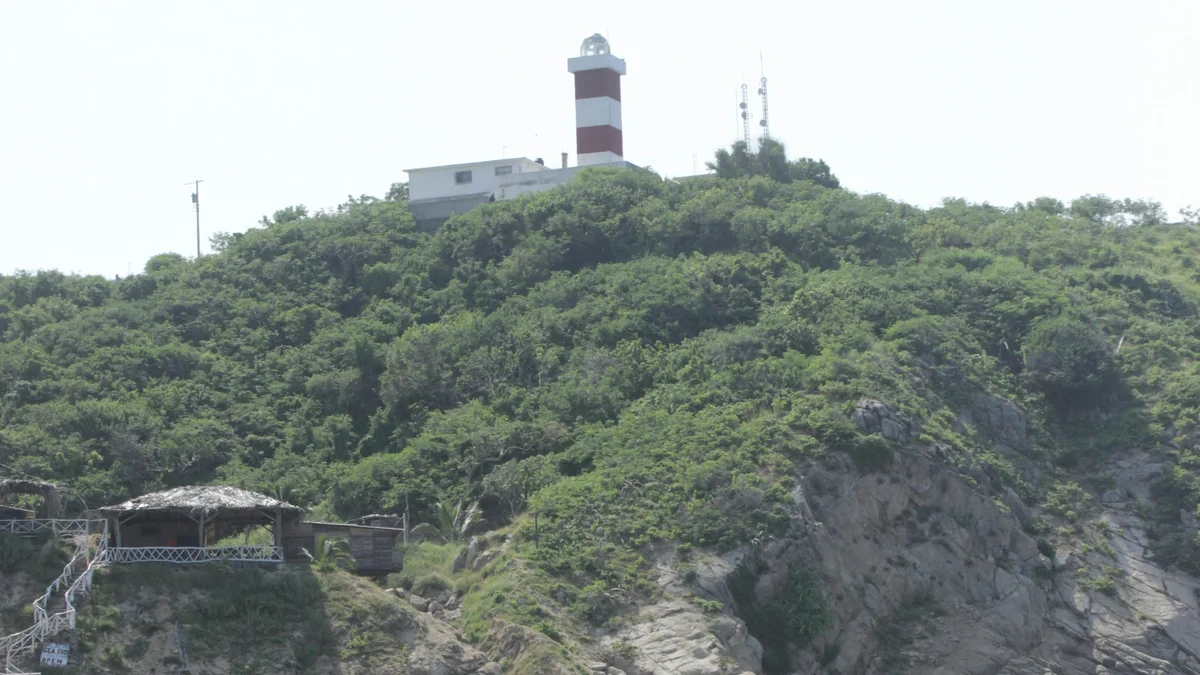
A panoramic private tour exclusively for your own group of up to 6 guests, aboard an open-air red truck with large viewing windows, covering the natural Lighthouse (El Faro), the Cliff Divers, the Mazatlán sign, the Cathedral Basilica, and historic Plazuela Machado.
 Private Tours
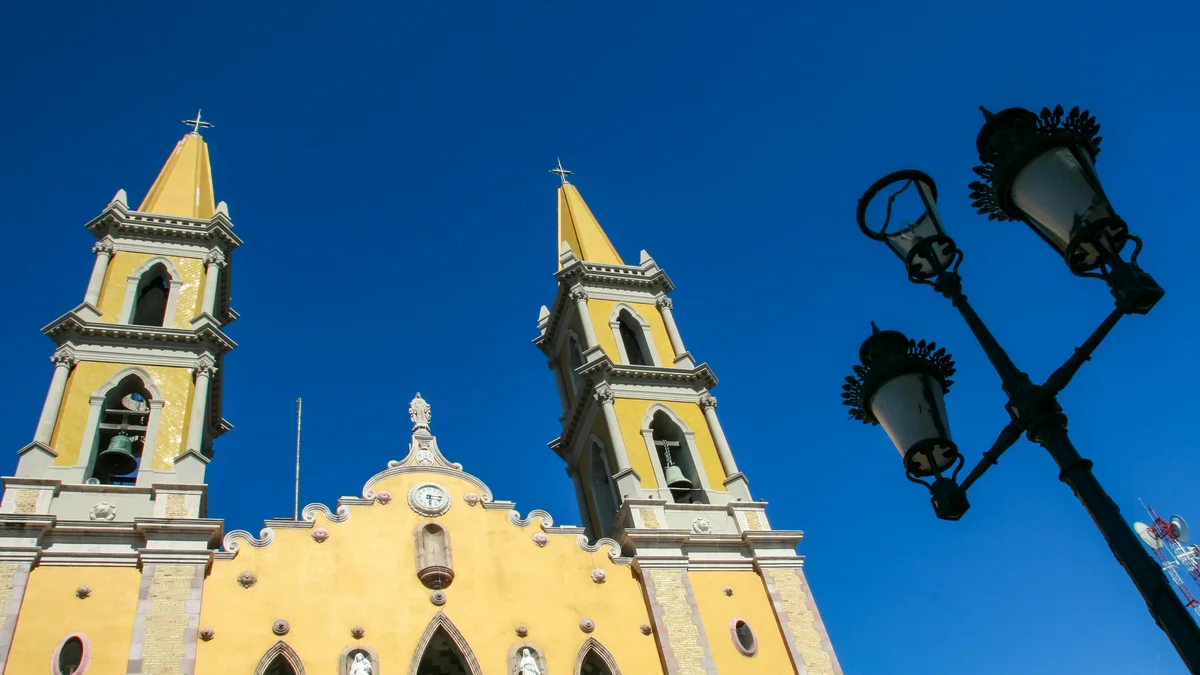
A comprehensive private shore excursion covering El Faro, one of the highest natural lighthouses in the world, panoramic views from Cerro del Vigía, a guided stroll through Centro Histórico and Mercado Pino Suárez, the gold-leaf Catedral Basílica de la Inmaculada Concepción, and the Zona Dorada.
Visitor guide
Plazuela Machado is a historic square in the Centro Historico of Mazatlan, Sinaloa, Mexico. Ringed by restored 19th-century buildings, cafes, galleries and restaurants, it sits beside the Teatro Angela Peralta and is regarded as the social heart of the old town.
Most sources date the plaza to 1837 and credit local businessman Juan Nepomuceno Machado with the land. One source says he donated the ground on which it was built and that it was first known as the Paseo de los Naranjos because of its orange trees. Accounts of Machado's background differ: English-language tourism sites often call him Filipino or of Filipino descent, while one Mexican source describes him as a merchant of silver, cloth and pearls. Wikipedia notes that a Filipino banker named Juan Nepomuceno Machado arrived in Mazatlan in 1829.
The ground around the square was once marshy. One guide says a sea wall built along the Olas Altas beach in 1832 helped dry the area, making larger buildings possible. The square was remodeled in 1881, and the wrought-iron bandstand at its center is generally dated to that period.
Beside the plaza stands the Teatro Angela Peralta, named for the Mexican soprano Angela Peralta, who died of yellow fever in Mazatlan in 1883. The Spanish-language Wikipedia article says construction ran from 1869 to 1874, that it opened in 1874 as the Teatro Rubio, and that it was renovated in 1879. It lost its roof to Hurricane Olivia in 1975, was restored in the late 1980s and reopened on 23 October 1992. A presidential decree in 1990 declared it a national historical heritage site, and it seats 841.
A popular legend says Peralta sang one last aria from the balcony of her hotel overlooking the plaza before she died. The hotel, formerly the Hotel Iturbide, is now the Municipal Arts Center. The story is local legend rather than documented history, and the Spanish Wikipedia article notes there is no evidence she ever performed in the theater itself.
In the 19th and early 20th centuries the square hosted serenades, literary gatherings and cultural events, and it became the first venue of the Mazatlan Carnival. Today the buildings around it hold restaurants, galleries and cafes, and the plaza stages events such as book and food fairs. The Centro Historico itself was named a Heritage of the Nation on 12 March 2001.
The plaza is a pedestrian space best enjoyed on foot, and evening is a popular time when the restaurants and terraces fill. A private guided visit can combine the plaza with the theater, the nearby cathedral and the Olas Altas seafront, all within a short distance of each other.
See every tour and attraction we cover in Mazatlan.