TorontoOntario · 36 tours
 Niagara FallsOntario · 25 tours
 New York CityNew York · 30 tours
 Las VegasNevada · 8 tours
 San FranciscoCalifornia · 16 tours
 VancouverBritish Columbia · 17 tours
 DubaiUAE · 54 tours
 Abu DhabiUAE · 5 tours
 Buenos AiresArgentina · 23 tours
 AthensGreece · 31 tours
 AucklandNew Zealand · 38 tours
 CancunMexico · 54 tours
No destinations match “”. Try searching all tours instead — that search understands full questions, not just place names.
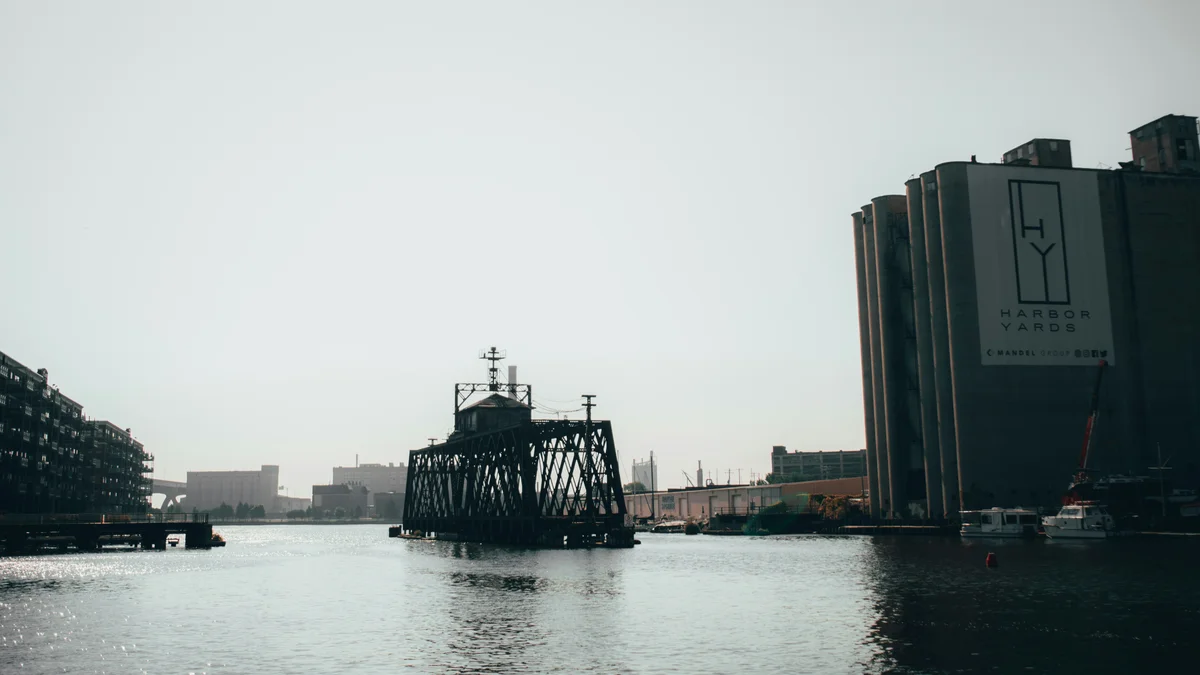
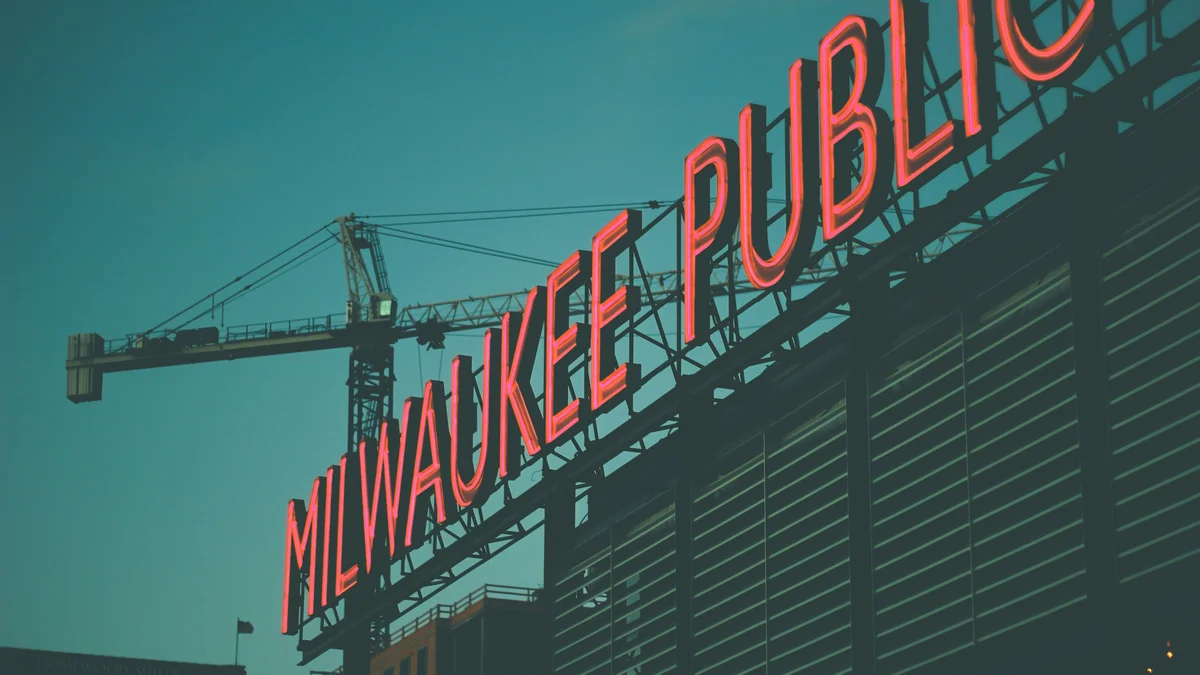
Once Milwaukee's warehouse and produce district, the Historic Third Ward was rebuilt after a destructive 1892 fire and later reborn in the 1970s as an arts and fashion district. Today its real cobblestone-adjacent streets hold galleries, boutiques, the Milwaukee Institute of Art and Design, and the Milwaukee Public Market.
 Private Tours
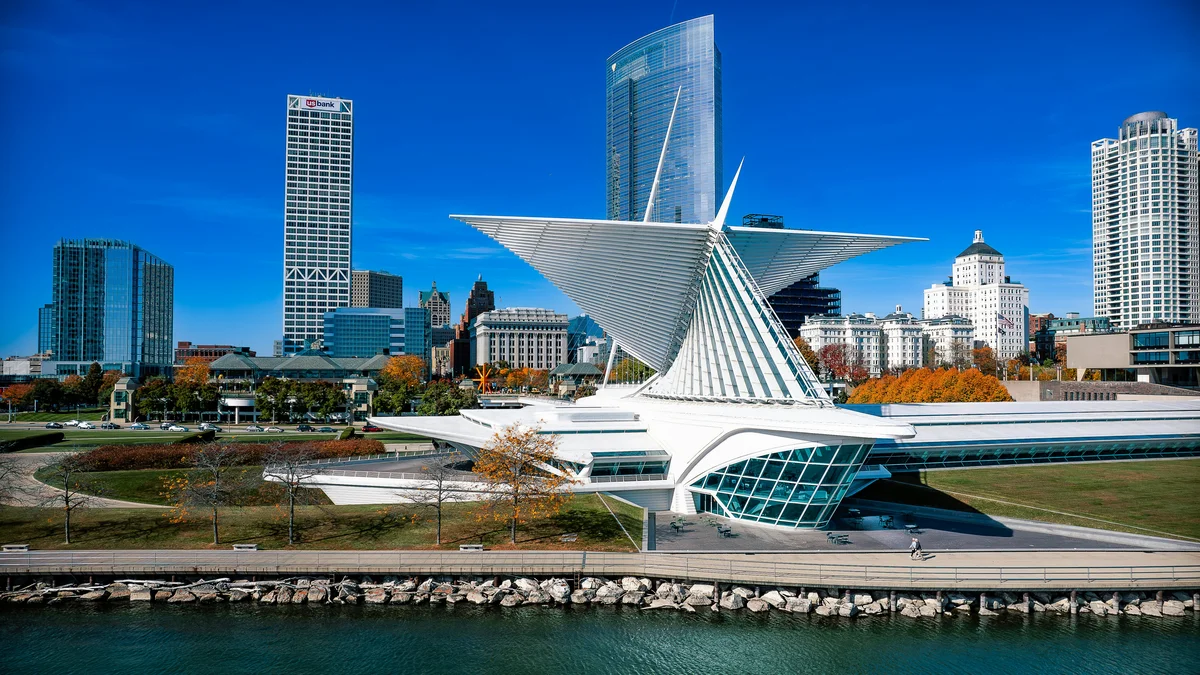
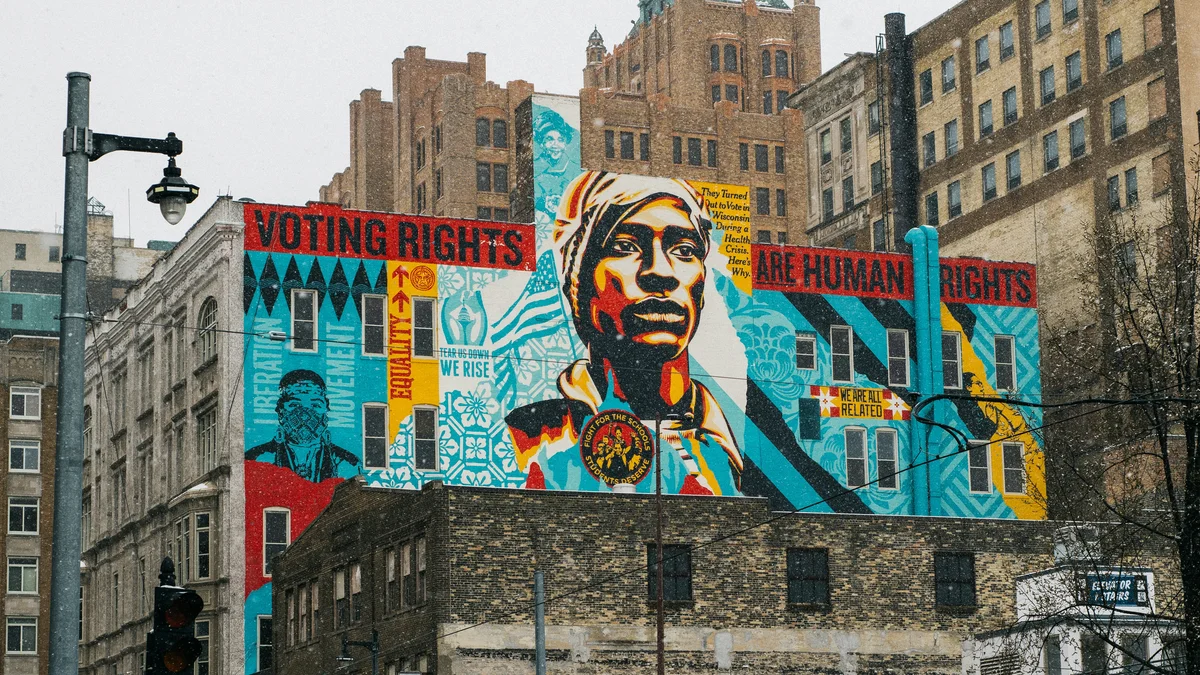
A private 2-hour tour by comfortable vehicle through Milwaukee, taking in Lakefront Brewery, Black Cat Alley's street art, Villa Terrace, the Milwaukee Art Museum, Milwaukee Public Market, and Fiserv Forum.
 Private Tours
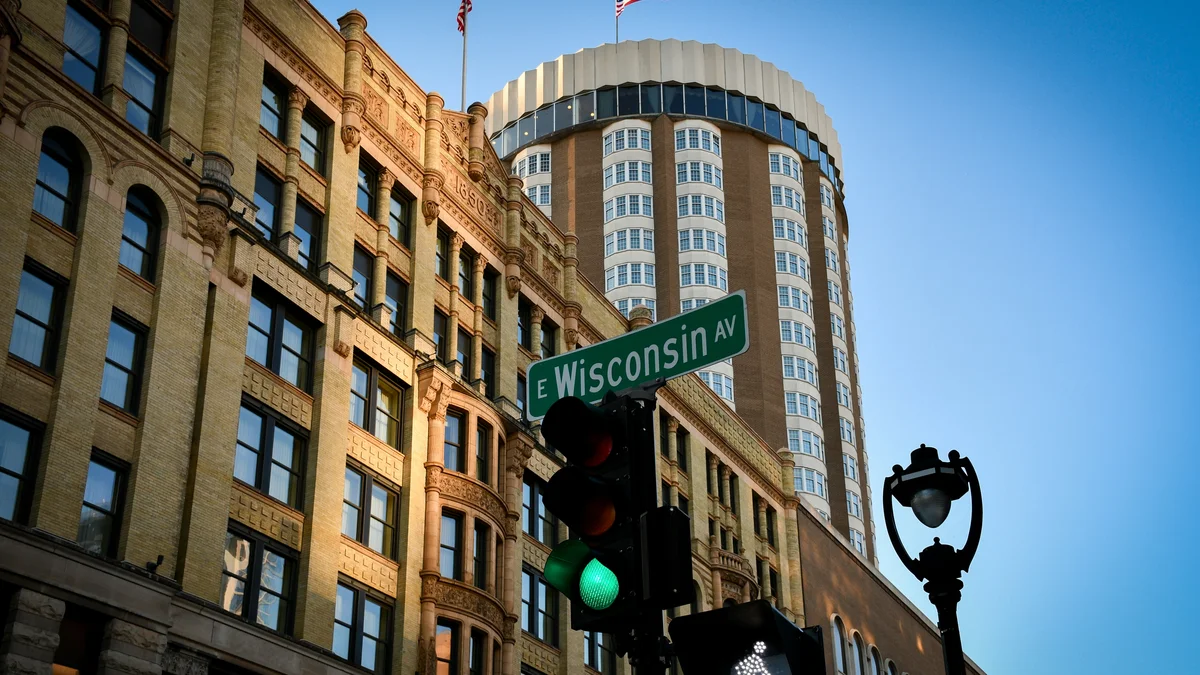
A private 2-hour evening ghost tour starting at the Milwaukee Public Market, covering the city's devastating 1892 fire and stories from the historic Pfister Hotel, widely considered Milwaukee's most haunted location.
 Private Tours
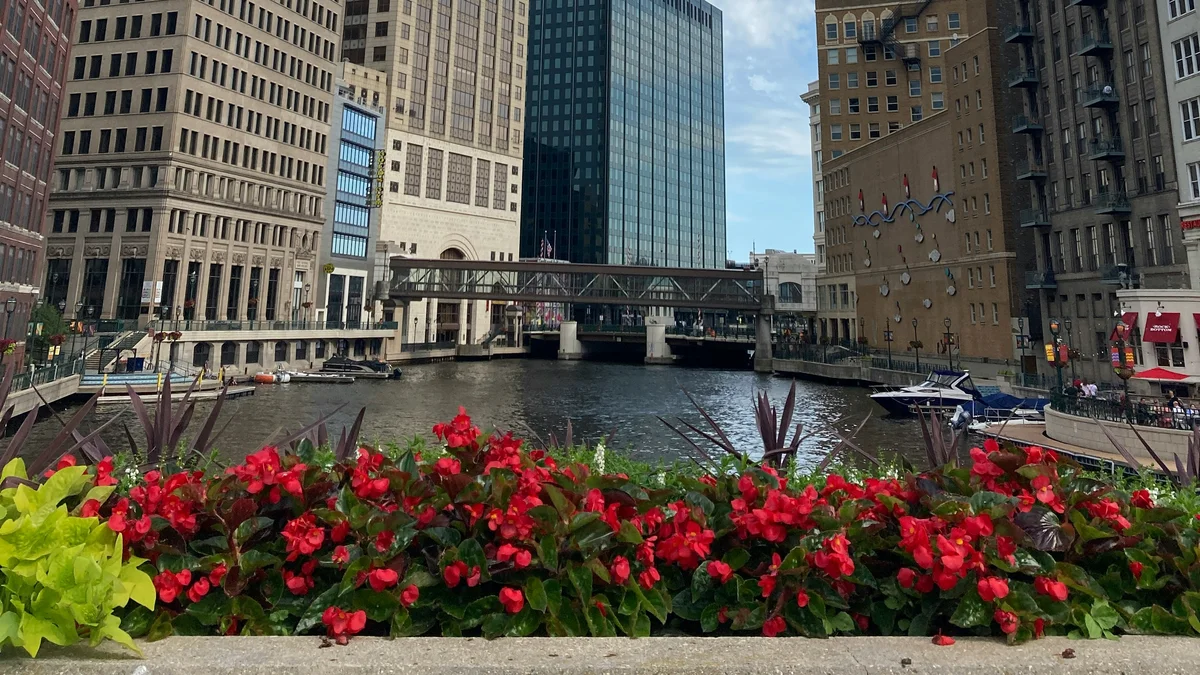
A private 2-hour walking tour led by a knowledgeable local guide along Milwaukee's Riverwalk, exploring the city's lakeside charm, iconic buildings, and local public art.
Visitor guide
The Historic Third Ward is a warehouse district in downtown Milwaukee, located along the Milwaukee River, with a National Register district bounded by the river, the former Chicago and North Western railroad, and East St. Paul and North Jackson streets. Rebuilt in a burst after a catastrophic fire in 1892, its brick and cast-iron warehouses now hold galleries, studios, a public market and a theater, and the neighborhood was listed on the National Register of Historic Places on March 8, 1984.
The Third Ward began as flat, swampy ground that was drained in the 1850s. Irish immigrants were among its early settlers, and the working-class district earned the nickname 'Bloody Third' for its brawls. The wider city's growth followed the railroad: a line linked Milwaukee to the Mississippi River in 1856. In 1860 the steamship Lady Elgin sank on Lake Michigan with an estimated 300 lives lost, many of them from the Third Ward's Irish community, and a Wisconsin historical marker commemorates it.
On October 28, 1892, a fire that started at the Union Oil and Paint Company spread in high winds and destroyed an estimated 440 buildings, leaving more than 1,900 people, mostly Irish-American families, homeless. Fire crews came from several Wisconsin towns and from Chicago. The rebuilding that followed took years, and because so much went up in a short span the district has a notably unified look.
During reconstruction Italian immigrants largely replaced the Irish and set up Commission Row, a cluster of grocery commission houses. One account gives 29 Italian saloons, 45 Italian groceries and two spaghetti factories in the ward by 1915. In the 1960s freeway construction displaced much of the Italian-American community, and the Blessed Virgin of Pompeii church was demolished in 1967. With trucking and suburban growth hollowing out the warehouse trade, the area declined through the 1970s.
The 1984 National Register listing recorded 71 contributing buildings (plus 7 non-contributing) in an area the state register describes as about 12 blocks, while the neighborhood association describes it as ten square blocks. The Milwaukee Institute of Art and Design took a warehouse as its main building, and in the 1990s warehouses were converted to housing and offices while the city invested in streetscapes and the Milwaukee Riverwalk opened. The Historic Third Ward Association began co-sponsoring the quarterly Gallery Night and Day event in 2000, the Milwaukee Public Market opened in 2005, and Erie Street Plaza followed in 2010. The Hop streetcar began service in 2018.
Look at the buildings themselves. The district lists contributing structures built between 1892 and 1928, among them the Wirth, Hammel and Company sales stable (1892), the Queen Anne style Engine Company No. 10 fire station (1893), the Romanesque Revival National Distilling Company building (1893), the six-story Roundy, Peckham and Dexter warehouse (1895), and the Marine Terminal Building (1917-18), later converted to condominiums. Today the neighborhood is home to hundreds of businesses, the Broadway Theatre Center, and sits next to Henry Maier Festival Park, home of Summerfest.
The district is compact and easy to explore on foot, and the Riverwalk and lakefront are close at hand. Check the Historic Third Ward Association and individual venues for current events, hours and access.
On a Voyzo private tour, a private vehicle and driver with door-to-door pickup lets you drop into the Third Ward and then continue along the lakefront without worrying about parking.
See every tour and attraction we cover in Milwaukee.