TorontoOntario · 36 tours
 Niagara FallsOntario · 25 tours
 New York CityNew York · 30 tours
 Las VegasNevada · 8 tours
 San FranciscoCalifornia · 16 tours
 VancouverBritish Columbia · 17 tours
 DubaiUAE · 54 tours
 Abu DhabiUAE · 5 tours
 Buenos AiresArgentina · 23 tours
 AthensGreece · 31 tours
 AucklandNew Zealand · 38 tours
 CancunMexico · 54 tours
No destinations match “”. Try searching all tours instead — that search understands full questions, not just place names.
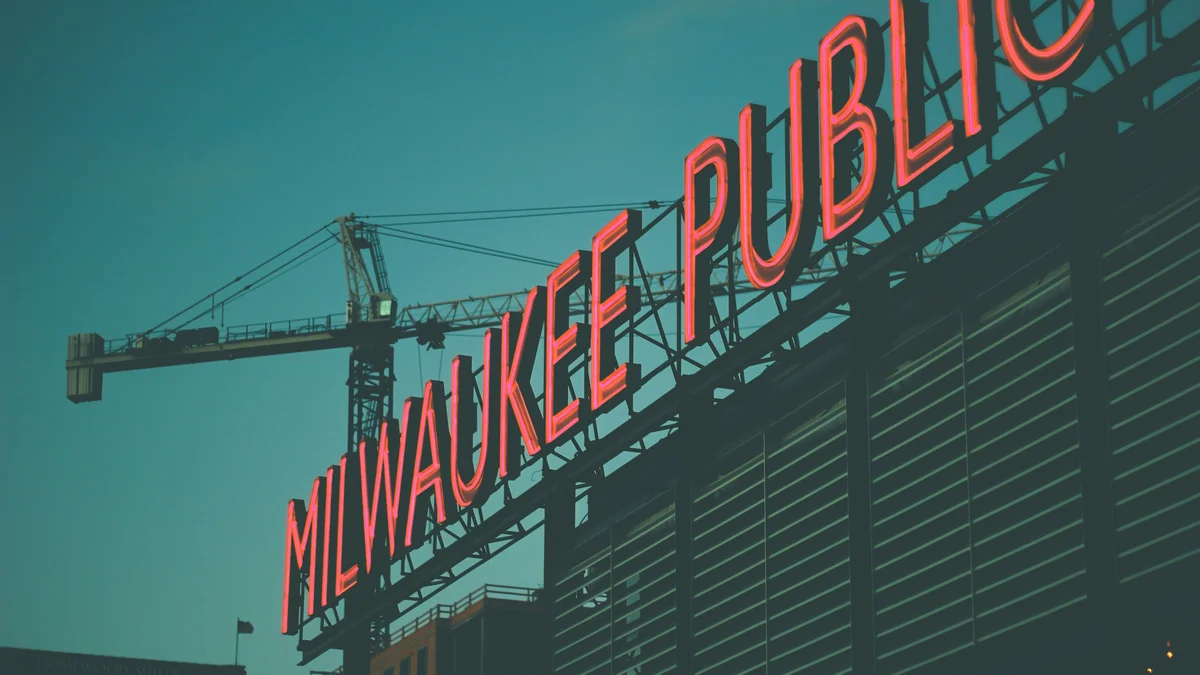
Opened in 2005 in the Historic Third Ward, the Milwaukee Public Market is a real indoor market hall with local vendors selling Wisconsin cheese, produce, seafood, and prepared foods. It's a genuine gathering spot for both locals and visitors exploring the Third Ward's real former warehouse district.
 Private Tours
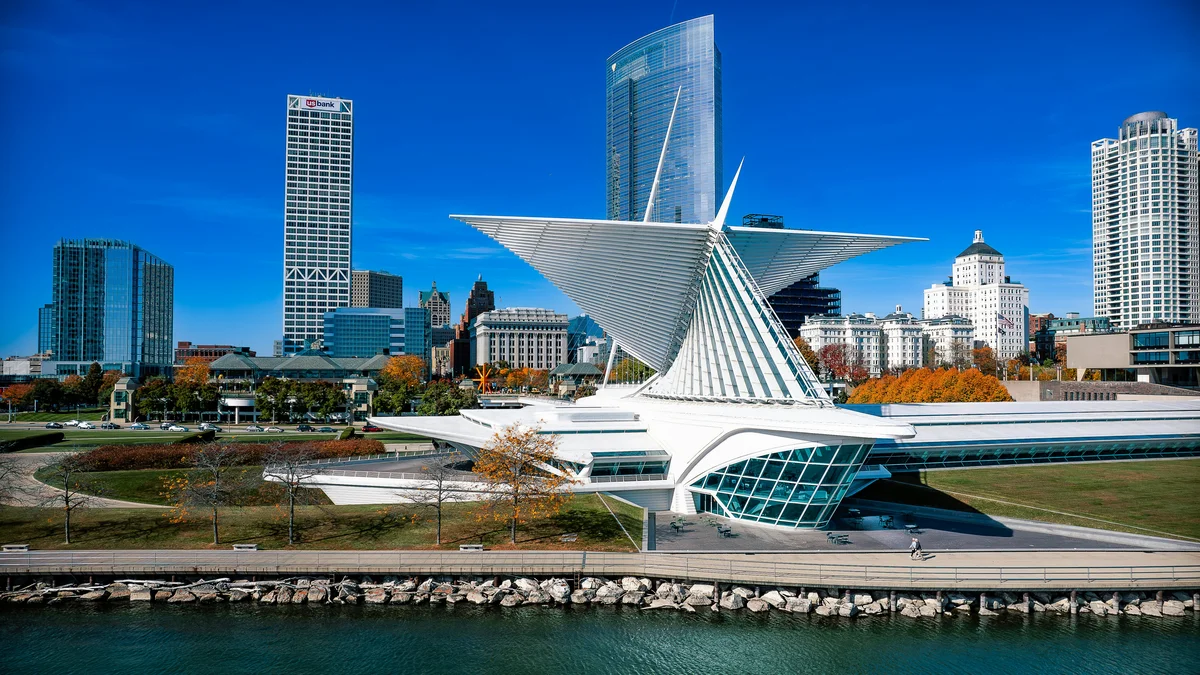
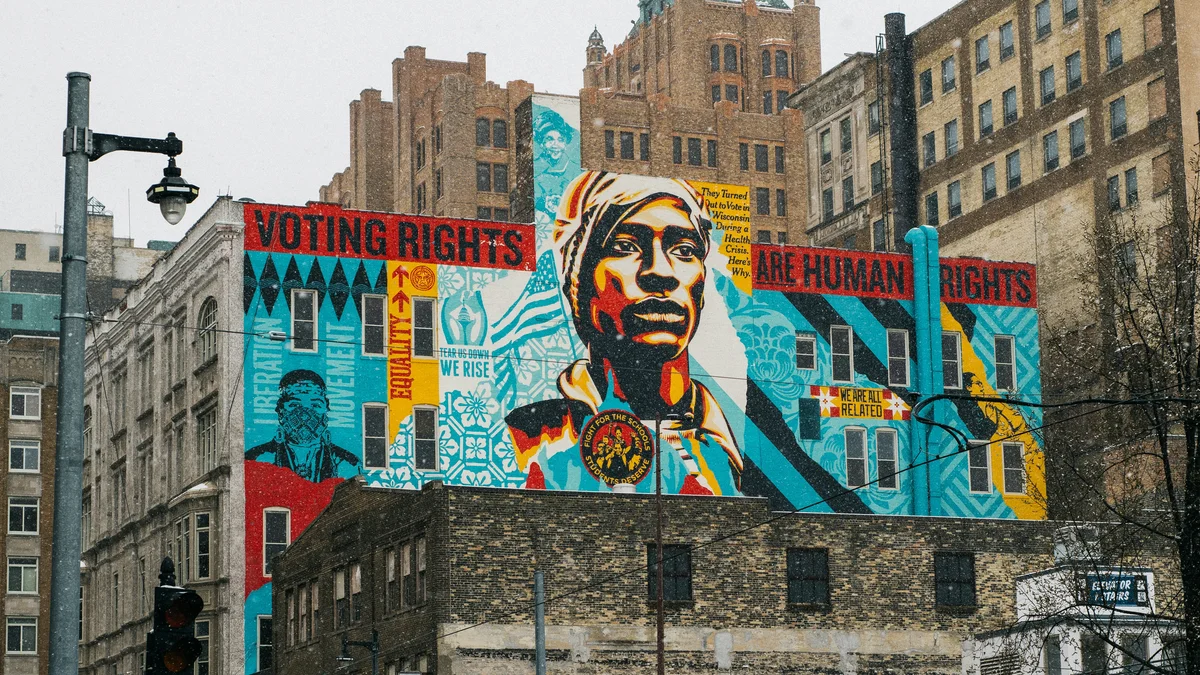
A private 2-hour tour by comfortable vehicle through Milwaukee, taking in Lakefront Brewery, Black Cat Alley's street art, Villa Terrace, the Milwaukee Art Museum, Milwaukee Public Market, and Fiserv Forum.
 Private Tours
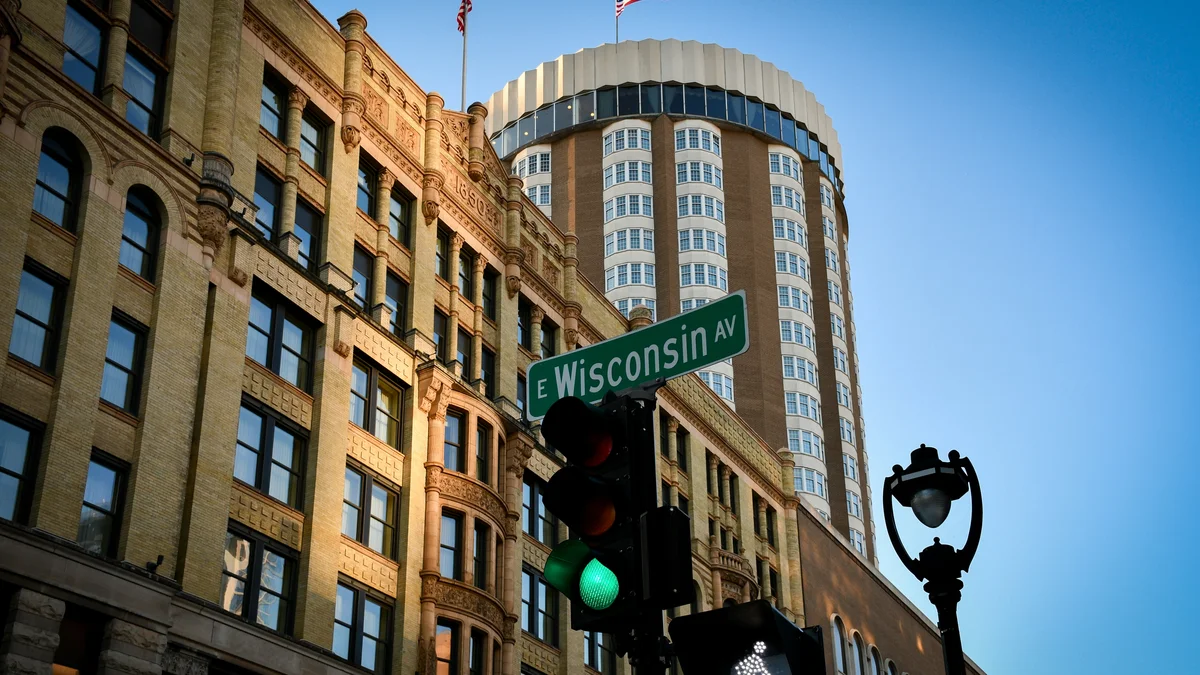
A private 2-hour evening ghost tour starting at the Milwaukee Public Market, covering the city's devastating 1892 fire and stories from the historic Pfister Hotel, widely considered Milwaukee's most haunted location.
Visitor guide
Milwaukee Public Market is an indoor market hall in the Historic Third Ward that opened in 2005. Sources put the cost at about $10 million to $11.5 million, from a mix of private and public money, and its founders modeled it on Seattle's Pike Place Market with the aim of supporting smaller, local businesses.
The idea came from Seattle. One account credits Wendy Baumann, president of the Wisconsin Women's Business Initiative Corp., who proposed a European-style public market to then-Mayor John Norquist after visiting Pike Place Market; a 2001 Daily Reporter article instead credits Wendy Werkmeister of the Third Ward steering committee, so accounts differ on who first raised it. BizTimes reports that fundraising took about eight years and that the project was paid for through private donations and grants, including a $2.5 million U.S. Department of Commerce grant. The market opened in October 2005 at the corner of the Third Ward nearest downtown. Because the sources quote different totals ($10 million versus $11.5 million), treat the cost as approximate.
The building was designed by The Kubala Washatko Architects (TKWA) of Cedarburg, Wisconsin, who say the steel, glass and brick honor the Third Ward's industrial history. The firm describes a contemporary form that draws on traditional ideas, a large open interior for local vendors, high-performance glass and sun louvers to control heat gain, and daylighting and natural ventilation to reduce energy use. It also has cafe seating, a bar, a demonstration kitchen used for cooking classes and receptions, and outdoor space that acts as a threshold between downtown and the Third Ward. A large neon sign above the west entrance has become a local landmark, according to the architects. The design won a 2005 Mayor's Urban Design Award from the City of Milwaukee and a 2006 merit award from the American Institute of Architects Wisconsin.
Vendors are mostly local food businesses selling baked goods, meats, produce, seafood, soup, cheese, spices, wine, coffee and candy, along with some selling flowers, gifts and apparel. Vendors reportedly found more success selling prepared foods than the raw ingredients the market first emphasized. After the Historic Third Ward Business Improvement District, which had owned the building, took over operations, it added events; the market has space for community events.
The Historic Third Ward was a flat, swampy area between Lake Michigan and the Milwaukee River until it was drained in the 1850s. Irish immigrants were its first settlers, and Italian immigrants later became a major community, especially in the warehouse trade. On October 28, 1892, a fire that began at the Union Oil & Paint Co. building spread in strong winds and destroyed 440 buildings, leaving more than 1,900 people homeless.
Prominent local architects designed many of the replacement commercial buildings, and construction continued for roughly 36 years, giving the district a unified look in Romanesque Revival, Queen Anne and Chicago Commercial styles. The National Register nomination describes the district as Milwaukee's major combined wholesale and manufacturing district of the nineteenth and early twentieth centuries. Commission Row, a group of wholesale grocery commission houses built by the Ludington Estate in 1894-95, is documented by the Wisconsin Historical Society; a reporter once counted 145 wagons outside those buildings at one time in 1910. The Society's records also describe the Kalvelage Wholesale Commission House on North Broadway, a four-story brick warehouse in the Chicago Commercial style built in 1909 and designed by Carl Ringer and Son.
Trucking, suburban growth and the building of I-794 in the 1960s brought decline. The Historic Third Ward District was added to the National Register of Historic Places on March 8, 1984, covering roughly 70 buildings erected between 1892 and 1928, and Wisconsin added it to the state register in 1989. Warehouses were converted to housing and offices in the 1990s, and the Milwaukee Riverwalk linked the area to downtown. Today the district is also home to the Milwaukee Institute of Art and Design and the Broadway Theatre Center, and it adjoins Henry Maier Festival Park, the site of Summerfest.
With a private vehicle and driver, a market stop can fit around a wider Milwaukee itinerary, with door-to-door pickup. Check the market for current vendors, hours and access.
See every tour and attraction we cover in Milwaukee.