TorontoOntario · 36 tours
 Niagara FallsOntario · 25 tours
 New York CityNew York · 30 tours
 Las VegasNevada · 8 tours
 San FranciscoCalifornia · 16 tours
 VancouverBritish Columbia · 17 tours
 DubaiUAE · 54 tours
 Abu DhabiUAE · 5 tours
 Buenos AiresArgentina · 23 tours
 AthensGreece · 31 tours
 AucklandNew Zealand · 38 tours
 CancunMexico · 54 tours
No destinations match “”. Try searching all tours instead — that search understands full questions, not just place names.
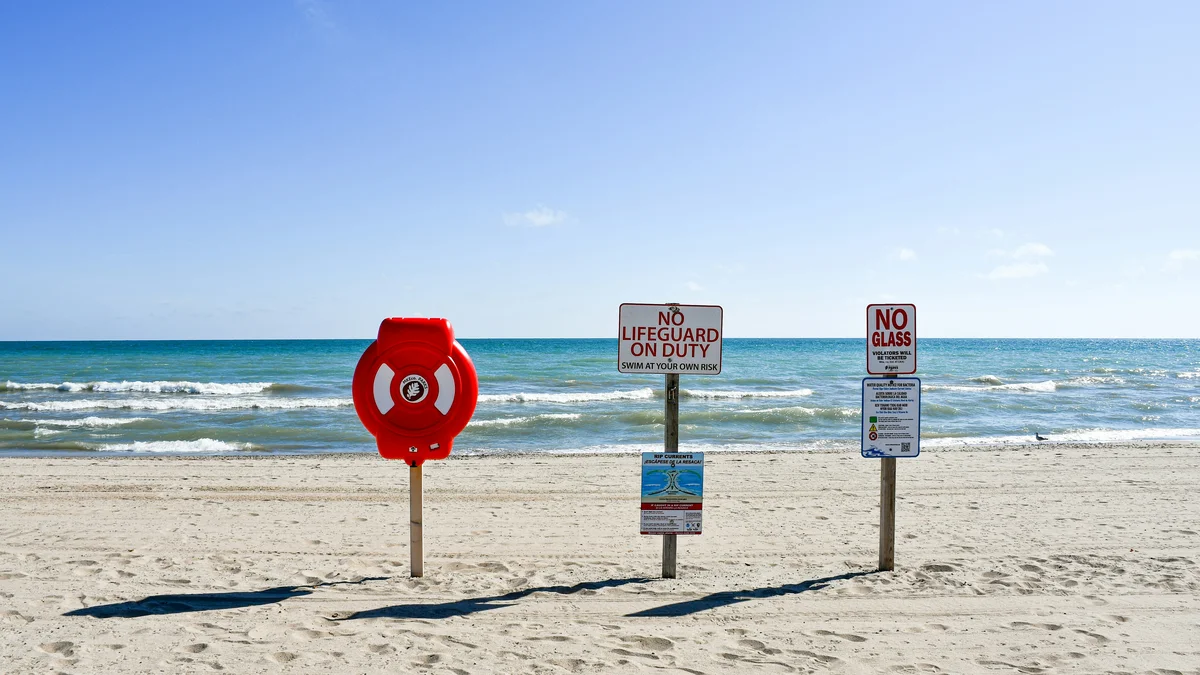
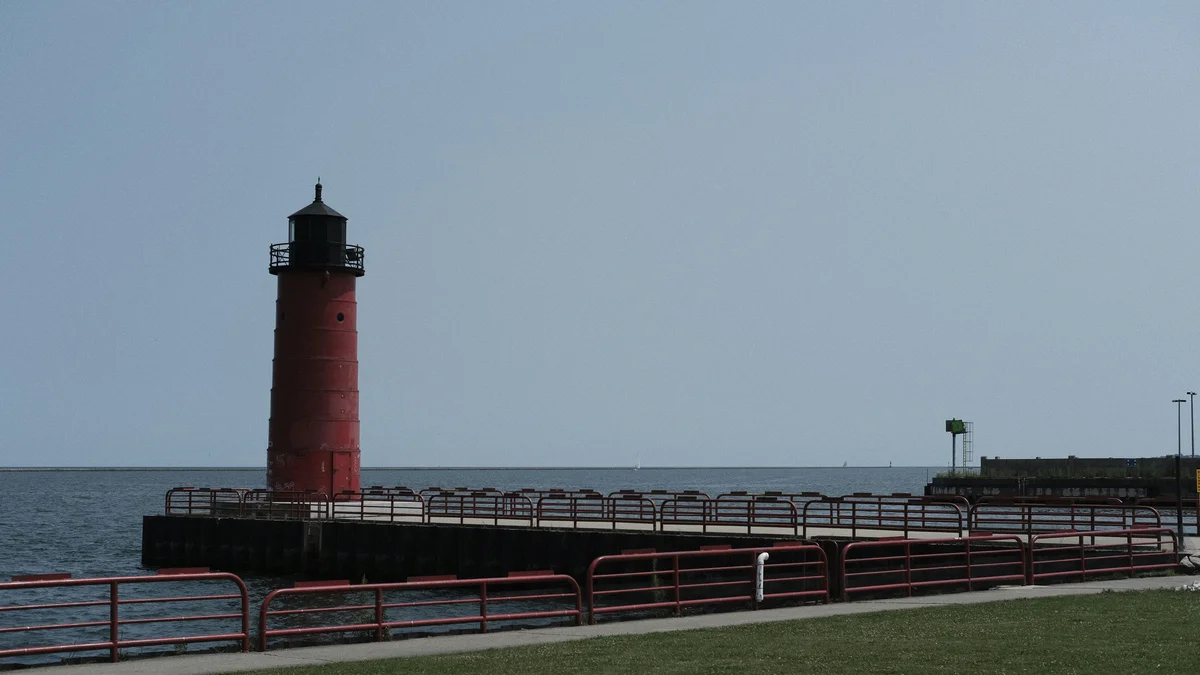
Milwaukee sits on the western shore of Lake Michigan, and its real lakefront parks — including Bradford Beach, Veterans Park, and Lakeshore State Park — give the city a genuine beach-town feel in summer. Bradford Beach in particular is a well-known sandy public beach just north of downtown.
Visitor guide
Milwaukee's lakefront is the string of parks, beaches, harbors and museums along the western shore of Lake Michigan, at the point where the Milwaukee, Menomonee and Kinnickinnic rivers reach the lake. Much of the shoreline that visitors walk today is not original land: it was built out over decades with landfill, and that engineering story is part of what makes the waterfront feel so deliberately designed.
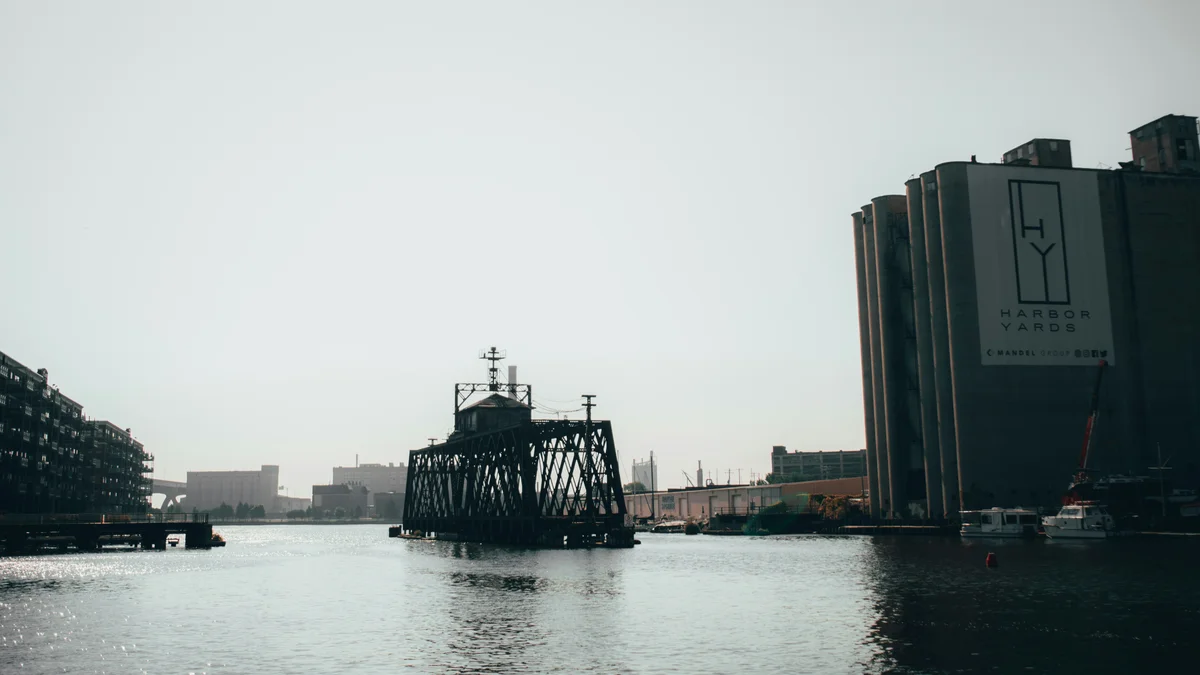
Milwaukee grew up around its river mouths, and the name itself points to the water. Scholars disagree on its origin; the city traces it to a Potawatomi word for council grounds, other theories point to Ojibwe or Meskwaki phrases, and a commonly repeated gloss is 'gathering place by the water.' Steep glacial bluffs begin roughly a mile north of downtown, which is why the lakefront changes character as you move along it: harbor and festival grounds near the rivers, then bluff-top and beach parks to the north.
Wisconsin Historical Society records and local histories describe a long landfill campaign along the lakeshore that began in the early twentieth century and ran for more than two decades. Lincoln Memorial Drive was pushed northward from downtown starting in 1913 on fill that included cinders, and it was completed around 1929 to 1930 (sources vary slightly). The drive links Juneau Park, Veterans Park, McKinley Park, Bradford Beach and Lake Park, several of which pre-date the drive but were folded into the county's parkway plan.
Individual parks have their own layers. McKinley Park began in 1887 as Flushing Tunnel Park, tied to a tunnel built in the mid-1880s to flush the Milwaukee River. Bradford Beach sits on land that was lake bed before the late-1920s fill; its ship-shaped Art Moderne bathhouse is dated to 1949 or 1950 depending on the source. Veterans Park, created through a land reclamation project completed in 1957, is known for its lagoon and open lawns for kite flying.
Lakeshore State Park is a roughly 22-acre urban state park on a man-made peninsula that was once Harbor Island. Its land was set aside for public use in 1991 and it became a state park in 1998. It is built on limestone excavated during the Deep Tunnel project in the 1980s, and it has restored prairie, a pebble beach, a fishing pier and paved trails linking to the Hank Aaron State Trail and the Oak Leaf Trail. The Wisconsin DNR describes it as sitting beside Henry Maier Festival Grounds and Discovery World.
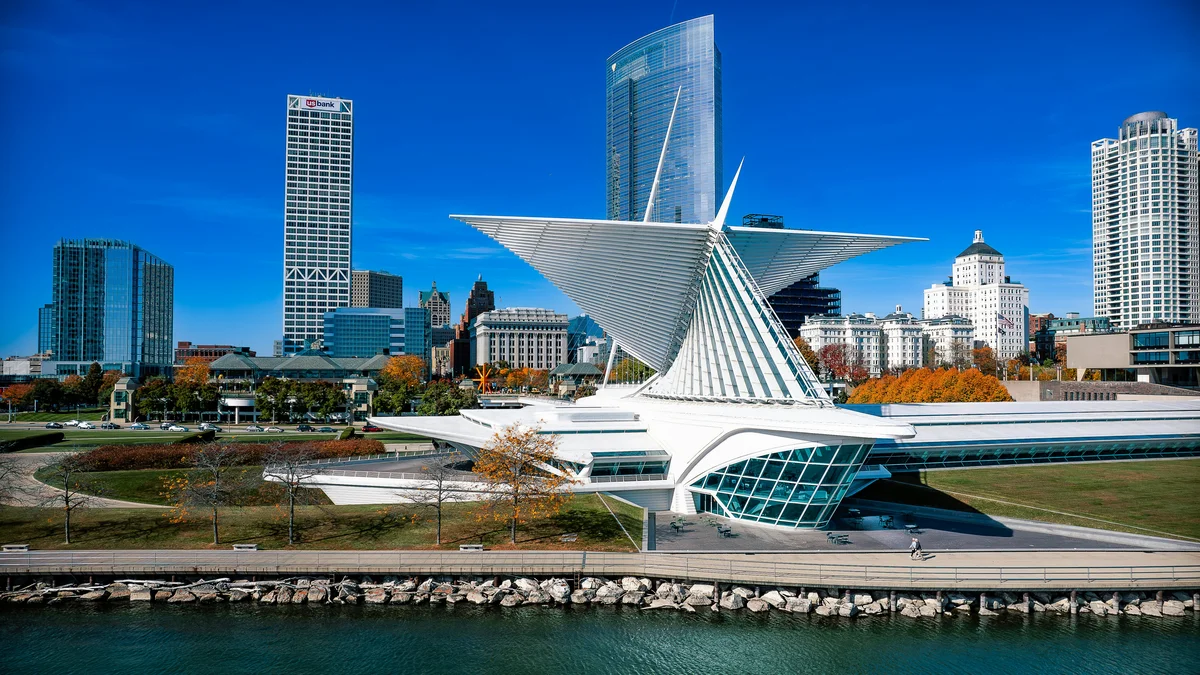
Discovery World, the lakefront science and technology museum, includes an aquarium and is home to the S/V Denis Sullivan, a replica of a nineteenth-century Great Lakes schooner. The Milwaukee Art Museum is the shoreline's best-known landmark. The institution traces to two galleries founded in 1888 and combined in 1957, and it moved into Eero Saarinen's Milwaukee County War Memorial building. Santiago Calatrava's Quadracci Pavilion, completed in 2001, adds a movable sunscreen with a 217-foot wingspan that opens in the day and folds at night or in high winds.
The lakefront is long enough that it rewards choosing a stretch rather than trying everything. Pair the Art Museum with the nearby parks for a downtown-adjacent morning, or head north toward the bluff and beach parks for open water views. Check each operator and Milwaukee County Parks for current hours, events, permits and access, since festival grounds and marinas have their own schedules.
For a Voyzo private tour, the lakefront suits a private vehicle and driver well: your driver can drop you at one end of the shoreline and collect you at another, with door-to-door pickup, so nobody has to loop back for the car.
See every tour and attraction we cover in Milwaukee.